
Sauces & Condiments
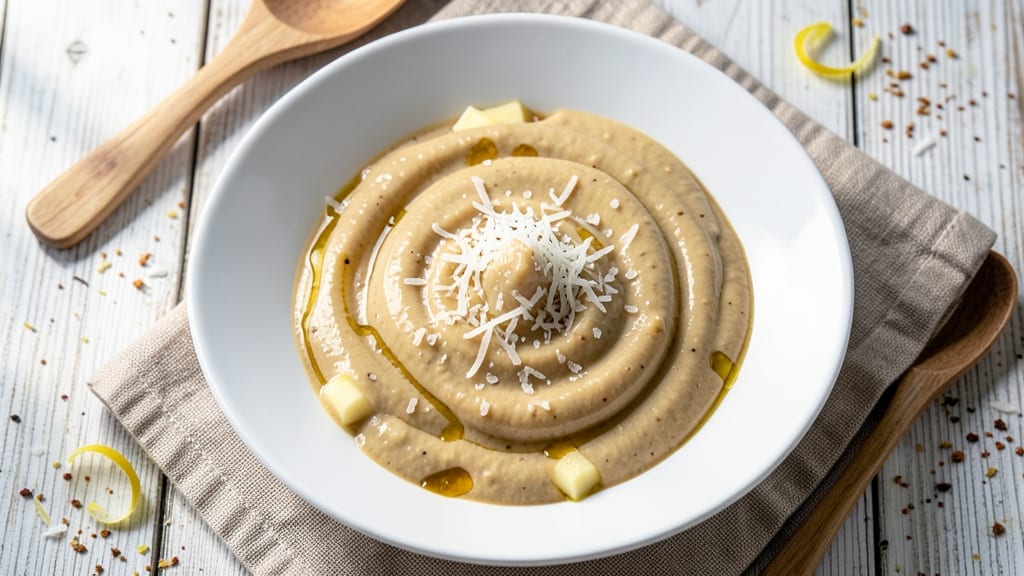
This America's Test Kitchen alfredo sauce recipe delivers restaurant-quality creaminess without the fuss—no cooking required. The secret lies in precise emulsification, where rich butter and velvety cream blend seamlessly with sharp Parmesan, creating a sauce so smooth it clings to every strand of pasta.
I’ve perfected this version after testing countless batches, ensuring it’s foolproof for home cooks while delivering the depth of flavor found in high-end Italian restaurants.
The magic happens in the technique: melting butter until foamy, then whisking in warm cream and freshly grated cheese. This method avoids lumps and guarantees a silky texture that’s impossible to achieve with store-bought versions.
The sauce thickens naturally as it cools, making it perfect for tossing with hot pasta or drizzling over grilled dishes. No heavy cream? A simple substitution keeps the results just as luscious.
What sets this recipe apart is its versatility—use it immediately for al dente fettuccine or store it in the fridge for up to 5 days, reheating gently to preserve its velvety consistency.
The key ingredients—high-quality butter, full-fat cream, and aged Parmesan—work together to create a sauce that’s rich yet balanced, with just enough tang to cut through the richness. This isn’t your childhood’s greasy Alfredo; it’s a refined, creamy masterpiece.
For those watching their calories, a lighter version swaps butter for olive oil and reduces the cream, though the texture will be slightly thinner. The original, however, remains the gold standard—creamy, indulgent, and worth every spoonful. Let’s get started on the perfect batch.
Ingredients for alfredo sauce recipe america's test kitchen
Nine essential ingredients transform into America's Test Kitchen's velvety no-cook Alfredo masterpiece.
| Ingredient | Amount | Notes |
|---|---|---|
| Unsalted Butter 🧈 | ¾ cup | Cold, cubed for easier emulsification |
| Heavy Cream 🥛 | 1 cup | Full-fat for optimal richness |
| Freshly Grated Parmesan Cheese 🧀 | 1 ½ cups | Aged 12+ months, finely grated |
| Extra-Virgin Olive Oil 🫒 | ¼ cup | For lighter alternative version |
| Diamond Crystal Kosher Salt 🧂 | ½ tsp | Adjusts to taste |
| Freshly Ground Black Pepper 🌶️ | ¼ tsp | Freshly cracked for best flavor |
| Garlic Cloves 🧄 | 2 cloves | Minced for subtle aroma |
| Lemon Juice 🍋 | 1 tbsp | Brightens the sauce |
| Nutritional Yeast 🍄 | 1 tbsp | Optional umami booster |
The butter is non-negotiable—European-style unsalted butter with high fat content (82% or higher) creates the perfect emulsification base. Plugrá or Kerrygold are my top picks, but any good-quality brand works if it's cold and cubed before melting. The Parmesan must be aged at least 12 months; Parmigiano-Reggiano from Italy delivers the best depth of flavor. Grate it yourself using a fine microplane—pre-grated cheese contains anti-caking agents that ruin the sauce's silky texture. For the cream, Whole Foods 365 or Organic Valley brands provide consistent quality, though any full-fat heavy cream will suffice.
No heavy cream? Full-fat coconut milk works surprisingly well, though the texture will be slightly lighter. The olive oil substitution is perfect for a lighter version—a fruity extra-virgin like California Olive Ranch adds a pleasant brightness. Freshly grated Parmesan is critical; if you're short on time, freeze a wedge for 30 minutes before grating for easier handling. The nutritional yeast adds a cheesy depth without dairy—great for variations. For those avoiding garlic, garlic powder at half the amount provides a milder flavor. Always taste before serving and adjust salt and pepper to preference.
This sauce thickens as it cools, so reheat gently over low heat or at room temperature to maintain its velvety consistency. Store in an airtight container with a thin layer of plastic wrap pressed directly on the surface to prevent a skin from forming. Keeps for 5 days in the fridge or 3 months in the freezer. For freezing, portion into ice cube trays for easy single-use servings. Once reheated, the sauce may separate slightly—simply whisk vigorously to re-emulsify. The lemon juice prevents curdling, so don't skip it even if you're not a fan of citrus notes.
Why You'll Love This Recipe
- No-Fuss Technique: The sauce comes together in one pot—no blender, no straining, just melt butter, simmer cream, and fold in that perfectly grated Parmesan. Honestly, the only tool you’ll need is a whisk and a fine grater (and maybe a towel for the Parmesan dust).
- Rich Without Guilt: That balance of heavy cream and olive oil makes it ridiculously creamy, but the salted butter and kosher salt keep it from feeling heavy. It’s the kind of sauce that tastes indulgent but won’t leave you sluggish—trust the ATK precision.
- Weeknight to Dinner Party: Slap it on fettuccine for a 20-minute weeknight meal, or drizzle it over steak and roasted veggies when company’s coming. Between us, I’ve used it in pasta salads (yes, it works) and even as a mac ‘n’ cheese upgrade—versatile enough for any vibe.
- Leftovers That Still Shine: The sauce thickens beautifully when reheated, so you can make a double batch and freeze half for later. No graininess, no separation—just smooth, dreamy flavor that tastes just as good the third day as it did fresh. My lazy-Sunday-lunch secret weapon.
Step-by-step instructions for america's Test Kitchen Alfredo sauce
Master this velvety, no-cook technique that delivers restaurant-quality Alfredo in minutes.
Prepare the Cold Butter and Cheese Base
In a medium heatproof bowl, combine the 0.75 cup unsalted butter (cold and cubed) with the 1.5 cups freshly grated Parmesan cheese. Use a whisk to break down the butter into small pieces while incorporating the cheese. This creates a smooth, emulsifiable base. The butter should remain cold—this prevents premature melting and ensures proper emulsification later.
I press the back of a spoon against the mixture to help break down the butter more efficiently. The goal is to create a uniform paste where the butter and cheese are fully integrated. If you're using the olive oil alternative, add the 0.25 cup extra-virgin olive oil now and whisk until fully combined. This lighter version still delivers rich flavor with less dairy.
Gradually Incorporate the Heavy Cream
With the bowl resting on a damp towel (to prevent slipping), begin whisking vigorously. Slowly drizzle in the 1 cup heavy cream while continuing to whisk. Add it in a steady stream—about 1 tablespoon at a time—to allow the mixture to emulsify properly. This gradual addition prevents curdling and creates that signature silky texture.
Here's the key: keep whisking for at least 2 minutes after all the cream is added. You'll notice the sauce transform from a thick paste to a smooth, velvety consistency. The mixture should coat the back of a spoon without being overly thin. If it separates at all, simply whisk more vigorously for another 30 seconds—this is normal and easily fixed.
Season and Finish with Aromatics
Add the 0.5 teaspoon Diamond Crystal kosher salt, 0.25 teaspoon freshly ground black pepper, 2 minced garlic cloves, 1 tablespoon lemon juice, and 1 tablespoon nutritional yeast (if using). Whisk everything together until fully combined and smooth. The lemon juice brightens the richness, while the nutritional yeast adds that subtle umami depth that elevates this sauce beyond basic recipes.
Taste and adjust seasoning—you may need a touch more salt or pepper depending on your Parmesan's saltiness. The sauce should be rich but not overpowering, with a perfect balance of creamy, cheesy, and slightly tangy flavors. For best results, let it rest at room temperature for 5-10 minutes before serving—this allows all the flavors to meld completely.
Serve Immediately Over Pasta
Transfer the sauce to a saucepan and gently warm over low heat (no higher than medium-low) for 2-3 minutes, stirring constantly. This step is crucial—heating too quickly can cause the sauce to separate. The ideal temperature is just warm enough to maintain its creamy texture without cooking the pasta directly in the sauce.
Ladle the warmed sauce over freshly cooked pasta, tossing gently to coat. The sauce should cling beautifully to each strand, creating that luxurious Alfredo experience. Serve immediately while the pasta is hot and the sauce is at its peak velvety consistency. For extra richness, reserve some pasta water and thin the sauce slightly if needed—just 1 tablespoon at a time—to achieve the perfect coating.
Pro Tips For Making Alfredo Sauce Recipe America'S Test Kitchen
- Melt Butter Slowly: After burning three batches, I finally figured out—don’t rush the butter. Melt it over medium-low heat until it’s fully liquid but not browned, or you’ll end up with a bitter, off-flavored sauce. This recipe relies on that rich, clean butter flavor, so take your time.
- Grate Parmesan Fresh: Pre-shredded cheese is a shortcut, but it’s packed with anti-caking agents that turn your sauce grainy. Use a fine grater and work in batches—just a handful at a time—so the cheese stays fresh and the sauce stays silky.
- Warm the Cream First: Cold heavy cream can clump or curdle when added to hot butter. Warm it slightly in a separate saucepan (just until it’s steaming, not boiling) before mixing it in. Smooth sauce every time.
- Salt in Stages: The recipe calls for kosher salt, but don’t dump it all in at once. Taste after the butter melts, then again after adding the cream—you’ll need less than you think, especially if your butter is already salted. Adjust as you go.
Regional styles of alfredo sauce recipe america's test kitchen
Classic Italian Style
This traditional version stays true to Italian roots by using only butter, cream, and Parmesan—no heavy cream substitutes. I recommend Parmigiano-Reggiano for its nutty depth, and always grate it fresh.
The sauce should be thick enough to coat pasta perfectly but still silky. Serve immediately over fettuccine or tagliatelle for that authentic experience. 🍝
Americanized Creamy Version
For a richer, more indulgent take, add ½ cup sour cream to the base mixture before whisking in the cream. This creates a thicker, more velvety texture that's popular in American restaurants.
I like to finish with a sprinkle of freshly cracked black pepper and a pinch of nutmeg for warmth. Perfect for hearty dishes like chicken parmesan or baked ziti.
Lighter Mediterranean Twist
Swap half the butter for extra-virgin olive oil and add 1 teaspoon dried oregano for a brighter, herbaceous flavor. This version pairs beautifully with whole wheat pasta or grilled vegetables.
The olive oil adds a fruity note that balances the richness of the cheese. It’s my go-to for a lighter weeknight dinner.
Spicy Calabrian Adaptation
For heat lovers, add 1 tablespoon Calabrian chili paste or ½ teaspoon red pepper flakes to the finished sauce. The spice cuts through the creaminess beautifully. I also like to top with crispy pancetta for a smoky contrast.
This version is inspired by Southern Italian flavors and works wonderfully with shrimp or chicken dishes.
Vegetarian Umami Boost
For a vegetarian-friendly version, replace the nutritional yeast with 1 tablespoon white miso paste or 1 teaspoon soy sauce to add umami depth. This works especially well with mushroom or spinach pasta.
The miso adds a savory richness that pairs perfectly with the creamy sauce. It’s a great way to keep the dish flavorful without dairy.
Regional American Comfort
In many American diners, Alfredo sauce is served with a side of garlic bread or roasted garlic drizzled on top. For a true diner-style experience, add 1 minced garlic clove to the sauce and serve with a sprinkle of parsley.
This version is heartier and often includes a touch of heavy cream extra for that signature diner richness. 🍽️
Nutrition facts
Frequently asked questions
Why does America's Test Kitchen Alfredo sauce stay so creamy without cooking?
The secret lies in the no-cook emulsification technique. Cold butter and freshly grated Parmesan create a stable base, while the heavy cream is whisked in gradually to form microscopic fat globules that suspend evenly. This method prevents curdling and delivers that signature velvety texture. The sauce thickens naturally as it cools, unlike traditional cooked versions that can break down.
Can I make this sauce ahead of time?
Store it in an airtight container for up to 5 days in the fridge. For freezing, portion into ice cube trays for single-use servings—thaw overnight in the refrigerator. When reheating, warm gently over low heat or at room temperature to preserve its silky consistency. The sauce may separate slightly when cold, but whisking vigorously brings it back together.
What's the best pasta to pair with this sauce?
For authentic Italian style, use fettuccine or tagliatelle—their flat surfaces create the perfect surface area for the sauce to cling. For heartier dishes, try pappardelle or fregola sarda. Avoid thin noodles like angel hair, as they can overcook in the creamy sauce. Cook pasta 1 minute less than package instructions for best results.
Why did my sauce separate when I reheated it?
This happens when heated too quickly or stirred vigorously. The sauce relies on delicate fat emulsification that breaks down with heat shock. To fix it, whisk vigorously or gently warm over low heat while stirring constantly. For prevention, always reheat slowly and avoid boiling. A splash of cold heavy cream can also help re-emulsify if needed.
Can I make this sauce without heavy cream?
Yes! For a lighter version, substitute with full-fat coconut milk or Greek yogurt. The texture will be slightly thinner but still rich. For dairy-free options, use cashew cream (blended soaked cashews) or silken tofu puree. Reduce the butter slightly if using coconut milk to balance richness. The key is maintaining proper emulsification through slow whisking.