
Sauces & Condiments
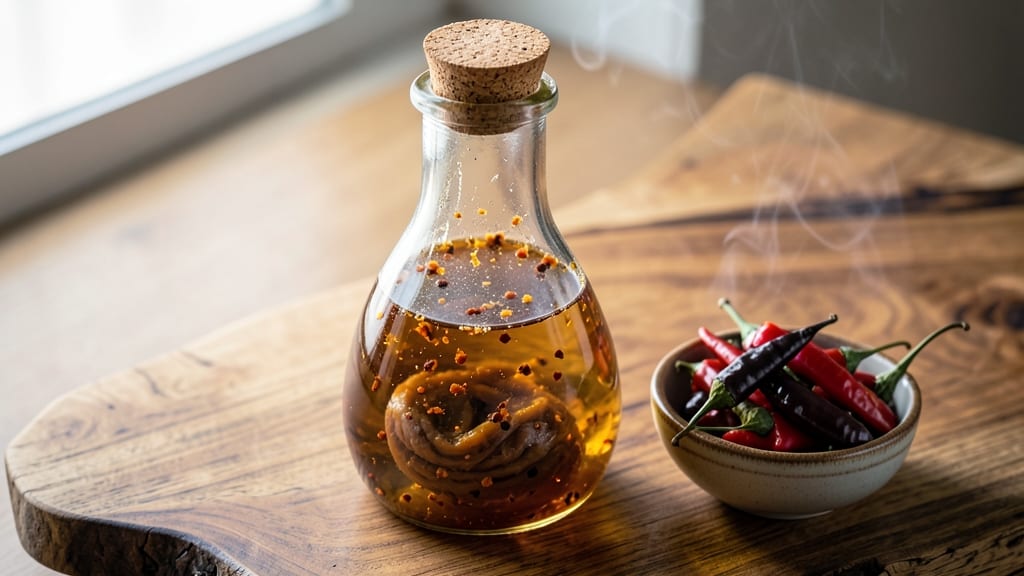
Albert's hot sauce delivers the perfect balance of smoky chipotle depth and fresh chili heat that elevates everything from tacos to wings. This recipe transforms simple ingredients into a complex, layered sauce with a slow-simmered base that develops rich, caramelized notes while preserving the bright, fiery kick of fresh peppers.
The key lies in controlling the heat through precise ingredient ratios and cooking techniques—no guesswork, just reliable, restaurant-quality results every time.
What sets this hot sauce apart is the combination of smoked chipotle peppers for depth and fresh habaneros for brightness, creating a heat profile that builds gradually rather than overwhelming.
The sauce thickens as it simmers, developing a glossy sheen and a balance of tangy vinegar and sweetness from the tomatoes and onions. Unlike store-bought versions, this recipe lets you adjust the heat level to your preference—whether you want a subtle warmth or mouthwatering spice.
The process is straightforward but requires patience: peppers are toasted and blended with garlic and spices before simmering with vinegar and tomatoes for 30 minutes to meld flavors.
The result is a versatile sauce that can be thinned with water for dipping or left thick for drizzling, with a shelf life of 3 months in the refrigerator. Whether you're a home cook or a seasoned chef, this sauce transforms ordinary meals into something extraordinary.
Perfect for gifting, meal prepping, or keeping on hand for quick flavor boosts, this hot sauce adapts to any dish—from Bloody Marys to grilled meats. The instructions walk you through every step, including heat adjustments and storage tips, so you can achieve professional results at home.
Let's make sauce that stands out.
Ingredients for alberts hot sauce
Nine ingredients blend smoky depth and fiery brightness for a hot sauce that transforms tacos, wings, and Bloody Marys.
| Ingredient | Amount | Notes |
|---|---|---|
| Smoked Chipotle Peppers in Adobo 🌶️ | 4 whole | Stems and seeds removed |
| Fresh Habanero Peppers 🌶️ | 2 whole | Seeds removed for less heat |
| Yellow Onion 🧅 | 1 whole | Medium size, chopped finely |
| Garlic Cloves 🧄 | 6 cloves | Peeled, minced for depth |
| Canned Tomato Sauce 🍅 | 1 cup | San Marzano preferred |
| White Vinegar 💧 | ½ cup | Distilled for tang |
| Granulated Sugar 🍯 | 2 tbsp | Balances acidity |
| Ground Cumin 🌿 | 1 tsp | Toasted for warmth |
| Ground Coriander 🌿 | ½ tsp | Freshly ground preferred |
| Salt 🧂 | 1 tsp | Diamond Crystal preferred |
| Extra-Virgin Olive Oil 🫒 | 2 tbsp | For blending peppers |
The peppers are the soul of this sauce. Chipotles in adobo bring the smoky backbone, while habaneros deliver the fresh, bright heat. For the chipotles, I always grab the Penzeys brand from the bulk section—they're consistently high quality. Habaneros vary wildly in heat, so taste one first and adjust accordingly. Toasting the peppers in a dry skillet for 30 seconds before blending deepens their flavor. The yellow onion should be finely chopped—no big chunks—so it melts into the sauce during the simmer. Garlic? Six cloves might seem like a lot, but it mellows beautifully and adds another layer of complexity.
No chipotles in adobo? Smoked paprika plus a pinch of liquid smoke can mimic the depth, though it won't be identical. Short on habaneros? Serrano peppers at half the amount give milder heat. The tomato sauce can be swapped for crushed tomatoes, but San Marzano is ideal. Vinegar substitutes? Apple cider vinegar works, but distilled is best for clarity. The sugar is non-negotiable—it balances the acidity and rounds out the flavors. For storage, I always double the batch. The extra sauce makes perfect gifts, and it freezes beautifully for up to 6 months.
This sauce develops as it sits, so patience pays off. Simmer uncovered for 30 minutes to thicken naturally, then blend until silky smooth. Strain for a refined texture or leave it rustic. Keeps in the fridge for 3 months in a sealed jar, with the olive oil layer on top acting as a natural preservative. For gifting, pour into small amber bottles—they look professional and protect the sauce from light. Label with the heat level (mild, medium, hot) so recipients know what to expect.
Why You'll Love This Recipe
- No Special Skills Needed: I swear, you don’t even need to be a hot sauce pro—just chop an onion and garlic, then let the chipotles and habaneros do the work. That adobo sauce? It’s basically pre-seasoned magic.
- Smoky Heat That Sticks: The moment you taste that first blend of smoky chipotle and bright habanero? You’ll understand why I keep a jar in my fridge. It’s not just spicy—it’s layered, with onion and tomato sauce rounding out the edge.
- Game for Any Meal: Drizzle it on tacos, toss it in chili, or even mix it into mayo for sandwiches. (Yes, I’ve done it.) The sauce’s balance means it plays well with everything—no weird flavor clashes here.
- Makes Leftovers Worth It: Between us, I always make double batches. The extra sauce lasts weeks in the fridge, and freezing it won’t dull the heat. Budget-friendly, too—one can of tomato sauce and a few peppers stretch far.
Step-by-step instructions for albert's hot sauce recipe
Here's how to craft smoky, fruity heat that balances deep chipotle warmth with bright habanero zing.
Blend the Peppers and Aromatics
In a high-speed blender, combine the 4 whole smoked chipotle peppers in adobo, 2 whole fresh habanero peppers, 1 whole yellow onion, and 6 cloves garlic cloves. I like to use the tamper to ensure everything gets fully incorporated—this is where the magic happens. Blend on high for 30-45 seconds until you achieve a smooth, thick paste with no visible chunks.
The key here is to let the habanero's bright citrus notes merge with the smoky depth of the chipotles. If your blender struggles, pulse in short bursts to avoid overheating. You want a consistency similar to thick salsa—smooth but still vibrant. Save a small spoonful for taste testing later; this will be your flavor benchmark.
Cook the Pepper Mixture
Transfer the blended pepper mixture to a medium saucepan and cook over medium heat for 10-12 minutes, stirring frequently. The mixture will darken and develop an intense aroma—this is when the raw flavors transform into something complex. Add the 2 tablespoons extra-virgin olive oil and stir to coat everything evenly.
Watch for the mixture to thicken slightly and release its natural oils. You'll notice the habanero's heat mellowing as it cooks, while the chipotles deepen their smoky character. If the mixture starts to stick, add 1-2 tablespoons water to help it release. This step is crucial for building the sauce's foundation—don't rush it.
Build the Sauce Base
Reduce heat to low and stir in the 1 cup canned tomato sauce, 0.5 cup white vinegar, and 2 tablespoons granulated sugar. Let the mixture simmer for 15-20 minutes, stirring occasionally. The sugar will help balance the acidity while caramelizing slightly, adding another layer of complexity to the sauce.
Here's where the sauce starts to come together. You'll see it become glossy and slightly reduced, with a rich, jammy consistency. Taste as you go—if it needs more acidity, add a splash more vinegar. If it's too sharp, a pinch more sugar will help. The goal is a perfect balance between smoky, fruity, and tangy. This is your chance to adjust before committing to the final blend.
Season and Simmer
Add the 1 teaspoon ground cumin, 0.5 teaspoon ground coriander, and 1 teaspoon salt to the saucepan. Stir well to distribute the spices evenly, then increase heat to medium-low and let it simmer uncovered for another 10-12 minutes. The spices will infuse deeply during this time, adding warmth and earthiness that complement the peppers.
As it simmers, the sauce will reduce further and develop a glossy sheen. You're looking for a consistency similar to thick ketchup—smooth but still pourable. If it thickens too much, add a splash of water or vinegar to reach your desired texture. The sauce should coat the back of a spoon but still flow freely. This is the perfect consistency for both dipping and drizzling.
Strain and Bottle
Remove the sauce from heat and let it cool for 5-10 minutes. Then, strain it through a fine-mesh sieve into a clean jar or bottle, pressing gently on the solids with a spoon to extract all the flavorful liquid. This step ensures a silky-smooth sauce without any fibrous bits. The strained solids can be composted—they're packed with flavor but too coarse for a refined sauce.
Let the sauce cool completely before sealing the jar. This hot sauce will continue to develop in flavor over the next 24-48 hours, so patience is key. Store it in the refrigerator and it will keep for up to 3 months. The flavors will mellow slightly over time, becoming even more complex and balanced. Start with small amounts—this sauce packs serious heat and depth!
Pro Tips For Making Alberts Hot Sauce
- STRAIN THE ADOBO SAUCE: I learned this the hard way—skip the thick adobo paste and just use the liquid from the can. That goopy paste clogs your sauce and makes it grainy. Pour the liquid through a fine-mesh strainer first, then add the peppers. Your sauce will be smoother, and you’ll avoid that weird texture.
- CHAR THE ONIONS LOW: Does it look weird? Yes. Does it work? Every single time. After burning three batches, I finally figured out that slow-cooking the onions on low heat for 15-20 minutes caramelizes them without burning. High heat turns them bitter—trust the process.
- PEEL THE HABANEROS FIRST: Sounds silly, but peeling the habaneros before seeding and chopping saves time and mess. Run them under hot water for 10 seconds, then the skins slip right off. No more fighting sticky seeds or getting juice all over your hands.
- SIMMER THE SAUCE LONG: I skip this when I’m lazy, but the dish is noticeably better when I don’t. After blending everything, let the sauce simmer uncovered for at least 20 minutes. The liquid reduces, the flavors deepen, and the heat balances out—no more one-note spice bomb.
Best sauces and condiments for this recipe
Smoky Chipotle Blend
For an extra-deep smoky flavor, toast the 4 smoked chipotle peppers in a dry skillet over medium heat for 30 seconds before blending. This intensifies their natural smokiness without burning. I like to use a black cast iron skillet for even heat distribution.
If you're feeling adventurous, add ½ teaspoon of smoked paprika to the final sauce for an extra layer of complexity. 🔥
Heat Level Control
Adjust the heat by modifying the habanero quantity or seeds. For mild heat, remove all seeds and membranes, or use 1 habanero instead of 2. For extra spice, keep seeds and membranes intact or add ½ teaspoon cayenne pepper at the end.
Always taste as you go—this sauce develops as it cools, so heat may mellow slightly.
Sweet-Tangy Balance
The white vinegar and granulated sugar create the signature tangy-sweet profile. If your sauce tastes too sharp, add 1 extra tablespoon of sugar. For extra tang, swap ¼ cup of the vinegar for apple cider vinegar—it adds a subtle fruitiness.
I find that San Marzano tomato sauce adds a natural sweetness that complements the peppers beautifully.
Texture Variations
For a smooth sauce, strain through a fine-mesh sieve. For a rustic texture, skip straining and blend again briefly after simmering. If the sauce thickens too much during storage, thin with 1-2 tablespoons of water or vinegar before using.
The ideal consistency should be like thick ketchup—easy to drizzle but still coat the back of a spoon.
Storage and Gifting
Store in a sterilized glass jar with an airtight seal in the refrigerator for up to 3 months. For gifting, use amber glass bottles to protect the sauce from light, which can degrade flavors over time.
Label with the heat level (e.g., "Medium Heat") and the date. The sauce actually improves with age, so it’s perfect for making ahead for holiday gifts. ❄️
Flavor Boosters
Add 1 teaspoon of liquid smoke for extra smokiness or ½ teaspoon of ground cloves for warmth. For a fruity twist, stir in 1 tablespoon of orange juice at the end.
If you love bright flavors, try adding 1 teaspoon of fresh lime zest after cooling. These tweaks let you customize the sauce to match your favorite dishes.
Nutrition facts
Frequently asked questions
Can I substitute fresh habaneros with other hot peppers?
Yes! For milder heat, use 1 serrano pepper (seeds removed) or ½ teaspoon cayenne powder. For extra brightness, try 1-2 jalapeños (roasted for smokiness) but expect less complexity. The habanero's fruity notes are key—if substituting, add ½ teaspoon lime zest to mimic its tang. Always taste before blending!
How do I adjust the heat level after making the sauce?
You can't reduce heat after cooking, but you can balance it. For milder sauce, mix with 1-2 tablespoons of honey or sugar to coat your tongue. For extra heat, stir in ½ teaspoon cayenne powder or a pinch of red pepper flakes. Pro tip: Add a splash of apple cider vinegar to cut through the spice if needed.
Why did my sauce turn out too thin/thick?
Thin sauce? Simmer uncovered for 5-10 extra minutes to reduce. Too thick? Thin with 1-2 tablespoons of vinegar or water while warm. For future batches, simmer 5 minutes longer if you prefer thicker consistency. The ideal texture should coat the back of a spoon but still drizzle easily—like thick ketchup.
Can I make this sauce without a blender?
Yes! Finely chop the peppers, onion, and garlic with a knife, then pulse in a food processor until smooth. For extra smoothness, strain through a fine-mesh sieve after simmering. The texture will be slightly rustic but still delicious. This method works best if you remove all seeds from peppers first to avoid graininess.
How long does homemade hot sauce last?
Unopened, it keeps for 3 months in the fridge. Once opened, use within 2 months for best flavor. For longer storage, freeze in ice cube trays (thaw quickly in warm water) or amber glass bottles in the freezer for up to 6 months. The sauce actually improves over time as flavors meld!