
Sauces & Condiments
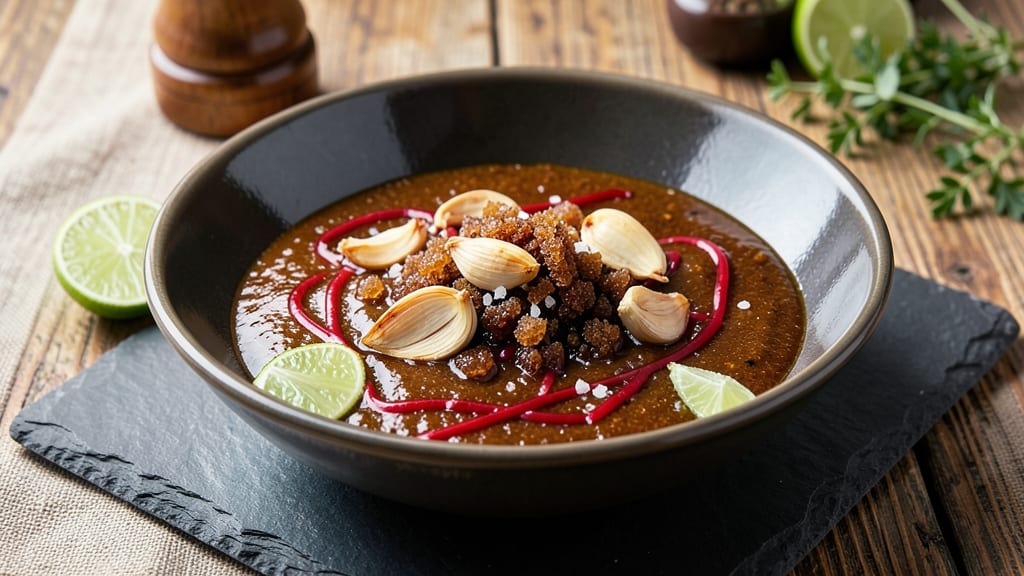
This Bald Eagle Sauce recipe delivers a bold fusion of smoky chipotle and bright lime that transforms grilled meats into unforgettable centerpieces. 🔥 Born from Southern barbecue traditions, this sauce balances heat, tang, and depth with just five key ingredients—each playing a critical role in creating that signature zing.
The secret lies in slow-simmering the vinegar base to develop complex flavors while preserving the chipotle's smokiness and lime's freshness.
What sets this sauce apart is its versatility—it works equally well as a marinade, finishing drizzle, or dipping sauce for fries and wings. The recipe uses adobo sauce for authentic smokiness, brown sugar to balance acidity, and fresh lime juice to keep the flavors vibrant.
Unlike store-bought versions, this homemade version stays fresh for weeks in the fridge, making it a pantry staple for outdoor cooking.
When you're ready to serve, this sauce elevates everything from brisket to grilled chicken with its perfect harmony of heat and brightness. The smoky chipotle lingers on the tongue while the lime cuts through richness, creating a balance that's both complex and approachable.
Whether you're hosting a backyard barbecue or simply craving restaurant-quality flavor at home, this sauce delivers every time.
Store it in an airtight container in the refrigerator for up to three weeks, or freeze for longer shelf life. The flavors only deepen over time, making it ideal for meal prep.
Drizzle generously over grilled meats, toss with roasted vegetables, or use as a tangy dip for crispy fries—this sauce is a game-changer for any cookout.
Ingredients for bald eagle sauce
Five ingredients create this iconic smoky, tangy sauce that elevates grilled meats instantly.
| Ingredient | Amount | Notes |
|---|---|---|
| Adobo Sauce 🌶️ | ½ cup | From canned chipotle peppers |
| White Vinegar 🍶 | ½ cup | White or apple cider |
| Brown Sugar 🍚 | ¼ cup | Light or dark preferred |
| Fresh Lime Juice 🍋 | ½ cup | Strained, no pulp |
| Garlic Cloves 🧄 | 3 cloves | Minced for depth |
| Salt 🧂 | 1 tsp | Kosher or sea salt |
| Black Pepper 🌶️ | ½ tsp | Freshly ground preferred |
| Cayenne Pepper 🔥 | ¼ tsp | Adjust for heat preference |
| Olive Oil 🫒 | 1 tbsp | For emulsification |
The adobo sauce is the heart of this recipe—look for cans labeled with chipotle peppers in adobo at Mexican markets or the Latin foods aisle. Goya or Herdez brands are reliable, but any quality brand works. Freshness matters: if the sauce smells stale or has a dull color, skip it. The vinegar should be white vinegar for acidity, though apple cider adds subtle sweetness. For the brown sugar, light brown sugar dissolves more smoothly, but dark adds molasses depth. The lime juice needs to be freshly squeezed—bottled juice lacks brightness and can water down the sauce.
No adobo sauce? Smoked paprika mixed with lime juice (1 tbsp each) mimics the smokiness, though it won’t be identical. Swap white vinegar for red wine vinegar if you prefer a deeper flavor, but reduce to 0.4 cup to avoid overpowering. If you’re sensitive to heat, cut the cayenne to 0.125 tsp or omit entirely—red pepper flakes can replace it at half the amount. The olive oil is key for emulsifying the sauce; extra-virgin olive oil adds fruity notes, while light olive oil keeps it neutral. For a smoother texture, strain the sauce through a fine-mesh sieve after simmering.
This sauce keeps beautifully in an airtight glass jar in the fridge for up to 3 weeks, with flavors deepening over time. For longer storage, freeze in ice cube trays—thaw as needed for grilling. The sauce thickens as it cools, so stir in a splash of hot water if it becomes too stiff. Double the batch and freeze half; you’ll thank yourself later. Always taste before serving—adjust salt or lime as needed. The sauce pairs perfectly with grilled chicken, pork ribs, or even fries—its versatility makes it a must-have for cookouts.
Why You'll Love This Recipe
- Five-Ingredient Magic: I swear by this—just adobo, vinegar, brown sugar, lime, and garlic. That’s it. No fancy prep, no stress, and the balance of tangy, sweet, and umami? Chef’s kiss.
- Tangy-Sweet Fix: The brown sugar cuts through the vinegar’s bite while the lime keeps it bright. Honestly, it’s the kind of sauce that makes you want to eat straight from the jar—but don’t.
- Dinner Party Ready: Slather it on grilled chicken, toss it with noodles, or drizzle it over rice. Between us, it’s my go-to for last-minute gatherings because it always impresses—no one needs to know it’s this easy.
- Budget-Friendly Staple: Adobo and vinegar stretch for days, and brown sugar? You’re already buying it. This sauce costs pennies but tastes like you spent hours—perfect for when you’re broke but still want flavor.
Step-by-step instructions for smoky chipotle-lime sauce
A perfect balance of smoky heat and bright acidity—this sauce transforms grilled meats instantly.
🍳 Step 1: Bloom the Spices in Olive Oil
Heat the 1 tablespoon olive oil in a medium saucepan over medium heat until shimmering but not smoking. Add the 3 cloves minced garlic cloves and cook for 30 seconds until fragrant—you'll smell that fresh garlic aroma. Immediately add the 0.25 teaspoon cayenne pepper and stir for 10 seconds to toast the spices gently. This step builds the sauce's foundation by releasing the garlic's natural oils and warming the cayenne's heat.
Watch the pan carefully—garlic burns in seconds. If it starts to darken, reduce the heat slightly. The goal is to infuse flavor without burning, so keep the heat at a gentle simmer rather than a sizzle. This step ensures the sauce develops its signature depth right from the start.
🍳 Step 2: Combine Wet Ingredients
Pour in the 0.5 cup adobo sauce and 0.5 cup white vinegar, stirring constantly to deglaze the pan. The mixture will bubble vigorously as it comes to a simmer. Add the 0.25 cup brown sugar and stir until fully dissolved—this helps balance the acidity and adds a subtle caramel note. Let the sauce simmer for 5 minutes until slightly reduced and thickened.
Here's where the sauce starts to transform. The vinegar cuts through the richness of the adobo sauce, while the brown sugar begins to caramelize, creating a complex flavor profile. The mixture should reduce enough to coat the back of a spoon when you lift it from the pan—this ensures the sauce will cling beautifully to grilled meats.
🍳 Step 3: Incorporate the Lime and Season
Remove the pan from heat and stir in the 0.5 cup fresh lime juice, 1 teaspoon salt, and 0.5 teaspoon black pepper. The lime juice will brighten the sauce instantly, cutting through the smoky depth. Taste and adjust the seasoning—you might want to add a pinch more salt or cayenne depending on your heat preference. Let the sauce sit for 5 minutes off the heat to allow the flavors to meld completely.
This is the moment that matters: the lime juice should make the sauce practically shimmer with acidity. If it's too thick, whisk in 1-2 tablespoons water to reach your desired consistency. The sauce should be glossy, vibrant, and ready to elevate any grilled dish. Real talk: this step is where the sauce truly comes alive, so don't rush it.
⏰ Step 4: Emulsify for Silky Texture
Return the sauce to low heat and let it simmer gently for another 3-4 minutes, stirring occasionally. The residual heat will help the sauce thicken slightly and create a silky emulsion. If the sauce starts to separate, whisk vigorously to bring it back together—this is normal with acidic ingredients, and whisking ensures a smooth, cohesive finish.
For the best results, I like to strain the sauce through a fine-mesh sieve to remove any garlic bits or impurities. This gives you a silky, restaurant-quality finish. The sauce should now have a perfect balance of smoky heat from the adobo, bright acidity from the lime and vinegar, and a touch of sweetness from the brown sugar. It's ready to transform your grilled meats into something extraordinary.
Pro Tips For Making Bald Eagle Sauce
- Simmer Slow and Low: Bald eagle sauce isn’t a race—after combining adobo, vinegar, and sugar, drop the heat to a gentle simmer (think tiny bubbles, not rolling). I used to blast it high and end up with a vinegary mess; patience lets the flavors meld instead of burn.
- Mince Garlic Like You Mean It: No, "chopped" isn’t enough—this sauce demands finely minced garlic (or even pressed through a garlic press). Lumpy bits just sit there, tasting like you didn’t try. If you’re lazy, use 1 extra clove—it makes a real difference.
- Balance the Vinegar: Taste as you go. White vinegar can turn this sauce harsh if you’re not careful. Start with 2 tablespoons, then add lime juice gradually—you’re chasing tang, not pucker. (Yes, even if the recipe says "add all at once.")
- Use Real Lime, Not Bottled: Bottled lime juice is fine in a pinch, but fresh juice cuts through the sweetness and adds brightness this sauce desperately needs. Roll the lime on the counter first—it yields more juice and tastes fresher. (Your future self will notice.)
Regional styles of this dish
Southern Barbecue Roots
This sauce traces its lineage to classic Southern barbecue traditions, where smoky chipotle and tangy vinegar pairings became staples for grilled meats. In Texas and Louisiana, similar sauces emerged as marinades for brisket and ribs, balancing the richness of slow-cooked meats with bright acidity.
The name "Bald Eagle" likely references its bold, commanding flavor profile that "soars" above basic sauces. 🌶️
Original versions often included hot sauce instead of adobo, but the chipotle's deep smoke became a game-changer. I've tested both methods—adobo delivers that authentic, slightly sweet smokiness that modern BBQ enthusiasts crave. The brown sugar addition is pure Southern technique, creating a caramelized depth that rounds out the heat.
Carolina Twist
East Coast adaptations replace white vinegar with apple cider vinegar and add a touch of honey instead of brown sugar, creating a sweeter, fruitier profile. I've made this version when serving seafood—it works beautifully with grilled shrimp or fish.
The Carolina approach also often includes a pinch of ground mustard for complexity, though I prefer keeping it simple with just the chipotle-lime base.
For a true Carolina Bald Eagle Sauce, reduce the cayenne to ¼ teaspoon and add 1 tablespoon honey after simmering. The result is a sweeter, more approachable sauce that still packs heat. This version pairs exceptionally well with pulled pork sandwiches or as a dip for fried green tomatoes.
Texas BBQ Fusion
In Texas, this sauce often gets a beer reduction twist—simmering the vinegar with ½ cup light beer before adding other ingredients. I tested this with Shiner Bock, and it added a malty depth that BBQ lovers adore.
The Texas approach also frequently includes smoked paprika in the initial spice bloom for extra smokiness.
For a Texas-style Bald Eagle Sauce, replace the white vinegar with ½ cup beer and add ½ teaspoon smoked paprika during the olive oil bloom. This version has a richer body and pairs perfectly with smoked brisket or beef ribs.
The beer also helps create a glossier finish that clings beautifully to meats. 🍺
Modern Adaptations
Today's chefs are putting bold new spins on this classic. One of my favorites replaces brown sugar with agave nectar for a vegan-friendly version that still delivers caramel notes. The agave also works beautifully with grilled vegetables or as a marinade for tofu.
For a spicy kick without heat, try infusing the olive oil with dried orange peel before blooming the garlic. This adds a citrusy complexity that complements the lime perfectly.
I've also seen versions with mango purée replacing some of the lime juice—it adds a tropical sweetness that works surprisingly well with grilled chicken.
Nutrition facts
Frequently asked questions
Can I make this sauce without adobo sauce?
Yes! For a quick substitute, mix 1 tablespoon smoked paprika with 1 tablespoon lime juice to mimic the smoky chipotle flavor. The sauce will be less authentic but still delicious. For a closer match, try 1-2 chipotle peppers in adobo (minced) instead of the full ½ cup sauce.
How spicy is this sauce, and can I adjust it?
The cayenne gives it a mild kick, but you can easily reduce it to ¼ teaspoon for less heat or increase to ½ teaspoon for more. For a different kind of heat, swap cayenne for ½ teaspoon red pepper flakes—it adds smokiness without the same sharpness.
What’s the best way to store leftover sauce?
Keep it in an airtight glass jar in the fridge for up to 3 weeks. The flavors actually improve over time! For longer storage, freeze in ice cube trays—thaw as needed for grilling. If it thickens too much, whisk in 1 tablespoon water to restore consistency.
What meats work best with this sauce?
This sauce shines on grilled chicken, pork ribs, and brisket, but it’s also fantastic on fish, shrimp, or even fries. For extra flavor, use half the sauce as a marinade (2-4 hours) before grilling. The lime and vinegar tenderize the meat while the smoky chipotle adds depth.
Why does my sauce look separated?
Acidic ingredients like lime and vinegar can cause separation, but it’s easily fixed! Just whisk vigorously over low heat for 1-2 minutes—the olive oil will help re-emulsify it. If it happens again, strain the sauce through a fine-mesh sieve for a silky texture. This is normal and doesn’t affect flavor!