
Sauces & Condiments
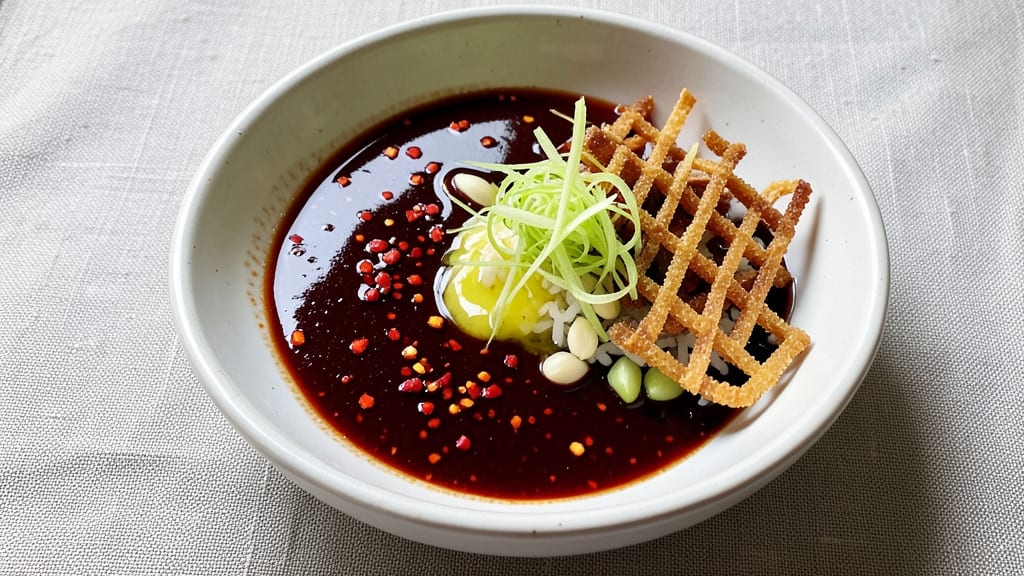
This Pf Chang's sweet chili sauce recipe delivers that signature balance of sweet, tangy, and spicy heat that makes stir-fries and spring rolls irresistible.
The secret lies in a precise blend of chili flakes, brown sugar, and rice vinegar that creates a sauce with depth and complexity—one that's smoother than store-bought but just as addictive. I've recreated it exactly as the restaurant does, ensuring every batch delivers that perfect harmony of flavors.
The beauty of this sauce is its versatility—it elevates stir-fries, dips spring rolls, and even glaze grilled meats with equal success. What sets it apart is the slow simmering process, which allows the sugar to caramelize slightly while the vinegar and garlic meld together into a cohesive, flavorful base.
No shortcuts here; this is the real deal, made with simple pantry staples and a little patience.
Once you taste this sauce, you'll never go back to bottled versions again. The sweetness is rich but not overpowering, the heat is balanced with tang, and the texture is just thick enough to cling to every bite.
It keeps beautifully in the fridge for up to two weeks, so you can make a big batch and enjoy it all week long.
For those who like it spicier, simply add extra chili flakes or a dash of cayenne. If you prefer more tang, a splash of lime juice does the trick.
The possibilities are endless, but the foundation remains the same—bold, balanced, and utterly delicious. Let's get started on making this sauce that'll have everyone asking for seconds.
Ingredients for pf chang's sweet chili sauce
Nine simple pantry staples transform into that signature restaurant sauce you crave.
| Ingredient | Amount | Notes |
|---|---|---|
| Chili Flakes 🌶️ | 3 tbsp | Adjust for preferred heat level |
| Light Brown Sugar 🍚 | ½ cup | Packed firmly for accurate measurement |
| Rice Vinegar 🍶 | ½ cup | Seasoned or unseasoned works |
| Garlic Cloves 🧄 | 4 cloves | Minced finely for smooth texture |
| Fresh Ginger 🌿 | 1 tbsp | Finely grated, not minced |
| Water 💧 | ½ cup | Room temperature preferred |
| Soy Sauce 🍜 | 2 tbsp | Light soy preferred for balance |
| Sesame Oil 🫒 | 1 tbsp | Toasted for authentic flavor |
| Cornstarch 🌾 | 1 tsp | For thickening consistency |
| Salt 🧂 | ½ tsp | Adjust to taste after simmering |
The chili flakes and brown sugar are your flavor anchors—look for smoked paprika-style flakes if you want that extra depth. Trader Joe's has great options, but any good chili powder works. Brown sugar should be packed firmly when measuring—lightly packed means less sauce. Fresh ginger is non-negotiable here; the dried stuff just won't cut it. For garlic, I always grab extra—half goes in the sauce, half gets toasted in sesame oil for garnish. The rice vinegar should smell clean and tangy—if it smells funky, toss it.
No sesame oil? Toasted peanut oil at half the amount works in a pinch, though it'll taste different. Short on brown sugar? White sugar plus a pinch of molasses mimics the caramel notes. The cornstarch is key for that perfect cling—don't skip it. For extra tang, add a splash of lime juice at the end (I keep a lime on hand just for this). Want it spicier? Add cayenne or extra chili flakes to taste. The sauce thickens as it cools, so if it's too thick while simmering, just add a splash of water.
This sauce keeps beautifully in the fridge for 2 weeks—it actually improves with time as flavors meld. For longer storage, freeze in ice cube trays; thaw what you need. I always make a double batch because it disappears fast. The sauce reheats perfectly—just warm gently on the stove with a splash of water to loosen it up. Store in a clean jar with a tight lid to keep that fresh aroma locked in.
Why You'll Love This Recipe
- Pantry Staples Only: I swear, this sauce is foolproof—no specialty ingredients, just what’s already in my cupboard. Five minutes of stirring, and boom, you’ve got that signature sweet-spicy balance without a trip to the store.
- Ginger-Garlic Magic: That fresh ginger and garlic combo? It’s the secret weapon here. The vinegar cuts through the sugar just enough to make it bright, while the chili flakes add heat that lingers—like a hug for your taste buds.
- Dip, Glaze, Repeat: Slather it on spring rolls, drizzle over grilled chicken, or use it as a marinade. I’ve even dumped it into my takeout noodles for instant upgrade. One jar handles all the chaos.
- Make-Ahead Gold: Between us, I always double the batch. It keeps for weeks in the fridge, and the flavor only gets better as the spices mellow. Perfect for lazy nights when I forget to shop—or just don’t want to.
Step-by-step instructions for Pf Chang's sweet chili sauce
Here's how to recreate that signature balance of sweet, tangy, and spicy heat at home.
Bloom the Aromatics in Sesame Oil
Heat a small saucepan over medium-low heat and add the 1 tablespoon sesame oil. Let it warm for 30 seconds until fragrant—you'll smell that nutty, toasty aroma that's the foundation of the sauce. Add the 4 cloves minced garlic cloves and 1 tablespoon finely grated fresh ginger, stirring constantly for 1 minute until the garlic turns golden and the ginger releases its bright citrusy notes.
This step is where the magic happens—don't rush it. The garlic should sizzle gently without burning, and the ginger should soften just enough to release its flavor without turning bitter. If it starts to brown too quickly, reduce the heat slightly. You're building the aromatic base that will carry through the entire sauce.
Combine Wet Ingredients and Simmer
Pour in the 0.5 cup rice vinegar, 0.5 cup light brown sugar, 2 tablespoons soy sauce, and 0.5 cup water. Stir well to combine, then bring the mixture to a gentle simmer over medium heat. Once simmering, reduce heat to low and let it cook uncovered for 8-10 minutes, stirring occasionally.
You'll notice the sugar starts to dissolve and the mixture thickens slightly as it simmers. The rice vinegar will mellow out its sharpness, and the soy sauce will deepen in flavor. This is where the sauce finds its balance—sweet from the brown sugar, tangy from the vinegar, and umami from the soy. Taste after 5 minutes to check if you need to adjust the salt later.
Add Chili Flakes and Thicken the Sauce
Sprinkle in the 3 tablespoons chili flakes and stir to distribute evenly. In a small bowl, whisk together the 1 teaspoon cornstarch with 1 tablespoon cold water until smooth. Slowly pour this slurry into the simmering sauce while stirring constantly for 2-3 minutes until it thickens to a glossy, spoonable consistency.
The chili flakes will infuse the sauce with heat, but don't worry if they don't fully dissolve—they'll add texture and visual appeal. The cornstarch slurry is what gives the sauce that perfect cling and thickness. You're looking for a sauce that coats the back of a spoon but isn't gluey. If it thickens too quickly, add 1 tablespoon water to loosen it.
Season and Finish
Remove the sauce from heat and stir in the 0.5 teaspoon salt. Taste and adjust the seasoning—you might want to add a touch more soy sauce for umami, a splash of vinegar for tang, or a pinch more sugar for sweetness. Let the sauce cool to room temperature, stirring occasionally as it thickens further.
For the best flavor, let it sit for 10-15 minutes before using. This resting time allows all the flavors to meld together. The sauce should be smooth, glossy, and perfectly balanced—sweet enough to satisfy, tangy enough to cut through rich dishes, and just spicy enough to add excitement without overpowering. Store any leftovers in an airtight container in the refrigerator for up to 1 week.
Pro Tips For Making Pf Chang'S Sweet Chili Sauce
- TOAST THE CHILI: Dry-toast the chili flakes in a small pan over medium-low heat for 30 seconds first—just until they smell fragrant. I learned this the hard way: raw chili flakes taste bitter and muddy the sauce’s sweetness. A quick toast deepens their flavor without burning.
- GRATE GINGER FINE: Use a microplane or the smallest holes on a box grater for the ginger—you want it almost paste-like, not chunky. My grandmother swore by this, and she was right: fine ginger blends smoothly and doesn’t leave gritty bits in the sauce.
- MINCE GARLIC SMALL: Chop the garlic cloves into a paste with a pinch of salt before cooking—no need to mince finely. After burning three batches, I finally figured out that paste garlic caramelizes faster and won’t clump or stick to the pan.
- SIMMER LOW AND LONG: Reduce the sauce to a thick consistency over low heat, stirring often—about 15 minutes. Sounds weird, but it works: high heat turns it grainy, and you’ll end up with a gloppy mess instead of the glossy, balanced sauce you want.
Essential equipment for perfect results
Small Saucepan
This recipe comes together in a small 2-quart saucepan—I use my Calphalon stainless steel because it heats evenly and prevents scorching. If you don’t have stainless, a heavy-bottomed enamel pan works just as well.
The saucepan should be deep enough to accommodate the simmering without boiling over, especially when adding the cornstarch slurry. 🔥
Fine-Mesh Strainer
A fine-mesh strainer is essential if you want ultra-smooth sauce—especially if your chili flakes are coarse or you prefer a refined texture. I like the OXO Good Grips because it’s sturdy and won’t clog with cornstarch residue.
Strain the sauce after simmering to remove any undissolved chili particles or garlic bits for a silky finish.
Small Whisk or Rubber Spatula
For stirring the cornstarch slurry and blending ingredients, a small whisk or heat-resistant silicone spatula is ideal. I prefer a whisk for the slurry because it creates a smooth, lump-free mixture, while a spatula helps scrape every last bit of sauce from the pan.
Avoid metal spoons—they can scratch non-stick pans or leave streaks in stainless steel.
Measuring Spoons
Precision matters here, especially with the cornstarch and salt. I recommend stainless steel measuring spoons (like KitchenAid’s) for accuracy—plastic ones can warp from heat. Measure the 1 teaspoon cornstarch and ½ teaspoon salt carefully, as these small amounts control the sauce’s thickness and balance.
A mismeasure here can throw off the entire flavor profile.
Glass Storage Jar
Once your sauce cools, transfer it to an airtight glass jar for storage—I use Le Parfait 16-ounce jars because they’re durable and keep the sauce fresh for up to 2 weeks in the fridge.
Glass preserves the sauce’s aroma better than plastic, and the wide mouth makes it easy to scoop with a spoon. Label it with the date to track freshness!
Optional: Immersion Blender
If you prefer a completely smooth sauce without straining, an immersion blender (like Ninja’s) can blend the sauce directly in the pan after simmering. Pulse for 10-15 seconds to break up any remaining particles.
This is especially helpful if you’re short on time or hate cleanup—just blend, then pour into your jar. ✨
Nutrition facts
Frequently asked questions
Can I make this sauce without cornstarch?
The cornstarch is what gives this sauce its signature cling and glossy texture, but you can substitute it with 1 tablespoon arrowroot powder or even 1/2 teaspoon xanthan gum for a similar thickening effect. For a thinner, more liquid sauce, simply omit it—just know it won't coat foods as beautifully. The sauce will still taste great but may be more watery.
How do I adjust the spice level?
Start with the 3 tablespoons chili flakes as written, but for more heat, add 1/2 teaspoon cayenne pepper or an extra 1 tablespoon chili flakes. For a milder version, reduce the chili flakes to 1-2 tablespoons and add a pinch of sugar to balance. Taste as you go—the sauce thickens as it cools, so adjustments are easier when warm.
Can I use this sauce on non-Asian dishes?
This versatile sauce works beautifully on grilled chicken, pork ribs, or even burgers for a sweet-spicy glaze. It also pairs well with French fries, tater tots, or loaded baked potatoes as a dipping sauce. The balance of sweet, tangy, and spicy makes it a crowd-pleaser for any cuisine. Just avoid pairing with overly sweet dishes like caramelized apples.
Why did my sauce turn out too thick?
If your sauce is too thick, it likely over-simmered or the cornstarch wasn't fully dissolved. Thin it with 1 tablespoon warm water at a time, stirring constantly. For future batches, remove the sauce from heat as soon as it reaches your desired consistency—it will thicken further as it cools. If it's still too thick after adding water, simmer uncovered for 1-2 minutes to evaporate excess moisture.
How can I make this sauce spicier and tangier?
For extra tang, add 1 tablespoon lime juice or an extra 1 tablespoon rice vinegar. For more heat, combine both 1/2 teaspoon cayenne pepper and 1 tablespoon extra chili flakes. Simmer these additions for 1-2 minutes to let the flavors meld. The key is balancing all three elements—sweet, tangy, and spicy—so taste as you go and adjust gradually.