
Sauces & Condiments
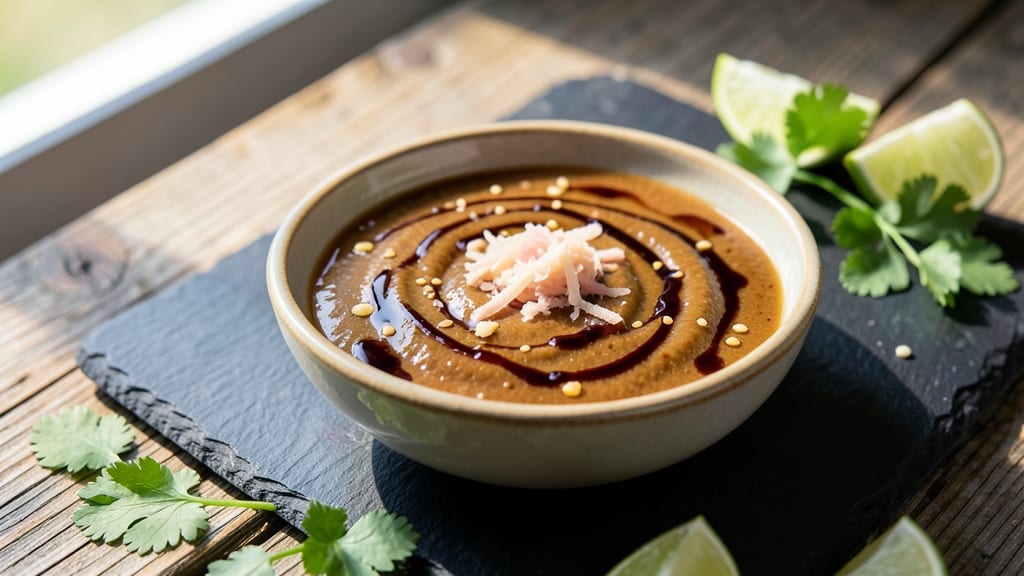
This Outback Ahi Tuna dipping sauce delivers that signature bold soy-ginger zing that pairs perfectly with seared tuna—without the restaurant price tag. The secret lies in balancing salty soy, bright citrus, and aromatic sesame oil for a sauce that's tangy, slightly sweet, and packed with umami depth.
I developed this recipe after years of perfecting the balance between restaurant-quality flavor and quick preparation.
The magic happens in the blend: high-quality soy sauce provides the salty backbone, while fresh ginger and lime juice add that signature zing. A touch of honey rounds out the flavors, creating a sauce that's complex yet simple to make.
What sets this apart is how it transforms simple seared tuna into a gourmet experience—just 5 minutes of whisking and you're ready to serve.
What you'll end up with is a glossy, vibrant sauce that clings beautifully to every bite of ahi tuna, enhancing its natural richness without overpowering it. The texture is smooth yet slightly textured from the sesame oil, adding a subtle nutty depth.
This isn't just a sauce—it's the missing piece that elevates your seafood dishes to restaurant quality.
Perfect for serving with sushi, sashimi, or grilled fish, this sauce also keeps well in the refrigerator for up to 5 days. The ingredients are simple—soy sauce, ginger, lime, honey, and sesame oil—but the flavor combination is anything but basic.
Let's make this sauce that will have everyone asking for seconds.
Ingredients for outback ahi tuna dipping sauce
Five minutes to restaurant-quality sauce—just these ingredients transform simple seared tuna.
| Ingredient | Amount | Notes |
|---|---|---|
| Low-Sodium Soy Sauce 🍶 | ½ cup | High-quality for best flavor |
| Fresh Ginger 🧄 | 2 tbsp | Finely grated, fresh preferred |
| Fresh Lime Juice 🍋 | ¼ cup | About 2-3 limes, freshly squeezed |
| Honey 🍯 | 2 tbsp | Wildflower or clover preferred |
| Sesame Oil 🫒 | 1 tbsp | Toasted sesame oil for nuttiness |
| Garlic Cloves 🧄 | 2 cloves | Minced for depth of flavor |
| Rice Vinegar 🍶 | 1 tbsp | White or seasoned vinegar |
| Sesame Seeds 🌾 | 1 tsp | Toasted for garnish (optional) |
| Red Pepper Flakes 🌶️ | ½ tsp | Adjust for heat preference |
| Water 💧 | ¼ cup | For thinning if needed |
The soy sauce is non-negotiable here—Kikkoman or La Choy are my go-tos, but any high-quality brand works. Fresh ginger is a must (dried loses its punch), and I always grab it from the Asian market section for the juiciest roots. Toasted sesame oil makes all the difference—Kadoya is my favorite, but Trader Joe's has a solid budget option. Lime juice should be freshly squeezed; bottled just won't cut it. Garlic cloves? Two fresh ones minced with a knife (no pre-minced garbage).
No fresh ginger? Dried ginger at half the amount works in a pinch, but trust me, fresh is worth it. Substitute honey with agave nectar or maple syrup if you prefer. Sesame oil missing? Avocado oil plus a pinch of ground sesame seeds mimics the texture. The rice vinegar balances the soy—skip it if you're sensitive to acidity. For heat, go lighter on the red pepper flakes; they pack a punch. Need to thin? Water or a splash of fish stock keeps the flavor intact.
This sauce keeps like a champ—up to 5 days in the fridge, sealed tight. I always make extra because it disappears fast. For serving, drizzle over seared ahi, toss with sushi, or use as a marinade. Freezes beautifully for 3 months if you want to batch prep. Garnish with toasted sesame seeds right before serving—they add that restaurant-quality crunch.
Why You'll Love This Recipe
- Five-Ingredient Magic: I swear by this combo—ginger’s zing, lime’s brightness, and honey’s sweetness cut through the umami of the soy sauce like a knife. No fancy techniques, just pulse-and-pour simplicity.
- Sesame Oil Secret: That last drizzle of sesame oil? Chef’s move. It adds this nutty, toasty depth that makes the whole sauce taste like a restaurant dish—even if I’m just stirring it in a mug.
- Game for Any Meal: Slather it on sushi, toss it with rice, or use it as a marinade for chicken. I’ve even poured it over a simple salad when I was too tired to cook. Honestly, it’s my go-to flavor booster.
- Makes Leftovers Actually Useful: This sauce keeps for a week in the fridge and only gets better as the flavors meld. I’ll make a big batch on Sundays and use it all week—no sad, wilted leftovers here.
Step-by-step instructions for Outback ahi tuna dipping sauce
This sauce comes together faster than you can say "Outback Steakhouse" - let's make it.
Grate and Mince the Fresh Ingredients
Start by grating the 2 tablespoons of fresh ginger using a fine grater or microplane. You want it as fine as possible - think almost like a paste. Next, peel and mince the 2 cloves garlic into a very fine texture. The smaller these pieces are, the better they'll blend into the sauce without any texture.
I like to use a small bowl for this step so everything stays contained. Fresh ginger and garlic are the flavor foundation, so take your time here. If you're using a microplane for the ginger, just scrape it directly into your mixing bowl - no need to transfer twice.
Whisk Together the Wet Ingredients
In a medium bowl, combine the 0.5 cup low-sodium soy sauce, 0.25 cup fresh lime juice, 2 tablespoons honey, 1 tablespoon rice vinegar, and the freshly grated ginger and minced garlic. Use a whisk to blend everything together until fully incorporated - you should see a smooth, slightly thick mixture.
The lime juice is key here - it brightens up the soy sauce and balances the sweetness of the honey. If you don't have fresh lime juice, you can substitute with bottled, but fresh is definitely preferred for that authentic tang. Let this mixture sit for about 1 minute while you prepare the remaining ingredients.
Blend in the Sesame Oil and Red Pepper Flakes
Add the 1 tablespoon sesame oil and 0.5 teaspoon red pepper flakes to the bowl. The sesame oil will give that signature nutty aroma, while the red pepper flakes add just the right amount of heat. Stir everything together again until the red pepper flakes are evenly distributed throughout the mixture.
Here's where you can adjust the heat level if needed. If you prefer a milder sauce, you can reduce the red pepper flakes to just 0.25 teaspoon. The sauce should now have a rich, aromatic smell with notes of ginger, garlic, lime, and sesame. This is your quality check - if it doesn't smell amazing right now, it won't taste amazing later.
Thin to Desired Consistency
Add the 0.25 cup water one tablespoon at a time while whisking continuously. You want the sauce to be smooth and pourable but still coat the back of a spoon. It should be thick enough to cling to your ahi tuna but thin enough to easily dip pieces into.
If you prefer a thicker sauce for dipping, you can reduce the water to just 0.125 cup. The sauce should now have a glossy appearance and be ready to serve. For the perfect texture, give it one final whisk to ensure everything is completely blended and smooth.
Garnish and Serve Immediately
Transfer the sauce to a serving bowl or small pitcher. Sprinkle the 1 teaspoon sesame seeds on top for that classic Outback touch. The sesame seeds add both visual appeal and a subtle nutty crunch that complements the smooth sauce.
This sauce is best served immediately while it's fresh and vibrant. It pairs perfectly with grilled or seared ahi tuna, but also works great with other proteins like shrimp or chicken. The flavors will mellow slightly as it sits, so enjoy it while it's at its peak - you'll want to make more after your first taste!
Pro Tips For Making Outback Ahi Tuna Dipping Sauce
- Grate Ginger Fine: I learned this the hard way—chunky ginger bits sink to the bottom and make the sauce look (and taste) uneven. Use a microplane or the smallest holes on a box grater, then press the pulp through a fine-mesh strainer. This keeps the sauce silky and lets the flavor distribute evenly.
- Warm Soy Sauce First: Cold soy sauce can make the sauce taste flat and dull. Gently heat 2 tablespoons in a small pan or microwave for 10 seconds—just enough to wake up the umami. Then mix it with the other ingredients while warm; the honey will blend smoother and the sesame oil won’t separate as easily.
- Strain the Lime Juice: Bottled lime juice is convenient, but fresh is always better—if you’re using it. Strain the juice through a fine sieve or cheesecloth to remove pulp, which can turn the sauce bitter over time. (Yes, even if you’re impatient like me, this step makes a real difference.)
- Whisk in Sesame Oil Last: Add sesame oil at the very end and whisk it in gently—it’s delicate and burns off fast. If you heat it too long or mix it early, the aroma fades and the sauce tastes harsh. A few drops at the end keep that nutty, toasty depth the Outback version is known for.
Flavor customization for these flavors
Spicy Kick Boost
Want more heat? Add 1 extra teaspoon of red pepper flakes for a medium kick or 1½ teaspoons for a fiery finish. For a smoky twist, swap ½ teaspoon of smoked paprika for half the red pepper flakes.
I love adding ½ teaspoon of gochujang for a Korean-inspired depth that pairs perfectly with ahi tuna. 🌶️
Citrus Variations
Swap lime juice for orange juice (use ¼ cup) for a sweeter, tropical profile that works well with grilled fish. For a tangier bite, try yuzu juice (if available) or even grapefruit juice—just reduce to 2 tablespoons since they're more acidic.
A splash of lemon juice (same amount) adds brightness without overpowering.
Sweetness Adjustments
Reduce the honey to 1 tablespoon if you prefer less sweetness, or increase to 3 tablespoons for a richer, more syrupy sauce. For a caramelized touch, replace half the honey with 2 teaspoons of light corn syrup and simmer the sauce for 3 minutes before adding the sesame oil.
Agave nectar works too—it’s slightly less sweet but adds a floral note.
Umami Depth
Boost umami by adding 1 teaspoon of fish sauce or ½ teaspoon of oyster sauce for a deeper, savory punch. For a vegetarian option, use 1 teaspoon of soy sauce reduction (simmer 2 tablespoons soy sauce until syrupy).
A dash of miso paste (½ teaspoon) adds complexity—just whisk it in last to avoid clumping. 💡
Texture Tweaks
For a thicker, almost glaze-like texture, reduce the water to 2 tablespoons and simmer the sauce for 5 minutes (after adding sesame oil). For a lighter, more pourable sauce, increase water to ⅓ cup and chill for 30 minutes before serving.
Toasted sesame seeds add crunch—try crushing ½ teaspoon for a finer texture in the sauce itself.
Regional Twists
For a Japanese-inspired version, replace rice vinegar with 1 tablespoon mirin and add ½ teaspoon of grated daikon for a subtle sweetness. A Thai-inspired twist swaps honey for 1 tablespoon of coconut sugar and adds ½ teaspoon of fish sauce.
For a Mexican fusion, replace sesame oil with 1 teaspoon of chili oil and garnish with cilantro instead of sesame seeds.
Nutrition facts
Frequently asked questions
Can I make this sauce without fresh ginger?
Yes, but fresh ginger gives the best flavor. If you must substitute, use 1 teaspoon of ground ginger or ½ teaspoon of ginger powder—just know it won't have the same zing. For a closer match, toast 1 teaspoon dried ginger flakes in a dry pan for 30 seconds and grind them finely before adding to the sauce. The aroma makes all the difference!
How long does this sauce keep in the fridge?
The sauce stays fresh for 5-7 days when stored in an airtight container. For best quality, use within 5 days—after that, the lime juice may cause slight separation, but it's still safe to eat. Freeze for up to 3 months by transferring to a sealed container, leaving ½-inch headspace for expansion. Thaw overnight in the fridge before using.
What's the best way to store leftover sauce?
Transfer to a small glass jar or airtight container, pressing plastic wrap directly on the sauce's surface to minimize oxidation. Store in the fridge—this prevents the sesame oil from separating. For longer storage, freeze in 1-tablespoon portions using ice cube trays. When reheating, gently warm in a saucepan over low heat while stirring constantly to restore smoothness.
Can I use this sauce for other proteins besides ahi tuna?
This sauce pairs beautifully with grilled shrimp, seared scallops, or even chicken skewers. The bold flavors complement rich proteins like salmon or halibut too. For vegetarian options, try it with crispy tofu or mushroom caps. The key is balancing the sauce's intensity with the protein's natural flavors—start with 1 tablespoon per serving and adjust to taste.
Why did my sauce separate after refrigerating?
This happens when the sesame oil and water-based ingredients separate naturally. Simply whisk vigorously or shake the container before using—it should re-emulsify completely. To prevent separation, add ½ teaspoon of xanthan gum when thinning with water. For a smoother texture, strain through a fine-mesh sieve before serving. The flavors won't be affected, just the appearance!