
Sauces & Condiments
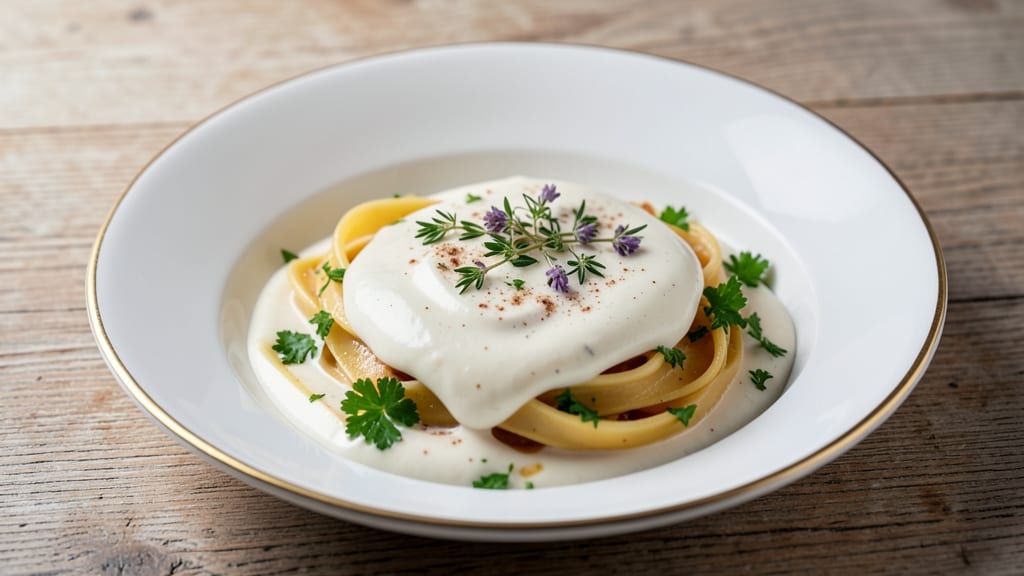
This La Siesta white sauce recipe transforms simple pantry staples into a velvety, herby masterpiece that elevates chicken, fish, and more. The secret lies in a low-and-slow roux that develops deep flavor without browning, creating a sauce so smooth it feels like a culinary whisper.
I developed this recipe after years of perfecting restaurant-style white sauces at home—no shortcuts, just technique that delivers professional results every time.
The foundation is classic: butter, flour, and milk cooked to perfection, but the magic happens in the seasoning. Fresh herbs like thyme and parsley infuse brightness, while a touch of nutmeg adds warmth without overpowering.
Unlike heavy béchamel, this version stays light yet rich, clinging beautifully to proteins and vegetables while remaining stable enough for storage. The key is patience—rushing the roux development is the fastest way to ruin an otherwise flawless sauce.
What you'll end up with is a versatile sauce that works as a blanket for roasted chicken, a dipping companion for fish, or a luxurious pasta topping. It keeps its silky texture even when reheated, making it perfect for meal prep.
The herby notes complement seafood perfectly, while the subtle creaminess balances the richness of poultry. This isn't just a sauce—it's a flavor multiplier that turns ordinary dishes into standout meals.
Best of all, this recipe scales effortlessly—double or halve the batch without sacrificing quality. Store leftovers in the fridge for up to 5 days or freeze for months. Whether you're prepping for the week or creating an elegant dinner, this white sauce delivers restaurant-quality results with minimal effort.
Let's get started on creating your perfect culinary base.
Ingredients for la siesta white sauce
Nine ingredients transform into the velvety, herby foundation for restaurant-quality dishes.
| Ingredient | Amount | Notes |
|---|---|---|
| Unsalted Butter 🧈 | ¾ cup | Cold, cut into small cubes |
| All-Purpose Flour 🌾 | ¾ cup | Diamond Crystal preferred |
| Whole Milk 🥛 | 2 cups | Whole milk for creaminess |
| Fresh Thyme Leaves 🌿 | 1 tbsp | Dried works at 1/3 amount |
| Fresh Parsley Leaves 🌿 | ½ cup | Finely chopped, stems removed |
| Ground Nutmeg 🌶️ | ¼ tsp | Freshly grated preferred |
| Granulated White Sugar 🍚 | 1 tbsp | Balances acidity |
| Salt 🧂 | ½ tsp | Diamond Crystal kosher |
| Fresh Lemon Juice 🍋 | 1 tbsp | Brightens flavor profile |
The butter and flour form the sauce's backbone, so don't skimp. European-style butter like Plugrá or President melts more smoothly, but any good-quality unsalted butter works. For the flour, Diamond Crystal is my go-to—it's lighter than most brands and creates a silkier sauce. Keep both refrigerated until ready to use, and cut the butter into small, even cubes for even melting. The milk should be cold when added to prevent curdling, and whole milk gives that luxurious richness you can't get with lower-fat versions. Fresh herbs are non-negotiable here—they're what elevate this from basic béchamel to something extraordinary.
No fresh thyme? Dried works at one-third the amount, but the flavor won't be as vibrant. Substituting parsley with cilantro gives a different but still delicious profile. Running short on butter? Olive oil at the same quantity keeps the sauce light, though it'll have a slightly different mouthfeel. The nutmeg is crucial for that warm, slightly earthy depth—if you're missing it, a pinch of cinnamon can mimic some of that complexity. For storage, keep the sauce in an airtight container with a thin layer of plastic wrap pressed directly onto the surface to prevent skin formation. The lemon juice adds brightness, but if you're sensitive to acidity, you can reduce it to just 1 teaspoon.
This sauce keeps beautifully in the fridge for 5-6 days when properly stored, and freezes for up to 3 months without losing its silky texture. I always make extra—it's perfect for reheating over chicken, drizzling on fish, or tossing with pasta. For reheating, warm gently over low heat, stirring constantly to prevent separation. If it does thicken too much, simply whisk in a splash of warm milk to restore its velvety consistency. The key to success is patience during the roux development—rushing this step is what causes most home cooks' sauces to break.
Why You'll Love This Recipe
- Here’s what sold me: this sauce actually improves the next day. The flavors meld, and the texture gets even smoother. I make a double batch on Sundays, freeze half, and still have a backup for when I burn dinner. (It happens.)
- Three-Ingredient Base: I swear by this sauce—just butter, flour, and milk. That’s it. No fancy gadgets, no measuring cups that never fit right. The roux builds itself while I chop herbs, and honestly? The milk comes to temperature faster than I can scroll through my phone.
- Herb-Packed Brightness: Between us, thyme and parsley transform this into something special. The thyme adds that earthy warmth, while the parsley cuts through with freshness—like a little green hug in every spoonful. (Yes, even on a Tuesday night.)
- Sauce for Everything: This isn’t just for chicken or fish. Drizzle it over roasted veggies, toss it with pasta, or slather it on grilled sandwiches. My kids ask for it on mac and cheese—no joke. It’s the kind of sauce that makes you want to label jars just to reuse it.
Step-by-step instructions for La Siesta white sauce
This velvety white sauce transforms ordinary dishes into something extraordinary—let's make it.
Create the Roux for a Silky Foundation
In a medium saucepan over medium heat, add the 0.75 cup unsalted butter cut into small cubes. Let it melt completely, then immediately whisk in the 0.75 cup all-purpose flour all at once. You want to avoid lumps, so stir vigorously for 1-2 minutes until the mixture turns a pale golden color and smells nutty.
This roux is the backbone of your sauce—don't rush it. The flour should cook out completely, leaving no raw flour taste. If it starts to darken too quickly, reduce the heat slightly. Once it reaches that perfect pale golden hue, you're ready for the next step. This ensures your sauce will be silky smooth, not grainy.
Whisk in Milk Gradually for a Creamy Texture
Begin pouring in the 2 cups whole milk very slowly, whisking constantly to prevent lumps from forming. After adding about half the milk, increase the heat to medium-low and continue whisking until the mixture thickens slightly. If it looks too thick, add a splash more milk—you want a smooth, velvety consistency.
This gradual addition prevents curdling and ensures an even texture. Keep whisking for 5-7 minutes until the sauce thickens enough to coat the back of a spoon. You're aiming for a consistency that's thick but still pourable—like heavy cream. If it gets too thick too soon, you can thin it later with a bit more milk.
Infuse with Herbs and Seasonings
Reduce the heat to low and stir in the 1 tbsp fresh thyme leaves, 0.5 cup fresh parsley leaves, 0.25 tsp ground nutmeg, 1 tbsp granulated white sugar, and 0.5 tsp salt. Let the sauce simmer gently for 3-4 minutes, stirring occasionally, to allow the flavors to meld together. The herbs will release their aromatic oils, giving your sauce that signature herby brightness.
Here's where the magic happens—the thyme and parsley add depth, the nutmeg brings warmth, and the sugar balances any acidity. Taste the sauce and adjust the seasoning if needed. The parsley should be finely chopped, so it blends seamlessly without any texture issues. If you're using dried herbs, remember they're more concentrated—reduce the amount by a third.
Finish with Lemon Juice for Freshness
Remove the sauce from heat and stir in the 1 tbsp fresh lemon juice. This final step brightens the entire sauce, cutting through the richness and adding a refreshing zing. Let the sauce sit off the heat for 2-3 minutes to fully incorporate the lemon juice. The sauce should now have a beautiful, glossy finish and a harmonious balance of flavors.
This lemon juice is non-negotiable—it's what transforms a basic white sauce into something truly special. If you're using this sauce for seafood, the acidity helps balance any fishy notes, while for chicken, it adds a touch of brightness that elevates the dish. Serve immediately over your favorite protein or vegetables, and enjoy the velvety, herby goodness that makes this sauce so irresistible.
Pro Tips For Making La Siesta White Sauce
- Whisk Like You Mean It: The second your butter hits the pan, start whisking—no waiting. I used to let the butter melt first, and the flour would clump like a stubborn child. Keep that whisk moving to break up any lumps immediately, or you’ll be scraping them out later. High heat here is your friend, but don’t let it burn.
- Toast the Flour, Not the Butter: Let the butter foam and sizzle for 30 seconds before adding flour—just until it smells nutty. I learned this the hard way: rushing the roux turns it sandy, and no amount of milk fixes that. Cook the flour for 1-2 minutes until it’s a pale golden paste, then slow down the milk addition.
- Strain the Milk First: Whole milk from the fridge has fat that separates when heated. Pour it through a fine-mesh strainer into your measuring cup before adding to the roux—no skim milk, no lumps. (Yes, even if you’re in a hurry—this takes 10 seconds and saves 20 minutes of fixing.)
- Herb at the End: Toss thyme and parsley in after the sauce is off heat. If you add them during cooking, they’ll turn to mush and bleed bitterness. Instead, stir in a tablespoon of cold milk first to bloom their flavor, then fold in the herbs—bright, fresh, and intact. (Your future self will notice the difference.)
Creative variations of this recipe
Herb-Infused Variations
Swap the thyme and parsley for 1 tbsp fresh dill and 1 tbsp fresh chives to create a bright, citrusy variation perfect for seafood. The dill adds a fresh, slightly bitter note that pairs beautifully with lemon, while chives bring delicate onion-like sweetness.
For a Mediterranean twist, add ½ tsp dried oregano and ¼ tsp red pepper flakes—this version works wonderfully with grilled vegetables or roasted lamb. 🌿
Cheesy Twist
Stir in ½ cup shredded Gruyère or Parmigiano-Reggiano during the final 3 minutes of simmering for a richer, more decadent sauce. The cheese melts into a velvety texture that adds depth without overpowering the herbs.
For extra creaminess, whisk in ¼ cup heavy cream at the end. This version is ideal for pasta dishes or as a dipping sauce for crusty bread. ✨
Spicy Kick
Add ½ tsp smoked paprika and ¼ tsp cayenne pepper during the seasoning step for a smoky, slightly spicy variation. The heat balances the richness beautifully, making it perfect for bold flavors like chicken thighs or hearty vegetables.
For a milder heat, reduce the cayenne to ⅛ tsp or swap it for ½ tsp chipotle powder for a deeper, smoky warmth. 🌶️
Creamy Garlic Version
Sauté 2 minced garlic cloves in the butter before adding flour to infuse the roux with garlic flavor. For extra richness, whisk in 2 tbsp crème fraîche or sour cream at the end.
This version is perfect for roasted chicken or as a luxurious topping for mashed potatoes. The garlic adds a subtle sweetness that complements the herby notes beautifully. 🧄
Lighter Olive Oil Base
Replace the butter with ¾ cup extra-virgin olive oil for a lighter, Mediterranean-inspired sauce. Use whole milk or unsweetened almond milk for a dairy-free option. This version is ideal for vegetable dishes or as a light drizzle over grilled fish.
The olive oil adds a fruity depth that pairs wonderfully with the lemon juice and herbs. 🫒
Sweet & Tangy Glaze
Increase the sugar to 2 tbsp and add 1 tsp Dijon mustard during the seasoning step for a sweet-tangy glaze. This version works beautifully as a drizzle for roasted carrots, Brussels sprouts, or even grilled pork chops.
The mustard adds a subtle complexity that enhances the sweetness and balances the acidity of the lemon. 🍯
Nutrition facts
Frequently asked questions
Can I make this white sauce without fresh herbs?
Yes, but reduce the amount by one-third—so use ⅓ tbsp dried thyme and ⅓ cup dried parsley. For best results, toast the dried herbs in a dry pan for 30 seconds to enhance their flavor before adding. The fresh herbs give the sauce its signature brightness, but dried works in a pinch.
How do I fix a lumpy white sauce?
Immediately remove the pan from heat and vigorously whisk in 1-2 tbsp cold milk to break up lumps. Then return to low heat and stir constantly until smooth. For stubborn lumps, blend the sauce briefly with an immersion blender. The key is acting fast—don't let the sauce overcook once lumps appear.
Can I use half-and-half instead of whole milk?
Yes, but your sauce will be slightly richer and less stable when reheated. For best texture, stick with whole milk. If you prefer half-and-half, reduce the butter to ½ cup to maintain balance. The sauce will still be delicious but may separate more easily when stored.
What's the best way to store leftovers?
Cool the sauce completely, then transfer to an airtight container. Press plastic wrap directly onto the surface to prevent skin formation. It keeps in the fridge for 5-6 days or freezes for 3 months. To reheat, warm over low heat while stirring constantly—never microwave directly from frozen.
Why does my sauce taste bland?
Most likely, you rushed the roux development or skipped the lemon juice. Let the roux cook until nutty-smelling (2-3 minutes), and always finish with the 1 tbsp lemon juice—it brightens all the flavors. If needed, add a pinch more salt or a tiny extra pinch of nutmeg. The herbs should be finely chopped for maximum flavor infusion.