
Sauces & Condiments
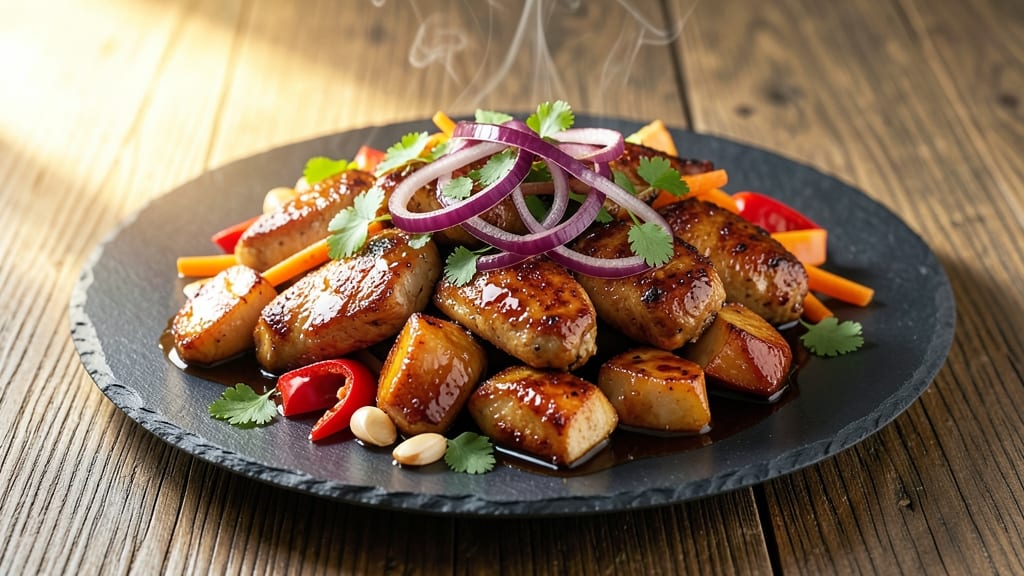
This Kikkoman teriyaki sauce stir fry delivers restaurant-quality flavor with a glossy glaze that clings to every ingredient. The secret lies in balancing sweet, savory, and umami notes through proper sauce reduction and high-heat cooking techniques.
I developed this recipe after years of testing—each element must work together to create that signature teriyaki shine and depth.
The foundation begins with a proper sauce reduction—simmering Kikkoman teriyaki sauce until it thickens into a glossy consistency that caramelizes slightly. This concentrated flavor becomes the binding agent for tender protein and crisp-tender vegetables.
The key is cooking proteins separately to maintain texture before combining everything in the final stir-fry stage.
What you'll achieve is a dish where each bite delivers perfectly balanced flavors—sweet from the teriyaki, savory from the sauce reduction, and umami depth from properly cooked ingredients. The glossy glaze creates that coveted restaurant-quality finish while keeping vegetables crisp and proteins tender.
This stir-fry works beautifully as a complete meal with steamed rice or noodles, or as a protein-packed side dish. The recipe scales effortlessly for weeknight dinners or meal prep. Let's create this flavorful dish step by step.
Ingredients for kikkoman teriyaki sauce stir fry
Restaurant-quality teriyaki shine starts with these precise ingredients and proper sauce reduction.
| Ingredient | Amount | Notes |
|---|---|---|
| Kikkoman Teriyaki Sauce 🍶 | ¾ cup | High-quality, reduced for glossy texture |
| Boneless Chicken Thighs 🍗 | 1 ½ lb | Skin-on preferred for flavor |
| Medium Bell Peppers 🌶️ | 2 whole | Red, yellow, or green |
| Carrots 🥕 | 3 medium | Julienned for even cooking |
| Yellow Onion 🧅 | 1 large | Thinly sliced for quick cooking |
| Fresh Garlic Cloves 🧄 | 4 cloves | Minced for aromatic depth |
| Fresh Ginger 🌿 | 1 inch | Peeled, grated for zesty kick |
| Sesame Oil 🫒 | 1 tbsp | Toasted for nutty aroma |
| Vegetable Oil 🫒 | 2 tbsp | High smoke point for stir-frying |
| Soy Sauce 🍶 | 1 tbsp | For additional umami depth |
| Honey 🍯 | 1 tbsp | Enhances teriyaki sweetness |
| White Rice 🍚 | 2 cups | Uncooked, for serving |
| Sesame Seeds 🌾 | 1 tsp | Toasted for garnish |
| Diamond Crystal Kosher Salt 🧂 | 1 tsp | For seasoning proteins |
| Ground Black Pepper 🌶️ | ½ tsp | Freshly ground for flavor |
The Kikkoman teriyaki sauce is the foundation—grab the original bottle from Asian markets or major grocery stores for authentic flavor. Chicken thighs (skin-on preferred) deliver juiciness and richness that boneless breasts can't match. Trader Joe's often carries pre-cut stir-fry vegetables, but fresh is better—look for vibrant bell peppers and firm carrots. The ginger should be fresh, not powdered, and the garlic cloves should be plump with no sprouts. Sesame oil is non-negotiable for that signature aroma, so avoid the cheap versions—look for 100% pure sesame oil at Whole Foods or Penzeys Spices.
No sesame oil? Toasted peanut oil at half the amount works in a pinch, though it lacks the authentic flavor. Substituting chicken with firm tofu or shrimp requires adjusting cooking times—protein cooks faster than vegetables. The honey can be swapped for maple syrup or agave, but reduce to 0.75 tbsp to maintain balance. For extra umami depth, add 1 tsp fish sauce (ensure it's vegetarian-friendly if needed). The carrots and bell peppers should be cut into even 1/4-inch strips for consistent cooking—use a mandoline for precision if you're ambitious.
Store uncooked proteins and vegetables separately in airtight containers for up to 3 days. The teriyaki sauce keeps for 6 months unopened in the pantry, but once opened, refrigerate and use within 3 months. Cooked stir-fry reheats beautifully—steam or microwave with a splash of water to restore moisture. For meal prep, portion into containers with steamed rice to maintain texture. The dish freezes well for 2 months, though the vegetables may soften slightly—best served fresh when possible.
Why You'll Love This Recipe
- One-Pan Magic: I swear by this recipe when I’m too tired to scrub pots—just toss the chicken, veggies, and sauce in one skillet, let it caramelize, and boom. The onions turn sweet and glossy while the peppers blister just enough for that smoky crunch. (Yes, even on a Tuesday night.)
- Sauce That Sticks: That Kikkoman teriyaki isn’t just flavor—it’s the star. The moment the chicken hits the pan, the sauce clings like glue, creating this perfect balance of sticky-sweet and umami-rich glaze. Honestly, I’ve tried other stir-fry sauces, but this one? It’s the only one my picky husband won’t complain about.
- Lunchbox Hero: Between us, this is my meal-prep lifesaver. The flavors only get better after a day in the fridge, and the veggies hold up perfectly—no soggy carrots here. I pack it in bento boxes for work, and my kids actually ask for leftovers. (Not the prettiest, but the taste makes up for it.)
- Budget-Friendly Powerhouse: Chicken thighs are forgiving and cheap, and the veggies stretch across multiple meals. I’ll often double the batch, freeze half, and pull it out for lazy nights or unexpected company. Feeds a crowd for under $15, and it’s still the dish everyone reaches for. My secret weapon.
Step-by-step instructions for Kikkoman teriyaki stir fry
Master this technique for restaurant-quality teriyaki glaze that clings perfectly to every ingredient.
Prepare the Chicken and Vegetables
Begin by cutting the 1.5 lb boneless chicken thighs into 1-inch cubes—this size ensures even cooking and maximum surface area for the teriyaki glaze. Pat them dry with paper towels and season generously with 1 tsp Diamond Crystal kosher salt and 0.5 tsp ground black pepper. Set aside while you prep the vegetables.
Cut the 2 whole medium bell peppers into ½-inch strips, the 3 medium carrots into ¼-inch thick matchsticks, and the 1 large yellow onion into ¼-inch half-moons. Peel and grate the 1-inch fresh ginger using a microplane for maximum surface area and zesty flavor. Mince the 4 cloves fresh garlic finely—this ensures they dissolve into the sauce rather than remain as distinct pieces.
Cook the Chicken Until Fully Done
Heat 2 tbsp vegetable oil in a large wok or skillet over medium-high heat until shimmering. Add the seasoned chicken in a single layer and cook undisturbed for 4-5 minutes until the bottoms develop a golden crust. Flip and cook another 3-4 minutes until the chicken reaches 165°F internally. Remove the chicken and set aside on a plate.
Real talk: Don't overcrowd the pan or the chicken will steam instead of sear. If you have too many pieces, work in batches—this ensures crispy edges and juicy interiors. The chicken should be opaque and no longer pink in the center when done.
Stir-Fry the Vegetables with Aromatics
In the same wok, add 1 tbsp sesame oil and swirl to coat the pan. Add the prepared vegetables in this order: onions, carrots, and bell peppers. Stir-fry for 3-4 minutes until the onions soften slightly but still retain their shape. Add the minced garlic and grated ginger, cooking for 30 seconds until fragrant—this is where the magic happens.
Here's the thing—high heat is crucial. If the vegetables start to stick, reduce heat slightly and add 1 tbsp water to deglaze. The vegetables should be crisp-tender with just a slight bite, not mushy. This step should take about 5 minutes total from when you add the first vegetables.
Create the Glossy Teriyaki Sauce
Return the cooked chicken to the wok and pour in the 0.75 cup Kikkoman teriyaki sauce, 1 tbsp soy sauce, and 1 tbsp honey. Stir everything together and bring to a gentle simmer over medium heat. Let it cook for 2-3 minutes until the sauce thickens slightly and begins to coat the chicken and vegetables evenly.
For that signature glossy finish, I like to add 1 tsp toasted sesame seeds and 1 tbsp sesame oil at the end. The sesame oil adds depth of flavor while the seeds provide texture contrast. Taste and adjust seasoning—you might need a pinch more salt if your teriyaki sauce is particularly mild.
Serve Over Steamed Rice
While the stir-fry finishes, cook the 2 cups white rice according to package instructions until tender and fluffy. Transfer the teriyaki stir-fry to a serving platter and spoon over the rice. Garnish with additional sesame seeds and a drizzle of sesame oil for extra visual appeal.
This dish tastes best served immediately while the chicken is still juicy and the sauce is glossy. The rice should be hot, the vegetables crisp-tender, and the chicken perfectly coated in that sticky-sweet teriyaki glaze. Each bite delivers a perfect balance of umami, sweetness, and texture.
Pro Tips For Making Kikkoman Teriyaki Sauce Stir Fry
- CUT CHICKEN IN HALF: Thighs stay juicier when sliced against the grain into 1-inch chunks—no need for perfect uniformity. I used to panic about even cuts, but this recipe doesn’t care about presentation, just flavor and texture. (Yes, even if you’re impatient like me.)
- SWEAT ONIONS FIRST: Cook the diced yellow onion in oil over medium heat until it’s translucent and just starting to caramelize—about 5 minutes. This builds flavor before the chicken hits the pan, and skipping it means your sauce tastes flat. (Your future self will notice.)
- DON’T OVERMIX THE SAUCE: Once you add the teriyaki sauce, let the chicken and veggies sear for 30 seconds before stirring—this creates a quick crust. Then toss gently to coat, but resist the urge to smother everything. Overmixing turns the sauce into a glaze and leaves dry spots. (I learned this the hard way with mushy bell peppers.)
- USE FROZEN VEGGIES FOR CRISP: Toss in frozen bell peppers and carrots with the chicken—they’ll thaw fast and stay crisp-tender while the chicken finishes. No prep, no soggy veggies, and they absorb the sauce just as well. (Sounds weird, but it works, especially when you’re skipping the grocery store.)
Pro cooking tips for kikkoman teriyaki sauce stir fry
Sauce Reduction Mastery
Don’t just pour Kikkoman teriyaki sauce straight from the bottle—reduce it first for that signature glossy finish. Simmer 0.75 cup teriyaki sauce with 1 tbsp soy sauce and 1 tbsp honey over medium heat for 3-4 minutes until it thickens slightly.
This concentrated sauce clings beautifully to the chicken and vegetables, creating that restaurant-quality shine. 🔥
High-Heat Cooking Secrets
Use a wok or cast-iron skillet for maximum heat distribution—this is non-negotiable for proper stir-frying. Heat your oil until it shimmers, then work in batches if needed to avoid overcrowding.
The chicken should sear for 4-5 minutes per side to develop crispy edges, while vegetables cook in 3-4 minutes total. High heat ensures crisp-tender veggies and juicy protein.
Protein Pre-Cooking
Cook the chicken completely before adding vegetables—this prevents overcooking when everything goes back in the pan. Remove chicken at 165°F internal temperature (about 8-9 minutes total for thighs) and set aside.
This two-step process guarantees perfectly cooked protein without sacrificing texture. Trust me, this is where many home cooks go wrong!
Vegetable Order Matters
Add onions first (they take longest), followed by carrots and bell peppers. Toss in garlic and ginger last—they cook in just 30 seconds and should sizzle aromatically. This sequential cooking prevents mushy vegetables while maximizing flavor extraction.
A 1 tbsp splash of water can deglaze the pan if needed, but aim to keep everything crisp.
Sesame Oil Finishing
Toast 1 tsp sesame seeds in a dry pan for 30 seconds until fragrant, then sprinkle over the finished stir-fry. Drizzle with 1 tbsp sesame oil at the very end—this adds nutty depth and that authentic teriyaki aroma.
The oil should coat the dish lightly, not pool at the bottom. This final touch elevates the dish from good to exceptional.
Rice Pairing Pro Tip
Cook 2 cups white rice while the stir-fry finishes—it should be hot and fluffy when serving. The rice acts as a neutral base that lets the teriyaki flavors shine.
For extra flair, drizzle a tiny bit of sesame oil over the rice before plating. This simple step makes the dish feel like a complete, restaurant-worthy meal. ✨
Nutrition facts
Frequently asked questions
Can I substitute chicken with another protein?
For tofu, use 14 oz firm tofu pressed and cubed—cook it for just 2-3 minutes per side until golden. Shrimp cooks in 2 minutes total and adds a delicate sweetness. Beef like flank steak works well too, but slice it thinly (¼-inch thick) and marinate for 30 minutes first. The key is adjusting cooking times to prevent overcooking when combined with vegetables.
Why does my teriyaki sauce get watery?
Watery sauce usually means insufficient reduction. Always simmer 0.75 cup teriyaki sauce with 1 tbsp soy sauce and 1 tbsp honey for 3-4 minutes until slightly thickened. If it's still thin, cook another 1-2 minutes uncovered. For extra thickness, add ½ tsp cornstarch mixed with 1 tsp water and stir in at the end. High heat and uncovered simmering are critical!
How do I make this gluten-free?
Replace Kikkoman teriyaki sauce with a gluten-free tamari or coconut aminos version (like San-J brand). Use 1 tbsp gluten-free soy sauce instead of regular soy sauce. For extra umami, add 1 tsp gluten-free fish sauce (ensure it's certified gluten-free) or ½ tsp nutritional yeast. All other ingredients are naturally gluten-free, but always check labels on sesame oil and rice.
Can I prep this ahead of time?
Yes! Prep all ingredients 1 day ahead—cut proteins and vegetables, store separately in airtight containers. Cook the chicken 1 day before and refrigerate. Reheat gently in a skillet with 1 tsp sesame oil over medium heat for 2-3 minutes. Vegetables should be stir-fried fresh for best texture, but you can blanch them 30 seconds ahead and store in cold water to maintain crispness. Assemble everything just before serving.
What's the best way to store leftovers?
Transfer leftovers to an airtight container and refrigerate for up to 4 days. For best texture, reheat in a skillet with 1 tsp sesame oil over medium heat for 3-4 minutes, adding 1 tbsp water to restore moisture. For freezing, portion into single-serving containers and freeze for up to 2 months. Thaw overnight in the fridge—microwaving can make vegetables soggy. Add fresh sesame seeds and oil when reheating for freshness.