
Sauces & Condiments
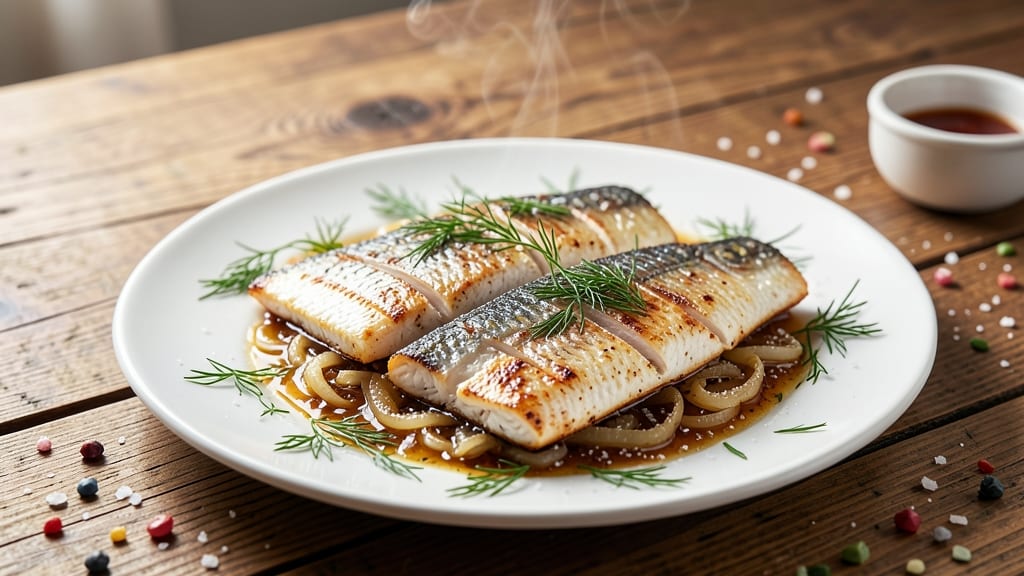
This herring in wine sauce recipe transforms simple ingredients into a dish that balances rich, tangy flavors with surprising depth. The secret lies in marinating the herring properly—just 30 minutes in a mix of vinegar and sugar softens the flesh while building complex flavor.
What makes this recipe special is the wine reduction, where shallots, white wine, and herbs meld into a glossy, aromatic sauce that clings perfectly to the fish.
The result is a dish that’s elegant yet approachable, with tender herring fillets bathed in a sauce that’s both vibrant and velvety. The acidity from the vinegar and wine cuts through the richness, creating a harmonious contrast that’s impossible to resist.
This recipe delivers restaurant-quality results without requiring advanced techniques—just patience and attention to detail.
Serve the herring over buttered noodles, with crusty bread to soak up the sauce, or alongside roasted vegetables for a complete meal.
The presentation is just as important as the flavor: arrange the fillets neatly on a platter, drizzle with extra sauce, and garnish with fresh herbs for a dish that feels both traditional and refined.
Perfect for weeknight dinners or special occasions, this herring in wine sauce recipe proves that bold flavors can be both impressive and simple to prepare.
The key is letting the sauce reduce slowly, allowing the wine to deepen and the shallots to caramelize just enough to add sweetness without overpowering the delicate fish.
Ingredients for herring in wine sauce
Rich herring fillets and aromatic wine sauce come together with just 14 simple ingredients.
| Ingredient | Amount | Notes |
|---|---|---|
| Fresh Herring Fillets 🐟 | 4 pieces | Skin-on, boneless, 4-6 oz each |
| Dry White Wine 🍷 | 1 cup | Sauvignon Blanc or Pinot Grigio |
| Shallots 🧅 | 4 whole | Minced, about 0.25 cup |
| White Wine Vinegar 💧 | ¼ cup | Distilled white vinegar preferred |
| Granulated Sugar 🍚 | 2 tbsp | For marinade sweetness |
| Fresh Dill 🌿 | ¼ cup | Chopped, stems removed |
| Fresh Parsley 🌿 | ⅛ cup | Chopped, for garnish |
| Garlic Cloves 🧄 | 2 cloves | Minced, for sauce depth |
| Unsalted Butter 🧈 | 2 tbsp | Full-fat for richness |
| Heavy Cream 🥛 | ¼ cup | For sauce silkiness |
| Salt 🧂 | 1 ½ tsp | Kosher or sea salt |
| Black Pepper 🌶️ | ½ tsp | Freshly ground |
| Lemon Juice 🍋 | 1 tbsp | Freshly squeezed |
| Olive Oil 🫒 | 1 tbsp | For sautéing shallots |
The herring is the star—look for fresh, skin-on fillets at specialty seafood markets or well-stocked grocery stores like Whole Foods or Trader Joe's. If the fillets are frozen, thaw them overnight in the fridge for best texture. Sauvignon Blanc or Pinot Grigio work best for the wine sauce—avoid oaked whites, as they can overpower the delicate fish. For the shallots, organic or heirloom varieties add subtle sweetness, but regular grocery store shallots work perfectly fine. The key is mincing them finely so they dissolve into the sauce rather than remaining distinct pieces.
No white wine? Dry vermouth or even apple cider can substitute in a pinch, though the flavor will differ slightly. Fresh herbs are ideal, but dried dill at one-third the amount works if you're in a bind. The sugar in the marinade is crucial—it tenderizes the herring while balancing the acidity. Brown sugar can replace granulated, but it may slightly alter the sauce's clarity. For the butter, European-style unsalted melts more smoothly than American brands. If you're watching fat content, half-and-half can replace the heavy cream, though the sauce will be slightly lighter.
Marinate the herring for no longer than 30 minutes—over-marinating can make the flesh mushy. The wine sauce keeps well in the fridge for 3-4 days when stored in an airtight container, though the herring should be added fresh when reheating. For make-ahead convenience, prepare the sauce separately and store it in the fridge; reheat gently before adding the herring. The dish reheats beautifully—just warm through on low heat with a splash of water or wine to maintain the sauce's glossy texture.
Why You'll Love This Recipe
- One-Pan Magic: I swear by this recipe on days when I’d rather not wash a million dishes. The herring sizzles in the same pan where the shallots caramelize—no extra pots, no stress. Just a quick deglaze with wine, a splash of vinegar, and suddenly, dinner’s ready before the kids even notice I’m cooking.
- Wine’s Secret Weapon: That first sip of the sauce is what sells me every time. The white wine cuts through the richness of the herring while the sugar and vinegar balance it into something bright and tangy. It’s not fishy—it’s elegant, like a fancy bistro dish that somehow still feels like home.
- Budget Bistro Vibes: Fresh herring might sound fancy, but it’s a steal compared to steak or salmon. A single fillet feeds two, and the wine and vinegar stretch the flavor without breaking the bank. Honestly, it’s my go-to when I want to feel fancy without the grocery bill screaming at me.
Step-by-step instructions for herring in wine sauce
This method delivers a perfectly balanced sauce where wine's acidity meets herring's richness.
Prepare the Herring Fillets
Pat the 4 pieces of fresh herring fillets dry with paper towels to remove any surface moisture. This crucial step prevents the skin from sticking and ensures a proper sear. Using a sharp knife, make 2-3 shallow diagonal cuts on the skin side of each fillet—this allows the marinade to penetrate deeper and creates a more tender texture.
Place the fillets in a shallow dish and season both sides generously with the 1.5 teaspoons of salt and 0.5 teaspoon of black pepper. I like to press the salt into the flesh gently so it adheres well. Let them sit at room temperature for 10 minutes while you prepare the marinade—this brief resting period helps the seasoning penetrate slightly before cooking.
Create the Marinade and Sear the Herring
In a small bowl, whisk together the 1 cup of dry white wine, 0.25 cup of white wine vinegar, 2 tablespoons of granulated sugar, 1 tablespoon of lemon juice, and the 2 minced garlic cloves. This marinade creates the perfect balance of acidity, sweetness, and depth. Pour half of this mixture (about 1.5 cups) into the dish with the herring fillets and turn them to coat evenly on both sides.
Heat a large skillet over medium-high heat and add the 1 tablespoon of olive oil. Once the oil is shimmering, add the herring fillets skin-side down. Cook for 2-3 minutes until the skin becomes crispy and golden brown—this is your signal that the fish is ready to flip. Carefully turn each fillet and cook for another 1-2 minutes until the flesh is just opaque throughout. Remove the fillets and set aside on a warm plate.
Build the Wine Sauce Base
In the same skillet (no need to clean it—the browned bits add flavor), reduce the heat to medium and add the 2 tablespoons of unsalted butter. Let it melt completely, then add the remaining marinade from the bowl. Scrape up any browned bits from the bottom of the pan with a wooden spoon—these contain concentrated flavor that will make your sauce extraordinary.
Bring the mixture to a gentle simmer and cook for 5-6 minutes until it reduces by about one-third and thickens slightly. You're looking for a sauce that coats the back of a spoon but isn't syrupy. If it reduces too quickly, add 1-2 tablespoons of water to maintain the right consistency. The sauce should smell rich and complex—wine, vinegar, and garlic working together.
Finish the Sauce and Combine
Remove the skillet from heat and stir in the 0.25 cup of heavy cream. The cream will immediately begin to thicken the sauce and add a luxurious texture. Return the skillet to low heat and gently stir in the 0.25 cup of chopped fresh dill and the 0.125 cup of chopped fresh parsley. These herbs will brighten the sauce and add freshness to balance the richness.
Carefully return the herring fillets to the skillet and spoon the sauce over them, coating them completely. Let everything heat through for 1-2 minutes, then transfer the fillets and sauce to a serving platter. Garnish with additional chopped parsley if desired. The sauce should cling beautifully to the herring, creating a harmonious blend of wine, herbs, and fish.
Pro Tips For Making Herring In Wine Sauce
- Sear Herring First: Hit the fillets with a quick sear in a dry pan before adding wine—just 30 seconds per side until golden. I learned this the hard way: skipping this step makes the sauce taste like it’s missing something, even when the wine’s good. The crust locks in flavor and keeps the fish from turning to mush in the sauce.
- Sweat Shallots Low: Cook those shallots on actual low heat until they’re translucent and just starting to caramelize—about 8-10 minutes. Rushing this turns them bitter, and bitter shallots ruin the bright acidity of the wine vinegar. Use a splash of wine to deglaze halfway if they stick; it’s not cheating, it’s insurance.
- Balance Vinegar Early: Taste the sauce before adding all the sugar—white wine vinegar can sneak up on you. If it’s too sharp, a pinch of sugar now fixes it; if you dump it all in at once, you’ll end up with syrup. I was skeptical until I tried it: the sauce stays tangy without turning cloying.
- Simmer, Don’t Boil: Keep the sauce at a gentle simmer after adding the wine—tiny bubbles, not rolling. Boiling reduces the wine too fast and concentrates the alcohol taste. If it’s too aggressive, pull the pan off the heat for 10 seconds and restart. Your future self will notice the difference in depth of flavor.
Common mistakes when making this dish
Over-Marinating
The herring marinates for only 30 minutes—any longer and the flesh becomes mushy, losing its delicate texture. I once left mine in for 2 hours by accident, and the result was sad, watery fish.
The acid in the wine vinegar breaks down proteins too aggressively over time, so stick to the 30-minute window for perfect tenderness. 🐟
Skipping the Sear
Skipping the skin-sear is a huge mistake—the crispy skin adds essential texture contrast. I learned this the hard way when I rushed and poached the herring instead. The skin stayed rubbery and the sauce couldn't cling properly.
Always cook the skin-side down until it's golden brown (2-3 minutes) before flipping. This step makes all the difference in the final dish.
Rushing the Sauce Reduction
Pushing the sauce to reduce too quickly leads to a thick, gluey mess rather than a glossy, velvety sauce. I once boiled it aggressively and ended up with a chunky, unappetizing consistency.
Keep the heat at medium-low and let it simmer gently for 5-6 minutes. If it reduces too fast, add 1-2 tablespoons of water to maintain the perfect balance.
Using Low-Quality Wine
Cheap wine makes cheap sauce—trust me, I've tried it. The flavors in $5 grocery store wine just don't have the complexity needed to complement herring. Stick with Sauvignon Blanc or Pinot Grigio for their crisp acidity and bright fruit notes.
If you must substitute, dry vermouth works in a pinch, but the flavor profile will differ noticeably.
Overcrowding the Pan
Adding too many herring fillets at once causes steaming instead of searing, leading to soggy fish. I once tried cooking all four fillets simultaneously and ended up with a watery mess.
Cook the fillets in one layer with space between them. If needed, work in batches—your patience will pay off with perfectly seared skin and tender flesh. 🔥
Ignoring the Resting Time
Transferring the herring to a plate too soon after cooking can cause it to break apart when you add the sauce. Always let the fillets rest for 1-2 minutes after searing to allow the flesh to set slightly.
This brief rest ensures they hold together beautifully when coated in the sauce, maintaining their elegant presentation.
Nutrition facts
Frequently asked questions
Can I substitute another type of fish for herring?
While herring works beautifully, you can use similar mild white fish like cod, haddock, or pollock in a pinch. Avoid stronger-flavored fish like salmon or tuna—they'll overpower the delicate wine sauce. The fillets should be about the same thickness (1/2-inch) for even cooking.
How do I know when the wine sauce is ready?
The sauce is perfect when it coats the back of a spoon but still has a glossy sheen—not syrupy. It should reduce by about one-third and smell rich with wine, vinegar, and garlic aromas. If it's too thick, add 1 tablespoon of water or wine to loosen it. The sauce should take about 5-6 minutes of gentle simmering.
Can I make this recipe ahead of time?
Yes! Prepare the sauce up to 3 days ahead and store it in an airtight container in the fridge. When ready to serve, reheat gently and add fresh herring fillets cooked to order. The sauce reheats beautifully—just warm it on low heat with a splash of water or wine to maintain its texture. Never add the cream until reheating to prevent curdling.
What's the best way to serve this dish?
This elegant dish pairs perfectly with buttered egg noodles, crusty sourdough bread, or steamed asparagus. For a complete meal, serve over wild rice or with roasted potatoes. Garnish with extra fresh dill and a drizzle of sauce for restaurant-worthy presentation. The crisp acidity of the wine sauce also makes it a great match for sparkling water or a crisp Sauvignon Blanc.
Why does my sauce taste bitter?
Bitterness usually comes from over-reducing the sauce or using low-quality wine. Keep the heat at medium-low and never let it boil. If you used a cheaper wine, try adding 1 teaspoon of sugar or a splash of lemon juice to balance the flavors. For future batches, always use Sauvignon Blanc or Pinot Grigio—their bright acidity prevents bitterness.