
Sauces & Condiments
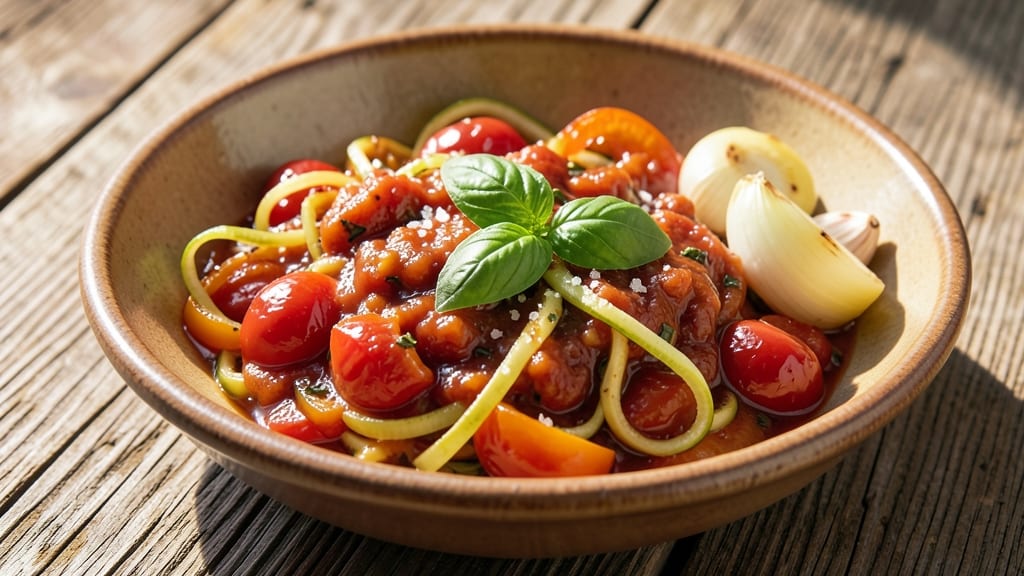
This garden vegetable spaghetti sauce transforms summer's bounty into a vibrant, herb-forward sauce that rivals any jarred version. 🌿 I developed it after years of testing—each ingredient chosen to maximize fresh flavor while keeping prep under 25 minutes.
The secret lies in balancing sweet garden vegetables with bright herbs and a touch of acidity, creating a sauce that's light yet deeply flavorful.
What makes this sauce special is its versatility—it works as a quick weeknight dinner, a make-ahead meal prep solution, or even as a dip for crusty bread. The base of tomatoes, bell peppers, and zucchini provides natural sweetness, while garlic, onion, and fresh basil add layers of complexity.
A splash of red wine vinegar brightens the flavors, ensuring the sauce stays fresh-tasting even after storage.
By simmering everything together, you'll create a sauce with just the right consistency—thick enough to cling to pasta but still smooth enough to spoon. The fresh herbs infuse the sauce with bright, garden-fresh notes that elevate any meal.
Whether tossed with spaghetti or served as a dip, this sauce delivers restaurant-quality flavor with minimal effort.
One of the best parts? This sauce keeps beautifully in the refrigerator for up to a week, making it perfect for batch cooking. Freeze extras for future meals, and always bring out the freshest flavors from your garden or farmers market. Here's how to make it—simple, flavorful, and foolproof.
Ingredients for garden vegetable spaghetti sauce
Fresh garden veggies and herbs transform into vibrant, restaurant-quality spaghetti sauce in just 25 minutes.
| Ingredient | Amount | Notes |
|---|---|---|
| Fresh Roma Tomatoes 🍅 | 2 lb | Ripe, halved for seeds |
| Yellow Bell Pepper 🧅 | 1 whole | Medium size, chopped |
| Zucchini 🥒 | 1 medium | Unpeeled, diced small |
| Yellow Onion 🧅 | 1 medium | Diced finely |
| Garlic Cloves 🧄 | 4 cloves | Fresh, minced |
| Fresh Basil Leaves 🌿 | ½ cup | Packed, chopped fine |
| Fresh Parsley Leaves 🌿 | ¼ cup | Chopped, for brightness |
| Extra-Virgin Olive Oil 🫒 | ¼ cup | For sautéing |
| Red Wine Vinegar 🍷 | 1 tbsp | For acidity balance |
| Tomato Paste 🍅 | 2 tbsp | For depth of flavor |
| Vegetable Broth 💧 | 1 cup | Low-sodium preferred |
| Sea Salt 🧂 | 1 ½ tsp | Diamond Crystal preferred |
| Black Pepper 🌶️ | ½ tsp | Freshly ground |
The fresh tomatoes and basil are non-negotiable here. Hit the farmers market for the ripest Roma tomatoes—look for vibrant red color and give them a gentle squeeze (they should yield slightly). The basil? Grow your own if possible, but if you're buying, grab the freshest bunch at Whole Foods or your local grocery store's produce section—they'll wilt fast if not used immediately. For the zucchini, medium-sized ones are perfect—they're not too watery. If you're using store-bought, Trader Joe's has great organic options that stay fresh longer. The yellow bell pepper adds sweetness, so choose one that's firm and free of soft spots.
No fresh basil? Dried basil at one-third the amount works in a pinch, but you'll lose that bright garden note. Swap the yellow bell pepper for red or orange bell pepper if that's what's available—just adjust the sweetness with a pinch more salt. Running low on Roma tomatoes? Heirloom tomatoes from the store or even a can of high-quality crushed tomatoes (like Mutti) will work, but add a splash of pasta water to thin it out. The vegetable broth can be subbed with water, though the sauce will be slightly less rich. For extra depth, a dash of smoked paprika adds a subtle smokiness without overpowering the fresh flavors.
This sauce tastes even better the next day as the flavors meld together. Store in an airtight container in the fridge for up to 1 week. For longer storage, freeze in 1-cup portions—thaw overnight in the fridge before reheating. I like to double the batch and freeze half immediately, so I always have a quick sauce ready. If you're prepping ahead, add the fresh herbs at the very end when reheating to keep their bright flavor intact. The sauce reheats beautifully—just warm it gently on the stove with a splash of water or broth if it thickens too much.
Why You'll Love This Recipe
- No-Chop Chaos Allowed: I swear by this sauce because it’s the only one I make when I’m too tired to fuss. Toss in the whole zucchini and bell pepper (yes, skins and all), and let them soften into oblivion—no one will notice (or care) if they’re not perfectly diced.
- Summer in a Jar: That bright, sweet zucchini and bell pepper punch makes this taste like a picnic on a plate. The Roma tomatoes add depth, but the garlic? Oh, it’s the star—just a few cloves, but they turn this into something you’ll crave long after the garden’s over.
- Leftovers That Lie: Between us, this sauce always tastes better the next day. The flavors meld into something richer, and it’s my go-to for lazy lunches or when I need to feed a crowd without stressing. Freeze half, and you’ve got a backup for when takeout fails.
- Pantry on a Budget: I make this when my grocery budget’s tight, and honestly? It’s foolproof. Onions, garlic, and a handful of summer veggies stretch into a whole pot—no fancy ingredients, just honest, homegrown flavor that won’t break the bank.
Step-by-step instructions for garden vegetable spaghetti sauce
Here's how to transform fresh garden vegetables into a vibrant, herb-forward sauce in record time.
🍳 Step 1: Sauté the Aromatic Base
Heat the 0.25 cup extra-virgin olive oil in a large Dutch oven over medium heat until shimmering. Add the 1 medium yellow onion and 1 medium zucchini (diced small), cooking for 5-6 minutes until softened and just beginning to brown. You'll see the onions become translucent and the zucchini release its moisture.
Add the 1 whole yellow bell pepper (chopped) and continue cooking for another 3-4 minutes until the vegetables release their juices and develop a slight char. This step builds the sauce's foundational flavor—don't rush it. The vegetables should be tender but still hold their shape slightly. Push them to one side of the pan to create space for the next ingredient.
🔪 Step 2: Cook the Garlic and Tomato Paste
Add the 4 cloves minced garlic to the empty side of the pan and cook for 30 seconds until fragrant—you'll smell that unmistakable garlic aroma. Immediately stir to prevent burning. Then add the 2 tbsp tomato paste and cook for 1 minute, stirring constantly to distribute it evenly.
The tomato paste will deepen the sauce's color and add a concentrated tomato flavor. Here's the thing—this step ensures your sauce has that rich, umami depth that store-bought versions often lack. Don't skip it, even if you're in a hurry. The paste will blend seamlessly into the sauce as we add the tomatoes.
🍅 Step 3: Add Tomatoes and Simmer
Pour in the 1 tbsp red wine vinegar and let it cook for 30 seconds to mellow its sharpness. Add the halved 2 lb fresh Roma tomatoes (seeds removed) and the 1 cup vegetable broth. Stir well to combine, then bring the mixture to a gentle boil over medium-high heat.
Once boiling, reduce the heat to medium-low and let it simmer uncovered for 10 minutes. You want the sauce to reduce slightly and develop a thicker consistency. The tomatoes will break down and release their juices, creating a luscious base. Stir occasionally to prevent sticking—this is where the magic happens as flavors meld together.
🌿 Step 4: Finish with Herbs and Season
Add the 0.5 cup chopped fresh basil leaves and 0.25 cup chopped fresh parsley leaves, stirring gently to incorporate. The herbs will infuse the sauce with their bright, fresh flavors. Add the 1.5 tsp sea salt and 0.5 tsp freshly ground black pepper, then taste and adjust the seasoning if needed.
Simmer for another 5 minutes to let the herbs release their oils and fully integrate into the sauce. The sauce should be vibrant green from the herbs and have a thick, velvety texture. If it's too thick, add a splash of water or broth to reach your desired consistency. This final simmer ensures all the flavors are perfectly balanced and the sauce is ready to shine over your pasta.
⏰ Step 5: Rest and Serve
Remove the sauce from heat and let it rest for 5 minutes. This resting period allows the flavors to meld even more deeply and the sauce to thicken slightly as it cools. Taste one final time and adjust seasoning if necessary—sometimes the flavors develop more during this resting period.
Serve the garden vegetable spaghetti sauce immediately over cooked spaghetti, or store in an airtight container in the refrigerator for up to 5 days. The flavors will continue to develop over time, making this sauce even more delicious the next day. This vibrant, herb-forward sauce is the perfect way to celebrate fresh garden produce in every bite.
Pro Tips For Making Garden Vegetable Spaghetti Sauce
- CHAR THE ONIONS FIRST: I learned this the hard way—when onions linger too long in the mix, they turn bitter and muddy the whole sauce. Sauté them until they’re translucent and just starting to caramelize (about 5-7 minutes on medium heat) before adding anything else. That golden color? That’s flavor insurance.
- SWEAT THE ZUCCHINI: Diced zucchini releases water like a faucet left running, and nobody wants a soupy sauce. Pat the pieces dry with a paper towel, then sauté them for 3-4 minutes before tossing them into the sauce. This cuts down on excess liquid and keeps the texture where it should be—tender, not waterlogged.
- SAVE THE PEPPER SEEDS: Bell peppers pack a lot of flavor, but their seeds can make the sauce taste bitter if left in. Scoop them out before dicing—it’s a 10-second job that makes a real difference. If you’re lazy (I know, I know), at least rinse the cut pieces in cold water to wash off some of the bitterness.
- LOW AND SLOW AFTER 20 MINUTES: The first 20 minutes of cooking should be lively—high heat to build flavor. But once everything’s broken down, drop the heat to a simmer. Rushing this step means undercooked veggies and a sauce that tastes raw. Let it bubble gently for at least 20 more minutes; that’s when the flavors meld into something cohesive. (Yes, even if you’re impatient like me.)
Regional styles of these flavors
Italian Rustic Style
In Italy, garden vegetable sauces often incorporate sun-ripened tomatoes, garlic, and fresh basil—just like this recipe. The classic Ragù alla Bolognese uses meat, but this vegetarian version keeps the same slow-simmered approach.
I love adding 1 tsp dried oregano and a pinch of red pepper flakes for that authentic Italian heat. Serve it with al dente spaghetti and a sprinkle of grated Parmesan for a taste of Italy right in your kitchen. 🌿
Southern U.S. Twist
Down South, garden vegetable sauces often get a smoky kick with 1 tbsp smoked paprika and a dash of hot sauce (like Crystal or Tabasco). Swap the red wine vinegar for apple cider vinegar and add ½ cup diced okra for a Southern-inspired texture.
Top with crispy fried onions for a hearty, comforting bowl. This version is perfect for feeding a crowd on a warm summer evening. 🔥
Mediterranean Herb Blend
For a Mediterranean flair, blend in 1 tbsp chopped fresh thyme and 1 tsp dried marjoram with the basil and parsley. Add ½ cup diced artichoke hearts (fresh or jarred) for a briny depth.
Finish with a drizzle of extra-virgin olive oil and a sprinkle of feta cheese for a Greek-inspired twist. This version pairs beautifully with orzo pasta or crusty bread. ✨
Mexican-Inspired Salsa Verde
Turn this sauce into a zesty salsa verde by adding 1 jalapeño (seeds removed) and ½ cup chopped cilantro instead of parsley. Swap the red wine vinegar for lime juice and add 1 tsp ground cumin for a Southwestern vibe.
Serve it as a dip for tortilla chips or toss it with corn tortillas for a quick and flavorful meal. 🌶️
French Provençal Version
For a French touch, add 1 tsp dried herbes de Provence and ½ cup diced eggplant to the sauce. Finish with a splash of white wine (about ¼ cup) instead of broth and a sprinkle of fresh tarragon.
This lighter, herbaceous version is perfect for a summer dinner, especially when paired with baguette slices or roasted potatoes. 💫
Nutrition facts
Frequently asked questions
Can I make this sauce without fresh basil?
Use 1 teaspoon dried basil instead, but reduce the amount by one-third since dried herbs are more concentrated. For even better flavor, try ½ teaspoon dried oregano or 1 teaspoon fresh thyme—both work beautifully in this garden-inspired sauce. The key is balancing the herbs so they complement the bright vegetables.
How do I adjust the thickness of the sauce?
If your sauce is too thick, stir in 1-2 tablespoons of water or vegetable broth at a time until you reach your desired consistency. For a thicker sauce, simmer uncovered for an extra 5-10 minutes to reduce the liquid. The ideal texture should cling lightly to pasta but still be spoonable. Pro tip: If reheating stored sauce, add a splash of water to loosen it up.
What can I do with leftover garden vegetables?
Use them in this sauce! Extra zucchini or bell peppers can be diced small and added to the sautéed base. For wilted herbs, chop them finely and stir them in at the end. If you have too many tomatoes, blend them into a smooth purée and use half the amount called for. The sauce will still taste amazing—just adjust the broth or vinegar to balance flavors.
Can I make this sauce in a slow cooker?
Yes! Sauté the onions, zucchini, and bell pepper first, then transfer everything to a slow cooker. Add the garlic, tomato paste, vinegar, tomatoes, and broth. Cook on low for 4-5 hours or high for 2-3 hours, stirring occasionally. The slow cooker method deepens flavors but may require thinning with broth or water if the sauce becomes too thick. Perfect for hands-off weeknight cooking!
Why does my sauce taste bland after refrigerating?
Fresh herbs lose their brightness when refrigerated. Always add fresh basil and parsley right before serving or reheating. A splash of lemon juice or red wine vinegar can also revive flavors. If the sauce tastes flat, simmer it gently for 5 minutes with a pinch of salt and a pat of butter to restore richness. The flavors often improve after resting overnight!