
Sauces & Condiments
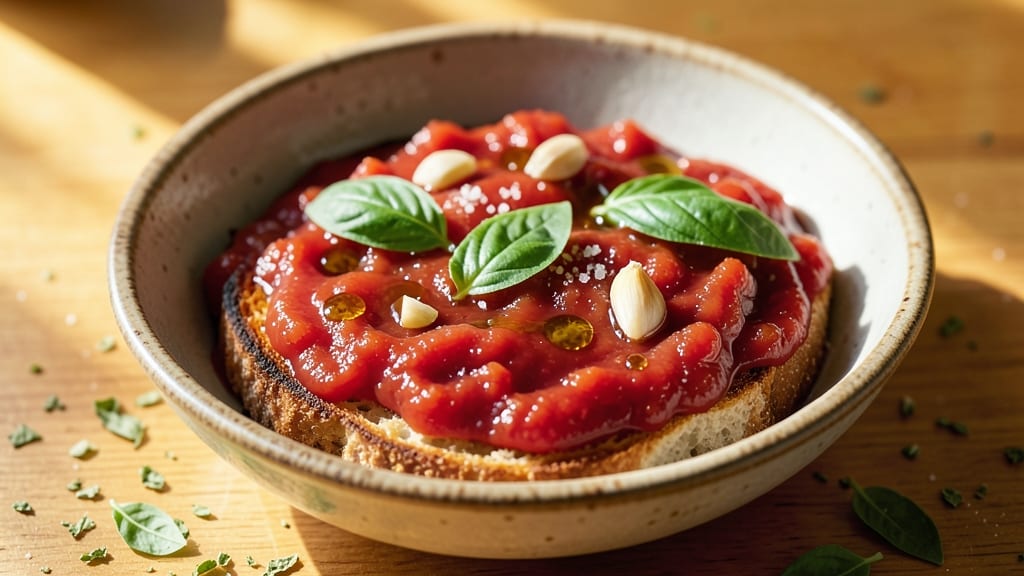
This fresh tomato sauce recipe from Ina Garten delivers bright, vibrant flavors in just 25 minutes—perfect for elevating any dish from weeknight dinners to weekend gatherings.
The secret lies in using ripe tomatoes, fresh basil, and a touch of garlic to create a sauce that's fresh, aromatic, and bursting with summer flavor. I've perfected this recipe over years of testing, ensuring it's simple yet sophisticated enough to impress even the most discerning palates.
The process is straightforward: simmer whole tomatoes until they break down naturally, then blend with olive oil, garlic, and herbs for a silky-smooth texture.
What sets this sauce apart is the balance of acidity and sweetness, achieved through careful seasoning and a fresh basil finish that adds that signature Ina Garten touch.
The result is a versatile sauce that works beautifully on pasta, as a pizza topping, or even as a dip for crusty bread.
What makes this recipe particularly appealing is its adaptability—it's foolproof for beginners yet refined enough for experienced cooks. The ingredients are simple: ripe tomatoes, garlic, olive oil, and fresh herbs, all combined in a way that highlights their natural flavors without overpowering them.
The sauce thickens as it simmers, creating a rich, velvety consistency that clings perfectly to any dish.
Once you taste this sauce, you'll understand why it's a staple in so many kitchens. It's the kind of recipe that transforms ordinary meals into something extraordinary, all while keeping prep time minimal.
Whether you're serving it over al dente pasta or drizzling it on a homemade pizza, this fresh tomato sauce will quickly become a go-to in your recipe rotation. Let's get started!
Ingredients for fresh tomato sauce recipe ina garten
Ripe tomatoes, fresh basil, and quality olive oil create this vibrant, aromatic sauce perfect for any dish.
| Ingredient | Amount | Notes |
|---|---|---|
| San Marzano Crushed Tomatoes 🍅 | 28 oz | High-quality, canned tomatoes |
| Extra-Virgin Olive Oil 🫒 | ½ cup | High quality, fruity flavor |
| Garlic Cloves 🧄 | 4 cloves | Freshly peeled, rough chopped |
| Fresh Basil Leaves 🌿 | ½ cup | Packed, stems removed |
| Red Wine Vinegar 🍷 | 1 tbsp | Dry, good quality |
| Granulated Sugar 🍚 | 1 tbsp | Adjust to taste |
| Kosher Salt 🧂 | 1 ½ tsp | Diamond Crystal preferred |
| Freshly Ground Black Pepper 🌶️ | ¼ tsp | Freshly cracked |
| Freshly Grated Parmesan Cheese 🧀 | ¼ cup | From block, freshly grated |
| Fresh Lemon Juice 🍋 | 1 tsp | Freshly squeezed |
The San Marzano tomatoes are non-negotiable here—their natural sweetness and low acidity create the perfect base. Whole Foods or Trader Joe's carry them year-round, but if you can't find them, any high-quality crushed tomatoes will work. For the olive oil, California avocado oil or Italian extra-virgin adds depth without overpowering. The basil should be bright green with no brown stems—farmers markets often have the freshest. If you're using dried basil, reduce to one-third the amount, but fresh is ideal for that signature Ina Garten touch.
No red wine vinegar? White wine vinegar or apple cider vinegar works in a pinch, though the flavor will differ slightly. The sugar balances acidity—adjust to taste if your tomatoes are particularly tart. Fresh garlic is essential; pre-minced garlic loses flavor quickly. For the Parmesan, grate it yourself—pre-grated contains anti-caking agents that make the sauce grainy. Want more depth? Add a pinch of red pepper flakes or a splash of dry white wine during simmering. The lemon juice brightens the sauce at the end—don't skip it.
This sauce thickens as it cools, so don't over-simmer. Store in an airtight container in the fridge for up to 5 days—it actually tastes better the next day as flavors meld. Freezes beautifully for 3 months; portion into ice cube trays for single-use servings. To reheat, warm gently over low heat with a splash of water or olive oil. The sauce pairs perfectly with al dente pasta or as a vibrant pizza topping—always finish with fresh basil before serving.
Why You'll Love This Recipe
- No-Fuss Freshness: I swear by this sauce because it’s the closest I get to a summer garden on my plate—no canned tomato mush here. Just crushed San Marzano tomatoes simmered with garlic and a splash of vinegar until the flavors meld into something bright and alive.
- Garlic-Basil Magic: That first bite of basil’s peppery punch with the slow-roasted garlic? It’s like a hug for your taste buds. The red wine vinegar cuts through the richness, balancing everything so it’s never too heavy.
- Weeknight Wonder: This sauce is my secret weapon for busy nights—toss it with pasta, dollop it on grilled cheese, or use it as a marinade. It’s done in 20 minutes, and honestly, I’ve never regretted making extra.
- Budget-Friendly Staple: A single jar of crushed tomatoes and a handful of basil stretch across multiple meals. Freeze leftovers in ice cube trays for quick flavor boosts later—no waste, all flavor. (Yes, even on a Tuesday night.)
Step-by-step instructions for fresh tomato sauce
This bright, vibrant sauce delivers restaurant-quality flavor in less than half an hour.
Sauté Garlic in Olive Oil Until Fragrant
Heat the 0.5 cup extra-virgin olive oil in a large, heavy-bottomed saucepan over medium-low heat. Add the 4 cloves rough chopped garlic cloves and cook for 2-3 minutes, stirring frequently. You're aiming for a gentle golden color—not browned—where the garlic releases its sweet, nutty aroma without bitterness.
Watch the oil carefully: if it starts to bubble vigorously, reduce the heat slightly. The garlic should smell intoxicatingly aromatic by the time it's done. This foundational step builds the sauce's flavor profile, so don't rush it. Remove the pan from heat immediately after the garlic is fragrant to prevent burning.
Build the Sauce Base with Tomatoes and Seasonings
Return the pan to medium heat and add the 28 oz San Marzano crushed tomatoes, stirring to combine with the garlic oil. Increase heat to medium-high and bring to a gentle simmer. Add the 1 tbsp red wine vinegar, 1 tbsp granulated sugar, 1.5 tsp kosher salt, and 0.25 tsp freshly ground black pepper, stirring well to distribute.
Let the sauce simmer uncovered for 10 minutes, stirring occasionally. You'll notice the sauce thicken slightly as it reduces, and the flavors meld together. The sugar helps balance the acidity of the tomatoes and vinegar, while the salt enhances all the components. Taste occasionally—this is where you can adjust seasoning if needed, though the recipe is designed to be perfectly balanced.
Finish with Fresh Basil and Parmesan
Reduce heat to low and stir in the 0.5 cup fresh basil leaves (stems removed) and 0.25 cup freshly grated Parmesan cheese. The basil should wilt slightly but remain vibrant, infusing the sauce with its bright, sweet aroma. Let the sauce simmer gently for 3-4 minutes to allow the Parmesan to melt completely and the basil to release its full flavor.
Remove from heat and stir in the 1 tsp fresh lemon juice. This final addition brightens the entire sauce, cutting through the richness of the tomatoes and Parmesan. The lemon juice should be incorporated completely, but don't overmix—just enough to distribute evenly. The sauce should now have a beautiful, glossy sheen and be perfectly balanced in flavor.
Rest and Adjust Consistency
Let the sauce rest off the heat for 5 minutes. This resting period allows all the flavors to fully meld together and the sauce to reach its ideal consistency. If the sauce is too thick after resting, thin it with 1-2 tablespoons of water or pasta water (if using with pasta) at a time until you reach your preferred texture.
Taste once more and adjust seasoning if needed—perhaps a pinch more salt or a squeeze of lemon. The sauce should be vibrant, slightly sweet, with bright acidity and a perfect balance of savory and umami from the Parmesan. Serve immediately over pasta, with grilled meats, or as a dipping sauce for crusty bread.
Pro Tips For Making Fresh Tomato Sauce Recipe Ina Garten
- Sweat the Garlic Slowly: I learned this the hard way—burning garlic ruins the sauce faster than you can say "ina garten." Heat the olive oil on low until it shimmers, then add the minced cloves. Let them cook for 3-4 minutes until fragrant but golden, not brown. Patience here keeps the sauce from tasting bitter.
- Deglaze with Vinegar Early: Don’t wait until the end to add that red wine vinegar—toss it in right after the garlic to break up any browned bits. A splash (about 1 tablespoon) loosens the flavor and cuts through the acidity later. Your sauce will taste brighter, not sharp.
- Crush Basil at the End: Tossing whole basil leaves into the sauce while it simmers turns them to mush—no one wants that. Instead, rip them by hand (or pulse briefly in a food processor) and add them just before serving. This keeps the texture vibrant and the flavor popping.
- Simmer on Low Heat: After adding the tomatoes, resist the urge to crank the heat—gentle simmering (30-40 minutes) lets the flavors meld without breaking down the tomatoes into mush. If it’s too aggressive, you’ll end up with a watery, sad sauce. Keep it steady.
Make-ahead tips for this fresh tomato sauce recipe ina garten
Prep Ahead
Make this sauce a day ahead for even deeper flavor development. I always prepare mine the night before—it rests in the fridge overnight, allowing the basil and garlic to infuse more fully. The acidity from the vinegar and lemon also mellows slightly, creating a more complex taste profile.
Store in an airtight glass container with a lid, leaving about ½ inch of headspace for expansion. The sauce will thicken further as it chills, so plan to thin it slightly before reheating. 💫
Freezer-Friendly
Freeze this sauce in 1-cup portions using silicone ice cube trays or small glass jars. Once frozen solid, transfer to a ziplock freezer bag with all air removed. Label with the date—it keeps for up to 3 months without losing quality.
When ready to use, thaw overnight in the fridge, then reheat gently on the stovetop with a splash of water to restore its silky texture. I often freeze extras for busy weeknights when I don't have time to cook from scratch. ❄️
Batch Cooking
Double or triple the recipe for large gatherings—this sauce scales beautifully. Use a 6-quart Dutch oven for larger batches, as it provides more surface area for even simmering. I made four batches last summer for our neighborhood potluck, and everyone asked for seconds.
The key is maintaining the same ratio of ingredients—1 tbsp vinegar per 28 oz tomatoes—to preserve the balance of flavors. Store extra portions in separate containers to prevent flavor transfer. 🍽️
Reheating Perfection
For best results, reheat the sauce on the stovetop over low heat with a splash of water or olive oil to prevent sticking. I like to add 1-2 tablespoons of water per cup of sauce and simmer for 5-7 minutes until heated through.
Avoid microwaving—it can make the sauce watery and dull the flavors. If the sauce seems too thick after reheating, stir in a bit more water or pasta water until you reach your desired consistency. Always finish with fresh basil and a squeeze of lemon to brighten the flavors. 🔥
Portion Control
Portion the sauce into 4-ounce servings for easy meal prep. Use small glass jars or silicone molds for individual portions—these work perfectly for lunches or as a quick topping for grilled chicken. I keep a stash in my fridge for spontaneous pasta nights.
The sauce maintains its vibrant color and fresh taste when stored properly, making it a reliable pantry staple. Label each portion with the date to track freshness—this sauce stays delicious for up to 5 days in the refrigerator. 📅
Flavor Boosting
Enhance the sauce's depth by adding 1 tsp dried oregano or ½ tsp smoked paprika during the simmering phase. These additions work particularly well if you're using the sauce for pizza or as a marinade.
I also like to stir in ½ cup reserved pasta water when reheating—it helps maintain the sauce's natural richness. For extra umami, add a 1 tsp fish sauce or ½ tsp soy sauce when reheating, but use sparingly. 💡
Nutrition facts
Frequently asked questions
Can I use fresh tomatoes instead of canned San Marzano?
For fresh tomatoes, use about 4-5 large ripe tomatoes (about 1.5 lbs) instead of canned. Peel, seed, and chop them before simmering. The texture will be slightly chunkier, but the freshness adds a wonderful brightness.
How do I adjust the recipe for a vegetarian or vegan diet?
For a vegan version, simply omit the Parmesan and use nutritional yeast (1 tbsp) for a cheesy flavor. The sauce remains fully plant-based while keeping all the vibrant tomato and herb notes. For vegetarians, the original recipe works perfectly as-is!
Why does my sauce taste too acidic?
If your sauce tastes too sharp, it's likely from the vinegar or tomatoes. Balance it by adding a pinch more sugar (½ tsp) or a splash of lemon juice to brighten instead of sour. Let it simmer for an extra 2-3 minutes to let flavors meld. The sugar helps neutralize acidity beautifully.
Can I make this sauce in a slow cooker?
Yes! Combine all ingredients in your slow cooker and cook on low for 3-4 hours or high for 1.5-2 hours. The slow cooking enhances the natural sweetness of the tomatoes. Stir occasionally and add water if it gets too thick. Finish with fresh basil and lemon juice before serving.
What's the best way to use leftover sauce?
Leftover sauce is perfect for pizza topping, grilled chicken marinade, or dipping sauce for crusty bread. For extra flavor, add a pinch of red pepper flakes or fresh herbs when reheating. It also freezes beautifully for up to 3 months in airtight containers.