
Sauces & Condiments
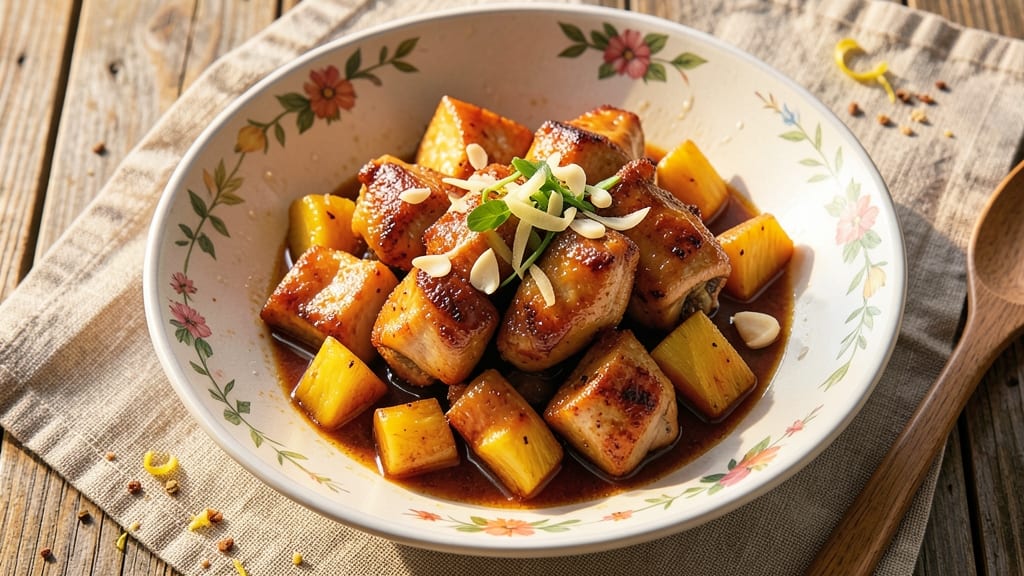
This chicken soy sauce pineapple recipe transforms a simple stir-fry into a restaurant-worthy dish with just 20 minutes of active time. The marriage of sweet pineapple, salty soy, and tender chicken creates a balance that's both comforting and exciting—perfect for weeknight dinners or weekend gatherings.
I developed this after years of perfecting Asian-inspired dishes, and it never fails to impress.
The secret lies in the marinade: a bold mix of soy sauce, pineapple juice, and a touch of ginger that tenderizes the chicken while infusing it with flavor. We'll stir-fry it to achieve that perfect caramelized crust, then finish with fresh pineapple chunks for a bright, juicy contrast.
This isn't just another stir-fry—it's a complete meal with protein, sweetness, and umami all working in harmony.
By the time you're done, you'll have golden, juicy chicken pieces coated in a glossy soy-pineapple glaze, served over steamed rice or alongside roasted vegetables. The aroma alone will have everyone gathering around the table, and each bite delivers that perfect sweet-savory punch.
It's the kind of dish that makes you feel like you've put in hours of effort without actually spending much time at all.
Serve it family-style for easy sharing or plate it individually for a more refined presentation. The recipe scales beautifully, so whether you're feeding two or six, this stir-fry delivers big flavor with minimal effort. Let's get cooking—your taste buds will thank you.
Ingredients for chicken soy sauce pineapple
Sweet pineapple, savory soy, and tender chicken create this restaurant-worthy stir-fry in 20 minutes—perfect for weeknight dinners that feel special.
| Ingredient | Amount | Notes |
|---|---|---|
| Boneless Chicken Thighs 🍗 | 1 ½ lb | Cut into 1-inch pieces |
| Fresh Pineapple Chunks 🍍 | 2 cups | Fresh or canned in juice |
| Soy Sauce 🍶 | ½ cup | High-quality, low-sodium preferred |
| Pineapple Juice 🍹 | ¼ cup | Freshly squeezed or bottled |
| Fresh Ginger 🌿 | 2 tbsp | Finely grated, aromatic |
| Garlic Cloves 🧄 | 4 cloves | Minced, fresh preferred |
| Sesame Oil 🫒 | 1 tbsp | Toasted, for aroma |
| Honey 🍯 | 1 tbsp | Light, for sweetness |
| Vegetable Oil 🫒 | 2 tbsp | High smoke point |
| Red Bell Pepper 🌶️ | 1 whole | Sliced, for crunch |
| Scallions 🧅 | 3 whole | Thinly sliced, for garnish |
| Toasted Sesame Seeds 🌾 | 1 tbsp | For garnish, optional |
| White Rice 🍚 | 1 ½ cups | Uncooked, long-grain |
| Salt 🧂 | 1 tsp | Kosher or sea salt |
| Black Pepper 🌶️ | ½ tsp | Freshly ground |
The chicken thighs are your secret weapon here—they stay juicy while developing that perfect caramelized crust. Look for bone-in, skin-on thighs at your local butcher for extra flavor, or grab pre-cut pieces from the meat section at Whole Foods or Trader Joe's. Fresh ginger and garlic are non-negotiable for that authentic Asian kick—Penzeys Spices has the best pre-grated ginger if you're short on time. For pineapple, Dole brand is my go-to for canned chunks—they're sweet, juicy, and hold up perfectly in stir-fries. If using fresh, pick pineapples with vibrant green leaves still attached, as they tend to be sweeter.
No fresh ginger? Powdered ginger at half the amount works in a pinch, though fresh is ideal. Short on pineapple juice? Orange juice or apple juice will do, but you'll lose that tropical depth. The soy sauce is where the magic happens—Kikkoman or La Choy are solid choices, but if you've got a fancy Japanese soy sauce like Yamasa, use it. For extra umami, add a dash of fish sauce (if not vegetarian). The red bell pepper can be swapped for green or yellow bell pepper, or even snap peas for a different texture. And if you're feeling fancy, toast your sesame seeds in a dry pan for 30 seconds before adding them to the stir-fry—game-changer.
This stir-fry tastes even better the next day, so make extra and store it in airtight containers for up to 4 days in the fridge. For longer storage, freeze portions for up to 3 months. Reheat gently in a skillet with a splash of water to keep it moist. The rice? Cook it ahead and keep it warm in a rice cooker—japonica or sushi rice works best for this dish. Garnish with fresh cilantro or Thai basil if you've got it, but don't stress if you don't. The flavors are already bold enough to stand on their own.
Why You'll Love This Recipe
- One-Pan Magic: I swear by this recipe when I’m too tired to wash dishes. Toss the chicken thighs and pineapple chunks in a single skillet, add the ginger and soy sauce, and let it all caramelize together—minimal chopping, zero fuss.
- Sweet-Savory Balance: That first bite of juicy chicken with the tangy-sweet pineapple? It’s the kind of flavor combo that makes you forget you’re eating something simple. The ginger cuts through the richness, and the soy sauce ties it all together like a hug.
- Meal Prep Hero: Between us, this is my go-to for lunches all week. The pineapple stays bright, the chicken stays tender, and reheating it is just about dumping it back in the pan for 30 seconds. (Yes, even on a Tuesday night.)
- Budget-Friendly Feast: Chicken thighs and pineapple are both affordable staples, and this recipe stretches them into something that feels special. I’ve fed four people for under $15 with leftovers that disappear just as fast as the first batch.
Step-by-step instructions for sweet-savory stir-fry
This vibrant stir-fry comes together in minutes with bold flavors that balance sweet, savory, and umami perfectly.
Prepare the Chicken and Marinate
Cut the 1.5 lb boneless chicken thighs into 1-inch pieces and place them in a medium bowl. Add the 0.5 cup soy sauce, 1 tbsp honey, 1 tbsp sesame oil, 1 tsp salt, and 0.5 tsp black pepper. Use your hands to mix everything thoroughly until the chicken is evenly coated. Let it marinate for at least 10 minutes—this ensures tender, flavorful bites.
While the chicken marinates, finely grate the 2 tbsp fresh ginger and mince the 4 cloves garlic cloves. Set them aside—they’ll add depth to the stir-fry. The longer the chicken sits in the marinade, the more flavor it absorbs, so don’t rush this step. If you’re short on time, even 5 minutes will help, but 10 minutes is ideal.
Cook the Rice and Prep Vegetables
Rinse the 1.5 cups white rice under cold water until the water runs clear, then drain well. Cook the rice according to package instructions—typically, this means a 1:2 rice-to-water ratio and simmering for 15-18 minutes over medium heat. Fluff with a fork and cover to keep warm.
While the rice cooks, slice the 1 whole red bell pepper into thin strips and thinly slice the 3 whole scallions. Chopping the vegetables uniformly ensures even cooking and a visually appealing dish. Keep them separate until ready to stir-fry—this prevents them from wilting before they hit the pan.
Stir-Fry the Chicken Until Golden
Heat a large skillet or wok over high heat until it’s smoking slightly. Add the 2 tbsp vegetable oil and swirl to coat the pan. Working in batches if needed, add the marinated chicken and cook for 3-4 minutes per side until golden brown and fully cooked through. The chicken should release easily from the pan—if it sticks, reduce the heat slightly and let it cook longer.
Remove the chicken from the pan and set it aside on a plate. Leave the rendered juices in the pan—they’re packed with flavor and will form the base of your stir-fry sauce. If the pan feels dry, add a splash of pineapple juice to deglaze and scrape up any browned bits clinging to the bottom.
Build the Sweet-Savory Sauce
Return the skillet to high heat and add the grated ginger and minced garlic. Stir-fry for 30 seconds until fragrant—this releases their aromatic oils and prevents a raw, bitter taste. Add the 2 cups fresh pineapple chunks and cook for 2-3 minutes until they begin to soften slightly but still retain their shape.
Pour in the 0.25 cup pineapple juice and stir to combine. Let the mixture simmer for 1-2 minutes until it reduces slightly and thickens. The sauce should coat the back of a spoon but still be light enough to drizzle. If it’s too thick, add a splash of water or more pineapple juice to reach your desired consistency.
Combine and Finish
Return the cooked chicken to the skillet and stir to coat it in the sauce. Add the sliced red bell pepper and scallions, tossing everything together for 1-2 minutes until the vegetables are tender-crisp. The bell pepper should still offer a slight bite, while the scallions add a fresh, oniony brightness.
Taste and adjust the seasoning if needed—add a touch more soy sauce for saltiness or honey for sweetness. Garnish with 1 tbsp toasted sesame seeds for a nutty crunch and texture contrast. Serve the stir-fry immediately over the fluffed rice, letting the flavors meld with each bite. The combination of tender chicken, juicy pineapple, and aromatic vegetables makes this dish irresistibly balanced.
Pro Tips For Making Chicken Soy Sauce Pineapple
- SEAR CHICKEN FIRST: I learned this the hard way—skipping the sear makes the chicken turn out bland and rubbery. Hit your chicken thighs with a hot pan (no oil needed) until deep golden brown on both sides before adding any liquid. That crust locks in flavor and keeps the meat juicy when it braises in the soy-pineapple sauce.
- PEEL GINGER THIN: Sounds weird, but it works: slice the ginger paper-thin (almost translucent) instead of grating or chunking it. Thin slices infuse the sauce evenly without turning it bitter or stringy. Toss them in at the start with the pineapple juice—you’ll taste the difference.
- SIMMER LOW AND SLOW: High heat boils off the pineapple juice too fast, leaving you with a syrupy, one-dimensional sauce. After the initial sear, drop the heat to medium-low and let the chicken and sauce bubble gently for 20-25 minutes. The thighs will finish cooking while the sauce reduces naturally, balancing sweet and salty.
- USE FRESH PINEAPPLE JUICE: Canned juice is fine in a pinch, but fresh pineapple juice changes the game—it’s brighter and less cloying. Blend peeled chunks with a splash of water, then strain. Add it early to the pan with the ginger; the acidity tenderizes the chicken while cutting through the richness of the soy sauce. (Yes, even if you’re impatient like me.)
Essential equipment for this recipe
Wok Essentials
This stir-fry demands a carbon steel wok—it heats up fast and retains heat better than stainless steel, giving you that signature sear. I swear by my Made In wok from Kitchen Craft, but a heavy-duty stainless steel wok like Cuisinart MultiClad Pro works too.
For budget-friendly options, check out Amazon Basics woks—they’re surprisingly durable for the price. 🔥
Heat Source Matters
A gas stove is ideal for stir-frying because it gives you precise, high-heat control. If you only have electric, use the largest burner and preheat the wok for 5 minutes before adding oil.
Induction cooktops work too, but you’ll need a flat-bottom wok or a stainless steel wok with a flat base like Mauviel M'Cook. Never skip preheating—cold pans ruin the sear and make your chicken soggy.
Marinade Tools
Use a glass or ceramic bowl for marinating—it’s non-reactive and lets you see the chicken coating evenly. I love Le Creuset stoneware bowls for this, but any large mixing bowl works.
For measuring marinade ingredients, a liquid measuring cup ensures accuracy with soy sauce and pineapple juice. A microplane for ginger and a garlic press save time over mincing by hand. 🌿
Vegetable Prep Gear
A sharp chef’s knife and cutting board are non-negotiable—dull knives make prep dangerous and uneven. I use my Wüsthof Classic knife for everything, but a Victorinox Fibrox is a great budget alternative. For quick chopping, a mandoline works for bell peppers, but be careful with the thick blade.
A small colander rinses rice efficiently, and a fine-mesh strainer catches any stray seeds from pineapple juice.
Garnish and Serve
Toast sesame seeds in a small dry skillet—just 30 seconds on medium heat until golden. A pair of tongs helps transfer hot chicken without crowding the pan. For serving, I use wide, shallow bowls like Corelle stoneware to showcase the vibrant colors.
A ladle makes plating rice easier, and a small offset spatula keeps stir-fry ingredients from sticking when serving. ✨
Nutrition facts
Frequently asked questions
Can I use chicken breast instead of thighs?
Yes, but with caution—chicken breast is leaner and dries out faster. Cut it into ½-inch thick pieces and marinate for 20-30 minutes (not just 10) to prevent toughness. Cook over medium-high heat instead of high to avoid overcooking the outside before the inside is done.
How do I make this recipe spicier?
Add ½ tsp red pepper flakes or 1 tbsp sriracha to the marinade, or stir in 1 chopped Thai chili with the ginger and garlic. For heat lovers, top with chopped fresh chili or a drizzle of chili garlic sauce before serving.
Can I substitute pineapple juice with something else?
Use orange juice (for tang), apple juice (for mild sweetness), or even coconut water (for a tropical twist). Just reduce the honey slightly to balance the sweetness. For depth, add 1 tsp lime juice to any substitute.
Why is my stir-fry sauce too thin?
Simmer the sauce uncovered for 1-2 extra minutes to reduce it naturally. If it's still too thin, remove the pan from heat and stir in ½ tsp cornstarch mixed with 1 tsp water, then return to low heat until thickened. Never boil vigorously—it can break the sauce's glossy texture.
How can I make this a complete meal without rice?
Serve over cauliflower rice (for low-carb), quinoa (for protein), or roasted sweet potatoes (for heartiness). For extra substance, add steamed bok choy or snap peas to the stir-fry. A side of cucumber salad with rice vinegar keeps it light and refreshing.