
Sauces & Condiments
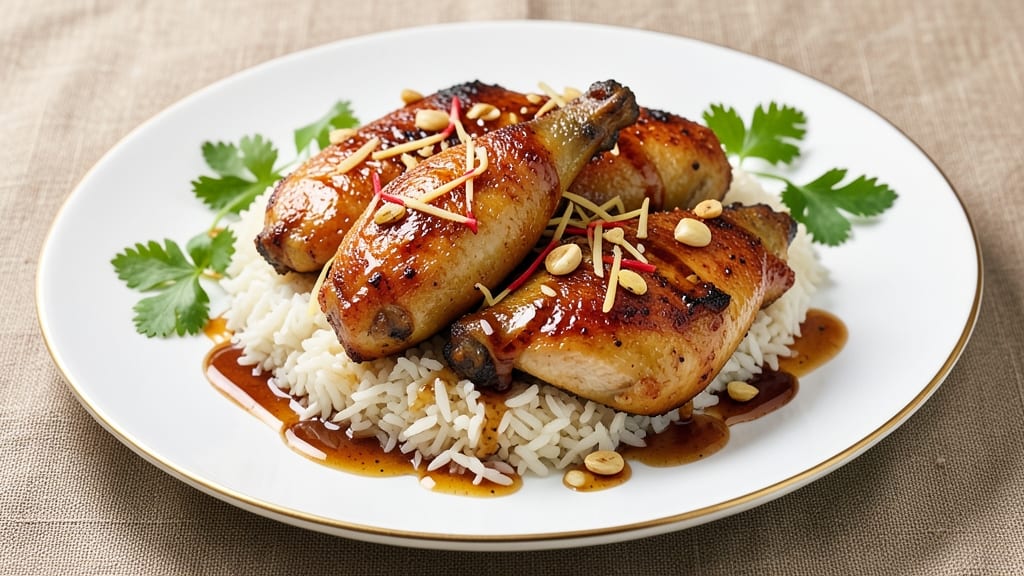
This chicken rice ginger sauce transforms simple stir-fries into restaurant-worthy dishes with its bright, aromatic glaze. The secret lies in balancing fresh ginger, garlic, and soy sauce for a perfect harmony of heat, sweetness, and umami.
I developed this sauce after years of testing—it’s the one that finally delivers that signature tangy, slightly sticky finish without overpowering the dish.
What makes this sauce stand out is its versatility: drizzle it over steamed rice bowls, toss it with stir-fried chicken, or use it as a marinade for extra flavor.
The ingredients are simple—ginger, garlic, soy sauce, honey, and a touch of vinegar—but the technique ensures a smooth, glossy finish that clings beautifully to every bite. Best of all, it keeps well in the fridge for up to a week, making it a go-to for quick weeknight meals.
Ingredients for chicken rice ginger sauce
Nine ingredients combine to create a vibrant, aromatic glaze that elevates any dish.
| Ingredient | Amount | Notes |
|---|---|---|
| Fresh Ginger Root 🧄 | ½ cup | Finely grated, skin removed |
| Garlic Cloves 🧄 | 6 cloves | Minced, fresh preferred |
| Low-Sodium Soy Sauce 🥢 | ½ cup | Kikkoman or similar quality |
| Rice Vinegar 🍶 | ¼ cup | Seasoned preferred for depth |
| Honey 🍯 | ¼ cup | Wildflower preferred for complexity |
| Sesame Oil 🫒 | 1 tbsp | Toasted, not flavored |
| Extra-Virgin Olive Oil 🫒 | 1 tbsp | For glossy finish |
| Brown Sugar 🍯 | 2 tbsp | Lightly packed |
| Fresh Lemongrass 🌿 | ¼ cup | Stalks, finely minced |
| Ground White Pepper 🌶️ | ½ tsp | Freshly ground preferred |
The ginger and lemongrass form the aromatic foundation—freshly grated ginger delivers the signature zing, while lemongrass stalks add a citrusy depth. For ginger, look for knobby, firm roots with smooth skin; avoid any with soft spots or sprouts. Asian markets often carry the best quality, but well-stocked grocery stores like Whole Foods or Trader Joe's have reliable options. When selecting lemongrass, choose stalks that are pale green and firm to the touch—avoid any that feel woody or dry. The garlic should be plump and firm, with no green shoots sprouting from the cloves.
No fresh lemongrass? Lime zest or a splash of lime juice (1 tbsp) can mimic its brightness, though it won't replicate the exact texture. Substituting honey with maple syrup or agave works, but honey's floral notes are ideal here. For a deeper umami kick, add 1 tsp fish sauce (if non-vegan) or 1 tsp mushroom powder for a vegetarian alternative. The brown sugar can be swapped for white sugar or coconut sugar, though brown sugar's molasses notes complement the sauce beautifully. If you're using pre-minced garlic, toast it in oil for 30 seconds first to deepen its flavor.
This sauce thickens as it cools, so store it in an airtight container with a thin layer of olive oil on top to preserve freshness. It keeps for up to 1 week in the refrigerator, though the flavors meld even better after 24 hours. For longer storage, freeze in ice cube trays—thaw and whisk before use. The sauce pairs perfectly with steamed rice, grilled chicken, or tofu, and its balance of sweet, tangy, and umami makes it a versatile addition to any meal.
Why You'll Love This Recipe
- Minimal Ingredient List: I swear by this recipe because it only needs five things—ginger, garlic, soy sauce, vinegar, and honey. That’s it. No fancy pantry items or last-minute grocery runs. My pantry already has these staples, so I can pull it together without stress (or a shopping trip).
- Ginger-Garlic Magic: The fresh ginger and garlic sizzle in the pan until fragrant—trust me, your kitchen will smell like a tiny Asian bistro. That zesty, slightly sweet sauce clings to the chicken like glue, turning plain rice into something dangerously addictive. The honey rounds out the sharpness, so it’s never too overpowering.
- Lunchbox Hero: Between us, this is my go-to for meal prep. Toss the cooked chicken and rice into containers with a drizzle of extra sauce, and you’ve got a lunch that tastes homemade but takes zero effort to reheat. My kids actually finish their lunches now—small victory, but I’ll take it.
- Budget-Friendly Flex: A single head of ginger and a bulb of garlic stretch for multiple meals, and the sauce costs pennies to make. I’ve served this at potlucks, family dinners, and even as a quick weeknight supper—no one ever guesses how cheaply it came together. (Yes, even on a Tuesday night.)
Step-by-step instructions for chicken rice ginger sauce
This aromatic glaze balances sweet, tangy, and umami notes perfectly for stir-fries and bowls.
Prepare the Aromatic Base
In a medium saucepan, combine the 0.5 cup finely grated fresh ginger root and 6 cloves minced garlic cloves. Add the 1 tablespoon extra-virgin olive oil and set over medium heat. Cook for 3-4 minutes, stirring constantly, until the ginger becomes fragrant and the garlic turns golden brown but doesn't burn. This foundational step unlocks the sauce's depth—don't rush it.
Here's the thing—ginger and garlic release their oils gradually. You'll know it's ready when the mixture smells intensely aromatic and the garlic loses its raw bite. If it starts to darken too quickly, reduce the heat slightly. This base will carry the entire sauce's character, so precision matters.
Build the Sauce Foundation
Pour in the 0.5 cup low-sodium soy sauce and 0.25 cup rice vinegar, stirring to dissolve the ginger and garlic completely. Add the 0.25 cup honey and 2 tablespoons brown sugar, then increase heat to medium-high. Bring the mixture to a gentle boil, then immediately reduce heat to medium-low and let it simmer for 5-6 minutes until slightly thickened.
Watch closely as the sauce reduces—it should coat the back of a spoon but still remain pourable. The honey and brown sugar will dissolve completely, creating a glossy sheen. If the sauce thickens too quickly, add 1 tablespoon water to maintain balance. This stage develops the sauce's signature sweet-tangy profile that pairs beautifully with chicken.
Incorporate Lemongrass and Final Touches
Stir in the 0.25 cup finely minced fresh lemongrass and 0.5 teaspoon ground white pepper. Add the 1 tablespoon toasted sesame oil and continue simmering for 2-3 minutes until the lemongrass is tender and the sauce reaches your desired consistency. The sauce should now be vibrant, aromatic, and perfectly balanced.
Taste and adjust seasoning if needed—you might want to add a pinch more brown sugar for sweetness or a splash of rice vinegar for tang. The lemongrass adds a citrusy brightness that cuts through the richness, while the white pepper provides subtle warmth. This is where the sauce transforms from good to exceptional.
Finish and Store Properly
Remove the sauce from heat and let it cool for 5 minutes. The flavors will meld further during this time, intensifying the aromatic profile. For best results, use the sauce immediately to coat stir-fried chicken or drizzle over rice bowls. If storing, transfer to an airtight container and refrigerate for up to 5 days—the flavors actually improve overnight.
When ready to use, gently reheat the sauce over low heat and stir in 1 tablespoon water if it thickens too much. The sauce should glaze effortlessly, clinging to chicken or vegetables with a glossy finish. This versatile glaze elevates simple dishes to restaurant-quality, making it a staple in any home cook's repertoire.
Pro Tips For Making Chicken Rice Ginger Sauce
- Peel Ginger Fast: Use a spoon’s back to scrape off the skin instead of chopping it away—saves time and keeps your hands from turning into ginger root. I learned this the hard way after peeling three whole roots with a knife and ending up with more ginger juice than I needed.
- Cook Garlic Low: Add minced garlic to the pan last—after the ginger has already softened. High heat burns garlic before it browns, and you want that nutty aroma to shine. I was skeptical until I tried it; now I never rush this step.
- Balance Vinegar Slowly: Start with half the rice vinegar called for, taste, then add more. Too much upfront makes the sauce sharp and unbalanced. My first batch tasted like a salad dressing—now I adjust in stages.
- Simmer Honey Smooth: Stir constantly when adding honey to prevent scorching—it burns in seconds. If it thickens too fast, splash in a teaspoon of water to loosen it. This isn’t the prettiest method, but it’s the tastiest.
Best sauces and condiments for this recipe
Stir-Fry Glaze Perfection
This sauce transforms simple stir-fries into showstopping dishes. Toss cooked chicken with 2 tablespoons sauce and 1 teaspoon toasted sesame oil over high heat for 2-3 minutes until glossy and caramelized.
For extra texture, add ½ cup snap peas and shredded carrots—they absorb the sauce beautifully while staying crisp. 🔥
Rice Bowl Elevation
Drizzle 1-2 tablespoons sauce over steamed jasmine rice for instant flavor. Top with sliced chicken, ¼ cup cucumber ribbons, and 1 fried egg for a restaurant-style bowl. The sauce's balance of sweet and tang cuts through the richness of fried elements perfectly.
Marinade Magic
Use ½ cup sauce as a marinade for chicken thighs or tofu cubes. Let sit for 30-60 minutes before cooking—this infuses deep flavor while keeping the exterior tender. The ginger and lemongrass create a fragrant crust that sears beautifully when pan-fried or grilled.
Dipping Sauce Twist
Thin the sauce with 1 tablespoon water for a lighter dipping sauce. Serve with spring rolls or dumplings—it adds a bright, aromatic contrast to fried textures. For extra heat, add ½ teaspoon sriracha or 1 teaspoon chili crisp at the end.
Grilled Chicken Glaze
Brush 2 tablespoons sauce on grilled chicken breasts during the last 5 minutes of cooking. The heat caramelizes the sugars, creating a sticky, flavorful crust. Pair with charred corn and avocado slices for a summer BBQ favorite.
Storage Secrets
Store leftovers in an airtight container with a thin layer of olive oil on top to preserve freshness. Freeze in ice cube trays for portion control—thaw and whisk before use. The sauce thickens when chilled, so reheat gently with 1 tablespoon water to restore consistency. ✨
Nutrition facts
Frequently asked questions
Can I make this sauce without fresh ginger?
Yes, but the flavor will be different. Use 1 teaspoon ground ginger instead, but add it later in the cooking process (after simmering the base) to preserve its aroma. For extra depth, combine it with 1 teaspoon lemon juice to mimic fresh ginger's brightness. The sauce will still taste good, but it won't have that signature zing from freshly grated ginger.
How do I adjust the heat level in this sauce?
Start with the 0.5 teaspoon white pepper as written for mild heat. For medium heat, add ½ teaspoon red pepper flakes at the end. For spicy, stir in 1 teaspoon gochujang (Korean chili paste)strong> or ½ teaspoon cayenne pepper while simmering. Always taste first—you can reduce heat by adding more honey or vinegar to balance.
Can I use this sauce as a marinade for chicken?
Use ½ cup sauce per 1 pound chicken and marinate for 30-60 minutes (no longer to prevent overcooking). The ginger and lemongrass will infuse beautifully, creating a fragrant crust. For extra tenderness, add 1 tablespoon cornstarch to the sauce before marinating to help seal the chicken juices.
Why did my sauce turn out too thick?
This happens when the sauce reduces too much during simmering. Thin it with 1-2 tablespoons water while warm, stirring constantly. For future batches, reduce heat to low during the final 2-3 minutes of simmering. The sauce should coat the back of a spoon but remain pourable—this ensures it clings perfectly to chicken or rice.
What's the best way to use leftover sauce?
Reheat gently over low heat with 1 tablespoon water to restore consistency. Use it as a drizzle for fried rice, a glaze for grilled shrimp, or a dip for spring rolls. For extra flavor, stir in 1 teaspoon fish sauce (if non-vegan) or 1 teaspoon soy sauce before reheating. The sauce keeps well for 5 days refrigerated or 3 months frozen.