
Sauces & Condiments
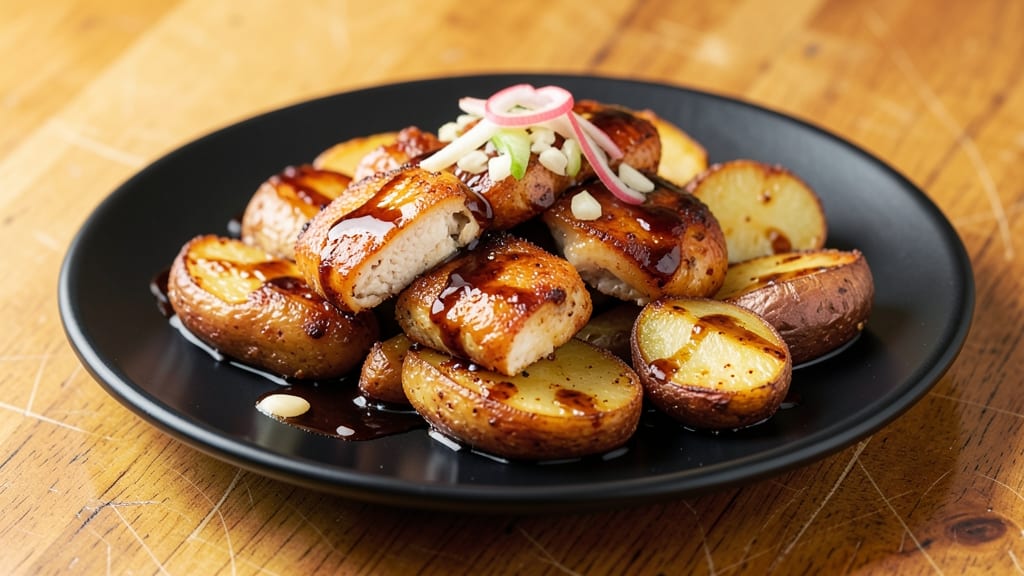
This chicken potato soy sauce recipe transforms humble ingredients into a deeply satisfying one-pan dish where tender chicken and crispy potatoes soak up a rich, umami-packed sauce.
The secret lies in balancing sweet soy sauce with aromatic garlic and ginger, creating layers of flavor that elevate simple proteins into something extraordinary.
What makes this recipe stand out is its versatility—whether you're craving a quick weeknight meal or preparing for a gathering, this dish delivers restaurant-quality results with minimal effort.
At its core, this recipe relies on a foolproof one-pot technique that minimizes cleanup while maximizing flavor. Chicken thighs or breasts cook alongside baby potatoes, absorbing the soy-based sauce as they simmer.
The addition of a splash of honey or mirin enhances the sauce's depth, while sesame oil adds a nutty finish that ties everything together.
The result is a dish that's hearty enough to serve as a main course but simple enough to prepare in under 45 minutes—perfect for busy schedules.
What you’ll end up with is a harmonious blend of tender chicken, crispy potatoes, and a glossy, savory sauce that coats every bite. The dish pairs beautifully with steamed greens, jasmine rice, or even a simple side salad to balance its richness.
Whether you're serving it family-style or as a centerpiece for dinner guests, this recipe guarantees a memorable meal without the fuss of complicated techniques.
Ready to elevate your weeknight dinners? This recipe is designed to adapt to your preferences—add a splash of rice vinegar for brightness, swap in mushrooms for extra umami, or adjust the soy sauce to your taste.
The possibilities are endless, but the foundation remains the same: bold flavors, minimal effort, and a dish that feels both comforting and impressive.
Ingredients for chicken potato soy sauce
Thirteen ingredients create a restaurant-quality one-pan dish with umami depth and crispy textures.
| Ingredient | Amount | Notes |
|---|---|---|
| Boneless, Skinless Chicken Thighs 🍗 | 1 ½ lb | Cut into 1-inch pieces |
| Baby Potatoes 🥔 | 1 ½ lb | Halved, skin-on for texture |
| Low-Sodium Soy Sauce 🍶 | ½ cup | High-quality brand preferred |
| Garlic Cloves 🧄 | 6 cloves | Minced, fresh preferred |
| Fresh Ginger 🌿 | 2 tbsp | Finely grated, peeled |
| Sesame Oil 🫒 | 1 tbsp | Toasted sesame oil for aroma |
| Honey 🍯 | 1 tbsp | Substitute mirin for depth |
| Vegetable Oil 🫒 | 2 tbsp | For high-heat searing |
| Green Onions 🧅 | ¼ cup | Sliced, for garnish |
| Toasted Sesame Seeds 🌾 | 1 tbsp | For final garnish |
| Diamond Crystal Kosher Salt 🧂 | 1 ½ tsp | Adjust to taste |
| Ground Black Pepper 🌶️ | ½ tsp | Freshly cracked |
| Smoked Paprika 🌶️ | ½ tsp | For subtle smokiness |
The chicken thighs are non-negotiable here—they stay tender while absorbing the sauce better than breasts. Look for bone-in, skin-on thighs at specialty butchers for maximum flavor, though boneless works fine. Baby potatoes should be firm and evenly sized—Whole Foods or Trader Joe's carry excellent pre-washed varieties. Soy sauce quality matters: Kikkoman or Yamasa brands deliver consistent umami without excess sodium. For ginger, freshly grated is essential—dried lacks the bright, zesty punch needed to balance the soy's saltiness. Pre-grated ginger from jars is a flavor disaster, so invest in a microplane if you don't own one.
No low-sodium soy sauce? Regular soy sauce at half the amount plus an extra pinch of salt works, but you'll need to taste and adjust. Short on honey? Mirin or agave nectar add sweetness with different depth—mirin's acidity brightens the sauce, while agave's neutral profile lets the soy shine. The sesame oil is purely aromatic here—don't cook with it, just add it at the end for that nutty aroma. Substituting chicken breasts? Cut them into 1-inch pieces and cook 5 minutes less to prevent drying. For extra umami, add 1 tbsp mushroom powder to the sauce mixture, or swap in shiitake mushrooms for some of the potatoes.
This dish tastes even better the next day as flavors meld. Store leftovers in an airtight container for up to 4 days in the fridge, or freeze for 3 months—portion into single servings for easy reheating. The potatoes crisp up beautifully when reheated, so don't skip that step. For meal prep, cook the chicken and potatoes separately, then assemble with sauce when ready to eat. The sauce can be made 2 days ahead and stored separately—simply reheat and toss with the chicken and potatoes before serving. Garnishes like sesame seeds and green onions are best added fresh, but can be prepped ahead and stored in the fridge for 3 days.
Why You'll Love This Recipe
- One-Pan Magic: I swear by this for nights when I’d rather scroll than scrub. Toss everything—chicken, baby potatoes, garlic, and ginger—onto a sheet pan, drizzle with soy sauce, and let the oven do the work. No pots, no pans, just hands-off perfection.
- Umami Bomb: That low-sodium soy sauce? It’s the star. The chicken soaks up the salty-sweet depth while the potatoes crisp just enough, and the ginger? It’s the little kick that makes this taste like a restaurant dish, not a weeknight throw-together.
- Lunchbox Hero: Between us, this is my go-to for meal prep. The flavors only get better the next day, and it reheats like a dream—whether you’re packing it for work or tossing it in a thermos for a picnic. (Yes, even on a Tuesday.)
- Budget Win: Chicken thighs and baby potatoes are cheap, but they feel like a splurge. A single batch stretches to four meals, and the soy sauce goes a long way. Honestly, it’s the kind of dish that makes me question why I ever order takeout.
Step-by-step instructions for chicken potato soy sauce harmony
This one-pan dish delivers deep umami flavors through precise technique and layering. Here's how to balance textures and seasoning for perfect results.
Prep Ingredients for Optimal Texture
Cut the 1.5 lb boneless, skinless chicken thighs into 1-inch pieces for even cooking. Halve the 1.5 lb baby potatoes lengthwise, leaving the skins intact to maintain their natural crispness. Pat both chicken and potatoes completely dry with paper towels—this ensures a proper sear and prevents steaming.
Finely mince the 6 cloves garlic and grate the 2 tbsp fresh ginger, peeling first. Measure out the 0.5 cup low-sodium soy sauce, 1 tbsp honey, and 1 tbsp sesame oil in separate small bowls. Precision here matters: the ginger should be smooth, not fibrous, and the garlic should be minced to a paste for even distribution.
Build Flavor Layers Through Searing
Heat a large oven-safe skillet over medium-high heat and add the 2 tbsp vegetable oil. Once shimmering, add the chicken pieces in a single layer, letting them sear undisturbed for 4-5 minutes until golden brown on one side. Flip carefully and repeat on the second side. Remove chicken and set aside—this initial sear locks in juices.
In the same skillet, add the halved potatoes in a single layer, cut-side down. Cook for 8-10 minutes until the cut sides develop deep brown spots. Sprinkle evenly with 0.5 tsp smoked paprika and 0.5 tsp ground black pepper, then add the minced garlic and grated ginger. Stir for 30 seconds until fragrant—this builds the aromatic base.
Create the Umami Sauce Foundation
Pour in the 0.5 cup low-sodium soy sauce and 1 tbsp honey, scraping up any browned bits from the bottom of the pan. Return the chicken to the skillet and stir gently to combine. The sauce should begin to simmer immediately—if not, increase heat to medium-high. Let it cook for 3-4 minutes until slightly reduced and glossy.
Here's the thing—this is where the magic happens. The soy sauce needs time to penetrate the chicken while the potatoes absorb flavor. Taste the sauce now; it should be slightly salty with sweet undertones. If it's too thin, simmer uncovered for another minute to concentrate the flavors.
Finish with Heat and Garnish
Transfer the skillet to a 400°F preheated oven and roast for 15-18 minutes until potatoes are tender when pierced with a fork and chicken reaches 165°F internally. The potatoes should be fork-tender with slightly crisp edges—a perfect balance.
Remove from oven and drizzle with 1 tbsp sesame oil. Sprinkle evenly with 0.25 cup sliced green onions and 1 tbsp toasted sesame seeds, tossing gently to distribute. The sesame oil adds nutty depth while the seeds provide texture contrast. Serve immediately while the potatoes are still warm and the chicken juices are flowing.
Adjust Seasoning for Perfect Balance
Taste and adjust seasoning at the table if needed. The 1.5 tsp Diamond Crystal kosher salt should be balanced by the natural sweetness of the honey and the umami from the soy sauce. If the dish tastes flat, a pinch more salt or a splash of soy sauce can elevate it. The goal is savory-sweet harmony with each bite.
This dish works beautifully as a standalone meal or paired with steamed jasmine rice. The potatoes should be creamy yet firm, the chicken juicy with a crisp exterior, and the sauce coating every component. Leftovers reheat well, though the potatoes may lose slight crispness—best enjoyed fresh.
Pro Tips For Making Chicken Potato Soy Sauce
- Parboil Potatoes First: I used to toss raw potatoes straight into the pan, and they’d either turn to mush or stay rock-hard. Instead, parboil them for 5 minutes—just until a knife slides in easily—before searing. This guarantees even cooking and that perfect tender-crisp texture you want in this dish.
- Slice Ginger Thin: Thick ginger chunks hide in the sauce and make you question why you bothered adding it. Use a mandoline or sharp knife to slice it paper-thin—this way, every bite gets that bright, zesty kick without overwhelming the dish.
- Don’t Overcrowd the Pan: I learned this the hard way—packing too many chicken thighs into the pan makes them steam instead of brown. Work in batches if needed, and give them space to develop that caramelized crust. Trust me, the flavor difference is night and day.
- Sear Chicken on High Heat: Low and slow is great for some things, but not here. Crank the heat to medium-high and sear the chicken thighs for 3-4 minutes per side until golden. This locks in moisture and builds the deep, savory foundation the soy sauce needs to shine.
Regional styles of this dish
Japanese Yakitori-Inspired
Transform this dish into a Japanese-inspired yakitori-style meal by adding 1 tbsp sake and 1 tbsp mirin to the soy sauce mixture. Use chicken thighs with skin-on (traditional for yakitori) and skewer them with the potatoes on bamboo skewers before grilling over medium-high heat for 10-12 minutes.
Brush with extra sauce while cooking for a glossy finish. Garnish with pickled ginger and shiso leaves for an authentic touch. 🍶
Korean Gochujang Twist
For a spicy Korean fusion, swap the honey for 1 tbsp gochujang (Korean chili paste) and add 1 tsp grated ginger plus 1 tsp minced garlic. Use 1 tbsp rice vinegar to balance the heat and finish with 1 tsp toasted sesame oil.
Serve over steamed white rice with a side of kimchi for a bold, tangy kick. The gochujang adds a deep, smoky sweetness that pairs perfectly with the soy sauce. 🌶️
Thai-Inspired Stir-Fry
Boost this recipe with Thai flavors by adding 1 tbsp fish sauce, 1 tsp palm sugar, and 1 tsp lime zest to the sauce. Stir in 1 tbsp chopped Thai basil and 1 tsp chili flakes at the end.
Use Thai eggplant or longan beans instead of potatoes for a lighter texture. Garnish with crushed peanuts and cilantro for a crunchy, aromatic finish. This version is lighter but packed with bright, citrusy notes. 🌿
Chinese Soy-Braised Style
For a Chinese-inspired soy-braised dish, use chicken drumsticks instead of thighs and add 1 cup chicken broth to the skillet after searing. Cover and simmer on low heat for 30 minutes until the sauce thickens into a glossy glaze.
Finish with 1 tsp Shaoxing wine and 1 tsp cornstarch to create a silky texture. Serve with steamed bok choy and jasmine rice for a classic Chinese comfort meal. 🍜
Mediterranean Olive Oil Adaptation
Give this dish a Mediterranean twist by replacing soy sauce with ½ cup olive oil, 2 tbsp tomato paste, and 1 tsp dried oregano. Add 1 zucchini and 1 red bell pepper to the pan for extra veggies.
Finish with feta cheese crumbles and kalamata olives for a bright, herby flavor. This version is lighter but still hearty, perfect for a summer dinner. 🫒
Nutrition facts
Frequently asked questions
Can I use chicken breasts instead of thighs?
Yes, but with adjustments! Chicken breasts cook faster, so cut them into 1-inch pieces and reduce cooking time by 5 minutes. To prevent drying, sear them first, then add potatoes and sauce. For extra moisture, add 1 tbsp chicken broth to the sauce. Thighs stay juicier due to higher fat content.
How can I make the potatoes extra crispy?
For maximum crispiness, parboil the potatoes for 3 minutes before searing, then pat them extremely dry. Use a 12-inch cast-iron skillet for even heat distribution. After searing, broil for 2-3 minutes at the end for a golden crust. Avoid overcrowding the pan!
What if I don't have low-sodium soy sauce?
Use regular soy sauce at half the amount (¼ cup) and add ½ tsp extra salt to balance. For deeper flavor, add 1 tsp fish sauce or 1 tsp Worcestershire sauce. Taste frequently—the sauce should be savory without being overpowering. Adjust gradually!
Can I make this dish ahead of time?
Cook the chicken and potatoes separately, then store in airtight containers for 4 days. Reheat sauce separately and toss everything together when ready. For best texture, reheat potatoes in a 350°F oven for 10 minutes to restore crispness. The sauce can be made 2 days ahead and stored in the fridge.
What's the best way to serve leftovers?
Reheat gently in a skillet over medium-low heat with 1 tsp extra soy sauce and 1 tsp sesame oil to revive flavors. For a quick fix, microwave for 90 seconds (covered) then finish with a drizzle of sesame oil. Serve with steamed rice or noodles to stretch portions.