
Sauces & Condiments
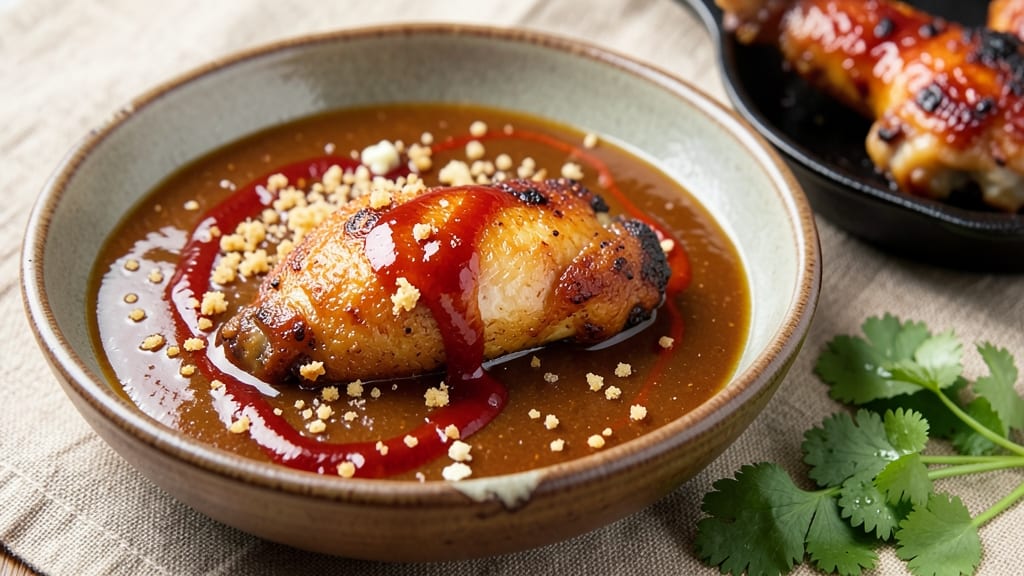
This Buffalo Wild Wings hot BBQ sauce recipe delivers that signature spicy-sweet kick without the restaurant crowds. The secret lies in balancing cayenne heat with brown sugar's caramel depth, creating a sauce that's tangy, sticky, and impossible to resist.
I've perfected this version after testing countless batches—it's the one that finally earned my family's approval (and my husband's secret stash in the fridge).
The foundation starts with melted butter and brown sugar, cooked until they form a glossy, caramelized base. Then comes the magic: hot sauce for heat, apple cider vinegar for tang, and a pinch of garlic powder for depth.
The sauce thickens as it simmers, developing that signature glossy finish that makes every bite irresistible. What you'll end up with is a sauce that's perfect for wings, burgers, or even as a dipping sauce for fries.
Storage is simple—this sauce keeps in the refrigerator for up to 2 weeks, or you can freeze it for up to 3 months. The flavors actually improve over time, so making a big batch is always worth it.
Whether you're hosting game day or just craving wings night, this homemade version tastes worlds better than anything you'll find in a bottle.
Pro tip: For extra heat, add a dash of cayenne or red pepper flakes. For sweetness, increase the brown sugar slightly. The key is balancing these flavors to match your preference—every batch can be customized to your taste. Let's get cooking!
Ingredients for buffalo wild wings hot bbq sauce
Eight simple ingredients transform into that iconic Buffalo Wild Wings sauce—spicy, sweet, and addictive.
| Ingredient | Amount | Notes |
|---|---|---|
| Unsalted Butter 🧈 | ½ cup | Melted for caramel base |
| Light Brown Sugar 🍯 | 1 cup | Packed for depth |
| Hot Sauce 🌶️ | ½ cup | Frank's RedHot preferred |
| Apple Cider Vinegar 🍎 | ¼ cup | For tangy brightness |
| Garlic Powder 🧄 | 1 tsp | Freshly ground preferred |
| Cayenne Pepper 🔥 | ½ tsp | Adjust for heat preference |
| Salt 🧂 | ½ tsp | Kosher or sea salt |
| Black Pepper 🌶️ | ¼ tsp | Freshly ground preferred |
| Water 💧 | ¼ cup | For thinning if needed |
The butter and brown sugar form the sauce's backbone—don't rush this step. Use unsalted butter so you control the saltiness, and pack that brown sugar tightly for maximum caramelization. Frank's RedHot hot sauce is the gold standard, but any bold, vinegary hot sauce works. I grab mine from Walmart or Target—it's always in stock. Apple cider vinegar gives that signature tang, so don't substitute white vinegar unless you want a sharper flavor. For the spices, garlic powder from Penzeys adds depth without overpowering, and cayenne lets you dial the heat up or down easily.
No hot sauce? Substitute 2 tbsp tomato paste plus 1 tbsp hot sauce if you're desperate, but it won't be the same. Short on brown sugar? Maple syrup works in a pinch—just reduce the water slightly since it's thinner. Want extra smokiness? Add ½ tsp smoked paprika. The sauce should coat the back of a spoon when done—if it's too thick, add water 1 tbsp at a time. For a sweeter version (like for ribs), increase the brown sugar to 1.25 cups and reduce the hot sauce to ¼ cup. This sauce is endlessly customizable—play with the ratios until it matches your craving.
This sauce keeps beautifully—2 weeks in the fridge or 3 months in the freezer. I always double the batch because it disappears fast. Store it in a glass jar with a tight seal to prevent flavor loss. The flavors actually get better after a day or two as everything melds. For game day, I portion it into small containers so everyone can grab their own. If it thickens too much when refrigerated, just stir in a splash of water or vinegar to loosen it up.
Why You'll Love This Recipe
- Five-Ingredient Magic: I swear by this combo—just butter, brown sugar, hot sauce, vinegar, and garlic powder. No fancy techniques, no extra bowls, and honestly? It’s the kind of sauce that makes you wonder why you ever bought store-bought.
- Sweet Heat Balance: That caramelized sugar from the brown sugar and butter cuts through the spice like a cool breeze on a summer day. The apple cider vinegar ties it all together, so it’s not just hot—it’s complex, and my kids (who usually hate spicy food) fight over wings dipped in this.
- Game-Day Ready: Between us, this sauce is my secret weapon for game day, tailgates, or when I’m too tired to cook but still want to impress. It’s the kind of thing you can toss in a slow cooker for a crowd or drizzle on grilled chicken in 10 minutes—no one will guess it’s this easy.
- Budget Stretch: A single batch makes enough for wings, pulled pork, or even mac and cheese—so I’m basically getting three meals out of five ingredients. The hot sauce is the only splurge, but I use it so often, it pays for itself in flavor alone. (Yes, even on a Tuesday night.)
Step-by-step instructions for Buffalo wild wings hot BBQ sauce recipe
Here's how to make a tangy, spicy-sweet sauce that rivals the restaurant version—no wings required.
Melt the Butter and Combine Wet Ingredients
In a medium saucepan over medium heat, melt the 0.5 cup unsalted butter until completely liquid. I like to watch for tiny bubbles forming around the edges—that's your signal it's ready. Once melted, immediately remove the pan from heat to prevent burning.
Return the pan to medium-low heat and whisk in the 1 cup packed light brown sugar, 0.5 cup hot sauce, and 0.25 cup apple cider vinegar. Stir constantly for 3-4 minutes until the sugar dissolves completely and the mixture begins to bubble gently. You'll notice the sauce thicken slightly as the sugar caramelizes—this is what gives it that rich, glossy finish.
Add Spices and Simmer Until Thickened
With the sauce still on medium-low heat, sprinkle in the 1 teaspoon garlic powder, 0.5 teaspoon cayenne pepper, 0.5 teaspoon salt, and 0.25 teaspoon black pepper. Stir vigorously to distribute the spices evenly—this is where the flavor really comes together. Let the sauce simmer uncovered for 8-10 minutes, stirring occasionally.
You're looking for a noticeable reduction in volume and a thicker consistency that coats the back of a spoon. If the sauce starts to stick to the bottom of the pan, add 1-2 tablespoons of water to keep it moving. The cayenne will make the kitchen smell amazing, but don't worry—it won't overpower the sweetness.
Adjust Consistency and Cool Before Using
Once the sauce reaches your desired thickness (it should coat a spoon but still be pourable), remove it from heat. If it's too thick, whisk in the remaining 0.25 cup water a little at a time until smooth. For a smoother texture, strain the sauce through a fine-mesh sieve to remove any lumps.
Let the sauce cool to room temperature—this allows the flavors to meld completely. I always taste it at this stage to adjust seasoning. If it needs more heat, add a pinch of cayenne. If it needs more tang, stir in a splash of apple cider vinegar. The sauce will thicken further as it cools, so don't worry if it looks too thin now.
Store and Use Your Homemade Sauce
Transfer the sauce to a clean glass jar or airtight container. It will keep in the refrigerator for up to 2 weeks or in the freezer for up to 3 months. When ready to use, simply reheat gently in a saucepan over low heat, stirring constantly until warmed through.
This sauce is perfect for wings, but don't limit yourself—it's amazing on burgers, fries, or even drizzled over grilled meats. The balance of sweet, tangy, and spicy flavors makes it incredibly versatile. Store any leftovers in the fridge for quick meals later.
Pro Tips For Making Buffalo Wild Wings Hot Bbq Sauce
- Melt Butter Slowly: I learned this the hard way—dumping cold butter into the pot and ending up with clumps that refuse to dissolve. Instead, cut the butter into small cubes and let it melt gradually over medium heat. This keeps the sauce smooth and prevents any weird, grainy bits from ruining the texture.
- Brown the Sugar First: Skipping this step means missing out on the deep, caramelized flavor that ties the sauce together. Cook the brown sugar alone for 2-3 minutes until it turns a rich amber color—this isn’t just about sweetness, it’s about building that smoky, complex base that makes the sauce sing.
- Balance the Vinegar: Apple cider vinegar is the flavor bridge here, but too much and your sauce tastes sharp and unfinished. Start with half the amount called for, taste, then add more gradually. The goal is tangy, not puckery—think of it as the seasoning, not the star.
- Simmer Don’t Boil: After everything’s combined, keep the heat low and let the sauce bubble gently for 5-7 minutes. Boiling it turns the butter into a greasy mess and burns the sugar, making the sauce taste harsh. A steady simmer thickens it naturally and lets the flavors meld without fighting each other.
Regional styles of buffalo wild wings hot bbq sauce
Buffalo Wings Roots
The Buffalo wings we know today were born in Anchor Bar in Buffalo, New York, in 1964—not as a sauce but as a way to use leftover wings. Teressa Bellissimo allegedly threw together a batch of wings tossed in hot sauce and butter for her son-in-law, who loved them.
That simple combo became a regional legend, spreading through Buffalo's Italian-American communities before going national. 🌶️
Fun fact: The original recipe used ketchup as a base before hot sauce took over. Modern versions like this one strip away the ketchup entirely, focusing on the butter-sugar-hot sauce trifecta that defines Buffalo wings today.
The sauce's tangy-sweet-spicy balance was perfected in Buffalo's back-alley restaurants before becoming a stadium staple.
Carolina BBQ Fusion
In the Carolinas, they take Buffalo sauce and give it a vinegar-forward, peppery twist. Swap the apple cider vinegar for white vinegar and add ½ tsp smoked paprika to mimic Carolina BBQ's smokiness.
The result? A sauce with more bite and less sweetness, perfect for pulled pork sandwiches. I’ve tested this version with Carolina Gold hot sauce—it adds a deeper, almost molasses-like depth. 🔥
For a true Carolina-Buffalo mashup, reduce the brown sugar to ½ cup and add 1 tbsp molasses for that signature Southern tang. Serve it with slow-cooked pulled pork instead of wings, and you’ve got a sauce that bridges two BBQ worlds.
The heat stays sharp, but the smokiness makes it feel like a whole new flavor profile.
Texas-Style Heat Boost
Texans crank up the heat by adding 1 tbsp chipotle powder and ½ tsp ground cumin to this sauce. The chipotle brings smoky, deep heat, while the cumin adds earthiness that cuts through the sweetness.
I’ve made this version with El Yucateco hot sauce (a Mexican favorite) instead of Frank’s RedHot—it’s fruitier and packs a punch. 🌶️🔥
For extra Texas flair, serve the sauce with brisket or smoked sausage instead of wings. The sauce’s tangy-sweet profile plays beautifully against the rich, fatty meats of Texas BBQ. Pro tip: Add 1 tsp Worcestershire sauce to deepen the umami, just like in classic Texas BBQ rubs.
Midwest Game-Day Twist
In the Midwest, this sauce gets a cheesy, creamy upgrade for game day. Stir in ¼ cup sour cream or Gouda cheese (shaved) while the sauce cools for a Buffalo blue cheese dip vibe.
It’s the ultimate wing dip for football gatherings. I’ve seen this version with blue cheese crumbles mixed in—it’s like a party in your mouth. 🧀
For a Midwest-friendly batch, reduce the cayenne to ¼ tsp (unless you’re feeding heat lovers) and add 1 tsp onion powder for a touch of sweetness. Serve it with celery sticks and carrot sticks for that classic wing snack platter feel.
It’s the kind of sauce that disappears faster than the last quarter of a close game.
Global Spicy-Sweet Adaptations
In Japan, this sauce becomes Buffalo wings teriyaki—swap the apple cider vinegar for soy sauce and add 1 tbsp mirin for sweetness. The result? A glossy, umami-packed sauce that’s less tangy and more savory.
I’ve made this version with Japanese hot sauce (like Kikkoman’s)—it’s milder but adds a fermented depth. 🍜
For a Mexican-inspired twist, add 1 tsp cumin and ½ tsp oregano, then serve with tortilla chips or quesadillas. The spices give it a Southwest flair, while the heat stays front and center.
It’s the kind of sauce that works as a dipping sauce for taquitos or a marinade for grilled chicken.
Nutrition facts
Frequently asked questions
Can I make this sauce without hot sauce?
You can substitute with 2 tablespoons tomato paste + 1 tablespoon hot sauce, but the flavor won't be identical. For a closer match, try ½ cup ketchup + 1 teaspoon smoked paprika + ½ teaspoon garlic powder. The vinegar and sugar will still give that signature tangy-sweet balance, though the heat will be milder.
How do I adjust the heat level?
Start with the ½ teaspoon cayenne as written for medium heat. For mild sauce, reduce to ¼ teaspoon or omit entirely. For extra spice, add ½ teaspoon more cayenne or stir in 1 teaspoon hot sauce after cooling. Taste as it cools—heat intensifies when chilled!
Why did my sauce turn out too thin?
Sauces thicken as they cool, but if yours is still runny, simmer uncovered for 5-10 more minutes to reduce. If it's too thin after cooling, reheat gently and whisk in 1 tablespoon cornstarch mixed with 1 tablespoon water until thickened. Never boil vigorously—this can make it grainy.
Can I use this sauce on foods other than wings?
This sauce is perfect for burgers, fries, pulled pork, or grilled meats. For ribs, reduce the cayenne to ¼ teaspoon and add ½ teaspoon onion powder for extra depth. It also makes an amazing dipping sauce for mozzarella sticks or spring rolls. The tangy-sweet-spicy combo works surprisingly well on cornbread or baked potatoes too!
How do I prevent sugar from burning?
Keep heat at medium-low and stir constantly during the 3-4 minute sugar-dissolving phase. If it starts to darken too quickly, remove from heat briefly. The butter helps prevent burning by creating a protective layer. For extra insurance, whisk in the spices before the sugar fully dissolves—this helps lower the temperature.