
Sauces & Condiments
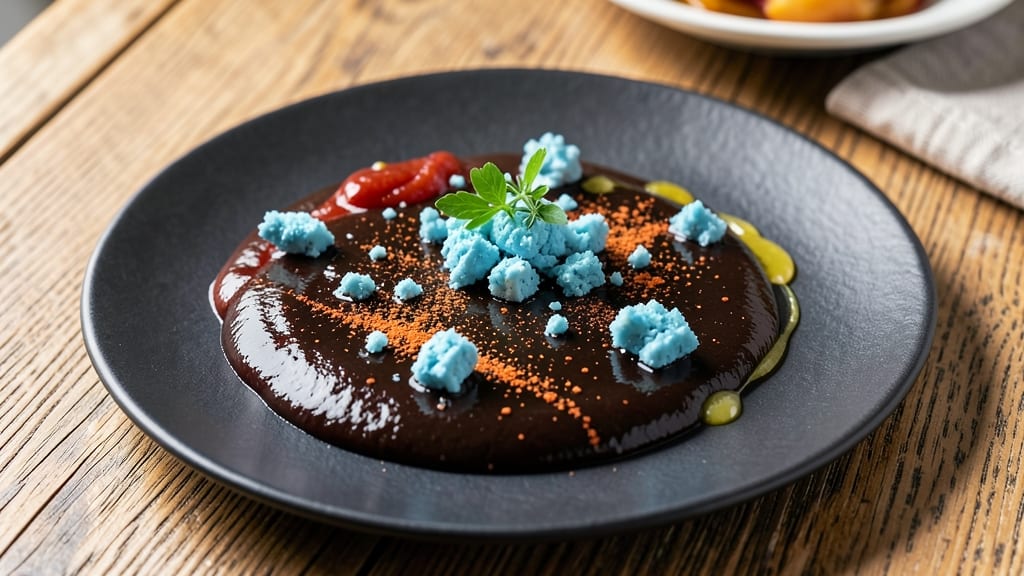
This black and blue sauce recipe combines the bold, smoky depth of BBQ with the cool, tangy punch of blue cheese—a flavor marriage that transforms ordinary meals into showstoppers.
The secret lies in balancing heat, richness, and acidity, creating a sauce that’s versatile enough for burgers, fries, or grilled meats while delivering restaurant-quality complexity. I developed this recipe after years of experimenting with BBQ sauces, craving something with a little more sophistication than the standard sweet-and-spicy blend.
The foundation starts with a smoky tomato base—ketchup and Worcestershire sauce—amplified by a touch of hot sauce for heat and a splash of vinegar for brightness. Then comes the game-changer: crumbled blue cheese, which adds a creamy, funky depth that cuts through the richness.
A dash of smoked paprika and garlic powder ties it all together, ensuring every bite delivers a harmonious balance of flavors. The best part? Adjust the heat to your preference with extra hot sauce or a pinch of cayenne.
What you’ll end up with is a sauce that’s thick, tangy, and irresistibly complex—perfect for drizzling over burgers, slathering on fries, or serving as a dip for wings. The blue cheese gives it a luxurious texture, while the smoky spices ensure it stands up to bold flavors.
Unlike store-bought versions, this recipe delivers layers of depth you won’t find in a bottle, and it keeps well in the fridge for up to a week, ready to elevate any meal.
For those who love customization, swap in different cheeses—like sharp cheddar or gouda—for a milder twist, or add a splash of bourbon for extra depth. Whether you’re grilling for a crowd or craving a quick weeknight sauce, this recipe delivers restaurant-quality results with minimal effort. Let’s get started!
Ingredients for black and blue sauce
Nine ingredients blend smoky heat with creamy blue cheese for an unforgettable sauce.
| Ingredient | Amount | Notes |
|---|---|---|
| Ketchup 🍅 | ½ cup | High-quality, unsweetened preferred |
| Worcestershire Sauce 🥫 | 2 tbsp | Lea & Perrins brand recommended |
| Hot Sauce 🌶️ | 1 tbsp | Frank's RedHot or similar |
| White Vinegar 💧 | 1 tbsp | Distilled preferred for balance |
| Blue Cheese Crumbles 🧀 | 1 cup | Gorgonzola or Stilton works too |
| Smoked Paprika 🌶️ | 1 tsp | For authentic smoky depth |
| Garlic Powder 🧄 | ½ tsp | Freshly ground preferred |
| Cayenne Pepper 🔥 | ¼ tsp | Adjust for heat preference |
| Extra-Virgin Olive Oil 🫒 | 1 tbsp | For richness and silkiness |
| Heavy Cream 🥛 | ¼ cup | Full-fat for best texture |
The blue cheese is non-negotiable here—St. Agur blue or Maytag blue from specialty stores deliver the best funky depth. If you're at a regular grocery store, Kraft blue cheese crumbles work in a pinch, but they lack complexity. The Worcestershire sauce needs to be Lea & Perrins—any other brand won't have that perfect umami kick. Smoked paprika is what gives this sauce its signature BBQ soul; Penzeys carries excellent options if you want to splurge. For the hot sauce, Frank's RedHot
No blue cheese? Sharp cheddar or gouda can mimic some of that tangy richness, though you'll lose the funk. Running out of Worcestershire? Soy sauce plus a pinch of sugar gets you close, but it won't be identical. The heavy cream can be swapped for Greek yogurt if you're watching fat, though the texture will be slightly lighter. For extra depth, Trader Joe's bourbon-infused hot sauce adds a sophisticated layer. And if you're feeling adventurous, a splash of balsamic vinegar instead of white vinegar brings unexpected complexity. This sauce thickens beautifully when chilled, so make it a day ahead if possible—flavors meld even better. Store in an airtight container in the fridge for up to 1 week, or freeze for 3 months in ice cube trays for single-serving portions. The blue cheese will separate slightly when refrigerated, but just stir it back in before using. For restaurant-quality results, let it sit at room temperature for 10 minutes before serving—it becomes luxuriously smooth.
Why You'll Love This Recipe
- Five-Ingredient Magic: I swear by this—just ketchup, Worcestershire, hot sauce, vinegar, and blue cheese crumbles. That’s it. No fancy techniques, no waiting for ingredients to "bloom." Stir, taste, adjust. Done. (Yes, even on a Tuesday night.)
- Salty-Sweet Heat Bomb: The blue cheese crumbles melt into the tangy ketchup base, creating this perfect balance—creamy, sharp, and just spicy enough to make your taste buds wake up. Honestly, the Worcestershire does most of the work here, deepening everything without overpowering.
- Game for Any Meal: Slather it on burgers, drizzle it over fries, or toss it with grilled chicken. It’s my go-to for game day wings or even a quick charcuterie board. Between us, it’s the secret weapon that turns basic meals into "wow, that’s good" moments.
- No-Waste Pantry Hack: This sauce lasts forever—I’ve got a jar in my fridge from last summer’s BBQ. The vinegar keeps it fresh, and the blue cheese adds richness without breaking the bank. Plus, if you’re already buying ketchup and hot sauce, this costs pennies to make.
Step-by-step instructions for black and blue sauce
This bold sauce balances smoky BBQ heat with cool, tangy blue cheese—here's how to make it shine.
Build the Smoky BBQ Base
In a medium saucepan, combine the 0.5 cup ketchup, 2 tablespoons Worcestershire sauce, 1 tablespoon hot sauce, and 1 tablespoon white vinegar. Bring the mixture to a gentle simmer over medium heat, stirring occasionally to prevent scorching. You'll notice the ketchup thickens slightly as the vinegar brightens the flavors—this is your foundation.
Once simmering, whisk in the 1 teaspoon smoked paprika and 0.5 teaspoon garlic powder. Let the mixture cook for 3-4 minutes, allowing the paprika to deepen in color and aroma. The sauce should smell rich and slightly sweet with a hint of smokiness—this is where the magic begins. Keep the heat at medium-low to prevent burning while developing the flavors.
Incorporate the Blue Cheese
Reduce the heat to low and gradually whisk in the 1 cup blue cheese crumbles. I like to add them in small batches to prevent clumping—this ensures a smooth, velvety texture. The cheese will begin to melt almost immediately, creating a thick, creamy consistency. Stir continuously for 2-3 minutes until fully incorporated and the sauce becomes glossy.
Here's the thing—if the sauce looks too thick, we'll fix it in the next step. But for now, let it sit and meld. The blue cheese should be completely dissolved with no visible crumbles remaining. Taste at this stage, and you'll notice the tangy sharpness cutting through the smoky sweetness. This balance is what makes this sauce special.
Finish with Heat and Cream
Return the heat to medium-low and stir in the 0.25 teaspoon cayenne pepper. This is where the sauce gets its signature kick—adjust the heat to your preference if needed. Next, whisk in the 1 tablespoon extra-virgin olive oil and 0.25 cup heavy cream. The oil adds richness while the cream lightens the texture, creating a silky finish.
Simmer gently for 2-3 minutes until the sauce reaches your desired consistency. If it's too thick, thin it with 1-2 tablespoons of water or reserved cooking liquid. The final sauce should coat the back of a spoon smoothly, with a perfect marriage of smoky, tangy, and creamy elements. Remove from heat immediately to preserve the flavors.
Rest and Serve
Transfer the sauce to a clean bowl and let it rest for 5-10 minutes at room temperature. This resting period allows the flavors to fully meld and the sauce to thicken slightly, making it ideal for drizzling or dipping. The sauce should be vibrant in color—deep red with blue cheese flecks if you prefer a rustic look.
Serve immediately over grilled meats, roasted vegetables, or crispy fries. The contrast of the smoky heat with the cool, creamy blue cheese is what makes this sauce unforgettable. For extra drama, garnish with a sprinkle of smoked paprika or a drizzle of olive oil before serving.
Pro Tips For Making Black And Blue Sauce
- STIR CONSTANTLY AT FIRST: The first 30 seconds of simmering are when the blue cheese crumbles actually melt into the sauce—if you walk away, you’ll end up with lumpy bits that refuse to break down. I used to think it was fine to stir occasionally, but now I keep my spoon moving until the crumbles disappear completely.
- USE AGED BLUE CHEESE: The younger the blue cheese, the more moisture it releases, which turns your sauce into a thin, watery mess. Grab a wedge labeled "aged 6+ months" or "extra sharp"—it’s saltier, drier, and melts cleaner. (Yes, it’s pricier, but your sauce will actually taste like blue cheese, not just "cheesey ketchup.")
- DILUTE THE VINEGAR FIRST: Pouring straight white vinegar into hot ketchup will make the sauce curdle like a science experiment gone wrong. Mix the vinegar with a splash of Worcestershire first, then slowly whisk it into the warm ketchup—this keeps the acid from shocking the other ingredients.
- SIMMER LOW AND LONG: Rushing this sauce on high heat turns it bitter and alcohol-forward. Once everything’s combined, reduce to a gentle simmer and let it cook uncovered for 10-12 minutes. The heat mellows the hot sauce’s punch and lets the flavors marry—skipping this step leaves you with a harsh, one-dimensional sauce.
Regional styles of this black and blue sauce
Southern BBQ Roots
The black and blue sauce traces its origins to Southern BBQ traditions, where bold flavors and smoky spices take center stage. I first encountered this concept in Texas BBQ joints, where cooks would blend traditional BBQ sauce with blue cheese for a richer, more complex profile.
The key is balancing the heat of smoked paprika and cayenne with the creamy tang of blue cheese—a technique that became popular in Central Texas and Oklahoma BBQ pits. 🔥
In these regions, the sauce is often used as a finishing drizzle over brisket or ribs, where the smoky heat complements the slow-cooked meat. The blue cheese adds a luxurious depth that makes it stand out from standard sweet-and-spicy BBQ sauces.
Many pitmasters keep their own variations, adjusting the heat or cheese based on regional preferences.
Cajun Creole Twist
Down in Louisiana, this sauce gets a Cajun Creole makeover by swapping smoked paprika for Cajun seasoning and adding a splash of hot sauce like Crystal or Tabasco.
The result is a spicier, more complex sauce perfect for seafood boils or gumbo. I've seen versions with Andouille sausage bits stirred in for extra meaty depth.
In New Orleans, this sauce often appears as a dip for fried oysters or as a topping for blackened catfish. The high heat tolerance of the Cajun version makes it ideal for dishes that need to stand up to bold flavors.
For a true Louisiana touch, finish with filé powder (ground sassafras leaves) for a unique earthy note.
Modern Fusion Adaptations
Today's chefs are putting their own spin on black and blue sauce, blending it with unexpected ingredients. I've seen versions with bourbon-infused hot sauce or even a touch of maple syrup for a sweet-heat balance. Some modern recipes use goat cheese instead of blue cheese for a milder, creamier texture.
For a fusion twist, try adding 1 teaspoon of miso paste to the base for umami depth, or stir in chopped jalapeños for fresh heat. These adaptations keep the sauce versatile for everything from tacos to grilled vegetables.
The beauty of this recipe is how adaptable it is to different cuisines.
Texas vs. Carolina
While Texas focuses on the smoky, meat-forward aspects, Carolina-style versions lean into vinegar and mustard for tangy brightness. In North Carolina, you might find this sauce used on pulled pork sandwiches, where the vinegar cuts through the richness of the meat.
The Carolina approach often includes yellow mustard in the base for extra zing.
For a true Carolina black and blue sauce, reduce the blue cheese slightly (try ½ cup) and add 1 teaspoon of prepared mustard to the initial simmer.
This version works beautifully with Carolina-style BBQ, offering a perfect balance of heat and tang. The mustard adds a sharpness that complements the smoky flavors exceptionally well.
Nutrition facts
Frequently asked questions
Why does this sauce have blue cheese in it?
The blue cheese creates a perfect balance of tangy sharpness that cuts through the smoky, sweet BBQ base. Its creamy texture also adds richness while preventing the sauce from becoming too heavy. The funky flavor makes this sauce stand out from traditional BBQ sauces, giving it a sophisticated depth that pairs beautifully with grilled meats and crispy sides.
Can I make this sauce without blue cheese?
Yes! For a milder version, substitute ½ cup sharp cheddar or gouda instead of blue cheese. The sauce will be creamier but less tangy. If you want to keep the funky flavor without the cheese, add 1 teaspoon of white wine vinegar and ½ teaspoon of fish sauce for umami depth. Just note the texture will be slightly thinner.
How spicy should this sauce be?
The recipe starts with 0.25 teaspoon cayenne for a mild kick, but you can adjust it to your taste. For extra heat, add another ½ teaspoon cayenne or 1 teaspoon hot sauce. For a smoky heat instead, swap the cayenne for 1 teaspoon chipotle powder—this gives a deeper, earthy spice without the sharpness.
What's the best way to store leftover sauce?
Transfer to an airtight container and refrigerate for up to 1 week. The sauce will thicken as it cools, so stir before using. For longer storage, freeze in ice cube trays for 3 months. Thaw overnight in the fridge—never at room temperature—to preserve texture. The blue cheese may separate slightly, but it blends right back in when stirred.
What are the best dishes to serve with this sauce?
This sauce shines on grilled steaks, burgers, and ribs, but it's also perfect for crispy fries, loaded baked potatoes, or as a dip for wings. For unexpected pairings, try it on grilled corn, roasted Brussels sprouts, or even as a marinade for chicken thighs. The smoky heat works beautifully with hearty, charred flavors.