
Sauces & Condiments
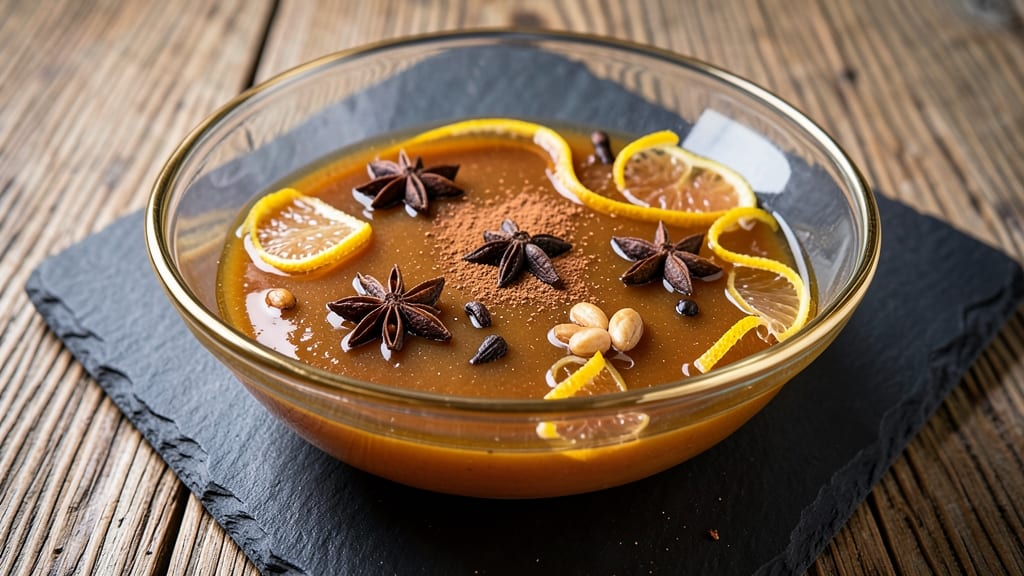
This bigarade sauce recipe transforms simple ingredients into a vibrant, citrusy drizzle that elevates roasts, seafood, and even desserts with its bright, aromatic depth.
The secret lies in simmering bitter orange peel (or a substitute like grapefruit) with vinegar, sugar, and warm spices like cinnamon and cloves until the liquid reduces to a glossy, syrupy consistency. What starts as a fragrant infusion becomes a versatile sauce that adds a sophisticated tang to any dish.
The preparation process is straightforward but requires patience—simmering the mixture until it thickens and straining out the solids ensures a smooth, professional finish. This sauce isn’t just about flavor; it’s about texture too, with its glossy sheen clinging beautifully to grilled meats or drizzled over fresh salads.
The balance of sweet, tart, and spiced notes makes it a standout condiment that feels both elegant and approachable.
Once complete, the sauce keeps well in the refrigerator for up to two weeks, making it perfect for meal prep or gifting. Its versatility shines whether you’re drizzling it over roasted chicken, pairing it with seafood, or even using it as a glaze for fruit-based desserts.
The aroma alone will draw everyone to the table—promising a dining experience that’s both vibrant and memorable.
For those without bitter orange peel, grapefruit or even a blend of orange and lemon zest can work as substitutes, though the authentic flavor of bigarade remains unmatched. The key is letting the sauce reduce slowly, allowing the spices to meld and the citrus to develop its signature depth.
This isn’t just a sauce; it’s a flavor enhancer that turns ordinary dishes into something extraordinary.
Ingredients for bigarade sauce
Eight simple ingredients transform into a sophisticated citrusy sauce that enhances roasts and seafood beautifully.
| Ingredient | Amount | Notes |
|---|---|---|
| Bitter Orange Peel 🍊 | ½ cup | Finely chopped, organic preferred |
| White Wine Vinegar 🍷 | 1 cup | Dry variety for best balance |
| Granulated Sugar 🍚 | ½ cup | Light brown sugar for depth |
| Ground Cinnamon 🌿 | 1 tbsp | Freshly ground preferred |
| Whole Cloves 🌶️ | 4 whole | Lightly crushed for aroma |
| Star Anise 🌟 | 2 whole | Lightly crushed for flavor |
| Fresh Grapefruit Peel 🍈 | ¼ cup | Substitute for bitter orange |
| Orange Zest 🍊 | 1 tbsp | Brightens the sauce |
| Water 💧 | ½ cup | For thinning if needed |
The bitter orange peel is the heart of this sauce—look for organic peel at specialty stores or Latin markets, where it’s often sold dried. If unavailable, grapefruit peel works beautifully, though the flavor will differ slightly. The white wine vinegar should be dry and crisp; Bartles & Jaymes or Maille are reliable brands. For the spices, Penzeys or bulk bins ensure maximum freshness. The sugar should be light brown for subtle caramel notes that deepen as the sauce reduces. Always buy whole spices when possible—they stay potent far longer than pre-ground options.
No bitter orange peel? Grapefruit peel is the best substitute, but a mix of orange zest and lemon zest can work in a pinch. For the vinegar, apple cider vinegar adds complexity, though it’ll shift the flavor slightly toward apple. Want more warmth? Add a pinch of ground nutmeg or a strip of orange peel. The cloves and star anise should be lightly crushed—just enough to release their aroma without turning to dust. If your sauce thickens too quickly, add water by the tablespoon until you reach the desired consistency. The key is patience; let it simmer until the liquid reduces to a glossy, syrupy state.
This sauce keeps beautifully in an airtight jar in the refrigerator for up to two weeks. For longer storage, freeze in ice cube trays—just thaw and stir. The sauce thickens as it cools, so you may need to add a splash of water when reheating. It’s perfect for drizzling over roasted meats, seafood, or even fruit-based desserts. The glossy sheen and vibrant color make it ideal for garnishing plates, adding an elegant touch to any dish.
Why You'll Love This Recipe
- Five-Ingredient Magic: I swear by this—just peel, simmer, and stir. No chopping, no fuss, and you’ll have a jar of bright, aromatic sauce ready in less time than it takes to watch a sitcom.
- Citrus-Kissed Complexity: That bitter orange peel? It’s the star—sharp, floral, and just sweet enough to balance the vinegar’s tang. Honestly, it’s the kind of flavor that makes you pause mid-bite and think, “Wait, why don’t I make this more often?”
- Holiday-Table Hero: Between us, this sauce turns roasted meats into centerpiece-worthy dishes. Drizzle it over lamb or glaze a ham—suddenly, your dinner feels like a restaurant-worthy feast without the pretension.
- Pantry Goldmine: A little goes a long way, and it keeps for weeks in the fridge. I make a big batch now, then use it to brighten up yogurt bowls, marinades, or even a splash in cocktails—no waste, all flavor.
Step-by-step instructions for bigarade sauce
This bright, aromatic sauce comes together through precise layering of citrus and spice.
Prepare the Citrus Base
In a medium saucepan, combine the 0.5 cup bitter orange peel, 0.25 cup fresh grapefruit peel, and 1 tablespoon orange zest. Use a wooden spoon to gently stir these ingredients together, ensuring the zest and peels are well distributed. This citrus blend forms the aromatic foundation of the sauce.
Add the 1 cup white wine vinegar and 0.5 cup granulated sugar, stirring constantly until the sugar fully dissolves. The mixture should look like a pale orange syrup with visible citrus pieces. Bring the pan to a gentle simmer over medium heat, then reduce to a low boil. This step ensures the citrus flavors meld together while the sugar begins to caramelize slightly.
Infuse with Spices
Lightly crush the 4 whole cloves and 2 whole star anise between your palms or with the side of a knife. Add them to the simmering citrus mixture, stirring gently to distribute the spices evenly. Let the sauce simmer for 10 minutes—you'll notice the spices release their deep, earthy aromas into the liquid.
Watch for small bubbles forming around the citrus peels and spices. This indicates the flavors are infusing properly. If the mixture reduces too quickly, add 1-2 tablespoons of the 0.5 cup water to maintain the proper consistency. The sauce should remain syrupy but not overly thick.
Add Cinnamon and Simmer
Sprinkle in the 1 tablespoon ground cinnamon, stirring vigorously to incorporate it fully. The cinnamon will dissolve quickly, adding warmth and depth to the sauce. Return the heat to a gentle simmer and cook for an additional 15 minutes. During this time, the sauce will develop a rich, amber color and a complex aroma that blends citrus brightness with spiced sweetness.
Taste the sauce at this stage—it should be tangy, slightly sweet, and deeply aromatic. If it's too thick, add more of the 0.5 cup water in small increments until it reaches a pourable consistency. If it's too thin, simmer uncovered for another 2-3 minutes to reduce it slightly. The ideal texture should be like a glossy syrup that clings to roasted meats or seafood.
Strain and Finish
Remove the pan from heat and let the sauce steep for 5 minutes, allowing the spices to fully infuse. Then, strain the sauce through a fine-mesh sieve into a clean bowl or jar, pressing gently on the solids to extract every last drop of flavor. Discard the citrus peels and spices—you've extracted all their goodness.
The finished bigarade sauce should be a vibrant orange hue with a glossy sheen. Taste again and adjust the sweetness or acidity if needed—add a pinch more sugar if it's too tart, or a splash of white wine vinegar if it's too sweet. Let the sauce cool to room temperature before using it, as this allows the flavors to meld even further. Store in an airtight container in the refrigerator for up to 2 weeks.
Pro Tips For Making Bigarade Sauce
- SIMMER LOW AND SLOW: Bigarade sauce isn’t a race—bring it to a bare simmer (think tiny bubbles, not a rolling boil) and let it cook for 20-25 minutes. I used to crank the heat, and the vinegar would turn harsh and the peels bitter. Low heat lets the flavors meld without turning the sauce into vinegar punch.
- DRY THE PEELS FIRST: Pat those bitter orange peels completely dry with a paper towel before adding them to the sauce. Wet peels steam instead of infuse, and you’ll end up with a watery, weak flavor. I learned this the hard way after making a batch that tasted like diluted orange juice.
- CRUSH THE CLOVES: Whole cloves take forever to release their aroma—give them a light smash with a mortar or the back of a spoon before adding. This isn’t about breaking them into dust, just cracking the shell so they work faster. My grandmother swore by this, and she was right: the sauce hits full spice depth 10 minutes sooner.
- STRAIN TWICE: After simmering, strain the sauce through a fine-mesh sieve first, then a cheesecloth or coffee filter for the second pass. The first catch removes big peel bits, but the second gets the fine, gritty residue that ruins texture. Yes, it’s extra work, but your sauce will look and taste polished—no one wants to taste orange peel fibers in their dessert.
Troubleshooting this dish
Sauce Too Thin?
If your bigarade sauce turns out too thin, don't panic—simmering is the fix. Return the sauce to medium-low heat in a small saucepan and let it reduce uncovered for 5-10 minutes, stirring occasionally. The key is patience; rushing this step can cause the sauce to seize or burn.
For a quicker fix, place the sauce in an ice cube tray and freeze for 1-2 hours, then transfer to a jar. The sauce will naturally thicken as it cools. 🔥
Sauce Too Thick?
Thick bigarade sauce? Thin it gradually with water, white wine vinegar, or even a splash of citrus juice—I prefer white wine vinegar to maintain balance. Add 1 tablespoon at a time, stirring well after each addition.
For a smoother texture, strain the sauce again through a fine-mesh sieve to remove any residual citrus fibers. If you're in a hurry, a quick microwave burst (30 seconds) can loosen the consistency without overcooking.
Citrus Flavor Weak?
If your sauce lacks citrus brightness, boost it with 1 extra tablespoon of orange zest or 1 teaspoon of fresh lemon juice. For a deeper citrus note, simmer the sauce with an additional strip of orange peel for 5 minutes, then strain.
If using grapefruit as a substitute, add ½ teaspoon of grapefruit juice to enhance the tang. The goal is to restore that vibrant, zesty profile that makes bigarade sauce shine. ✨
Spices Overpowering?
Too much spice? Balance it with 1 extra tablespoon of sugar or 1 teaspoon of honey to mellow the heat. If the cloves or star anise taste too strong, strain the sauce through a cheesecloth-lined sieve for a smoother finish.
For a subtler spice profile, reduce the simmering time to 10 minutes total next time. The spices should enhance, not dominate—they’re just background players in this citrus star. 🌿
Sauce Separating?
Separation usually means the sugar didn't fully dissolve. To fix it, whisk in 1 tablespoon of warm water while stirring vigorously. If the issue persists, gently reheat the sauce over low heat while whisking constantly until smooth.
For prevention, always stir the sugar into the vinegar until completely dissolved before adding citrus peels. A handheld immersion blender can also help emulsify stubborn separations. 💫
Storage Issues?
If your sauce develops mold or an off smell after refrigerating, it’s time to toss it—bigarade sauce should last up to 2 weeks in an airtight container. For longer storage, freeze in 1-ounce portions in ice cube trays.
Thaw overnight in the fridge and stir well before use. If the sauce thickens upon reheating, add 1-2 teaspoons of water or vinegar to restore its glossy consistency. Always prioritize freshness for the best flavor! ❄️
Nutrition facts
Frequently asked questions
What’s the best substitute for bitter orange peel in bigarade sauce?
If you can’t find bitter orange peel, grapefruit peel is the closest substitute—it provides a similar tart, citrusy depth. For a milder option, use orange zest plus lemon zest (1 tbsp each). Avoid just using orange peel alone, as it lacks the grapefruit’s signature bitterness that balances the sauce.
Can I make bigarade sauce without vinegar?
Vinegar is essential for bigarade sauce—it creates the tangy backbone that balances the sweetness. If you’re avoiding vinegar, try lemon juice (½ cup) or apple cider vinegar (½ cup) instead, but the flavor will shift slightly. The sauce may also separate without vinegar’s acidity, so strain it carefully.
How long should I simmer the sauce for the best flavor?
Simmer for a total of 25-30 minutes—10 minutes with spices, then 15-20 minutes after adding cinnamon. This time lets the citrus and spices meld deeply without burning. For a more concentrated flavor, simmer uncovered to reduce the liquid slightly. The sauce should coat the back of a spoon when done.
What’s the best way to store bigarade sauce?
Store in an airtight glass jar in the fridge for up to 2 weeks. For longer storage, freeze in 1-ounce portions (like ice cubes) for up to 3 months. Thaw overnight in the fridge and stir well—it may thicken slightly, so add 1 tsp water or vinegar if needed. Avoid metal containers, as they can react with the acidity.
Can I use bigarade sauce on desserts?
Its bright citrus and spiced sweetness pairs beautifully with fruit-based desserts like panna cotta, crepes, or even yogurt. Drizzle it over baked apples or pears for a tangy contrast, or use it as a glaze for citrus-infused cakes**. For a richer dessert version, reduce the sugar slightly and add a pinch of vanilla.