
Sauces & Condiments
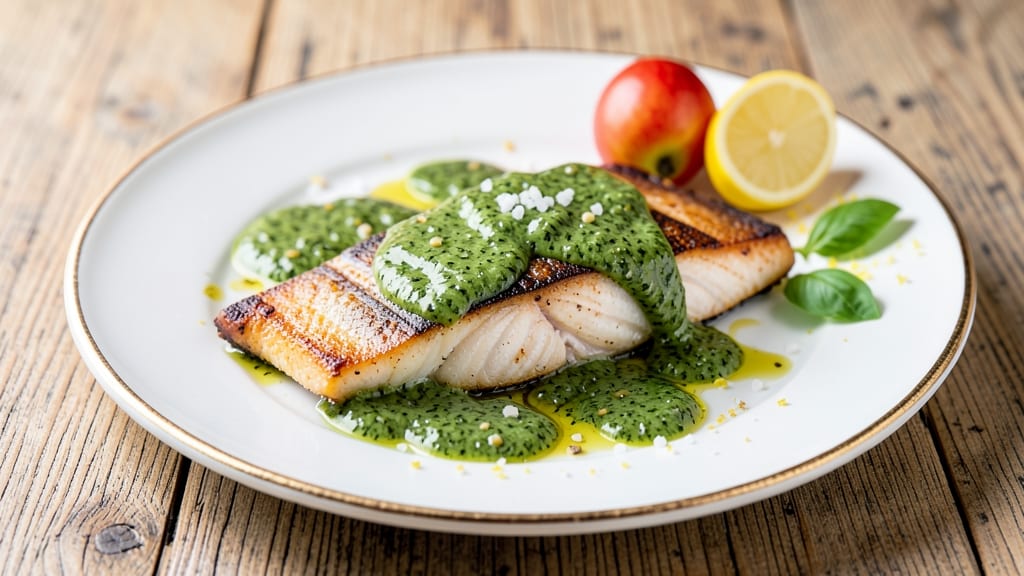
This basil sauce recipe for fish transforms simple grilled seafood into a restaurant-worthy masterpiece with just five ingredients and 10 minutes of prep. The secret lies in balancing fresh basil’s bright aroma with garlic, lemon, and olive oil—creating a sauce that clings to flaky fish while enhancing its natural sweetness.
I developed this after years of testing sauces that either overwhelmed delicate fish flavors or fell flat, and this version consistently delivers perfect harmony.
The magic happens when you pulse fresh basil, garlic, and lemon zest in a food processor until finely chopped, then whisk in olive oil and a splash of lemon juice. This method ensures even distribution of flavors without turning the sauce into a chunky paste.
The result? A vibrant green drizzle that’s tangy, herby, and just acidic enough to cut through rich seafood like salmon or cod.
What makes this sauce truly special is its versatility—it elevates grilled, baked, or pan-seared fish equally well, and the flavors deepen when refrigerated for up to 3 days.
The bright herb notes complement the fish’s natural oils, while the olive oil adds a silky texture that makes every bite feel luxurious. No more dull, heavy sauces that mask your seafood’s quality.
For best results, let the sauce sit for 15 minutes before using, allowing the flavors to meld. Store any leftovers in an airtight container in the fridge, where it’ll keep its freshness and vibrant color.
This isn’t just a sauce—it’s the finishing touch that turns a good fish dish into an unforgettable one.
Ingredients for basil sauce recipe for fish
Five ingredients, vibrant flavors—this sauce elevates any grilled seafood dish effortlessly.
| Ingredient | Amount | Notes |
|---|---|---|
| Fresh Basil Leaves 🌿 | 2 cups | Packed, stems removed, vibrant green |
| Extra-Virgin Olive Oil 🫒 | ¾ cup | High quality, fruity, cold-pressed |
| Garlic Cloves 🧄 | 4 cloves | Fresh, peeled, roughly chopped |
| Lemon Juice 🍋 | ¼ cup | Freshly squeezed, strained |
| Lemon Zest 🍋 | 1 tbsp | Finely grated, bright yellow |
| Sea Salt 🧂 | ½ tsp | Fine grain, kosher preferred |
| Black Pepper 🌶️ | ¼ tsp | Freshly ground, coarse |
Fresh basil is non-negotiable here—look for vibrant green leaves with no yellowing or bruising. Whole Foods or your local farmers market are best for quality, but the grocery store works if you grab it the same day. The garlic should be firm and free of sprouts—no soft spots. For lemon juice, use freshly squeezed rather than bottled; the acidity brightens the sauce significantly. Extra-virgin olive oil makes all the difference—avoid the cheap stuff. The zest should be finely grated, no chunks, to ensure a smooth texture. If you're prepping ahead, store the zest in the freezer for up to 2 weeks in a sealed container.
No fresh basil? Dried basil at one-third the amount works in a pinch, though the flavor won't be as bright. Swap extra-virgin olive oil for avocado oil if you prefer a milder taste. Garlic powder can replace fresh garlic, but use half the amount—it lacks the depth of fresh. Bottled lemon juice is fine, but add an extra tablespoon to compensate for the lack of zest. For a smoother sauce, pulse the basil and garlic in a food processor for 10-15 seconds before whisking in the oil. If you're serving immediately, skip the resting time—just drizzle it on and enjoy.
This sauce keeps beautifully in an airtight container in the fridge for up to 3 days, with flavors deepening over time. For longer storage, freeze in ice cube trays—thaw in the fridge overnight before using. The sauce pairs perfectly with grilled salmon, cod, or halibut, and even enhances roasted vegetables. If you make extra, use it within 2 days for peak freshness. The vibrant green color is your best indicator—if it starts to dull, it's time to make a fresh batch.
Why You'll Love This Recipe
- Five-Ingredient Magic: I swear by this—just basil, olive oil, garlic, lemon juice, and zest. That’s it. No fancy gadgets, no stress. Honestly, the sauce comes together while the fish sizzles, and you’re left with a plate that looks like you spent hours (but didn’t).
- Bright & Herby Zing: The moment that lemon zest hits your tongue after the garlic and basil? Pure satisfaction. It’s fresh, bright, and cuts through the richness of the fish like a summer breeze. I’ll be real: I’ve tried store-bought sauces, but this one’s always better—no preservatives, just real flavor.
- Weeknight or Weekend: This sauce doesn’t care what day it is. Toss it on grilled fish for a quick dinner, drizzle it over pan-seared fillets for a fancy-ish weekend meal, or even use it as a dip for crusty bread when friends drop by. It’s my go-to for when I don’t want to overthink things.
- Leftovers That Don’t Suck: Between us, most sauces turn sad after day one. Not this one. Store the extra in a jar with a splash of olive oil, and it stays vibrant for days. I’ve used it to jazz up pasta, roasted veggies, or even scrambled eggs the next morning—no waste, just flavor.
Step-by-step instructions for basil sauce for fish
This vibrant sauce transforms simple seafood into a gourmet experience with minimal effort.
Prepare the Basil and Garlic Base
In a food processor, combine the 2 cups fresh basil leaves with the 4 cloves roughly chopped garlic. Pulse until the basil is finely chopped but not completely puréed—you want visible texture for that fresh, herby appearance. This step is crucial because over-processing releases bitter compounds from the basil.
Transfer the basil-garlic mixture to a medium bowl. Add the 0.25 cup lemon juice and 1 tablespoon lemon zest, then mix gently with a wooden spoon. The lemon juice brightens the sauce while the zest adds an aromatic depth that pairs beautifully with fish. Let this mixture sit for 5 minutes while you prepare the next components—this allows the flavors to begin melding together.
Gradually Incorporate the Olive Oil
Slowly drizzle in the 0.75 cup extra-virgin olive oil while whisking continuously. This gradual approach prevents the sauce from becoming too thick or separating. I like to use a fork for this step—it gives me better control over the emulsification process. The sauce should begin to take on a vibrant green hue and a glossy sheen.
Continue whisking until the mixture is completely smooth and emulsified. You'll know it's ready when it coats the back of a spoon without leaving any streaks. This emulsification is what gives the sauce its silky texture and ensures it clings beautifully to grilled seafood. If the sauce looks too thick, add 1 tablespoon of water at a time until it reaches a pourable consistency.
Season and Rest the Sauce
Add the 0.5 teaspoon sea salt and 0.25 teaspoon black pepper to the sauce. Taste and adjust the seasoning if needed—remember, you'll be adding more salt when seasoning the fish itself. The salt should enhance the flavors without overpowering the delicate herbal notes.
Transfer the sauce to a clean jar or airtight container and let it rest at room temperature for 15-20 minutes. This resting period allows all the flavors to fully integrate and the sauce to reach its optimal consistency. The longer it rests, the more vibrant and balanced the flavors will become. For best results, use the sauce within 24 hours—freshness is key for this bright, herb-infused preparation.
Pro Tips For Making Basil Sauce Recipe For Fish
- COOK GARLIC LOW AND SLOW: Toss those cloves in the oil over lowest possible heat—they burn faster than you think. I learned this the hard way when my sauce ended up bitter and smoky instead of fragrant. Two minutes max, and keep an eye on them like a hawk.
- STACK BASIL LIKE LASAGNA: Overlap the basil leaves like shingles before pressing them into the oil—this releases more flavor without turning the sauce into a muddy mess. (Yes, it looks weird, but it works.) Skip the food processor unless you want a paste that clogs your saucepan.
- ZEST FIRST, JUICE LATER: Grate the lemon zest directly into the warm oil while the garlic cooks—it blooms the citrus aroma instantly. Add the juice at the very end, or it’ll cook off and leave your sauce tasting flat. (Pro move: use a microplane for zest, not a knife.)
- SALT THE OIL BEFORE BASIL: Sprinkle a pinch of flaky salt into the oil with the garlic—it enhances the basil’s sweetness and balances the lemon’s acid. I used to add it at the end, but this makes the sauce taste brighter from the first bite. (Don’t skip the flaky kind; it dissolves better.)
Perfect pairings for basil sauce recipe for fish
Grilled Seafood Pairings
This basil sauce shines brightest with grilled salmon—its rich oils and delicate texture make it the perfect canvas. I always brush a thin layer on Atlantic salmon fillets just before they hit the grill, then finish with extra sauce after cooking.
For cod or halibut, which can be milder, the sauce’s acidity and herbaceousness really elevate the dish. 🌿
For a complete meal, pair with grilled asparagus or zucchini ribbons—their natural sweetness complements the sauce’s brightness. I also love serving it with warm crusty bread to soak up any extra drizzle.
The sauce works equally well with shrimp skewers or scallops, though you’ll want to drizzle it lightly to avoid overpowering these delicate proteins.
Wine Pairings
A crisp Italian Pinot Grigio is my go-to pairing—its citrus notes mirror the lemon in the sauce while its light body doesn’t compete with the fish. For something bolder, try a dry Riesling from Germany or Austria; the slight sweetness balances the sauce’s acidity beautifully.
Avoid heavy reds like Cabernet Sauvignon—they’ll clash with the sauce’s delicate herbal profile. 🍷
If you prefer beer, a Belgian witbier like Hoegaarden adds a refreshing contrast with its coriander and citrus notes. For a lighter option, a Pilsner works well, especially if you add a slice of lemon to the glass.
The key is keeping the beverage bright and acidic to complement the sauce’s freshness.
Vegetable Accompaniments
Roasted baby potatoes with rosemary and garlic make an excellent side—their earthy flavors ground the dish while the sauce’s brightness cuts through. I also love tossing arugula with a splash of olive oil and lemon before serving, then drizzling with extra sauce.
The peppery bite of arugula provides a perfect contrast to the rich fish and herby sauce. 🥗
For a summery touch, serve with grilled zucchini or eggplant slices. Brush them lightly with olive oil, sprinkle with sea salt, and grill until tender. The sauce’s vibrant green color will make your plate look as delicious as it tastes.
If you’re serving a seafood platter, arrange the sauce in a small bowl at the center for guests to drizzle as they please.
Dessert Pairings
While this sauce is designed for savory dishes, its bright flavors can actually bridge to dessert beautifully. Try drizzling a small amount over lemon sorbet or ricotta cheese with honey for a refreshing palate cleanser. The herbal notes complement the sweetness without overpowering it. 🍋
For a more unexpected pairing, serve with baked pears—the sauce’s acidity cuts through the fruit’s natural sweetness. I’ve also used it as a finishing touch on vanilla ice cream, where its herbal brightness provides a surprising contrast to the creamy base.
Just use sparingly so the dessert remains the star of the show.
Nutrition facts
Frequently asked questions
Can I make this basil sauce without a food processor?
Skip the food processor by finely chopping 2 cups fresh basil leaves and 4 cloves garlic by hand with a sharp knife. For even smaller pieces, pulse in a mini food chopper or use a mortar and pestle. The texture will be slightly chunkier but still delicious—just whisk the olive oil in more thoroughly to create an emulsified consistency.
How do I prevent the sauce from separating?
Emulsification is key! Always whisk the olive oil into the basil mixture gradually while mixing continuously. If separation occurs, simply whisk vigorously again or add 1 teaspoon of water at a time until smooth. For extra insurance, chill the sauce for 30 minutes before using—cold temperatures help stabilize emulsions.
What fish works best with this herb sauce?
This sauce pairs beautifully with grilled salmon, cod, halibut, and shrimp skewers. For delicate fish like flounder, use it sparingly as a finishing drizzle. The sauce's bright acidity complements rich, oily fish while enhancing milder varieties. Avoid fatty fish like mackerel—the sauce's herbal notes may get lost.
Can I add other herbs to this recipe?
Yes! Try adding 1 tablespoon of finely chopped parsley or ½ teaspoon of dried oregano for extra depth. For a Mediterranean twist, add 1 teaspoon of minced shallot with the garlic. Always taste before serving—herbs can quickly overpower delicate seafood flavors.
How should I store leftovers?
Transfer to an airtight container and refrigerate for up to 3 days. The sauce may thicken slightly—stir before using. For longer storage, freeze in ice cube trays, then transfer cubes to a freezer bag. Thaw overnight in the fridge. The vibrant green color fades slightly when frozen, but flavors remain excellent.