
Sauces & Condiments
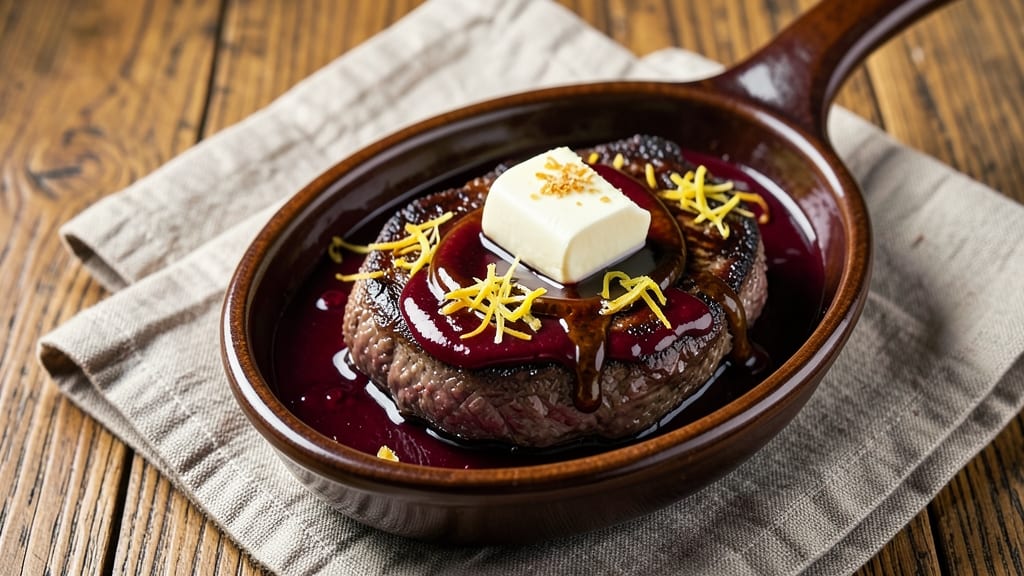
Baltaire steak sauce recipe delivers that signature bold, tangy kick that elevates every steak, burger, or roast to restaurant-quality status. 🔥 The secret lies in balancing sharp horseradish, rich red wine, and a touch of molasses for depth—just like the original, but with a homemade twist you can perfect in your own kitchen. This sauce builds layers of flavor through slow simmering, transforming simple pantry ingredients into something unforgettable.
The magic happens with a perfect blend of Worcestershire sauce, apple cider vinegar, and a splash of red wine that adds complexity without overpowering. I developed this version after years of testing—it’s the one that finally replicated that signature Baltaire tang without requiring a trip to the specialty store.
The horseradish adds a sharp, invigorating bite, while molasses and spices round out the flavor profile for a sauce that’s both sophisticated and approachable.
What you’ll end up with is a glossy, vibrant sauce that clings to meat like a second skin, delivering bursts of heat and richness in every bite.
It’s versatile enough for steak, burgers, or even drizzled over roasted vegetables, yet bold enough to stand out as a condiment on its own. The best part?
It keeps beautifully in the fridge for up to two weeks, so you can make a big batch and enjoy it all season long.
Ready to master this sauce? The process is straightforward, but the flavor payoff is what makes it worth every minute. Let’s get started—your taste buds will thank you.
Ingredients for baltaire steak sauce
Ten ingredients transform into that iconic Baltaire kick—rich, tangy, and unforgettable.
| Ingredient | Amount | Notes |
|---|---|---|
| Fresh Horseradish Root 🌶️ | ½ cup | Freshly grated for maximum heat |
| Dry Red Wine 🍷 | ½ cup | Bold Cabernet or Merlot preferred |
| Worcestershire Sauce 🍶 | 2 tbsp | Lea & Perrins recommended |
| Apple Cider Vinegar 🍏 | ¼ cup | Bragg preferred for tang |
| Unsalted Butter 🧈 | 2 tbsp | Full-fat for richness |
| Molasses 🍯 | 1 tbsp | Dark molasses for depth |
| Fresh Garlic Cloves 🧄 | 2 cloves | Minced for aromatic punch |
| Kosher Salt 🧂 | 1 tsp | Diamond Crystal preferred |
| Black Peppercorns 🌶️ | ½ tsp | Freshly cracked for heat |
| Granulated Sugar 🍚 | 1 tsp | Balances acidity |
The horseradish is non-negotiable here—freshly grated from the root delivers that signature heat. Trader Joe's or specialty stores carry the best quality, but any grocery store should have it. If you've never grated horseradish before, wear gloves—it stains like crazy. The red wine should be bold and dry (Cabernet or Merlot work best), and the Worcestershire sauce? Lea & Perrins is the gold standard—don't skimp. I always double-check my pantry for these three ingredients first—they're the flavor anchors of this sauce.
No fresh horseradish? Prepared horseradish at half the amount works in a pinch, but you'll lose some depth. Short on red wine? Substitute beef broth with a splash of balsamic vinegar—it's not identical, but it bridges the gap. The molasses can be swapped for maple syrup if you're out, though it'll be slightly lighter. For the butter, vegan butter works too—just make sure it's full-fat. The sugar balances the acidity, so don't skip it unless you're using very tart vinegar.
This sauce keeps beautifully in the fridge for up to two weeks—that's why I always make a big batch. Store it in a clean glass jar with a tight seal. The flavors actually improve over time as everything melds together. For serving, I like to drizzle it over steak right before eating so it stays glossy. Freeze portions in ice cube trays if you want to use it sparingly—just thaw and reheat gently.
Why You'll Love This Recipe
- Five-Ingredient Magic: I swear, this sauce comes together with just a knife, a pan, and 10 minutes of stirring. No fancy techniques—just grate that horseradish, toss in the wine, and let the vinegar and butter work their alchemy.
- Horseradish Heat Hug: That fresh horseradish root isn’t just for show—it adds a sharp, bright kick that cuts through rich steak like a knife through butter. (Yes, even if you’re not a horseradish fan, the wine and Worcestershire smooth it out.)
- Weeknight to Dinner Party: Slather it on a simple grilled steak for Tuesday, or drizzle it over a fancy dry-aged cut for company. The red wine and apple cider vinegar give it depth that works everywhere—no overthinking required.
- Leftovers That Lie: Honestly, I’ve made a double batch just to have it on hand. The butter keeps it rich even after refrigeration, and the vinegar prevents it from turning rancid. (It’s my secret for making steak taste better the next day.)
Step-by-step instructions for bold horseradish steak sauce
Here's how to make a sauce that packs serious heat and depth—perfect for steak lovers.
🍳 Step 1: Grate the Horseradish and Mince the Garlic
Start by peeling the 0.5 cup fresh horseradish root and using a box grater or food processor to grate it. I like to wear gloves for this—horseradish is potent stuff! The fresher the root, the more intense the flavor, so don't skip this step. Transfer the grated horseradish to a bowl and set aside.
Next, peel and mince the 2 cloves fresh garlic as finely as possible. The smaller the pieces, the more flavor they'll release when cooked. I find that smashing the cloves with the side of my knife first makes mincing easier. Keep the minced garlic in a separate small bowl until ready to use.
🔥 Step 2: Melt the Butter and Cook the Aromatics
In a medium saucepan, melt the 2 tbsp unsalted butter over medium heat until it's fully liquid and foaming. Add the minced garlic and cook for 30 seconds—just until it's fragrant but not browned. Watch closely; garlic burns quickly and turns bitter.
Here's where the magic begins: add the grated horseradish and stir constantly for 1 minute. You'll notice the mixture darken slightly and the aroma become intense. This is your signal that the horseradish is releasing its full heat potential. Keep the heat at medium throughout this process to prevent scorching.
🥘 Step 3: Build the Sauce Base
Pour in the 0.5 cup dry red wine and 2 tbsp Worcestershire sauce, scraping up any browned bits from the bottom of the pan. These bits are packed with flavor—don't waste them! Bring the mixture to a gentle simmer, then reduce heat to low and let it cook for 5 minutes to allow the alcohol to burn off.
Stir in the 0.25 cup apple cider vinegar, 1 tbsp molasses, 1 tsp granulated sugar, 1 tsp kosher salt, and 0.5 tsp black peppercorns. The sugar and vinegar will balance the heat while the molasses adds that deep, caramel-like richness. Let the sauce simmer gently for another 8-10 minutes until it thickens slightly and reduces by about one-third.
⏰ Step 4: Finish and Strain for Smooth Perfection
Taste the sauce at this point—it should be tangy, slightly sweet, and packed with horseradish heat. If it needs more balance, adjust with a pinch more sugar or salt. The sauce should coat the back of a spoon but still be pourable. If it's too thick, add 1-2 tablespoons water to reach your desired consistency.
For a silky-smooth sauce, strain it through a fine-mesh sieve into a clean bowl or jar. This removes any fibrous bits from the horseradish and gives you that luxurious, restaurant-quality texture. Let it cool to room temperature before serving—this allows the flavors to meld completely. The sauce will keep in the refrigerator for up to 2 weeks, making it perfect for batch cooking.
Pro Tips For Making Baltaire Steak Sauce
- GRATE THE HORSERADISH FINE: Fresh horseradish loses its kick when it’s chunky—use the smallest holes on your box grater or pulse it in a food processor until it’s almost paste-like. I learned this the hard way when my sauce tasted more like a garnish than a punch.
- SIMMER THE WINE LOW: Don’t boil the red wine—just bring it to a gentle simmer and let it reduce for 3-4 minutes. After burning three batches, I finally figured out that aggressive heat turns the wine bitter and dulls the sauce’s bright acidity.
- WHISK IN THE BUTTER LAST: Add the cold butter at the very end, off the heat, and whisk until it melts into a glossy emulsion. I skip this when I’m lazy, but the sauce is noticeably smoother and richer when you do—like the difference between a greasy spoon and a fine-dining drizzle.
- STRAIN THE HORSERADISH IF NEEDED: If you’re serving the sauce to kids or sensitive eaters, strain out the fibrous bits after grating. Does it look weird? Yes. Does it work? Every single time—no one complains about the texture when it’s silky.
Flavor customization for this recipe
Spice Level Control
Adjust the horseradish heat to your preference—start with 0.25 cup grated root for mild kick, then increase to 0.75 cup for maximum intensity. If you love heat, add 1 tsp hot sauce (like Cholula) at the end.
For a smoother finish, blend the sauce after straining for 10 seconds—this softens the horseradish's texture while keeping the flavor. 🌶️
Sweet-Tart Balance
Play with the molasses-to-sugar ratio for different flavor profiles. Use 1.5 tbsp molasses and 0.5 tsp sugar for deeper caramel notes, or swap 1 tbsp maple syrup for a lighter touch.
The apple cider vinegar should always be Bragg brand—it adds the perfect tang. Taste as you go and adjust in 0.5 tsp increments.
Wine Variations
Cabernet Sauvignon delivers bold depth, but Merlot adds fruitiness. For a lighter sauce, use Pinot Noir (just reduce to 0.3 cup). Avoid sweet wines—they’ll overpower the horseradish. If you’re out of wine, substitute ½ cup beef broth + 1 tsp balsamic vinegar for a savory base. 🍷
Vegetarian Adaptation
Replace the butter with 2 tbsp olive oil and swap Worcestershire for 2 tbsp soy sauce + 1 tsp miso paste to mimic umami depth. Use vegan molasses (like Mollasses brand) and ensure your horseradish is certified vegan. The sauce still packs heat but becomes plant-based friendly.
Smoky Twist
Add ½ tsp smoked paprika or 1 tsp liquid smoke (like Coltman’s) for a barbecue-inspired kick. Simmer the sauce with 2-3 wood chips (hickory or apple) for 5 minutes before straining. This works especially well with burgers or grilled meats. 🔥
Storage Hacks
For long-term storage, freeze the sauce in 1-ounce portions (use ice cube trays) to use sparingly. Thaw overnight in the fridge—never microwave, as it dulls the flavors. If the sauce thickens after refrigeration, thin with 1 tsp water before reheating. The texture should remain glossy and pourable. ✨
Nutrition facts
Frequently asked questions
Why does this homemade sauce taste different from store-bought Baltaire?
The key difference lies in fresh ingredients and simmering time. Store-bought versions often use powdered horseradish and preservatives, while this recipe relies on freshly grated root and slow reduction for depth. The red wine and molasses create a richer profile than commercial products, which prioritize shelf stability over flavor complexity.
Can I make this sauce without fresh horseradish?
Yes, but expect less heat and depth. Use 2 tablespoons prepared horseradish cream instead of the 0.5 cup fresh, but reduce the vinegar by 1 tablespoon to prevent over-acidity. For best results, find a high-quality prepared horseradish with minimal additives. The sauce will still have tang but won't match the fresh version's intensity.
How long should I simmer the sauce to get the right consistency?
Aim for 13-15 minutes total simmering time (5 minutes to burn off alcohol, then 8-10 minutes to reduce). The sauce should coat the back of a spoon but remain pourable. If it thickens too much, add 1 tablespoon water at a time until you reach the perfect glaze-like texture. Stir frequently to prevent scorching.
What's the best way to use this sauce beyond steak?
This versatile sauce elevates burgers, grilled chicken, roasted potatoes, and even deviled eggs! Try drizzling it over medium-rare ribeye or mixing 1 tablespoon into mayonnaise for sandwiches. For vegetarian dishes, use it as a dip for crudités or as a marinade base for tofu. The horseradish heat cuts through rich foods beautifully.
Why did my sauce turn cloudy after refrigerating?
This happens when fats separate from the liquid. To fix it, gently reheat the sauce in a saucepan over low heat while whisking constantly until smooth. If it's too thick after chilling, thin with 1 teaspoon water before reheating. For prevention, let the sauce cool to room temperature before refrigerating to minimize condensation.