
Sauces & Condiments
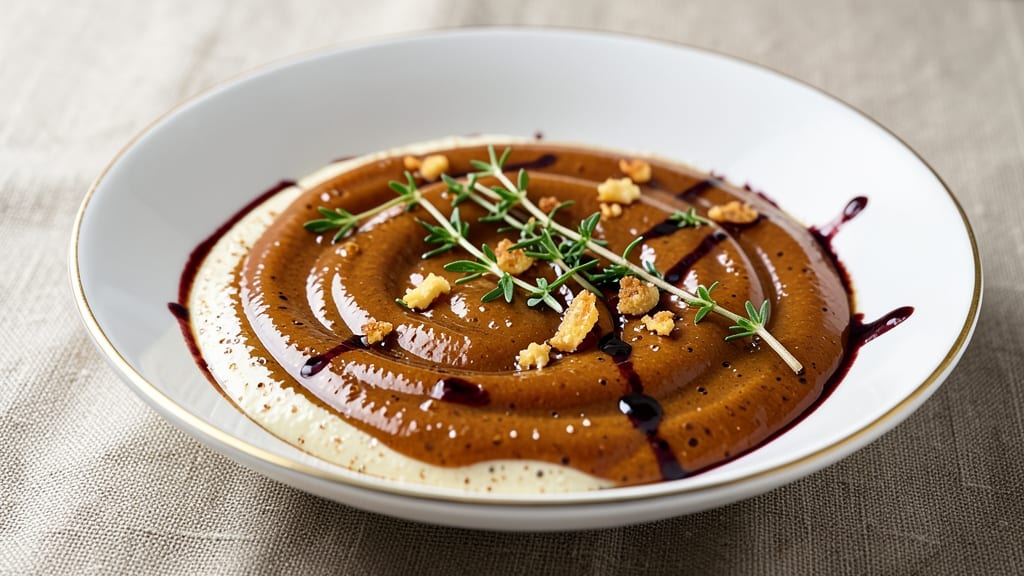
This balsamic cream sauce recipe transforms simple ingredients into a velvety, tangy drizzle that elevates everything from grilled chicken to creamy risotto. The secret lies in balancing rich cream with the bold acidity of balsamic vinegar, creating a sauce that’s both luxurious and effortless to make.
With just five ingredients and 10 minutes of hands-on time, you’ll have a sauce that tastes like it came from a high-end restaurant.
The magic happens when you simmer reduced balsamic vinegar into warm cream, allowing the flavors to meld into a smooth, glossy consistency. A touch of butter adds richness, while fresh herbs (like thyme or basil) bring brightness.
This sauce isn’t just for pasta—it’s perfect for drizzling over roasted vegetables, seared scallops, or even as a dip for crusty bread. The tangy-sweet balance makes it incredibly versatile.
What you’ll end up with is a silky, restaurant-quality sauce that’s creamy yet light, with a depth of flavor that’s hard to resist. The reduced balsamic adds complexity, while the cream ensures it’s luscious enough to coat every bite.
Best of all, it keeps well in the fridge for up to 5 days, making it a go-to for quick weeknight meals.
Whether you’re finishing off a weeknight dinner or impressing guests, this sauce delivers bold flavor without the fuss. Let’s make it—your taste buds will thank you.
Ingredients for balsamic cream sauce
Five ingredients, ten minutes—this velvety tangy sauce transforms ordinary meals into restaurant-worthy dishes.
| Ingredient | Amount | Notes |
|---|---|---|
| Heavy Cream 🥛 | 1 cup | Full-fat for creaminess (trust me) |
| Balsamic Vinegar 🍷 | ½ cup | High-quality aged variety preferred |
| Unsalted Butter 🧈 | 2 tbsp | Cold, cubed for better emulsification |
| Fresh Thyme Leaves 🌿 | ¼ cup | Or 1 tbsp dried thyme (one-third amount) |
| Granulated Sugar 🍚 | 1 tbsp | Balances acidity in the sauce |
| Salt 🧂 | ¼ tsp | Diamond Crystal preferred (less iodine) |
| Black Pepper 🌶️ | ⅛ tsp | Freshly cracked for best flavor |
| Fresh Basil Leaves 🌿 | ⅛ cup | Optional but adds fresh brightness |
The balsamic vinegar makes or breaks this sauce. Grab aged balsamic from the gourmet section at Whole Foods or Trader Joe's—it’s worth the extra buck for that deep, caramelized flavor. Heavy cream should be full-fat (none of that skim nonsense), and if you’re using dried thyme, toast it lightly first for a deeper aroma. Fresh herbs? Farmers market basil is ideal, but grocery store stuff works too—just wash it well. The butter matters too: cold cubes melt slower, creating a smoother sauce. Don’t skip this part—it’s what gives that luxurious finish.
No aged balsamic? Red wine vinegar plus 1 tsp maple syrup gets you close, though it won’t have the same depth. Heavy cream too rich? Swap for half-and-half or coconut milk (though the texture will be lighter). Short on butter? Olive oil works in a pinch, but it changes the flavor profile. Fresh herbs wilt fast? Dried oregano at half the amount is a solid backup. And if you’re feeling fancy, add a pinch of nutmeg—it’s a secret weapon in many restaurant sauces. The sugar might seem odd, but it’s crucial for balancing the vinegar’s acidity.
This sauce keeps beautifully—5 days in the fridge sealed in a jar with a thin layer of oil on top to preserve freshness. Freeze for up to 3 months in ice cube trays for single-serving portions (perfect for last-minute drizzles). Reheat gently on low—never microwave, or you’ll break the emulsion. I like to double the batch and keep it on hand for quick weeknight sauces. A little goes a long way, so don’t be shy about drizzling generously.
Why You'll Love This Recipe
- Five-Ingredient Magic: I swear by this recipe because it’s that simple—just heat, stir, and repeat. No chopping, no fuss, no stress. The heavy cream and butter melt together in minutes, while the balsamic vinegar adds depth without extra steps.
- Sweet-Tart Perfection: That balance of creamy richness and tangy balsamic? It’s like a flavor hug. The sugar just takes the edge off the vinegar, leaving you with something smooth, slightly sweet, and impossible to resist—even my picky husband won’t skip seconds.
- Dinner Party Ready: Slather it on grilled chicken, drizzle over roasted veggies, or toss with pasta—it’s the MVP of effortless meals. Honestly, I’ve served it at everything from casual weeknights to holiday dinners, and no one ever guesses how little work went into it.
- Leftovers That Shine: This sauce actually improves the next day. The flavors meld even better, and it reheats in seconds. Between us, I’ve used it to turn last night’s roast into tomorrow’s sandwich spread—no waste, all flavor.
Step-by-step instructions for balsamic cream sauce
This velvety sauce comes together in minutes with just a few simple techniques.
Bloom the Butter and Thyme
In a medium saucepan, melt the 2 tablespoons unsalted butter over medium-low heat until it foams but doesn't brown. Add the 0.25 cup fresh thyme leaves and stir gently for 30 seconds—you'll see the leaves soften slightly and release their aromatic oils into the butter.
Here's the thing—don't let the butter brown. We want to preserve that delicate thyme flavor without any bitterness creeping in. If your pan isn't hot enough to melt the butter quickly, reduce the heat slightly. The butter should be completely melted and the thyme should be just beginning to wilt when you're ready for the next step.
Incorporate the Cream and Sugar
Pour in the 1 cup heavy cream and 1 tablespoon granulated sugar all at once. Stir constantly with a wooden spoon for 3-4 minutes until the mixture begins to simmer gently. You'll notice small bubbles forming around the edges and the sauce will thicken noticeably.
This is where the magic happens—the sugar helps balance the acidity of the balsamic while the cream begins to emulsify with the butter. If you see any skin forming on top, simply stir it back into the sauce. The mixture should become smooth and slightly glossy, coating the back of your spoon when you lift it.
Add Balsamic Vinegar and Seasonings
Gradually pour in the 0.5 cup balsamic vinegar while stirring continuously. The sauce will bubble vigorously as it reacts with the acid. Let it simmer for 5-6 minutes until it reduces by about one-third and becomes syrupy in consistency. You're looking for a sauce that coats the spoon but still flows smoothly.
Add the 0.25 teaspoon salt and 0.125 teaspoon black pepper, then taste. The balance should be perfect—creamy, tangy, with just a hint of sweetness. If it's too acidic, add a pinch more sugar. If it's too mild, a splash more balsamic vinegar will intensify the flavor. This is your chance to adjust to your exact taste preference.
Finish with Fresh Basil and Strain
Remove the saucepan from heat and stir in the 0.125 cup fresh basil leaves. Let it steep for 2 minutes to infuse the bright herb flavor. Then, strain the sauce through a fine-mesh sieve into a clean bowl or saucepan to remove the thyme stems and basil leaves, leaving you with a perfectly smooth sauce.
This final step ensures your sauce is silky and professional-looking. If you prefer a slightly chunkier texture, you can skip the straining, but I find the smooth version works best for elegant drizzling over pasta or meat. The sauce should be cool enough to handle when you're ready to serve, but still warm to the touch.
Pro Tips For Making Balsamic Cream Sauce
- Simmer the Vinegar First: Don’t just toss balsamic vinegar into cold cream—it’ll curdle like a science experiment gone wrong. Heat it in the same pan with butter until it’s reduced by half (about 3-4 minutes) before adding cream. This deepens the flavor and prevents that dreaded separation.
- Use Room-Temp Cream: Cold heavy cream turns your sauce into a clumpy mess. Let it sit out for 30 minutes before using—no need to go lukewarm, just slightly cooler than room temperature. (Yes, even if you’re impatient like me.)
- Balance the Acidity: That balsamic vinegar’s tang can overpower the cream if you’re not careful. Taste as you go and add a pinch of sugar before the cream comes in—it’ll mellow the sharpness without making the sauce taste sweet.
- Strain the Thyme: Whole thyme stems are stubborn. Bruise them lightly with the flat of a knife first, then strain the sauce through a fine-mesh sieve after cooking. No one wants to bite into a stem while enjoying an otherwise perfect sauce. (Your future self will thank you.)
Troubleshooting this recipe
Curds or Lumps?
If your sauce suddenly separates into curds or lumps, it means the heat was too high when you added the cream. The solution? Immediately remove the pan from heat and whisk vigorously with a handheld immersion blender or whisk.
If lumps persist, add 1 teaspoon cold water and whisk until smooth. To prevent this next time, reduce the heat to medium-low when adding cream and stir constantly. 💡
Too Thin or Watery
A watery sauce usually happens when the balsamic vinegar wasn't reduced enough before mixing with cream. Fix it by simmering the sauce uncovered over low heat for 5-7 minutes, stirring occasionally.
For a quicker fix, mix 1 teaspoon cornstarch with 2 tablespoons cold water, stir into the sauce, and cook for 1-2 minutes until thickened. Always reduce the balsamic first—don't skip this step!
Overpowering Vinegar
If your sauce tastes too acidic, the balsamic wasn't balanced properly. Add ½ teaspoon sugar at a time and taste after each addition. For a more dramatic fix, stir in 1 tablespoon heavy cream and simmer for 2 minutes.
This dilutes the acidity while maintaining creaminess. Pro tip: Use aged balsamic vinegar—it's less acidic than regular and gives better flavor balance.
Burnt Butter Flavor
Browned butter ruins the delicate flavor of this sauce. If you notice nutty, toasty notes instead of clean butter flavor, start over with fresh ingredients. To prevent this, use medium-low heat and keep the butter moving constantly.
If you must rescue slightly browned butter, immediately add the cream and continue with the recipe—it'll dilute the burnt flavor, though the sauce won't be as refined.
Herbs Too Strong
Fresh herbs can dominate if overused. If your sauce tastes like you're eating a bouquet, strain out any remaining herb stems and reduce the herb amount next time. For thyme, ¼ cup fresh leaves is plenty—don't exceed ⅓ cup.
Basil should be added last and strained immediately. If you accidentally used too much, add 1 tablespoon cream to dilute the intensity while maintaining creaminess.
Sauce Breaks When Reheating
This happens when the emulsion separates during reheating. To fix it, place the sauce in a clean saucepan and gently warm over low heat while whisking continuously. For a more permanent solution, stir in 1 teaspoon cold butter and whisk until fully re-emulsified.
Always reheat gently—never microwave, as the sudden heat change causes separation. Store reheated sauce in the fridge and use within 2 days** for best results.
Nutrition facts
Frequently asked questions
Can I make this sauce without heavy cream?
Yes! For a lighter version, substitute with half-and-half or coconut milk (unsweetened). The texture will be thinner but still delicious. For a dairy-free option, use cashew cream (blend soaked cashews with water) or silken tofu blended with a splash of cream. The sauce will be less rich but maintain the tangy balance.
How long can I store this sauce?
This sauce keeps beautifully in an airtight container in the fridge for up to 5 days. For longer storage, freeze in ice cube trays for single-serving portions (up to 3 months). To reheat, warm gently on low heat while stirring constantly—never microwave, or it may separate. Always let it cool completely before storing.
What's the best way to use leftover sauce?
Drizzle it over grilled chicken, steak, or roasted vegetables for instant flavor. Toss with pasta, risotto, or mashed potatoes for a creamy upgrade. Use as a dip for crusty bread or mozzarella sticks. For extra richness, stir a spoonful into soups or stews at the end of cooking. The sauce also makes a fantastic topping for pizza or flatbread before baking.
Why did my sauce turn out too acidic?
This usually happens when the balsamic vinegar wasn't balanced properly. Fix it by adding ½ teaspoon sugar at a time until the tanginess mellows. For a quicker fix, stir in 1 tablespoon heavy cream and simmer for 2 minutes. Next time, use aged balsamic vinegar (less acidic) or reduce the vinegar by 1 tablespoon in the recipe. Taste as you go—adjust gradually!
Can I make this sauce ahead of time?
This sauce actually tastes better the next day as the flavors meld. Make it 1-2 days ahead and store in the fridge. Reheat gently on low heat, stirring constantly to prevent separation. For parties, prepare it the night before—it reheats beautifully and saves you last-minute stress. The longer it sits, the more complex the flavors become!