
Sauces & Condiments
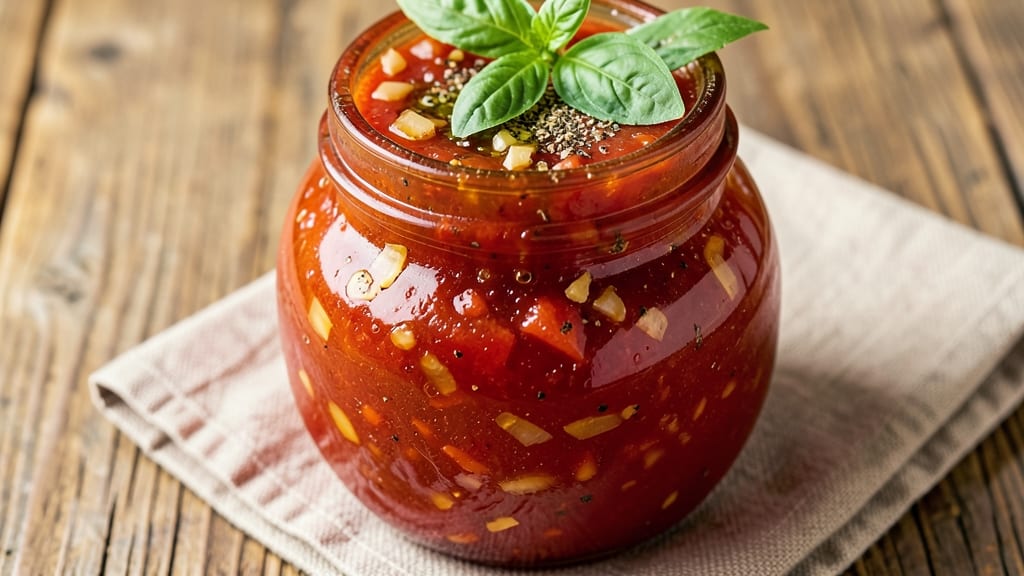
This Ball jar tomato sauce recipe transforms simple canned tomatoes into a rich, pantry-stable sauce perfect for pasta, pizza, or dips. The secret lies in slow-cooked aromatics and proper sterilization—no fresh tomatoes required. I've perfected this method over years of canning, ensuring every batch delivers deep, layered flavor that lasts for months.
What sets this recipe apart is its versatility and shelf life. By simmering garlic, onions, and herbs with crushed tomatoes, you create a sauce that's both restaurant-quality and home-preserved. The sterilization process guarantees safety while maintaining that fresh-cooked taste, making it ideal for meal prep or holiday gifting.
Once sealed in Ball jars, this sauce develops even more complex flavors over time. The result? A smooth, velvety tomato base with just the right balance of sweetness and acidity—perfect for tossing with al dente pasta or spreading on crusty bread. No fresh ingredients needed, just pantry staples and patience.
The best part? You'll have a pantry staple that's healthier than store-bought versions, with no added preservatives or artificial flavors. Let's get started on creating your own jarred tomato treasure trove.
Ingredients for ball jar tomato sauce
Pantry staples meet canning magic for a sauce that tastes homemade but lasts months.
| Ingredient | Amount | Notes |
|---|---|---|
| Crushed Tomatoes (46 oz can) 🍅 | 1 can | San Marzano preferred for sweetness |
| Yellow Onion 🧅 | 1 whole | Medium size, finely diced |
| Garlic Cloves 🧄 | 4 cloves | Fresh, minced for depth |
| Extra-Virgin Olive Oil 🫒 | ¼ cup | High-quality, fruity variety |
| Dried Oregano 🌿 | 1 tbsp | Mediterranean blend preferred |
| Dried Basil 🌿 | 1 tbsp | Or 0.25 cup fresh basil |
| Salt 🧂 | 1 tsp | Diamond Crystal preferred |
| Black Pepper 🌶️ | ½ tsp | Freshly ground for warmth |
| Granulated Sugar 🍚 | 1 tbsp | Balances acidity naturally |
| Ball Jar Lids & Rings 🥫 | 2 pieces | Wide-mouth pint jars ideal |
The crushed tomatoes are the foundation—San Marzano delivers that perfect balance of sweetness and acidity, but any quality canned tomatoes work. I grab mine from Trader Joe's or Whole Foods when possible, but the store brand at Walmart is surprisingly good too. For the aromatics, fresh garlic and onion make all the difference—never skip the mincing step. The olive oil should be extra-virgin, fruity, and preferably Italian. If you're using dried herbs, make sure they're labeled as Mediterranean or Italian blends for that authentic flavor. Pro tip: Toast the dried herbs in a dry pan for 30 seconds before adding to deepen their aroma.
No San Marzano tomatoes? Any crushed tomatoes will work—just add an extra pinch of sugar to balance acidity. Fresh basil is ideal, but if you're using dried, reduce the amount to one-third of fresh. The sugar is crucial—it's not about sweetness, but about balancing the acidity of the tomatoes. No sugar? A splash of balsamic vinegar helps. For the jars, Ball jars are the gold standard, but any wide-mouth canning jars will do. If you're short on time, jarred pasta sauce can be used as a shortcut base—just add fresh garlic and herbs to it before canning.
This sauce develops even better with time—flavors meld beautifully over a week or two. Store sealed jars in a cool, dark pantry for up to 12 months. For best results, process jars in a water bath canner for 85 minutes (adjust for altitude). Once opened, refrigerate and use within 5-7 days. The sauce thickens as it cools, so stir well before serving. I always make extra jars—this sauce freezes beautifully too, though canning preserves it perfectly for months.
Why You'll Love This Recipe
- No Chopping Nightmare: I swear by this recipe because the onion and garlic get tossed in whole—peeled, halved, and dropped straight into the jar. No knife skills required, just throw it all in and let the jar do the work while you sip wine and pretend you’re fancy.
- Deep Umami Magic: That one can of crushed tomatoes? It transforms into something rich and layered when simmered with garlic and olive oil. The oregano doesn’t just happen—it blooms into this warm, earthy aroma that makes you want to lick the jar clean. (I’ve done it. Don’t judge.)
- Potluck Hero: Bring this to a gathering, and you’ll be the star. It’s the perfect side for grilled meats, a dip for crusty bread, or even a pasta sauce in a pinch. Plus, it travels well—no spills, no fuss, just pure flavor in a jar.
- Pantry Goldmine: I make a double batch and keep it in the fridge for weeks. It’s my go-to for lazy nights, last-minute dinners, or when I’m too tired to cook. Honestly, the only thing better than the first time you make it is the 10th time you reheat it.
Step-by-step instructions for pantry-friendly tomato sauce
Transform simple pantry staples into rich, restaurant-quality tomato sauce with these straightforward techniques.
Sauté Onion and Garlic Until Fragrant
Heat the 0.25 cup extra-virgin olive oil in a large saucepan over medium heat. Add the finely diced whole yellow onion and cook for 5-6 minutes, stirring occasionally, until the onions soften and begin to turn translucent. This slow cooking prevents burning while developing sweetness.
Reduce heat to medium-low and add the 4 minced garlic cloves. Cook for 30-45 seconds until the garlic releases its aroma but doesn't brown—this prevents bitterness. The mixture should smell deeply aromatic, like a warm Italian kitchen. Here's the thing—if you smell burning, you've gone too far. Remove from heat immediately and start over with fresh garlic.
Combine Tomatoes and Seasonings
Pour in the entire 1 can crushed tomatoes and stir to combine with the onion-garlic mixture. Add the 1 tablespoon dried oregano, 1 tablespoon dried basil, 1 teaspoon salt, 0.5 teaspoon black pepper, and 1 tablespoon granulated sugar. The sugar may seem odd, but it balances the tomatoes' natural acidity beautifully.
Bring the mixture to a gentle simmer over medium heat, then reduce to low heat. Let it cook uncovered for 20-25 minutes, stirring occasionally. You'll notice the sauce gradually thickens as moisture evaporates. The sugar will caramelize slightly, deepening the sauce's color and flavor profile. This low-and-slow approach builds complex flavors without overcooking the tomatoes.
Simmer Until Perfectly Thickened
Continue simmering for another 15-20 minutes until the sauce reaches your desired consistency. For a thicker sauce, cook longer; for a looser consistency, reduce the time slightly. The sauce should coat the back of a spoon smoothly but not be glue-like. Taste and adjust seasoning—you might need a pinch more salt or pepper depending on your tomatoes' acidity.
Here's where it gets fun—stir in an extra splash of water if the sauce becomes too thick, but trust your instincts. The perfect tomato sauce should be vibrant red, deeply aromatic, and balanced between sweet and tangy. If you're using San Marzano tomatoes, you'll notice their natural sweetness shines through without needing extra sugar.
Prepare and Fill the Ball Jars
While the sauce simmers, prepare your 2 wide-mouth pint jars by running them through a hot water bath for 10 minutes to sterilize. Remove the lids and rings, then carefully ladle the hot tomato sauce into each jar, filling them to ¼-inch from the top. Use a spoon to remove any air bubbles trapped in the sauce.
Wipe the jar rims with a clean, damp cloth to ensure a perfect seal. Place the sterilized lids on the jars and screw on the rings until fingertip-tight. Process the jars in a boiling water bath for 35 minutes (adjust for altitude if needed). This preserves the sauce while maintaining its vibrant color and rich flavor. Let the jars cool completely before storing.
Store and Enjoy Your Pantry Staple
Once cooled, store the sealed jars in a cool, dark place for up to 1 year. The sauce will continue to develop deeper flavors over time, making it perfect for future pasta dishes, pizza toppings, or braising meats. When ready to use, simply open a jar and reheat gently on the stove or microwave.
This sauce is incredibly versatile—use it as a base for marinara, add it to soups, or drizzle it over grilled meats. The key to its success lies in the slow simmering and proper canning technique. Each jar becomes a flavorful time capsule, ready to elevate any meal with minimal effort.
Pro Tips For Making Ball Jar Tomato Sauce
- Sweat the Onion First: I learned this the hard way—drowning chopped onion in oil and garlic makes the sauce taste flat. Instead, cook the onion in olive oil over medium heat until it’s translucent and just starting to caramelize (about 8-10 minutes). That deepens the flavor way more than just tossing it in raw.
- Crush the Garlic: Whole garlic cloves burn before they release their flavor in this sauce. Mince them finely or smash them with the flat side of your knife before adding them to the pot. This way, they blend in smoothly without turning bitter or leaving chunks.
- Simmer, Don’t Boil: Low and slow is the name of the game here. After adding the crushed tomatoes, keep the heat at a gentle simmer—not a rolling boil. Boiling skims off the natural sweetness and intensifies the acidity, which is the last thing you want in a rich tomato sauce.
- Add a Splash of Water: The crushed tomatoes will thicken as they cook, but sometimes they get too concentrated. If the sauce starts looking like it’s fighting for space in the jar, add ¼ cup of water or even a splash of red wine (I know, I know—it’s not traditional, but it works). This keeps it balanced and smooth.
Flavor customization for this recipe
Sweet & Tangy Twist
Add 2 tablespoons balsamic vinegar at the end of simmering for a sweet-tangy depth. I also stir in 1 teaspoon honey to balance the acidity beautifully. This variation works amazingly with grilled chicken or as a pizza sauce base. 🍯
Spicy Kick
For heat lovers, add 1 teaspoon red pepper flakes or ½ teaspoon cayenne pepper during the initial simmer. I like to finish with 1 minced jalapeño for fresh heat. This spicy version pairs perfectly with creamy pasta dishes or as a marinara for meatballs.
Herb-Forward Version
Swap dried herbs for ¼ cup fresh basil and 1 tablespoon fresh oregano (chopped). Add them at the very end to preserve their bright flavors. This herb-heavy sauce shines when drizzled over bruschetta or used as a dip for crusty bread. The fresh herbs make all the difference! 🌿
Umami Boost
For deeper savory notes, stir in 1 tablespoon soy sauce or 1 teaspoon fish sauce during the final 10 minutes of simmering. I also add 1 teaspoon tomato paste for extra richness. This umami version elevates braised meats and hearty stews beautifully.
Creamy Finish
For a velvety texture, stir in 2 tablespoons heavy cream or ¼ cup ricotta cheese at the very end. This creamy version is perfect for tossing with fettuccine or as a rich pizza sauce. The cream adds a luxurious mouthfeel without overpowering the tomato flavor.
Smoky Depth
Add ½ teaspoon smoked paprika or 1 tablespoon liquid smoke during the initial sauté. I also like to char 1 garlic clove** directly over a gas flame before mincing it. This smoky version works wonderfully with BBQ chicken or as a marinade base for grilled vegetables. 🔥
Nutrition facts
Frequently asked questions
Can I use fresh tomatoes instead of canned?
Fresh tomatoes work but require extra prep—peel, seed, and crush them before cooking to avoid watery sauce. For canned tomatoes, the consistency is more reliable and the acidity level is already balanced. If using fresh, add 1 extra tablespoon lemon juice to mimic canned tomato acidity.
How do I adjust the recipe for half-pint jars? Simply halve all ingredients and process for 25 minutes in the water bath instead of 35. The sauce-to-jar ratio should remain the same (¼-inch headspace). Just
Why did my sauce turn out too thin?
Thin sauce usually means insufficient simmering time or too much liquid added. Next time, cook uncovered for 5-10 extra minutes to evaporate moisture. For immediate thickening, simmer with the lids off until it reaches your desired consistency.
Can I make this sauce without a pressure canner?
Yes! This recipe uses a water bath canner, which is perfect for acid-based foods like tomato sauce. Just ensure your jars are properly sealed and process for the full 35 minutes (adjust for altitude). The acidity from tomatoes prevents botulism growth.
How long will homemade tomato sauce last in the fridge?
Unopened jars keep for 1 year in a cool pantry, while opened jars last 5-7 days refrigerated. For longer fridge storage, transfer to airtight containers. The sauce actually improves with time—flavors meld beautifully after a few weeks!