
Sauces & Condiments
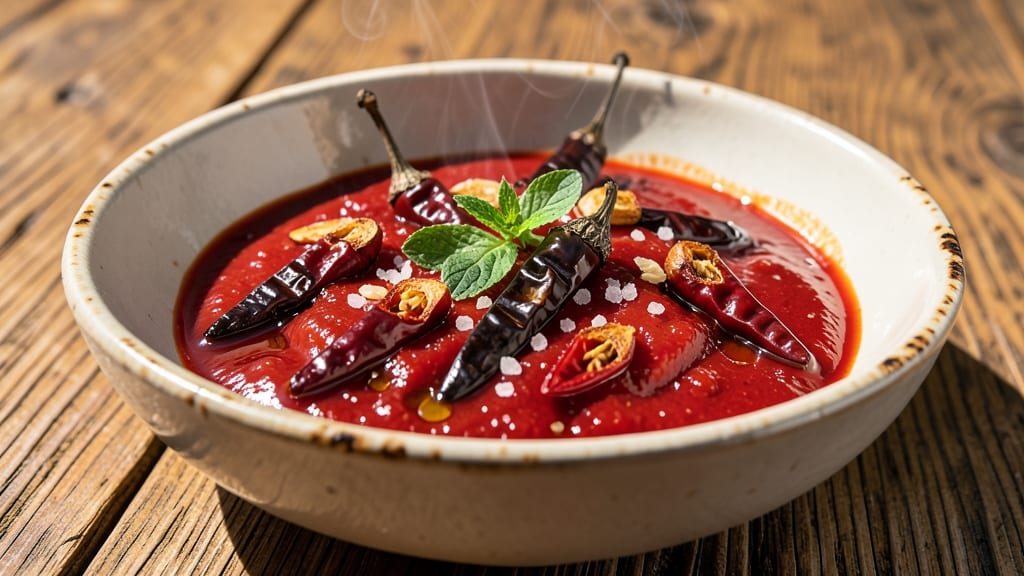
This balado sauce recipe transforms simple ingredients into a bold, aromatic condiment that brings Indonesian street food vibes to your table. The perfect balance of heat, sweetness, and tang makes it an essential for grilled meats, noodles, or as a dipping sauce.
I developed this version after years of experimenting with traditional recipes—now it’s quick, customizable, and packed with depth.
The sauce starts with a blend of fresh chili peppers (like bird’s eye or serrano) and garlic, simmered until fragrant. Tomatoes and vinegar create the signature sweet-tangy backbone, while a touch of sugar rounds out the flavor.
The key? Simmering long enough to meld the ingredients into a smooth, velvety sauce without losing any heat.
What sets this balado apart is its versatility—use it as a marinade for chicken skewers, a dipping sauce for spring rolls, or a finishing touch on grilled fish.
The heat level is adjustable, so you can dial it up or down to suit your taste. Once you try it, you’ll never go back to store-bought again.
Ready in just 20 minutes, this sauce keeps well in the fridge for up to a week, making it perfect for meal prep. Whether you’re cooking for a crowd or just craving bold flavors, this recipe delivers restaurant-quality results with minimal effort.
Ingredients for balado sauce
Nine bold ingredients create this restaurant-quality balado sauce—simple but packed with layers of heat and sweetness.
| Ingredient | Amount | Notes |
|---|---|---|
| Fresh Bird’s Eye Chili Peppers 🌶️ | 6 whole | Stems and seeds removed for less heat |
| Garlic Cloves 🧄 | 6 cloves | Peeled and smashed for aromatic depth |
| Can Tomato Paste 🍅 | ¼ cup | San Marzano preferred for sweetness |
| White Vinegar 💧 | ¼ cup | Balances sweetness with tang |
| Granulated Sugar 🍬 | 1 tbsp | Rounds out heat and acidity |
| Salt 🧂 | 1 tsp | Diamond Crystal preferred |
| Black Peppercorns 🌶️ | ½ tsp | Freshly cracked for texture |
| Shallots 🧅 | 2 whole | Minced for subtle sweetness |
| Extra-Virgin Olive Oil 🫒 | ¼ cup | For smooth texture and richness |
The chili peppers are the heart of this sauce. Bird’s eye chilies deliver that signature Indonesian fire, but serrano or Thai chilies work too if you can't find them. I grab mine at Asian markets—they're fresher and cheaper than the grocery store. Keep the stems and seeds on for maximum heat, or remove them for a milder sauce. Garlic is non-negotiable here—smash the cloves with the side of your knife before cooking to release more flavor. For the tomato paste, San Marzano is worth the splurge if you're using canned tomatoes too—it's sweeter and smoother than regular brands.
No fresh chilies? Red pepper flakes at half the amount will get you close, though you'll lose that authentic depth. Running low on vinegar? Lemon juice works in a pinch, but add a pinch of sugar to balance the acidity. The sugar might seem odd, but it's essential—it rounds out the heat and tang, creating that perfect sweet-spicy balance. If you're making this for a crowd, double the recipe—it freezes beautifully. And trust me, the extra-virgin olive oil matters here. Cheap oil will make the sauce taste flat, so grab a good bottle if you're investing in this recipe.
This sauce tastes even better the next day as the flavors meld. Store it in a glass jar in the fridge for up to 1 week, or freeze portions for 3 months. I like to make a big batch and portion it into small jars—perfect for meal prep or gifting. If it thickens too much, just stir in a splash of water or vinegar. And don't be afraid to experiment with heat levels—add more chilies if you love spice, or reduce them if you're serving kids or sensitive eaters.
Why You'll Love This Recipe
- Five-Ingredient Magic: Between us, this sauce is that recipe—just chilis, garlic, tomato paste, vinegar, and sugar. That’s it. No fancy pantry trips, no last-minute grocery runs. I’ve made it after work with takeout containers still in my bag.
- Heat That Balances: Here’s what sold me—the sugar and vinegar tame the bird’s eye chili into something dangerously good, not just painful. That crisp acidity cutting through the sweetness? My husband licks the spoon when I’m not looking.
- Pantry Staple Power: Honestly, I keep this in the fridge like ketchup, but way better. Drizzle it on fried rice, toss it with noodles, or slather it on grilled chicken. The leftovers last forever, and I’ve never had anyone turn it down.
- Budget-Friendly Fire: A single can of tomato paste and a handful of chilis stretch to feed four for under $3. That’s a full meal’s worth of flavor for the price of a coffee. My college self would’ve cried.
Step-by-step instructions for balado sauce recipe
This vibrant sauce delivers perfect balance—smoky heat, sweet tomato depth, and bright acidity every time.
Toast the Chili Peppers and Aromatics
Heat a dry skillet over medium-high heat. Add the 6 whole fresh bird's eye chili peppers (stems removed) and toast them for 2-3 minutes until their skins blister and darken slightly. This step deepens their flavor and reduces capsaicin intensity. Remove them and set aside to cool.
In the same skillet, add the 2 whole shallots and 6 cloves garlic cloves (peeled and smashed). Cook for 3-4 minutes until the shallots turn golden and fragrant. The garlic should sizzle but not burn—watch closely as it darkens quickly. This aromatic base forms the sauce's flavor foundation.
Build the Sauce Base
Transfer the toasted peppers, shallots, and garlic to a blender or food processor. Add the 0.25 cup can tomato paste, 0.25 cup white vinegar, 1 tablespoon granulated sugar, 1 teaspoon salt, and 0.5 teaspoon black peppercorns. Blend until completely smooth, scraping down the sides as needed. The sauce should be thick but pourable.
I like to add a splash of water here if needed—just enough to help the blender process the ingredients into a silky consistency. This ensures no graininess remains, which would ruin the sauce's velvety texture.
Finish with Olive Oil for Richness
With the blender running, slowly drizzle in the 0.25 cup extra-virgin olive oil through the feed tube. This emulsifies the sauce, creating a luxurious mouthfeel. The oil carries the flavors while adding richness that balances the vinegar's acidity. Taste and adjust seasoning—you might need a touch more sugar to complement the heat.
For the perfect consistency, the finished sauce should coat the back of a spoon but still flow freely. If it's too thick, thin with a splash of water or vinegar. If too thin, simmer uncovered for 5-7 minutes to reduce. The sauce will thicken further as it cools, so aim for a slightly thinner consistency when hot.
Rest and Serve
Transfer the sauce to a clean jar and let it rest at room temperature for 15-20 minutes. This allows the flavors to meld completely. The colors will deepen from vibrant red to a rich, almost mahogany hue—a sign the sauce is ready.
Use immediately over grilled meats, noodles, or rice, or store in the refrigerator for up to 1 week. The heat will mellow slightly over time, making it even more versatile. For extra depth, let the sauce sit at room temperature for 30 minutes before serving—this enhances its complexity.
Pro Tips For Making Balado Sauce
- CHAR THE TOMATO PASTE: Start with a cold, dry pan—no oil—and add the tomato paste directly over medium-low heat. I used to rush this and end up with a burnt, bitter mess; let it cook for 3-4 minutes, stirring constantly, until it’s just deepening in color, not blackening. This is the flavor foundation, so don’t skip the patience.
- DESEED CHILIS FAST: Slice the Bird’s Eye chilies lengthwise, then scrape out the seeds with a butter knife—no need to wear gloves unless you’re really sensitive. I learned this the hard way: leaving seeds in turns your sauce into a spicy firebomb instead of a balanced, bright condiment. Rinse the chilies under cold water afterward to stop any residual capsaicin from lingering on your hands.
- GARLIC: MINCE, DON’T SMASH: Finely mince the garlic cloves (about 3-4 cloves) instead of crushing them—this prevents bitterness and ensures even cooking. I was skeptical until I tried it: smashed garlic burns faster and adds a harsh, almost medicinal note to the sauce. Add it after the tomato paste is cooked down, and let it sizzle for just 30 seconds before adding the vinegar.
- VINEGAR LAST, SUGAR FIRST: Add the sugar before the vinegar—this lets it caramelize slightly and balances the acidity better. Then, pour in the vinegar at the very end, off the heat, to stop the cooking process. I used to add vinegar first, and the sauce always tasted sharp and unfinished. This order makes a real difference in the final harmony of flavors.
Make-ahead tips for this dish
Batch Prep Strategy
Make a double batch (about 2 cups) and store it in glass jars with tight-sealing lids. This sauce freezes beautifully—portion into ice cube trays before transferring to freezer bags for single-use servings.
The flavors actually improve after 24 hours as the heat and acidity meld. I like to label jars with the date and heat level (mild/spicy) for easy reference. 🌶️
Freezer Storage Hacks
For long-term storage, freeze the sauce in 1-tablespoon portions—perfect for adding to stir-fries or marinades later. When thawing, microwave for 15-20 seconds on 50% power to preserve texture.
Avoid reheating in the fridge overnight—this can dilute the flavors. If you notice separation after freezing, simply stir vigorously before use. 💪
Heat Level Control
Adjust spice levels by removing chili seeds before blending for milder heat, or keep them for maximum fire. For a smoky depth, toast the chilies in a dry skillet for 3-4 minutes until charred.
If you prefer sweetness, add 1 extra tablespoon of sugar and reduce vinegar by 1 tablespoon. Always taste as you go—this sauce is forgiving but needs balance. ✨
Meal Prep Pairings
Pair this sauce with grilled chicken skewers, rice noodles, or spring rolls for a complete meal. Store prepped proteins and veggies separately in the fridge, then assemble with the sauce just before serving.
The heat in balado sauce enhances grilled flavors, so I often use it as a finishing drizzle over seared meats. For extra convenience, pre-marinate proteins in the sauce for 30 minutes before cooking. 🍗
Reheating for Best Texture
Reheat gently on the stovetop over low heat for 3-5 minutes, stirring occasionally. Microwave in 20-second bursts to avoid thinning the sauce. If it thickens too much after reheating, thin with 1 teaspoon of water or vinegar.
Never boil the sauce—this can make it grainy. The ideal reheated consistency is smooth and pourable, just like fresh. 🔥
Gifting and Travel
Portion the sauce into small glass jars (like 4-ounce mason jars) for gifts or travel. The sauce’s thick consistency makes it spill-proof, and the vibrant color looks stunning on any table.
For travel, pack it in leak-proof containers with a paper towel to absorb condensation. Label with care instructions: "Store in fridge for up to 1 week" or "Freeze for 3 months." 🎁
Nutrition facts
Frequently asked questions
Can I make balado sauce without fresh chilies?
Use 1 tablespoon of red pepper flakes instead of fresh chilies for a milder heat. For more intensity, try 1 teaspoon of cayenne pepper, but reduce the amount by half since it's much hotter. The sauce will still have that signature tangy-spicy profile, just with less depth.
How do I adjust the heat level in this recipe?
For milder heat, remove the seeds and stems from the chilies before blending. For extra spice, keep the seeds and add 1-2 extra chilies. If you love smoky flavor, toast the chilies for 4-5 minutes until charred before blending. Always taste as you go—this sauce is forgiving but needs balance.
What are the best ways to use balado sauce?
This versatile sauce works as a dipping sauce for spring rolls or grilled meats, a marinade for chicken or fish, or a finishing drizzle over noodles and rice dishes. Try it with grilled satay skewers or as a base for a quick stir-fry. The heat and sweetness complement grilled flavors perfectly.
Why did my balado sauce separate after refrigerating?
This happens when the oil and liquid ingredients separate due to temperature changes. Simply stir vigorously before using or gently reheat over low heat for 2-3 minutes while stirring constantly. The sauce should re-emulsify and return to its smooth texture. For prevention, store it in a glass jar and avoid shaking it.
Can I substitute vinegar in this recipe?
Yes, but use lemon juice or apple cider vinegar in equal amounts. For a deeper flavor, add 1 teaspoon of fish sauce (traditional in some Indonesian recipes) to complement the umami notes. The acidity is key—without it, the sauce will taste flat. Always balance with sugar if using a milder vinegar.