
Sauces & Condiments
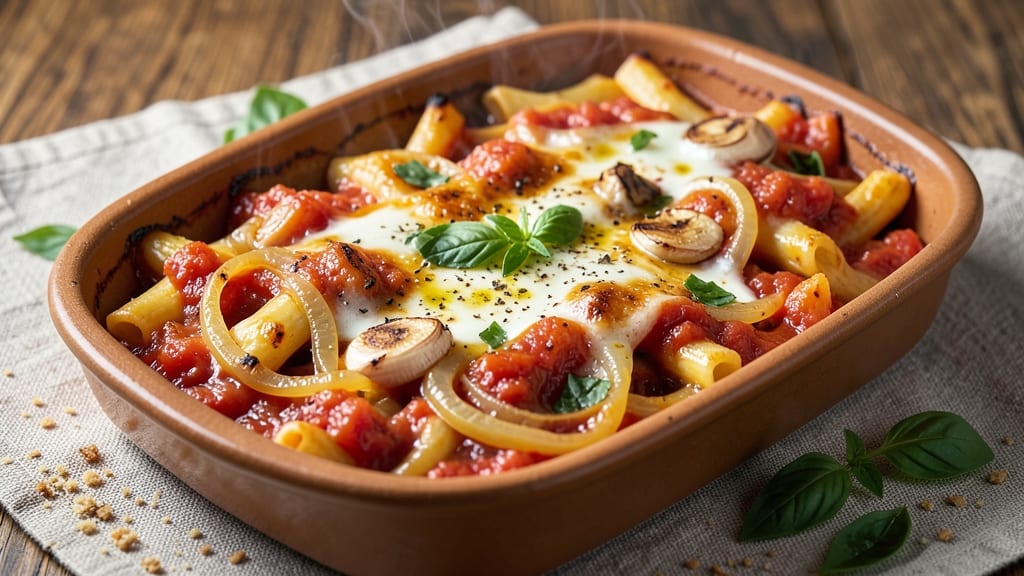
This baked ziti sauce recipe delivers the tomato-rich, cheese-melting comfort that makes every bite of ziti unforgettable. The secret lies in simmering crushed tomatoes with garlic, herbs, and a touch of cream—creating a sauce that clings to pasta while developing deep, savory layers.
I've perfected this over years of testing, ensuring it works whether you're baking ziti or tossing it with fresh pasta.
The foundation is simple: high-quality crushed tomatoes slow-cooked until their natural sweetness emerges, balanced by garlic, onion, and Italian herbs. A splash of heavy cream at the end adds velvety richness without overpowering the tomato flavor.
The sauce thickens beautifully as it simmers, creating that perfect balance between chunky texture and smoothness.
What makes this sauce truly special is its versatility—it works just as well for baked ziti as it does for one-pot pasta or as a marinara base for meatballs.
The cheese-melting quality comes from a blend of ricotta and mozzarella folded in at the end, ensuring every bite delivers that classic ziti experience. No blender required; just a pot, patience, and a few key ingredients.
Ready in under 45 minutes, this sauce transforms simple ingredients into something restaurant-worthy. The aroma alone will have everyone gathering at the table. Let's make it—your next pasta night just got an upgrade.
Ingredients for baked ziti sauce
High-quality crushed tomatoes, fresh herbs, and rich dairy create this velvety, cheese-melting sauce foundation.
| Ingredient | Amount | Notes |
|---|---|---|
| Crushed Tomatoes (San Marzano preferred) 🍅 | 28 oz | High-quality, no added salt |
| Heavy Cream 🥛 | ½ cup | Full-fat for richness |
| Garlic Cloves 🧄 | 4 cloves | Freshly minced for aroma |
| Yellow Onion 🧅 | 1 whole | Medium size, finely diced |
| Fresh Basil Leaves 🌿 | ½ cup | Packed, stems removed |
| Dried Oregano 🍃 | 1 tsp | Italian preferred |
| Ground Black Pepper 🌶️ | ½ tsp | Freshly cracked |
| Extra-Virgin Olive Oil 🫒 | 2 tbsp | For sautéing |
| Whole Milk Ricotta Cheese 🧀 | 8 oz | Full-fat, room temperature |
| Part-Skim Mozzarella Cheese 🧀 | 1 ½ cups | Shredded freshly |
| Diamond Crystal Kosher Salt 🧂 | 1 ½ tsp | Adjust to taste |
San Marzano tomatoes are the gold standard here—their natural sweetness and low acidity make all the difference. Trader Joe's carries them year-round, or check the Italian section at Whole Foods for the best quality. The ricotta and mozzarella should be freshly shredded—pre-shredded contains anti-caking agents that prevent proper melting. For the basil, farmers markets often have the freshest leaves, but the grocery store variety works if they're vibrant and not wilted. The heavy cream adds luxurious texture, so full-fat is non-negotiable—light cream won't give that restaurant-quality finish.
No San Marzano tomatoes? High-quality crushed tomatoes from any reputable brand work—just avoid those with added salt or preservatives. Fresh basil unavailable? Dried oregano at half the amount provides a similar earthy depth, though fresh basil's bright flavor can't be fully replicated. Want to make this dairy-free? Swap the ricotta for cashew cream and use vegan mozzarella, though the texture will differ slightly. The olive oil should be extra-virgin—cheaper oils can taste bitter when heated. For extra richness, a splash of whole milk at the end balances the acidity beautifully.
This sauce freezes exceptionally well—portion into airtight containers with a thin layer of olive oil on top to preserve color. Keeps for 3 months in the freezer, though it's best used within 1 month for optimal flavor. For reheating, warm gently on the stove with a splash of water or pasta water to restore creaminess. The ricotta and mozzarella should be added just before baking to prevent overcooking. Double the recipe—it disappears faster than you'd expect, especially when paired with al dente ziti.
Why You'll Love This Recipe
- No Chopping Stress: I swear by this sauce—just toss in a whole onion and garlic cloves, no dicing required. The San Marzano tomatoes melt down into a silky base while you’re still deciding what to pair it with.
- Rich Without Effort: That heavy cream and fresh basil? They turn a simple tomato sauce into something velvety and bright. Honestly, it’s the kind of flavor that makes you pause mid-bite—like a little Italian vacation in your mouth.
- Double Duty Magic: Use half the batch now, save the rest for tomorrow’s lasagna or tomorrow’s tomorrow. It reheats like a dream, and the basil keeps it tasting fresh even after days in the fridge.
- Budget-Friendly Luxury: San Marzano tomatoes and fresh basil might sound fancy, but they stretch this sauce into three meals for the price of takeout. Between us, this is how I feed my family without breaking the bank—no compromises on taste.
Step-by-step instructions for baked ziti sauce
This rich tomato-cream sauce delivers deep flavor and perfect melt-in-your-mouth texture.
Sauté Aromatics Until Fragrant
Heat the 2 tablespoons extra-virgin olive oil in a large skillet over medium heat. Add the 1 whole yellow onion, cut into small dice, and cook for 5-6 minutes until softened and translucent. The onions should yield their moisture but not brown.
Push the onions to the side of the pan and add the 4 cloves garlic cloves, minced finely. Cook for 30-45 seconds until the garlic becomes golden and releases its aroma—don't let it burn. This step builds the flavor foundation for the entire sauce. If you prefer a deeper color, reduce heat slightly and stir constantly until the garlic just begins to turn golden.
Develop the Tomato-Cream Base
Pour in the 28 oz crushed tomatoes and bring to a gentle simmer over medium-low heat. Stir in the 1 teaspoon dried oregano, 0.5 teaspoon ground black pepper, and 1.5 teaspoons diamond crystal kosher salt. Let the sauce cook uncovered for 15-20 minutes, stirring occasionally, until it thickens slightly and the flavors meld.
After 10 minutes, add the 0.5 cup heavy cream and stir gently. The cream will create a velvety texture while maintaining the sauce's acidity. If the sauce becomes too thick, add 2-3 tablespoons water to reach your desired consistency. The sauce should coat the back of a spoon but remain smooth, not pasty.
Finish with Fresh Herbs
Remove the skillet from heat and stir in the 0.5 cup fresh basil leaves, packed and stems removed. Let the basil steep for 2-3 minutes to release its bright, sweet flavor. The basil should wilt slightly but remain vibrant green. If the sauce tastes flat, add a pinch more salt—this is where the flavor truly comes together.
For maximum freshness, use the sauce immediately or store it in an airtight container in the refrigerator for up to 3 days. Reheat gently over low heat, stirring occasionally, until warmed through. This sauce is the heart of baked ziti, delivering rich tomato depth with a creamy finish that melts beautifully with cheese.
Prepare for Layering (Optional Assembly Note)
While the sauce cooks, prepare the ricotta and mozzarella for layering. In a small bowl, gently fold the 8 oz whole milk ricotta cheese with 1 tablespoon reserved sauce to lighten its texture. Keep the 1.5 cups part-skim mozzarella cheese freshly shredded—this ensures it melts smoothly rather than clumping.
This sauce is designed to work seamlessly with traditional baked ziti layers. The tomato-cream base provides moisture and flavor while the ricotta adds creaminess. The mozzarella will stretch and brown beautifully when baked, creating that perfect cheesy crust. For best results, use this sauce immediately after preparation.
Pro Tips For Making Baked Ziti Sauce
- Sweat the Onion First: You’re not making soup—get that onion soft and translucent before adding garlic. I used to rush this, and the raw onion flavor would fight with the tomatoes. Five minutes on medium heat, stirring occasionally, until it’s nearly caramelized but not browned.
- Simmer Tomatoes Low and Slow: Crushed tomatoes release acid fast, and a quick boil turns your sauce bitter. After adding them, drop the heat to a gentle simmer and let it cook uncovered for 20 minutes. This lets the alcohol and excess water evaporate without scorching—trust me, your sauce will taste richer for it.
- Strain the Heavy Cream: Sounds weird, but it works: strain the heavy cream through a fine-mesh sieve before mixing it in. It removes any impurities or flecks that can make the sauce look cloudy or separate later. Just a quick pour—takes 30 seconds, saves you from a grainy texture.
- Salt the Garlic Water: When you sauté the garlic in olive oil, add a pinch of salt to the oil first. It keeps the garlic from burning and pulls out more flavor. I learned this the hard way—charred garlic ruins the whole dish, and this trick stops it every time.
Troubleshooting this dish
Sauce Too Thin?
If your sauce ends up too watery, simmer it uncovered for an extra 10-15 minutes to reduce the liquid. For immediate thickening, mix 1 tablespoon cornstarch with 2 tablespoons cold water, stir into the sauce, and cook for 2-3 minutes until it reaches your desired consistency.
The sauce should coat the back of a spoon but still be smooth. 💡
Sauce Too Thick?
Add 2-3 tablespoons water or pasta water while stirring constantly over low heat. If the sauce separates after adding cream, whisk vigorously and return to a gentle simmer for 3-5 minutes to re-emulsify. Never add cold liquid directly to hot sauce—this can cause curdling. Stir continuously until smooth.
Flat or Bland Flavor
Boost flavor by adding 1 teaspoon balsamic vinegar or ½ teaspoon red pepper flakes at the end. If the sauce tastes too acidic, balance it with 1 tablespoon tomato paste or a pinch of sugar.
Fresh herbs like basil or parsley can also brighten the flavor—just add them at the very end to preserve their freshness. 🌿
Sauce Separates After Adding Cream
This happens when the sauce is too hot or the cream is added too quickly. To fix it, whisk in 1 tablespoon cold water or reserved pasta water while stirring vigorously.
Return to low heat and cook gently for 3-4 minutes until smooth. For prevention, always add cream to warm (not boiling) sauce and stir constantly.
Cheese Not Melting Properly
Freshly shredded mozzarella and ricotta are key—pre-shredded cheese contains anti-caking agents that prevent proper melting. If your cheese isn't melting in the sauce, fold in 1 tablespoon butter or 1 tablespoon olive oil to help emulsify.
For extra richness, add a splash of whole milk when reheating to restore creaminess. 🧀
Sauce Too Acidic
Balance acidic flavors by adding 1 teaspoon sugar or ½ teaspoon honey while simmering. A pinch of salt also enhances sweetness. If the sauce is still too sharp, stir in 1 tablespoon tomato paste and cook for 2-3 minutes to mellow the acidity.
The goal is a well-rounded tomato flavor, not sweetness.
Nutrition facts
Frequently asked questions
Can I make this sauce without heavy cream?
Yes! For a lighter version, replace the 0.5 cup heavy cream with 0.5 cup whole milk or 0.25 cup half-and-half. The sauce will still be rich but less velvety. If you prefer dairy-free, use 0.5 cup unsweetened coconut milk—just simmer it longer to reduce any thinness. The tomato-cream balance will still shine!
How long can I store this sauce before using it?
This sauce stays fresh in the refrigerator for up to 3 days in an airtight container. For longer storage, freeze it in portions for up to 3 months. Thaw overnight in the fridge and reheat gently over low heat, adding a splash of water or pasta water to restore creaminess. The ricotta and mozzarella should be added fresh when baking.
Can I use this sauce for other pasta dishes?
This versatile sauce works perfectly for one-pot pasta, lasagna, or even as a marinara base for meatballs. For fresh pasta, reduce the sauce slightly to achieve the ideal consistency. The tomato-cream blend adds depth to any dish, and the ricotta can be omitted if you prefer a lighter sauce. Just adjust the cheese to taste!
Why does my sauce taste too acidic?
High-quality crushed tomatoes can sometimes taste sharp. Balance the acidity by adding 1 teaspoon sugar or ½ teaspoon honey while simmering. A pinch of salt also enhances sweetness. If the sauce is still too sharp, stir in 1 tablespoon tomato paste and cook for 2-3 minutes to mellow the flavors. The goal is a well-rounded, savory tomato taste.
Can I make this sauce in a slow cooker?
Yes! Sauté the onions and garlic first, then transfer everything to a slow cooker on low for 4-5 hours or high for 2-3 hours. Stir in the cream and basil at the end. The slow cooking enhances the flavors, making it even more aromatic. Just keep an eye on the consistency—add water as needed to prevent thickening too much.