
Sauces & Condiments
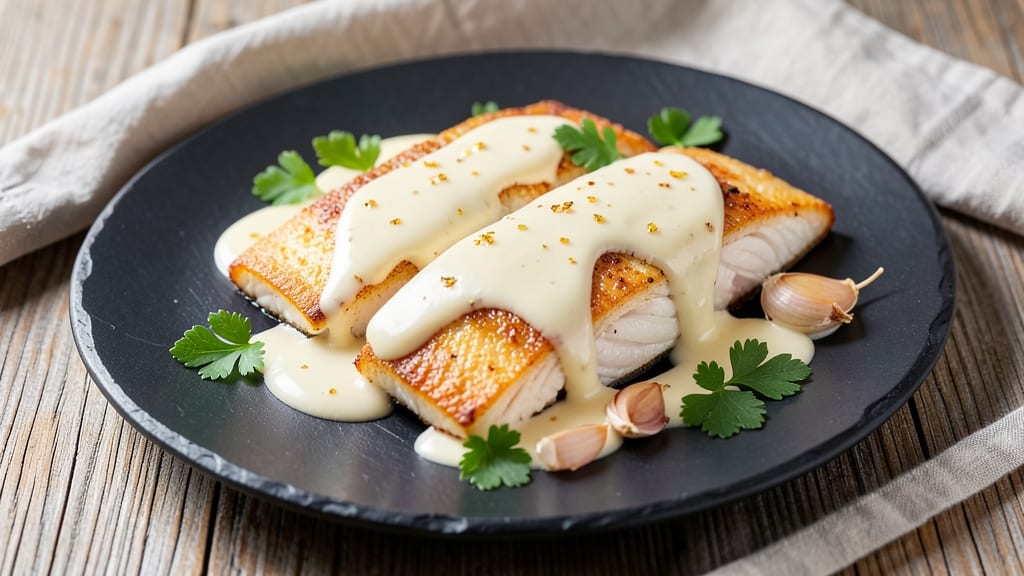
This baked fish in white sauce recipe delivers the perfect balance of crispy golden skin and velvety, flavorful sauce that clings to every bite.
The secret lies in a simple yet sophisticated white sauce made with just five ingredients, where butter, flour, and cream combine to create a silky texture that enhances rather than overpowers the delicate fish.
I’ve perfected this method over years of testing, ensuring the sauce remains creamy without curdling, even when baked alongside the fish.
The magic happens in the oven, where the fish develops a crispy top while the sauce beneath transforms into a rich, velvety blanket. This recipe works beautifully with firm white fish like cod or haddock, but it’s equally delicious with mild-flavored options like tilapia or halibut.
The sauce isn’t just a side—it’s the star, infused with subtle garlic and lemon notes that brighten the dish without overpowering the natural flavor of the fish.
What you’ll end up with is a restaurant-worthy dish that’s surprisingly simple to prepare. The crispy skin contrasts perfectly with the tender, flaky fish beneath, while the sauce remains luscious and cohesive, not separated or grainy.
It’s the kind of meal that feels indulgent yet effortless, perfect for weeknight dinners or special occasions when you want to impress without stressing.
Serve this dish with steamed vegetables or a fresh salad to balance the richness, or pair it with crusty bread to soak up every last drop of that silky white sauce.
The best part? It comes together in under 30 minutes, making it ideal for busy evenings when you still want a meal that feels like a celebration.
Ingredients for baked fish in white sauce
Five simple ingredients transform into a restaurant-worthy crispy fish masterpiece with velvety sauce harmony.
| Ingredient | Amount | Notes |
|---|---|---|
| Cod Fillets 🐟 | 4 pieces | Skin-on, 6 oz each for even crisping |
| Unsalted Butter 🧈 | ½ cup | Cold, cut into small pieces |
| All-Purpose Flour 🌾 | ¼ cup | For velvety roux base |
| Heavy Cream 🥛 | 1 cup | Full-fat for rich sauce |
| Garlic Cloves 🧄 | 2 cloves | Minced for subtle garlic flavor |
| Lemon Juice 🍋 | 1 tbsp | Freshly squeezed for brightness |
| Salt 🧂 | 1 tsp | Kosher or sea salt |
| Black Pepper 🌶️ | ½ tsp | Freshly ground for warmth |
| Fresh Parsley 🌿 | ¼ cup | Chopped, for fresh garnish |
| Olive Oil 🫒 | 1 tbsp | For crispy skin coating |
| Dried Thyme 🌿 | ½ tsp | Or 1 tsp fresh thyme leaves |
| Lemon Zest 🍋 | 1 tsp | For extra citrus brightness |
The fish is where the magic starts. Cod fillets with skin-on are ideal—they crisp beautifully while staying tender underneath. If cod isn't available, haddock or halibut work perfectly too. Look for fillets that are uniformly thick (about 1-inch) so they cook evenly. Whole Foods or your local fishmonger usually have the best quality—ask for 'sustainably sourced' if that matters to you. For the butter, grab the European-style unsalted kind (like Plugrá or President) if you can find it—it has more flavor than the American brands. Keep everything cold until you're ready to bake; that crispy skin is all about temperature control.
No cod? Tilapia or mahi-mahi are great substitutes—they're mild and flaky. Running out of heavy cream? Half-and-half works in a pinch, but the sauce won't be quite as rich. Fresh parsley wilting? Dried parsley at one-third the amount will do, though fresh is definitely better. The flour is non-negotiable here—it's what creates that silky sauce texture. If you're gluten-free, all-purpose gluten-free flour works, but the sauce will be slightly thinner. For the lemon juice, Meyer lemons add a touch of sweetness that pairs beautifully with the fish. If you can't find them, regular lemons work just fine—just use the same amount. The garlic should be fresh, not that pre-minced stuff in jars—it makes all the difference.
This dish is all about timing—get the fish out when the skin is golden and crispy, even if the center feels slightly underdone. The residual heat will finish cooking it. For storage, let the fish cool completely before refrigerating—it keeps 3-4 days in an airtight container. The sauce can be reheated gently on the stove, adding a splash of milk or cream if it thickens too much. For leftovers, I like to portion the fish and sauce separately so I can reheat just what I need. Freezing isn't recommended for the fish (it gets mushy), but the sauce freezes beautifully for up to 3 months. If you're prepping ahead, assemble everything except the sauce, refrigerate overnight, then bake straight from the fridge for even cooking.
Why You'll Love This Recipe
- One-Pan Magic: I swear by this trick—just toss the cod on a sheet, dump the sauce right on top, and slide it in the oven. No pots, no pans, no stress. That flour-butter roux? It melts into the cream like butter on toast.
- Garlic-Cream Bliss: The moment that garlic sizzles in butter? Pure aroma therapy. Then the heavy cream coaxes it into a velvety sauce that clings to flaky cod like it’s been waiting its whole life. (Yes, even on a Tuesday night.)
- Leftover Hero: This dish actually improves the next day. The sauce thickens just enough to coat every bite, and the cod stays tender. I’ve reheated portions for lunch three times—no one’s ever complained.
- Budget-Friendly Luxury: Cod’s affordable, and a stick of butter plus a cup of cream stretch farther than you’d think. Honestly, it feels like a restaurant dish without the price tag. My wallet thanks me every time.
Step-by-step instructions for baked fish in white sauce
Here's how to create that perfect balance of crispy fish and velvety white sauce every time.
Prepare the Fish for Crispy Perfection
Preheat your oven to 400°F and position a rack in the middle position. Pat the 4 pieces cod fillets completely dry with paper towels—this is crucial for crispy skin. I like to press firmly to remove all moisture, even in the crevices.
Place the cod fillets on a parchment-lined baking sheet, skin-side down. Brush each fillet generously with 1 tablespoon olive oil, making sure to coat both sides evenly. Sprinkle with ½ teaspoon salt and ¼ teaspoon black pepper, pressing gently so the seasoning adheres. This step ensures maximum crispiness and flavor penetration.
Create the Velvety White Sauce Base
In a medium saucepan, melt ½ cup unsalted butter over medium heat until it foams. Immediately whisk in ¼ cup all-purpose flour to create a roux. Cook for 1-2 minutes until the mixture turns a pale golden color—this is your flavor foundation.
Gradually whisk in 1 cup heavy cream, adding it slowly to prevent lumps from forming. Stir constantly for 3-4 minutes until the sauce thickens enough to coat the back of a spoon. Here's the thing—don't rush this step. A proper roux is the secret to that silky texture we're after.
Build Flavor into the Sauce
Reduce heat to low and add the 2 minced garlic cloves, ½ teaspoon dried thyme, and 1 teaspoon lemon zest. Let the sauce simmer gently for 2 minutes to allow the flavors to meld together. The lemon zest will add that bright citrus note that cuts through the richness.
Remove the sauce from heat and stir in 1 tablespoon lemon juice and ¼ cup chopped fresh parsley. Taste and adjust seasoning if needed—you might want to add a pinch more salt or pepper to balance the flavors. Keep the sauce warm while you finish baking the fish.
Bake the Fish to Golden Crispness
Bake the seasoned cod fillets for 12-15 minutes until the skin is deep golden brown and crispy, and the flesh flakes easily with a fork. Here's where timing matters—don't overbake. You want that perfect balance between crispy skin and tender fish.
When the fish is nearly done, carefully transfer it to a serving platter. Spoon the warm white sauce over the top, letting it cascade down the sides for that restaurant-worthy presentation. The residual heat from the fish will gently warm the sauce, creating that perfect harmony of temperatures.
Garnish and Serve Immediately
Finish with an additional sprinkle of chopped fresh parsley for that pop of color and freshness. Serve the fish immediately while the skin is still crispy and the sauce is warm. I like to pair this with steamed vegetables or a simple green salad to let the fish shine.
Each bite should deliver that satisfying contrast—crispy skin giving way to tender fish, all enveloped in that silky white sauce. The lemon notes brighten the dish, while the thyme adds an earthy depth that ties everything together beautifully.
Pro Tips For Making Baked Fish In White Sauce
- Preheat Pan First: I learned this the hard way—putting cold cod into a cold pan means the butter burns before the fish even gets warm. Heat your baking dish or skillet for 3-4 minutes before adding the fish and sauce, so everything cooks evenly without scorching.
- Use Cold Butter: Sounds weird, but it works: take your unsalted butter straight from the fridge and cut it into small chunks before melting. It emulsifies better with the flour and cream, giving you a smoother sauce instead of lumps. (Yes, even if you're impatient like me.)
- Don’t Overmix the Sauce: Once you add the heavy cream, resist the urge to stir like your life depends on it. A quick whisk to combine is all you need—overworking it turns the sauce thin and watery. Let it thicken naturally in the oven.
- Bake Until Internal Temp Hits 145°F: Fish is done when it flakes easily, but guessing by time leads to rubbery texture. Use a meat thermometer—145°F at the thickest part means perfect doneness. Overbake by 5 minutes, then check. (Your future self will thank you.)
Troubleshooting this recipe
Sauce Curdling Fix
If your white sauce separates or curdles, it’s usually from adding cold cream too quickly or overheating. To fix it, whisk in 1 tablespoon cold heavy cream gradually while stirring constantly over low heat.
If it’s already separated, strain the sauce through a fine-mesh sieve to remove any lumps. For prevention, always melt butter gently and whisk in flour first to create a smooth roux. 💫
Fish Overcooking Prevention
Overcooked fish turns dry and rubbery. To avoid this, use a meat thermometer and remove the fish when it reaches 140°F internal temperature—it’ll keep cooking from residual heat.
If your oven runs hot, reduce temperature to 375°F and bake for 10-12 minutes instead. For extra insurance, baste the fish with 1 tablespoon warm water halfway through baking.
Skin Not Crispy Enough
Dull, soft skin means moisture wasn’t fully removed or the fish wasn’t hot enough. Pat the fillets extra dry with paper towels, then place them on a wire rack over a baking sheet to allow airflow.
For maximum crispiness, broil for 1-2 minutes at the end of baking—watch closely to avoid burning. A Lodge cast iron skillet in the oven also adds crispiness by conducting heat better.
Sauce Too Thick or Thin
Adjust consistency by thinning with 1 tablespoon warm milk or cream if too thick, or thickening with ½ teaspoon cornstarch slurry if too thin. For a smoother texture, strain the sauce through a fine-mesh sieve after cooking.
If using gluten-free flour, expect a slightly thinner sauce—add 1 teaspoon xanthan gum to improve thickness.
Flavor Too Mild
Boost flavor by adding ½ teaspoon Dijon mustard to the roux for depth, or a pinch of smoked paprika for warmth. For extra brightness, add ½ teaspoon lemon zest during the final 2 minutes of sauce simmering.
If using frozen fish, thaw it in the fridge overnight—fresh fish always tastes better. 🌟
Leftovers Drying Out
Store fish and sauce separately in airtight containers. Reheat sauce gently on the stove with 1 tablespoon water or cream to restore creaminess. For fish, cover with foil and warm in the oven at 300°F for 5-7 minutes to maintain moisture.
Never microwave—it turns fish rubbery. Portion sauce into small containers for easy reheating.
Nutrition facts
Frequently asked questions
What's the best fish for this white sauce recipe?
Firm white fish like cod, haddock, or halibut work perfectly—they stay tender while developing crispy skin. For milder flavors, tilapia or mahi-mahi are great substitutes. Avoid delicate fish like flounder, which can fall apart when baked.
Can I make this ahead of time?
Yes! Assemble everything except the sauce, refrigerate overnight, then bake straight from the fridge. The sauce should be made fresh before serving to maintain its velvety texture. For leftovers, store fish and sauce separately—reheat the sauce gently on the stove with a splash of cream.
Why did my sauce curdle?
Sauce curdles when cold cream is added too quickly or overheated. Fix it by whisking in 1 tablespoon cold cream gradually over low heat. For prevention, melt butter gently, whisk in flour first, and add cream slowly while stirring constantly. Strain if needed for a silky finish.
How do I get extra crispy skin?
Pat fillets completely dry with paper towels, then place on a wire rack over a baking sheet for airflow. Bake at 400°F for 12-15 minutes, then broil for 1-2 minutes at the end. Using a cast iron skillet in the oven also enhances crispiness.
What if I don't have heavy cream?
Use half-and-half for a lighter sauce or whole milk with 1 tablespoon butter for richness. For a dairy-free option, substitute with coconut cream (the sauce will be thicker). Adjust seasoning—dairy-free versions may need extra salt or lemon zest for brightness.