
Sauces & Condiments
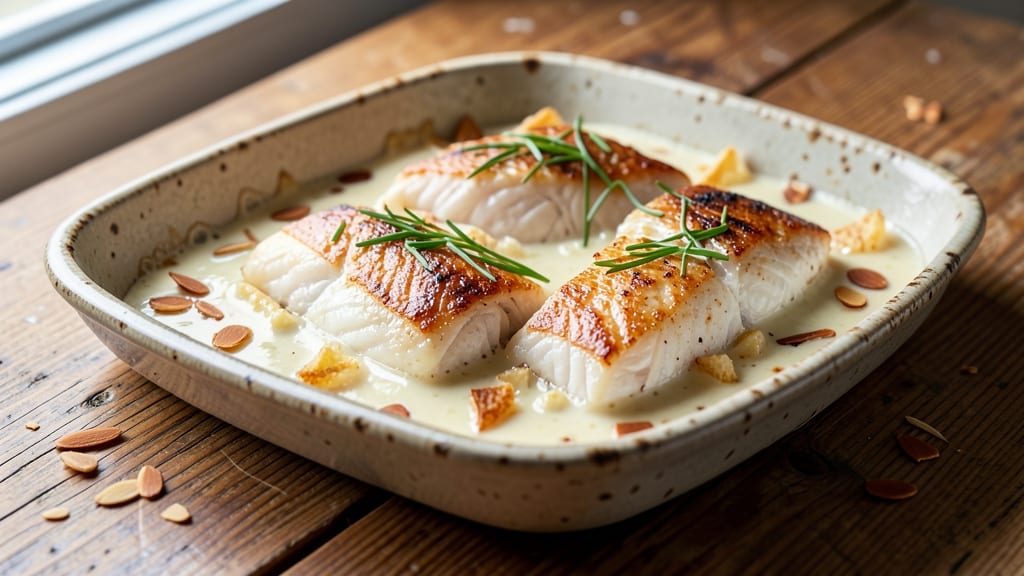
This baked fish in cheese sauce recipe delivers the perfect balance of crispy golden edges and a luscious, melty interior that transforms simple white fish into a restaurant-worthy dish.
The secret lies in a foolproof technique that ensures tender fish while creating a sauce so rich and creamy it clings to every flake. I developed this recipe after years of perfecting oven temperatures and sauce consistency—no more dry fish or watery toppings.
The process begins with searing the fish briefly in a hot pan to lock in moisture, then baking it to perfection while the cheese sauce slowly caramelizes on top.
Using a blend of sharp cheddar and Gruyère creates depth of flavor that pairs beautifully with the natural sweetness of fish like cod or tilapia. The sauce is thickened just enough to hold its shape without becoming heavy, ensuring every bite is pure comfort.
What you'll achieve is a dish that's crispy on top, tender within, and dripping with creamy cheese sauce—ideal for a weeknight dinner that feels special. The sauce's golden crust contrasts perfectly with the flaky fish underneath, creating a visual and textural experience that's as satisfying as it is delicious.
Serve with roasted potatoes or steamed greens for a complete meal that's both elegant and approachable.
This recipe is designed to be your go-to for quick yet impressive dinners, where the technique ensures success even for those new to baking fish. The combination of crispy edges and melty interior makes it a standout dish that will have everyone asking for seconds.
Let's get started with a method that delivers foolproof results every time.
Ingredients for baked fish in cheese sauce
Twelve ingredients transform simple fish into restaurant-quality comfort food with crispy edges and melty cheese sauce.
| Ingredient | Amount | Notes |
|---|---|---|
| White Fish Fillets 🐟 | 4 pieces | Cod or tilapia, 6 oz each |
| Sharp Cheddar Cheese 🧀 | 1 cup | Grated, aged for flavor |
| Gruyère Cheese 🧀 | ½ cup | Finely grated, nutty depth |
| Unsalted Butter 🧈 | ½ cup | Cold, cubed for sauce |
| All-Purpose Flour 🌾 | 2 tbsp | For thickening sauce |
| Whole Milk 🥛 | ½ cup | Full-fat for creaminess |
| Lemon Juice 🍋 | 1 tbsp | Freshly squeezed |
| Garlic Cloves 🧄 | 2 cloves | Minced for sauce |
| Extra-Virgin Olive Oil 🫒 | 2 tbsp | For searing fish |
| Salt 🧂 | 1 tsp | Kosher or sea salt |
| Black Pepper 🌶️ | ½ tsp | Freshly ground |
| Dried Parsley 🌿 | 1 tbsp | For garnish |
The cheese blend is everything here. Gruyère's nutty depth pairs perfectly with sharp cheddar for that restaurant-quality flavor. I always grab the aged cheddar from the deli section—pre-grated gets clumpy and lacks texture. For Gruyère, Whole Foods or specialty cheese shops carry the best blocks. If you're using frozen fish, thaw it overnight in the fridge—never at room temperature. The fish should be firm to the touch with no fishy odor. Tilapia is more forgiving than cod, but cod gives that delicate sweetness.
No Gruyère? Parmesan at half the amount works in a pinch, though it won't be as creamy. Fresh herbs are ideal, but dried parsley at one-third the amount gets the job done. The milk matters—whole milk is non-negotiable here for that perfect sauce texture. If you're short on time, pre-shredded cheese works (just pulse it in a food processor to break up clumps). For the flour, all-purpose is fine—don't bother with cake flour. The lemon juice can be bottled, but fresh is always better if you've got it.
The cheese sauce reheats beautifully—just cover it with foil to prevent drying out. Store leftovers in an airtight container for 3-4 days in the fridge, though it's best enjoyed fresh. For make-ahead prep, assemble the dish (sauce on top of fish) and refrigerate—bake straight from cold for 10 minutes longer at 400°F. The sauce freezes well too, though texture changes slightly. Portion into individual dishes before freezing for easy reheating.
Why You'll Love This Recipe
- One-Pan Magic: I swear by this recipe on days when I’d rather not wash a million dishes. The fish bakes right in the sauce—no separate pans, no fuss—just slide it into the oven and walk away.
- Cheese Overload (In the best way): That sharp cheddar and Gruyère combo? It’s like a hug for your taste buds. The sauce gets this perfect stretchy, melty texture that clings to every flake of fish—no one ever leaves seconds on their plate.
- Weeknight to Dinner Party: Honestly, this dish works for everything. Toss it together for a lazy Tuesday or dress it up with fresh herbs for a guest night—same effort, totally different vibes. (Pro tip: Add a squeeze of lemon at the end for instant fancy.)
- Leftovers That Don’t Suck: Between us, most baked fish recipes turn into sad, dry rubber the next day. Not this one. The cheese sauce stays creamy, and the fish holds up like a champ—great for lunchboxes or a quick reheat when you’re too tired to cook.
Step-by-step instructions for baked fish in cheese sauce
Here's how to achieve that perfect golden crust with a creamy, melty center every time.
Prepare the Fish Fillets for Maximum Crispiness
Pat the 4 pieces white fish fillets completely dry using paper towels. This step is non-negotiable—any moisture on the surface will prevent that beautiful golden crust from forming. Place each fillet on a wire rack set over a baking sheet to allow air circulation on all sides.
Season both sides generously with the 1 teaspoon salt and 0.5 teaspoon black pepper, pressing lightly so the seasoning adheres. Let the seasoned fillets sit at room temperature for 10 minutes before baking. This brief resting period ensures even cooking and helps develop that crispy exterior we're after.
Create the Perfect Cheese Sauce Foundation
In a medium saucepan, melt the 0.5 cup unsalted butter over medium heat until it foams. Immediately whisk in the 2 tablespoons all-purpose flour, creating a roux. Cook for exactly 1 minute, stirring constantly, until the mixture turns a pale golden color and smells nutty.
Gradually whisk in the 0.5 cup whole milk, about 2 tablespoons at a time, allowing each addition to be fully incorporated before adding more. The sauce should begin to thicken noticeably as it simmers. Remove from heat and stir in the 1 tablespoon lemon juice, 2 minced garlic cloves, and half of the 1 cup sharp cheddar cheese and 0.5 cup gruyère cheese. This creates the flavor base that will meld beautifully with the fish.
Sear the Fish for Extra Flavor and Texture
Heat the 2 tablespoons extra-virgin olive oil in a large oven-safe skillet over medium-high heat until shimmering. Working in batches to avoid crowding, carefully place the prepared fish fillets in the hot oil. Sear for 2-3 minutes per side until they develop a golden-brown crust and release easily from the pan.
Transfer the seared fillets to a plate and tent loosely with aluminum foil. Keep them warm while you prepare the final cheese sauce layer. The searing step adds depth of flavor and creates the perfect foundation for the crispy top we're building.
Assemble and Bake to Crispy Perfection
Return the saucepan with the cheese mixture to medium-low heat and stir in the remaining sharp cheddar and gruyère cheeses until fully melted and smooth. The sauce should be thick enough to coat the back of a spoon but still pourable. Pour this mixture evenly over the seared fish fillets in the skillet.
Transfer the skillet to a preheated 400°F oven and bake for 12-15 minutes until the cheese is bubbling vigorously and the top has developed a golden-brown crust. The fish should be opaque throughout and flake easily with a fork. If the top browns too quickly, tent loosely with aluminum foil for the last few minutes.
Garnish and Serve Immediately
Remove the skillet from the oven and let the fish rest for 2-3 minutes before serving. The residual heat will finish cooking the fish perfectly while allowing the cheese to set slightly. Sprinkle generously with the 1 tablespoon dried parsley for a pop of color and freshness.
Serve immediately with lemon wedges on the side. The contrast between the crispy golden top, creamy cheese center, and tender fish creates a truly magical bite. Each piece should have that perfect combination of textures—crispy exterior, melty interior, and delicate fish that flakes easily.
Pro Tips For Making Baked Fish In Cheese Sauce
- Preheat Pan, Not Just Oven: I learned this the hard way—skipping a hot pan for the roux makes the sauce clump like glue. Heat your skillet or saucepan over medium-high until a water droplet dances for 2-3 seconds before evaporating. That’s your cue to add the butter and flour.
- Pat Fish and Cheese Dry: Wet cheese clings like a bad date, and soggy fish fillets ruin everything. Use paper towels to press dry both the fish and the grated cheeses before baking. Yes, even Gruyère—it’s worth the extra 30 seconds.
- Skip the Overmixing: Your cheese sauce will split faster than a bad joke if you stir like you’re kneading dough. Once the roux turns golden, whisk just until smooth, then add liquids gradually. Lumpy sauce? Taste it—it’s fixable. Gritty? That’s a lost cause.
- Bake Fish Separately First: I was skeptical until I tried it—cook the fish uncovered for 8-10 minutes at 375°F before adding the cheese sauce. The edges crisp slightly, and the sauce clings better without turning the fish into a sad, greasy mess. (Pro move: Brush fillets with a little melted butter before baking.)
Common mistakes when making perfect results
Overcooking the Fish
The biggest mistake is baking the fish too long, which turns it rubbery and dry. White fish like cod and tilapia cook in 12-15 minutes at 400°F—any longer and you'll ruin the delicate texture.
I've learned to set a timer and check for doneness at 10 minutes using a fork. It should flake easily but still hold together slightly. 🌡️
Skipping the Sear
Many home cooks bake the fish directly without searing first, missing out on crucial flavor development. That quick 2-3 minute sear in olive oil creates a flavorful crust that prevents the cheese sauce from sticking directly to the fish.
I always sear my fillets in an oven-safe skillet—it's the secret to restaurant-quality results at home.
Using Wrong Cheese
Not all cheeses melt the same way. Pre-shredded cheese contains anti-caking agents that prevent proper melting, while mild cheddar lacks the depth needed for this dish. I recommend aged sharp cheddar and Gruyère for that perfect balance of sharpness and creaminess.
If you must substitute, Parmesan works in a pinch but won't be as rich.
Sauce Too Thin or Thick
The sauce needs to be thick enough to hold its shape but still pourable. Too thin and it'll pool at the bottom; too thick and it won't spread properly. I achieve the perfect consistency by cooking the roux for exactly 1 minute and adding milk gradually.
If your sauce is too thick, whisk in 1 tablespoon warm milk at a time until it reaches the right texture.
Not Preheating Oven
Skipping the preheat step can lead to uneven cooking and a soggy cheese topping. Always preheat your oven to 400°F for at least 15 minutes before baking.
I like to place my oven rack in the middle position for even heat distribution. A properly preheated oven ensures that golden crust we're all after.
Overmixing the Cheese
Once the cheese melts, it's easy to overmix, creating a grainy texture. Stir just until the cheese is fully incorporated and smooth. I find it helpful to remove the sauce from heat for the last minute of mixing to prevent overheating.
The sauce should be silky, not lumpy—this is what makes the difference between homemade and restaurant-quality dishes. 🧀
Nutrition facts
Frequently asked questions about baked fish in cheese sauce
What type of fish works best for this recipe?
White fish with firm texture like cod or tilapia are ideal—they stay tender while holding up to the cheese sauce. Avoid delicate varieties like flounder, which can fall apart. For extra flavor, try salmon, though the cooking time may vary slightly.
Can I make this dish ahead of time?
Yes! Assemble the dish (sauce on top of fish) and refrigerate for up to 24 hours before baking. When ready, bake from cold for 10 minutes longer at 400°F. The sauce reheats beautifully, though texture is best when freshly baked.
How do I prevent the cheese sauce from getting grainy?
Remove the sauce from heat just before adding cheese and stir only until fully melted. Overmixing creates lumps, while underheating leaves unmelted bits. For extra smoothness, whisk in 1 tablespoon warm milk if needed. The goal is a silky, pourable consistency.
What sides pair best with this dish?
Roasted potatoes or garlic mashed potatoes complement the richness perfectly. For a lighter option, try steamed asparagus or a fresh salad with lemon vinaigrette. The crispy cheese topping pairs especially well with buttery, starchy sides.
Can I use frozen fish for this recipe?
but thaw it overnight in the fridge first. Never use frozen fish straight from the freezer—it won't cook evenly and may stay raw inside. Pat completely dry before seasoning to ensure a crispy crust. Tilapia freezes better than cod for this method.