
Sauces & Condiments
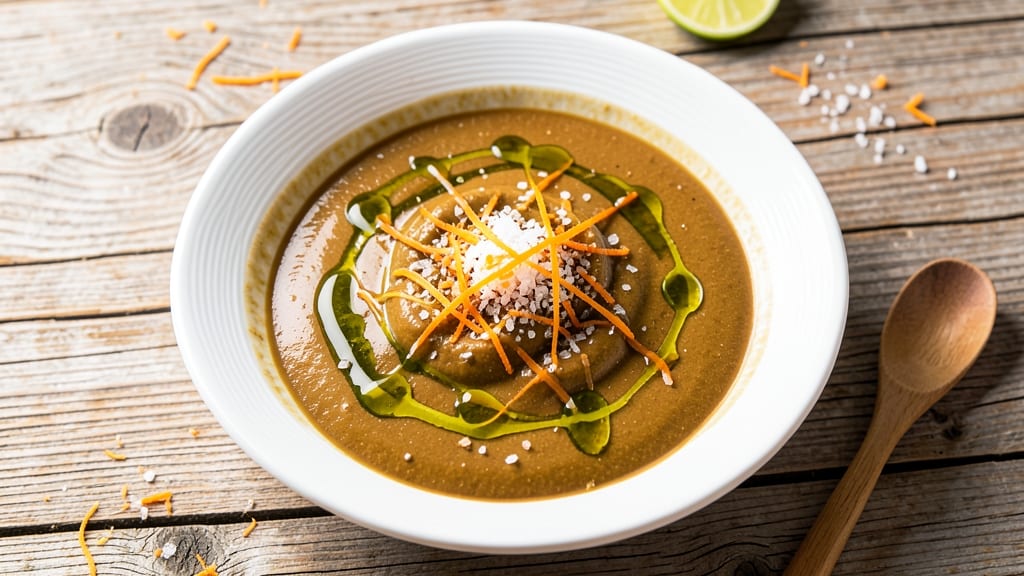
This Bahama Breeze citrus mustard sauce transforms ordinary dishes into vibrant, tropical-inspired meals with just a few simple ingredients. The perfect balance of tangy Dijon mustard and bright citrus creates a versatile condiment that elevates everything from grilled shrimp to crispy finger foods.
I developed this recipe after craving that signature Bahama Breeze cocktail flavor in savory form—now you can enjoy it year-round without the alcohol.
The secret lies in the citrus-to-mustard ratio, where freshly squeezed lime juice and orange zest deliver that signature tropical punch while the mustard provides depth and creaminess. Unlike store-bought versions, this sauce stays fresh for weeks in the refrigerator, making it ideal for meal prep.
The recipe requires just five minutes of active time, with no cooking needed—simply whisk, taste, and adjust.
What makes this sauce truly special is its versatility. Drizzle it over grilled fish or chicken for instant flavor, use it as a marinade for shrimp skewers, or serve it as a tangy dip for fries and veggies.
The bright citrus notes cut through rich proteins, while the mustard adds a satisfying bite that lingers on the palate. It's the kind of condiment that transforms simple meals into something extraordinary.
Once you try this Bahama Breeze citrus mustard sauce, you'll never reach for bottled versions again. The fresh, zesty flavor is impossible to resist, and the simplicity of the recipe makes it perfect for both weeknight dinners and special occasions.
Let's get started on creating your own batch—your taste buds will thank you.
Ingredients for bahama breeze citrus mustard sauce
Five ingredients and a whisk—this tropical mustard sauce is your new weeknight secret weapon.
| Ingredient | Amount | Notes |
|---|---|---|
| Dijon Mustard 🌶️ | ½ cup | High-quality for best flavor |
| Fresh Lime Juice 🍋 | ½ cup | Freshly squeezed, no pulp |
| Orange Zest 🍊 | 1 tbsp | From organic orange preferred |
| Honey 🍯 | 2 tbsp | Wildflower for floral notes |
| Extra-Virgin Olive Oil 🫒 | ¼ cup | Light and fruity variety |
| Salt 🧂 | 1 tsp | Kosher or sea salt |
| Black Pepper 🌶️ | ½ tsp | Freshly ground preferred |
| Fresh Cilantro 🌿 | ¼ cup | Chopped, for garnish optional |
The mustard is the backbone here, so Maille or Amoy are my go-tos—they've got that perfect balance of tang and depth. Fresh lime juice is non-negotiable (the bottled stuff just doesn't cut it), so grab a bag of limes from Trader Joe's or your local market—they're usually cheaper than individual fruit. For the orange zest, use a microplane if you've got one—it makes quick work of it. The honey adds just enough sweetness to balance the citrus, but if you're avoiding sugar, agave nectar works too. I always double-check my olive oil is fruity and peppery—California-grown brands tend to have that bright flavor.
No fresh limes? Key lime juice from a bottle is your next best bet, though it'll lack that same pop. Subbing honey? Maple syrup or date syrup both work, but you might need to adjust the salt. The orange zest can be swapped for lemon zest if that's what you've got, though it'll have a slightly different profile. Want extra zing? Add a dash of hot sauce or a pinch of cayenne. The cilantro is completely optional—skip it if you're not a fan, but it adds that fresh herb note that ties everything together. Store-bought Dijon with additives? Toss it—your taste buds will thank you.
This sauce keeps beautifully in the fridge for up to 3 weeks if you store it in a clean glass jar with a tight seal. The flavors actually deepen over time, so it's perfect for meal prep. For longer storage, freeze portions in ice cube trays—just thaw overnight in the fridge. I like to make a big batch on Sundays so I've got it ready for grilled shrimp nights or as a dip for veggie platters. If it separates, just give it a quick whisk before using—it'll come together perfectly.
Why You'll Love This Recipe
- Five-Ingredient Magic: I swear by this one—just mustard, lime, orange zest, honey, and olive oil. That’s it. No fancy techniques, no last-minute grocery runs. Honestly, I’ve made it while waiting for chicken to grill, and it still came out bright and tangy every time.
- Sunshine in a Jar: The citrus hits different—like a vacation in your mouth. That honey rounds out the sharpness, while the olive oil adds this silky richness. Between us, it’s the kind of sauce that makes me want to eat everything with a spoon.
- Dresses Up Anything: Slather it on grilled fish, drizzle it over roasted veggies, or toss it with pasta. I’ve even used it as a marinade for shrimp—absolutely spot-on. It’s my go-to for when I’m bored of the same old flavors but don’t want to cook for hours.
- Lasts All Week: Make a double batch and store it in the fridge. The flavors deepen over time, and it’s still vibrant after five days. Plus, it’s cheap—Dijon and citrus don’t break the bank, and you’ll use every drop before it’s gone. My secret weapon for lazy Mondays.
Step-by-step instructions for Bahama Breeze citrus mustard sauce
This tangy, bright sauce comes together in minutes with just a whisk and a little patience.
Whisk Together the Base Ingredients
In a medium bowl, combine the 0.5 cup Dijon Mustard and 0.5 cup Fresh Lime Juice. I like to use a fork first to break up any lumps in the mustard before switching to a whisk. This ensures a smooth, lump-free sauce from the start.
Next, add the 2 tbsp Honey and 1 tbsp Orange Zest, whisking continuously until everything is fully incorporated. The honey will help balance the acidity of the lime juice while adding natural sweetness. If you're using freshly grated orange zest, make sure it's finely minced—large pieces can make the sauce gritty.
Gradually Incorporate the Olive Oil
With the motor running on low speed in a stand mixer or using a whisk by hand, slowly drizzle in the 0.25 cup Extra-Virgin Olive Oil. This gradual addition prevents the sauce from separating, creating a silky emulsion instead of a greasy mixture. You'll know you're doing it right when the sauce starts to look glossy and thickens slightly.
Keep whisking for another 1-2 minutes after all the oil is incorporated. This step is crucial for developing the sauce's rich, velvety texture. If it starts to look too thick, add 1 teaspoon of water at a time until it reaches your desired consistency—it should coat the back of a spoon smoothly.
Season and Finish with Fresh Herbs
Add the 1 tsp Salt and 0.5 tsp Black Pepper, whisking until fully dissolved. Taste and adjust the seasoning if needed—this is where you can fine-tune the balance between tangy, sweet, and savory. I usually add a pinch more salt to enhance all the flavors.
Finally, stir in the 0.25 cup Fresh Cilantro, reserving a few sprigs for garnish if desired. The cilantro adds a bright, herbal note that complements the citrus perfectly. Give it one last taste—you should get a burst of zesty lime, subtle sweetness from the honey, and a hint of warmth from the mustard.
Rest and Serve
Transfer the sauce to a clean jar or airtight container and let it rest at room temperature for 10-15 minutes. This short resting period allows all the flavors to meld together beautifully. The sauce will thicken slightly as it sits, making it even more luxurious.
Use your Bahama Breeze sauce immediately on grilled chicken, fish, or even as a dip for fresh vegetables. If storing, keep it refrigerated for up to 5 days—the flavors actually improve over time as the citrus and mustard marry even more. Give it a quick whisk before serving to restore its silky texture.
Pro Tips For Making Bahama Breeze Citrus Mustard Sauce
- Whisk in stages: Start with the mustard and honey first—this thickens the base before adding citrus. Dumping all ingredients at once means you’ll end up with a gloppy mess that won’t emulsify properly. I learned this the hard way after scraping a lumpy sauce off my grilled shrimp.
- Zest, don’t grate: Use a fine microplane for orange zest—it’s faster and avoids bitter pith. Skip the box grater unless you’re okay with a gritty texture that’ll make your sauce taste like orange peel confetti. (Yes, I’ve done it. No, I won’t do it again.)
- Balance the lime: Taste before adding all the juice—start with 2 tablespoons, then adjust. Too much lime turns this sauce into a sad, puckery punch. My grandmother swore by this, and she was right: the honey should sing, not the sour.
- Oil last, not first: Add olive oil in a slow drizzle while whisking constantly—this keeps the sauce silky. Pouring it in all at once breaks the emulsion, and you’ll end up with a split sauce that looks like a science experiment gone wrong. (Your guests won’t ask, but you’ll know.)
Regional styles of this dish
Caribbean-Inspired Twist
This sauce gets its name from the classic Bahama Breeze cocktail, but the Caribbean has many similar citrus-mustard creations.
In Jamaica, they call it "Lime Mustard Sauce" and often add scotch bonnet peppers for heat—just ½ tsp hot sauce works if you want that kick. Puerto Rican versions sometimes include mojo sauce (garlic-infused oil) instead of plain olive oil. 🌶️
Southern U.S. Adaptation
Down in Florida and Georgia, this sauce becomes a staple for seafood boils and shrimp festivals. Locals often swap lime for grapefruit juice (½ cup) and add 1 tsp smoked paprika for a smoky depth.
The honey is sometimes replaced with molasses for a deeper, caramelized note. I’ve seen it used as a marinade for blackened catfish—trust me, it’s a game-changer. 🍤
Mexican Lime-Mustard Fusion
For a Mexican-inspired version, blend in 1 tbsp chopped cilantro and ½ tsp ground cumin while whisking. Add 1 tsp lime zest (not just juice) for extra brightness. This works perfectly as a dip for tostadas or a glaze for grilled carne asada.
The cumin adds an earthy warmth that pairs beautifully with the citrus. 🌿
Tropical Fruit Variations
Want to experiment? Swap the orange zest for 1 tbsp passionfruit pulp (from a small passionfruit) or ½ cup mango purée for a sweeter twist. Pineapple juice (¼ cup) can replace some lime juice—just reduce the honey to 1 tbsp to balance the natural sweetness.
These variations keep the signature tang but add a fruity complexity. 🍍
Herb-Forward Regional Takes
In Hawaii, they often finish the sauce with 1 tbsp finely chopped mint or ½ tsp grated ginger for a refreshing island vibe. On the East Coast, dill (1 tbsp chopped) is a popular addition, especially for fish dishes.
The herbs add freshness that cuts through the richness of grilled meats. 🌺
Spicy Heat Adjustments
For a Cajun-style version, stir in ½ tsp cayenne pepper or 1 tbsp hot sauce (like Crystal or Tabasco) while the sauce is still warm. In Texas, they might add ½ tsp chipotle powder for a smoky heat.
Always taste as you go—adjust the heat to your preference before serving. 🔥
Nutrition facts
Frequently asked questions
Can I make this citrus mustard sauce without honey?
Swap the 2 tbsp honey for 1 tbsp maple syrup or agave nectar to keep it vegan. For a sugar-free option, try 1 tbsp lemon juice instead—it adds extra tang to balance the citrus. The sauce will be slightly less sweet but still vibrant and tangy.
How long does this sauce keep in the fridge?
This Bahama Breeze sauce stays fresh for up to 3 weeks when stored in an airtight container in the refrigerator. The flavors actually deepen over time, making it perfect for meal prep. For longer storage, freeze portions in ice cube trays—just thaw overnight in the fridge before using.
What's the best way to use this sauce?
This versatile sauce shines as a marinade for grilled shrimp or chicken, a tangy dip for fries or veggies, or a finishing sauce for fish tacos or seafood platters. It also elevates simple dishes like burgers or hot dogs—just drizzle it on top for instant tropical flair. The bright citrus cuts through rich proteins beautifully!
Why did my sauce separate? How can I fix it?
Separation happens when oil and liquid ingredients aren't properly emulsified. Simply whisk vigorously for 1-2 minutes to restore the silky texture. For prevention, always add olive oil slowly while whisking continuously. If it still separates, add 1 tsp water or lemon juice and whisk again.
Can I make this sauce spicier?
Yes! Add ½ tsp hot sauce, ¼ tsp cayenne pepper, or 1 finely chopped jalapeño (seeds removed for mild heat). For smoky heat, stir in ½ tsp smoked paprika. Always taste as you go—adjust to your preferred spice level before serving.