
Sauces & Condiments
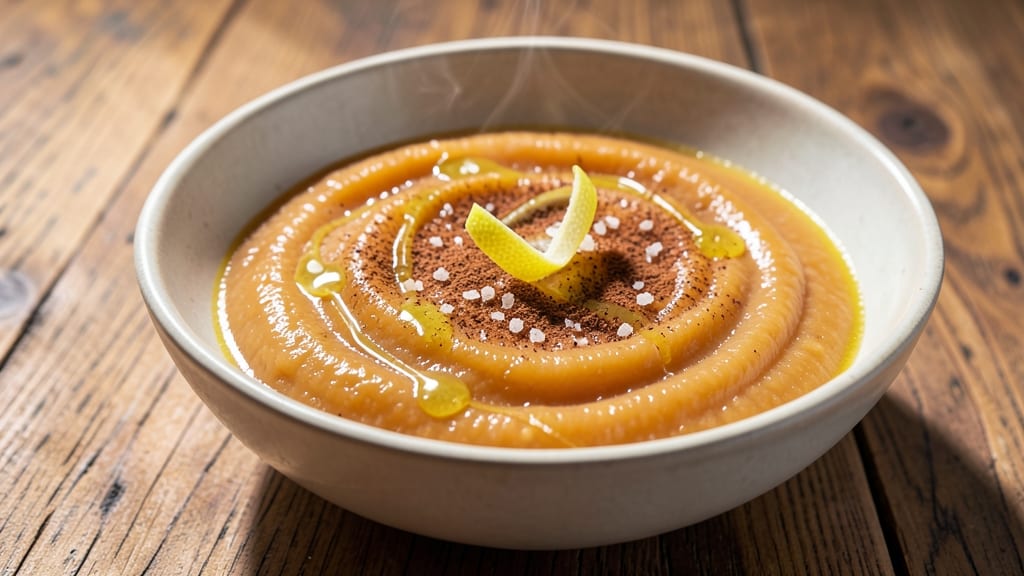
This applesauce with lemon juice recipe transforms ordinary applesauce into a vibrant, tangy condiment that brightens everything from roasted meats to desserts. The secret lies in balancing sweet apples with sharp lemon juice—just a splash creates a zesty glaze that caramelizes beautifully when baked or brushed.
I developed this variation after noticing how often I reached for store-bought applesauce only to wish it had more depth and acidity to cut through rich dishes.
The process couldn't be simpler: simmer peeled, chopped apples with cinnamon and a touch of sugar until tender, then stir in lemon juice while still warm. The acidity not only enhances flavor but also helps preserve the sauce for up to two weeks in the refrigerator.
What you'll end up with is a smooth, velvety applesauce with a refreshing citrus kick that elevates everything from pork tenderloin to vanilla ice cream.
This isn't just applesauce—it's a versatile condiment that works as a glaze, dipping sauce, or even a pie filling. The lemon juice prevents the sauce from becoming overly sweet while adding layers of complexity.
Whether you're brushing it onto roasted chicken or dolloping it over pancakes, this recipe delivers professional-quality results with minimal effort.
For best results, use a mix of sweet and tart apples like Honeycrisp and Granny Smith. The lemon juice should be added gradually to taste, so you can adjust the brightness to your preference.
Store in an airtight container in the fridge for up to two weeks, or freeze for longer storage. Let's get started!
Ingredients for applesauce recipe lemon juice
Six simple ingredients transform into zesty applesauce that brightens every dish.
| Ingredient | Amount | Notes |
|---|---|---|
| Sweet Apples (e.g., Honeycrisp) 🍎 | 4 medium | Peeled and chopped |
| Tart Apples (e.g., Granny Smith) 🍎 | 2 medium | Peeled and chopped |
| Lemon Juice 🍋 | ¼ cup | Freshly squeezed |
| Granulated Sugar 🍚 | ¼ cup | Adjust to taste |
| Ground Cinnamon 🌿 | 1 tsp | For warmth |
| Pinch of Salt 🧂 | ⅛ tsp | Enhances flavor |
| Water 💧 | ½ cup | For simmering |
| Extra-Virgin Olive Oil 🫒 | 1 tbsp | For richness (optional) |
The apples are the foundation—mix sweet and tart varieties for perfect balance. Honeycrisp and Granny Smith work beautifully, but any combo with similar texture does fine. Local farmers markets often have great deals on seasonal apples, and they taste fresher than grocery store bins. If you can't find Honeycrisp, Fuji or Gala are solid backups. Peel and chop them uniformly so they cook evenly—no one wants mushy bits in their sauce. For extra convenience, pre-cut frozen apples work in a pinch, just skip the peeling step.
No fresh lemons? Bottled lemon juice works, but add a pinch of salt to mimic freshness. Running low on sugar? Maple syrup or honey adds depth, but reduce by half since they're sweeter. The cinnamon is non-negotiable—it's what makes this taste like more than just applesauce. If you're feeling fancy, add a pinch of cardamom for complexity. And that olive oil? Optional but worth it for richness—drizzle it in at the end if you're using it. The salt might seem negligible, but it rounds out all the flavors beautifully.
This sauce keeps for 2 weeks in the fridge—just store it in an airtight container. For longer storage, freeze it in ice cube trays for perfect portions. The lemon juice actually helps preserve it, so don't skip that step. Reheat gently on the stove or microwave until warm. I make double batches because it disappears fast—great for roasted pork, pancakes, or even as a pie filling. The texture gets thicker as it sits, so add a splash of water if it's too stiff when reheating.
Why You'll Love This Recipe
- No-Core Required: I peel and chop apples in five minutes flat—no fancy gadgets, just a knife and a pot. The mix of Honeycrisp and Granny Smith means less prep fuss, and the lemon juice brightens everything without extra effort.
- Bright & Balanced: That zingy lemon juice cuts through the sweetness like a cool breeze on a summer day. Honestly, the cinnamon ties it all together—warm, spiced, but never cloying.
- Lunchbox Hero: Pack it in jars for school lunches or office snacks—it stays fresh for days. Kids love the tangy twist, and parents adore how it keeps them from begging for juice boxes.
- Pantry Stash: Uses apples that might otherwise go bad, and the sugar/lemon combo stretches a little farther than store-bought. I’ll be real: it’s my go-to when I’ve got a fruit glut or a tight grocery budget.
Step-by-step instructions for applesauce with lemon juice
Here's how to make vibrant, perfectly balanced applesauce that shines with bright citrus notes.
👨🍳 Step 1: Prepare the Apples for Cooking
Start by peeling and chopping the 4 medium sweet apples and 2 medium tart apples into ¼-inch chunks. I like to use a mandoline for even pieces, but a sharp knife works too. The tart apples add the perfect balance of acidity to cut through the sweetness of the honeycrisp variety.
Place all the chopped apples in a large, heavy-bottomed saucepan. The larger the pan, the better—it gives the apples room to cook evenly without steaming. Don't worry about perfectly uniform sizes, but try to keep most pieces similar in size so they cook at the same rate.
🍳 Step 2: Simmer with Water and Seasonings
Add the ½ cup water to the pan and bring it to a boil over medium-high heat. Once boiling, reduce the heat to medium-low and let the apples simmer uncovered for 10-12 minutes, stirring occasionally. You'll see the apples start to soften and release their juices.
After 10 minutes, add the ¼ cup granulated sugar, 1 teaspoon ground cinnamon, and ¼ teaspoon salt. Stir well to distribute the seasonings evenly. The sugar will help caramelize the apples slightly, while the cinnamon adds warmth that pairs beautifully with the lemon. If you prefer less sweetness, reduce the sugar to 2 tablespoons at this stage.
🍳 Step 3: Cook Until Perfectly Soft
Continue simmering for another 8-10 minutes, or until the apples are fork-tender but still hold their shape slightly. You're aiming for a texture that's smooth when mashed but still has a bit of bite. If the mixture becomes too thick, add 1-2 tablespoons of water to loosen it.
Here's the thing—don't overcook the apples. They should be soft enough to mash easily, but if they turn to mush, the sauce will lose its texture. You'll know they're ready when they're tender but still have a slight resistance when you press them with a fork.
🍳 Step 4: Finish with Lemon Juice and Olive Oil
Once the apples are tender, remove the pan from heat and stir in the ¼ cup freshly squeezed lemon juice. The acidity brightens the flavors and balances the sweetness beautifully. Let the mixture sit for 2-3 minutes so the lemon juice can infuse fully.
For extra richness, stir in the 1 tablespoon extra-virgin olive oil. This step is optional but adds a lovely depth of flavor and a silky texture. If you're making this for a savory dish, like pork or chicken, the olive oil will help it pair even better. Taste and adjust the sugar or lemon juice if needed—this is where you fine-tune the balance.
🥘 Step 5: Mash and Serve
Use a potato masher, fork, or immersion blender to achieve your desired texture. For a smooth applesauce, blend until creamy. For a rustic texture with chunks, mash just until combined. The lemon juice will keep the sauce bright and fresh-tasting, even after it cools.
Transfer the applesauce to a serving bowl and let it cool to room temperature. If it thickens as it cools, stir in a splash of water or lemon juice to loosen it. Serve warm with roasted pork, over pancakes, or as a topping for yogurt. The zesty lemon notes make this applesauce stand out from the ordinary—it's the perfect balance of sweet, tart, and aromatic warmth.
Pro Tips For Making Applesauce Recipe Lemon Juice
- Peel Before Chopping: I learned this the hard way—peeling apples first saves time and keeps your knife sharp. The skins add texture, but they also make chopping uneven, and you’ll end up with more mess than sauce.
- Use Fresh Lemon Juice: Store-bought lemon juice lacks the bright punch fresh does. Squeeze your own—just 2 tablespoons—and taste before adding sugar. You’ll need less sweetness, and the flavor will pop instead of taste generic.
- Simmer Low and Slow: High heat turns applesauce into mush. Once the apples break down, drop the heat to medium-low and let it bubble gently for 20-25 minutes. This keeps the texture smooth and the flavors balanced.
- Balance Sweet and Tart: Start with 1 cup sugar for 6 cups chopped apples, then adjust. Add the lemon juice first, taste, then sweeten—this prevents over-sugaring. If it’s too sharp, a pinch of cinnamon helps, but you can’t fix too-sweet.
Essential equipment for perfect results
Heavy-Bottomed Saucepan
This is my non-negotiable tool for making applesauce—it prevents scorching and ensures even cooking. I use a 5-quart stainless steel saucepan from All-Clad because it distributes heat perfectly.
For budget-friendly options, Cuisinart stainless steel or Calphalon work just as well. The key is avoiding thin, reactive pans that can alter flavors or create hot spots. 🍳
Immersion Blender
An immersion blender like the Ninja MagiMix transforms your applesauce from chunky to silky smooth in seconds. I prefer this over food processors because it keeps the sauce in one container—no transferring or cleanup.
For a rustic texture, skip blending entirely and use a potato masher or fork. If you're making large batches, a high-powered blender (like Vitamix) handles the job faster.
Fine-Mesh Strainer
If you prefer ultra-smooth applesauce, a fine-mesh strainer removes skins and seeds completely. I use a OXO Good Grips strainer because it's sturdy and easy to clean. Place it over a bowl and press the cooked apples through with a wooden spoon.
This step isn't essential but elevates the sauce for elegant dishes like glazes or garnishes. For quick versions, skip straining—just mash and enjoy the rustic texture.
Citrus Juicer
A handheld citrus juicer (like OXO Good Grips) ensures you extract every drop of lemon juice without seeds or pulp. Fresh lemon juice is key for brightening the sauce—bottled juice lacks the same depth.
If you're making this frequently, invest in one; it's a game-changer for citrus-based recipes. For occasional use, a reamer works fine, but it's messier. 🍋
Air-Tight Containers
Store your applesauce in glass mason jars or BPA-free plastic containers with tight seals. I love Kerr glass jars for their durability and microwave safety. For freezing, use silicone molds or freezer-safe bags with headspace to prevent ice crystals.
Label containers with dates—this sauce keeps for 2 weeks refrigerated or 3 months frozen. The lemon juice helps preserve it, but proper storage extends freshness even longer.
Nutrition facts
Frequently asked questions
Can I substitute lemon juice with another acid?
Yes! If you don't have lemon juice, try lime juice (same amount) for a similar tang, or orange juice (reduce by 1 tbsp since it's sweeter). For a deeper flavor, white wine vinegar works (use 1 tbsp instead of ¼ cup lemon juice), but taste first—it's stronger.
How do I adjust sweetness if my apples are very tart?
Start with the full ¼ cup sugar, then taste before serving. For extra sweetness, add 1 tbsp honey or maple syrup while warm. If your apples are ultra-tart (like Granny Smith), reduce lemon juice to 2 tbsp and increase sugar to ⅓ cup to balance.
Can I make this applesauce without cooking?
Not recommended! Cooking softens the apples and develops their natural sweetness. For a no-cook version, blend peeled, chopped apples + lemon juice + cinnamon, but the texture will be watery and lack depth. If you're short on time, microwave the apples (5-6 minutes) before mashing with lemon juice.
What are the best uses for this lemon applesauce?
This zesty sauce shines as a glaze for roasted pork or chicken, a topping for oatmeal or pancakes, or a dip for cheese boards. Try it in muffins or quick breads for moisture, or swirl it into yogurt or cottage cheese. The lemon juice prevents browning, so it's perfect for garnishing desserts too.
Why did my applesauce turn out too thick?
Applesauce thickens as it cools—add 1-2 tbsp water or lemon juice while warm to loosen. If it's still too thick, simmer uncovered for 2-3 minutes to evaporate excess liquid. For future batches, reduce sugar slightly (2 tbsp instead of ¼ cup) or add 1 tbsp cornstarch while cooking.