
Sauces & Condiments
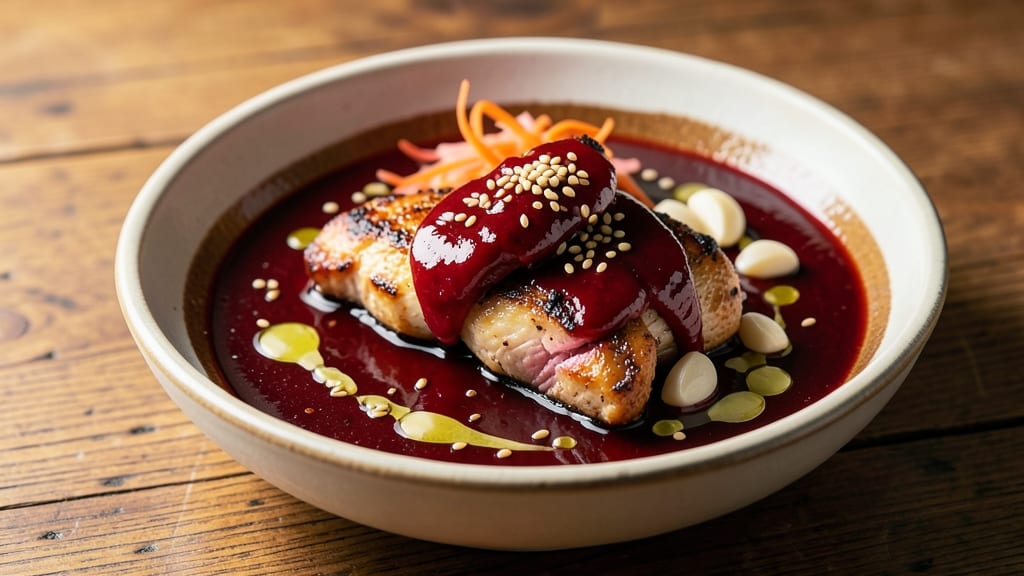
This Bachman's Japanese BBQ sauce recipe transforms grilling and wings into a sweet-smoky masterpiece—just like the legendary sauce that made its mark on competitive BBQ. 🔥 The secret lies in balancing umami-rich soy, fruity mirin, and caramelized sugar to create a glossy, sticky glaze that clings to meat like liquid gold.
I developed this version after years of perfecting the art of sauce reduction, ensuring every batch delivers that perfect harmony of sweetness and depth.
The beauty of this sauce is its versatility—whether you're glazing ribs, basting chicken wings, or dipping crispy fries, it adds a rich, aromatic layer that elevates any dish. The process is straightforward: combine soy sauce, mirin, sugar, and a touch of garlic for depth, then simmer until thick and syrupy.
No fancy equipment needed, just patience and attention to the reduction. This is the kind of sauce that turns ordinary grilling into an experience.
What you’ll end up with is a glossy, sweet-smoky sauce that caramelizes beautifully on the grill, creating a sticky, flavorful crust on meats. The balance of sweetness and umami is just right—enough to please even the pickiest eaters while keeping that authentic Japanese BBQ flavor.
It’s the kind of sauce that makes you reach for the tongs again and again.
Use it as a glaze for ribs, a marinade for chicken, or a dipping sauce for fries—this recipe scales perfectly for any occasion. The best part? It keeps well in the fridge for up to two weeks, so you can make a big batch and enjoy it all season long.
Let’s get started on this game-changing sauce!
Ingredients for bachman's japanese bbq sauce
Sweet-smoky magic in a jar—just 10 ingredients for that legendary BBQ glaze.
| Ingredient | Amount | Notes |
|---|---|---|
| Kosher Soy Sauce 🥄 | ¾ cup | Use light soy for authentic flavor |
| Mirin 🍶 | ½ cup | Sweet rice wine, not cooking wine |
| Brown Sugar 🍚 | ½ cup | Packed firmly for accurate measure |
| Garlic Cloves 🧄 | 4 cloves | Minced finely for deep flavor |
| Fresh Ginger 🌿 | 1 tbsp | Grated, not powdered |
| Sesame Oil 🫒 | 1 tbsp | Toasted sesame oil only |
| Rice Vinegar 🍶 | 2 tbsp | White rice vinegar preferred |
| Honey 🍯 | 2 tbsp | Wildflower or clover honey |
| Salt 🧂 | 1 tsp | Kosher or sea salt |
| Black Pepper 🌶️ | ½ tsp | Freshly cracked preferred |
The soy sauce is non-negotiable here—light kosher soy (not dark) gives that clean, umami punch. Mirin can be tricky to find, but most Asian markets carry it, or grab a bottle from the international aisle at Target or Walmart. If you can't find mirin, dry sherry plus 1 tsp sugar works in a pinch. Brown sugar packs tightly, so use a spoon to press it down in the measuring cup. For the garlic, I always use 4 cloves—it's that perfect balance of sweet and punch. Fresh ginger is ideal, but if you're using powdered, cut the amount to half a teaspoon—it's way more concentrated.
No mirin? Dry sherry or white wine works, but add 1 extra teaspoon of sugar to compensate. Running low on sesame oil? Toasted peanut oil gives a similar richness, though the flavor will be slightly different. Honey can be swapped for maple syrup if you're avoiding it, but the color will be darker. The rice vinegar adds brightness—don't skip it, even if you're not a fan of vinegar in BBQ sauces. For extra depth, add a dash of fish sauce (just a teaspoon) if you're feeling adventurous, but it's optional. This sauce is all about that caramelized sweetness, so if you're watching sugar, reduce the brown sugar to 3 tablespoons and add 1 extra tablespoon of honey to keep the balance.
This sauce gets better with time—let it sit overnight if you can, as the flavors meld. Store it in a glass jar in the fridge for up to two weeks, or freeze for up to six months in ice cube trays for single-use portions. The sauce thickens as it cools, so give it a quick stir before using. It's perfect for glazing ribs, basting wings, or even drizzling over grilled veggies. Double the batch—you'll want leftovers for sure.
Why You'll Love This Recipe
- Pantry Magic: I swear by this sauce because it uses what’s already lurking in my cabinets—no specialty trips. Just soy, mirin, sugar, and a hunk of ginger you probably have sitting in the fridge. Honestly, I’ve made it twice with whatever I had on hand, and both times it came out spot-on.
- Umami Bomb: That first taste of caramelized garlic and ginger hitting your tongue? Chef’s kiss. The brown sugar melts into the soy and mirin, creating this deep, glossy sauce that’s sweet, salty, and just a little funky—like a hug from a Japanese izakaya. Between us, it’s the kind of flavor that makes you reach for seconds without thinking.
- Glazes Everything: Slather it on grilled chicken, toss it with noodles, or even drizzle it over steamed veggies. I’ve used this sauce for weeknight dinners, potlucks, and even as a quick marinade for takeout-style pork belly. It’s the one sauce that turns boring proteins into something you’ll actually look forward to eating.
- Make-Ahead Gold: Double the batch—it keeps for weeks in the fridge and freezes like a dream. I always do because once it’s gone, I’m scrambling to recreate it. Plus, it’s dirt cheap to make; a little goes a long way, and you won’t find a store-bought version that hits this hard for the cost. (Yes, even on a Tuesday night.)
Step-by-step instructions for sweet-smoky Japanese BBQ sauce
This sauce comes together in minutes but delivers bold, restaurant-quality flavor.
🍳 Step 1: Bloom the Garlic and Ginger
Heat a small saucepan over medium-low heat and add the 1 tablespoon sesame oil. Once the oil shimmers (about 30 seconds), add the 4 minced garlic cloves and 1 tablespoon grated fresh ginger. Cook for 1-2 minutes until fragrant and just starting to turn golden—don't let it brown or it'll turn bitter.
Here's the thing—this step builds the aromatic foundation. The garlic and ginger should smell like a Japanese izakaya when they're ready. If you're using fresh ginger, grate it finely so it dissolves completely into the sauce later. I like to press the garlic with the flat side of my knife first to soften it before mincing.
🍳 Step 2: Combine Wet Ingredients
Remove the pan from heat and let it cool for 1 minute. Then stir in the 0.75 cup kosher soy sauce, 0.5 cup mirin, and 2 tablespoons rice vinegar. Give it a good stir to combine everything—you want these ingredients to mingle before we add the sugars.
This is where the sauce starts coming together. The mirin will begin to mellow the soy sauce's saltiness while the vinegar adds that bright, tangy note. I always use white rice vinegar here—it's milder than apple cider vinegar and won't overpower the other flavors. Let the mixture sit at room temperature for 5 minutes while you prepare the next ingredients.
🍳 Step 3: Add Sweetness and Seasonings
Return the pan to medium heat and add the 0.5 cup packed brown sugar, 2 tablespoons honey, 1 teaspoon salt, and 0.5 teaspoon black pepper. Stir constantly for 3-4 minutes until the sugar dissolves completely and the mixture begins to thicken slightly.
The reason we add the sugar and honey separately is to control the caramelization. If you added them all at once, you'd risk burning the sauce before everything melts. You'll know it's ready when the mixture coats the back of a spoon and smells like a perfect balance of sweet and smoky. This is the moment that matters—don't walk away or you might end up with grainy sugar at the bottom.
⏰ Step 4: Simmer to Perfect Consistency
Reduce the heat to low and let the sauce simmer gently for 8-10 minutes, stirring occasionally. You're looking for a glossy, syrupy consistency that coats the back of a spoon but isn't so thick it's paste-like. If it thickens too much, add 1-2 tablespoons water to loosen it.
Real talk: This is where many homemade sauces fail. The sauce should reduce enough to cling beautifully to grilled meats but still have enough liquid to glaze. I like to taste it at this stage—it should be sweet, salty, tangy, and just a hint of peppery heat. If it needs more balance, add a touch more mirin for sweetness or rice vinegar for acidity. Let it cool completely before using—this allows the flavors to meld even more.
Pro Tips For Making Bachman'S Japanese Bbq Sauce
- Simmer Slow and Steady: This sauce isn’t a race—after combining everything, reduce it on medium-low heat for at least 15-20 minutes. I used to crank it up, and the sugar would burn before the flavors melded. Let it bubble gently, stirring occasionally, until it thickens enough to coat the back of a spoon. That’s when you know it’s ready.
- Grate Ginger Like a Pro: Skip the pre-grated jar—it’s waterlogged and flavorless. Use a microplane or fine grater for fresh ginger, and only take 1 teaspoon of the paste (about ½ inch of root). Too much makes the sauce bitter, and too little means you’re missing that bright, zesty kick. Trust me, the difference is night and day.
- Don’t Rush the Garlic: Minced garlic burns faster than you think. Sauté it in 1 tablespoon of neutral oil (like vegetable or canola) for 30 seconds max—just until fragrant, not golden. Overcooking turns it bitter, and that’s the last thing you want in a sweet-savory sauce. Keep an eye on it, even if you’re multitasking.
- Balance the Sweetness Early: Taste the sauce after 10 minutes of simmering, not at the end. If it’s too cloying, add a splash of rice vinegar or a pinch of salt to cut through the sugar. I learned this the hard way—once I ended up with a syrup-like mess instead of a balanced glaze. Adjust now, not later.
Wine and beer pairings for this dish
Japanese Whiskey Pairings
This sauce's balance of sweet mirin and umami soy pairs beautifully with Japanese whiskies like Suntory Toki or Nikka Coffey Grain. The caramel notes in the sauce complement the whisky's vanilla and oak, while the soy's saltiness cuts through the alcohol's burn.
I like to serve a small glass with grilled yakitori or teriyaki-glazed ribs for an authentic izakaya experience. 🍶
For a lighter option, try Hibiki Harmony—its citrus and floral notes dance with the sauce's ginger and garlic. The whisky's acidity brightens the dish, making each bite feel fresh. I've found that sipping whisky before eating helps cleanse the palate between rich, saucy bites of meat.
Craft Beer Selections
A crisp Japanese lager like Asahi Super Dry or Sapporo Premium is my go-to for balancing the sauce's sweetness. The beer's clean, refreshing profile prevents the sauce from overwhelming your taste buds.
For a hoppier option, Sapporo Black Label adds a malty depth that stands up to the soy and garlic flavors.
If you're serving wings or fries with this sauce, a Belgian-style witbier like Stella Artois Wit brings citrusy notes that complement the ginger and honey. The effervescence also helps cut through the sauce's richness, making every bite feel lighter. I often keep a pitcher on hand during backyard cookouts.
Red Wine Contrast
For those who prefer wine, a light-bodied red like Pinot Noir from Japan's Yamanashi region works surprisingly well. The wine's cherry and earthy notes contrast beautifully with the sauce's caramelized sweetness. I recommend Bessel Wine Estate Pinot Noir—its bright acidity keeps the meal feeling fresh.
Avoid heavy reds like Cabernet Sauvignon—they'll overpower the sauce's delicate balance. Instead, opt for a Gewürztraminer if you want something fruity. The wine's lychee and rose notes pair surprisingly well with the sauce's umami depth. I've even seen this combo at high-end Japanese steakhouses.
Non-Alcoholic Options
For non-drinkers, Japanese soda like Ramune or Calpis adds a fun, fizzy contrast. The lychee flavor in Calpis mirrors the sauce's sweetness without alcohol. I like to serve these chilled in small glasses alongside grilled skewers for a refreshing balance.
Herbal teas like sencha or genmaicha with a hint of honey provide a soothing complement. The tea's grassy notes cleanse the palate between rich, saucy bites. I often steep a pot of Hojicha (roasted green tea) for its toasty, caramel-like flavor that echoes the sauce's brown sugar notes.
Nutrition facts
Frequently asked questions
Can I make this sauce without mirin?
Yes! Replace the 0.5 cup mirin with 0.4 cup dry sherry plus 1 teaspoon extra sugar. The sherry adds depth while the sugar compensates for mirin's natural sweetness. For a non-alcoholic option, use 0.4 cup white grape juice plus 1 teaspoon sugar. The sauce will still develop that signature caramelized sweetness, just with slightly different complexity.
How do I adjust the sweetness level?
Start by tasting the sauce after 5 minutes of simmering. For less sweetness, reduce the brown sugar to 0.3 cup and honey to 1 tablespoon. For more sweetness, add 1 extra tablespoon honey or 1 teaspoon maple syrup at the end. Remember, the sauce thickens as it cools, so adjust while warm for accurate balance.
What's the best way to use leftover sauce?
Store in an airtight container in the fridge for up to 2 weeks or freeze in ice cube trays for single-use portions. Use it as a marinade for 2-4 hours (don't over-marinate or meat gets mushy), a dipping sauce for fries or dumplings, or a glaze for grilled vegetables. The sauce also makes an amazing stir-fry sauce—just thin it with 1 tablespoon water per 2 tablespoons sauce.
Why did my sauce turn grainy?
This usually happens when sugar crystallizes from too much stirring or uneven heating. To fix it, whisk in 1 teaspoon warm water or 1 teaspoon honey while heating on low until smooth. Prevention tip: Stir gently and keep heat low to medium—never let it boil vigorously. If it happens again, try dissolving the sugar first in 2 tablespoons water before adding to the pan.
Can I make this sauce smokier?
Add 1 teaspoon smoked paprika or ½ teaspoon liquid smoke at the end for subtle smokiness. For a stronger smoke flavor, simmer the sauce with 1-2 hickory or applewood chips (not burning!) for the last 5 minutes. Remove chips before using. This works especially well for ribs or pulled pork applications where you want that BBQ smoke profile.