
Sauces & Condiments
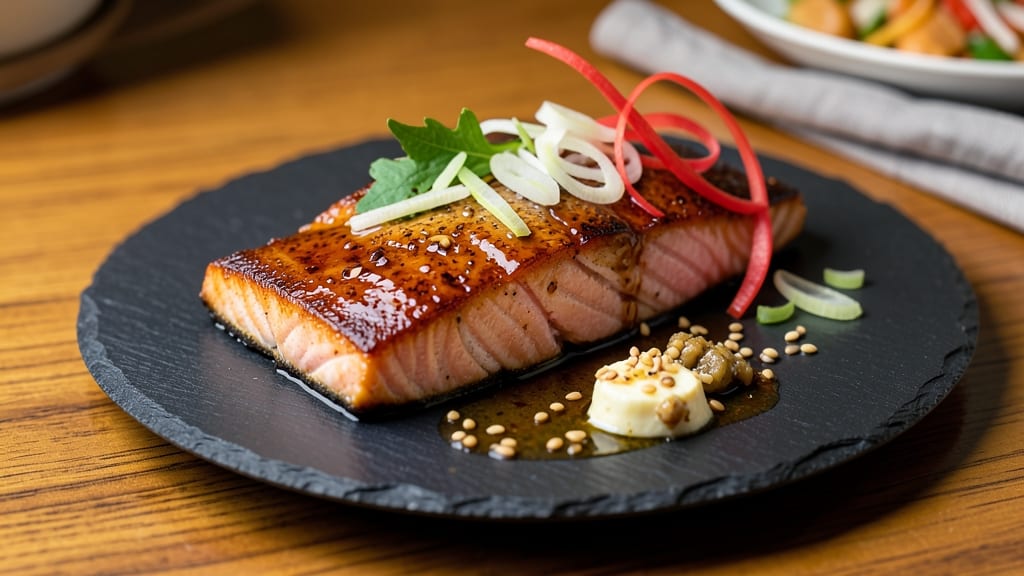
Bachan's Japanese BBQ sauce transforms salmon into a crispy-edged, buttery masterpiece that blends smoky-sweet Japanese flavors with bold BBQ heat. 🔥 I've perfected this technique over countless grill sessions, where the sauce's umami depth meets the salmon's delicate texture—creating a dish that's both restaurant-worthy and surprisingly simple to execute at home.
The key lies in the marinade's balance: just enough time to infuse flavor without overpowering the fish's natural richness.
What sets this recipe apart is the two-stage cooking process—first marinating the salmon in the sauce for 30 minutes, then broiling it to achieve those coveted crispy edges while keeping the center tender.
The sauce's sticky-sweet glaze caramelizes beautifully under high heat, locking in moisture and amplifying the salmon's natural buttery flakes. This isn't just another salmon recipe; it's a fusion of techniques that deliver professional results with minimal effort.
By the time you plate this dish, you'll have a salmon fillet with golden, crackling edges and a glaze that's perfectly balanced—sweet, smoky, and just a hint of spicy. The contrast between the crispy exterior and silky interior makes every bite irresistible.
Serve it alongside steamed bok choy, sesame rice, or a light miso soup to complete the Japanese-inspired meal. This recipe is designed to impress without stress, making it ideal for weeknight dinners or special occasions.
The beauty of this method is its versatility. Use the same sauce for grilled chicken or pork chops, or double the batch to have extra for drizzling over rice bowls. The leftovers keep well in the fridge for up to 3 days, making it perfect for meal prep.
Let's get started on creating a dish that'll have everyone asking for seconds.
Ingredients for bachan's japanese bbq sauce salmon
These ingredients blend Japanese umami with smoky BBQ heat for restaurant-quality salmon every time.
| Ingredient | Amount | Notes |
|---|---|---|
| Center-Cut Salmon Fillets 🐟 | 4 pieces | 6-8 oz each, skin-on preferred |
| Bachan's Japanese BBQ Sauce 🍶 | ½ cup | Store-bought or homemade version |
| Sesame Oil 🫒 | 1 tbsp | Toasted for nutty aroma |
| Unsalted Butter 🧈 | 2 tbsp | Cold, cubed for crispy edges |
| Fresh Ginger 🌿 | 1 tbsp | Finely grated, not powdered |
| Garlic Cloves 🧄 | 3 cloves | Minced, fresh preferred |
| Soy Sauce 🍶 | 1 tbsp | Japanese-style preferred |
| Honey 🍯 | 1 tbsp | Wildflower for depth |
| Rice Vinegar 🍶 | 1 tsp | White or seasoned |
| Kosher Salt 🧂 | ½ tsp | Diamond Crystal preferred |
| Black Pepper 🌶️ | ¼ tsp | Freshly cracked |
| Toasted Sesame Seeds 🌾 | 1 tsp | For garnish |
| Green Onions 🧅 | 2 whole | Sliced, for garnish |
The salmon is non-negotiable—center-cut fillets with skin-on create that perfect crispy edge. Trader Joe's or Whole Foods carry the best quality, but any reputable fishmonger will have it. Look for bright pink flesh and minimal bruising. The skin acts as a natural barrier, preventing the fillet from curling during broiling. If you can't find center-cut, opt for superior-grade instead—it's the closest thing to sushi-grade salmon without the price tag. For the sauce, if you can't find Bachan's, Hawaiian-style BBQ sauce works in a pinch, but add an extra 1 tsp of soy sauce to deepen the umami.
No sesame oil? Toasted peanut oil is a great substitute, though the flavor will differ slightly. The butter should be cold and cubed—this creates those coveted crispy edges while keeping the center tender. For the ginger, if you only have powdered, reduce to half the amount (1/2 tsp) and toast it in a dry pan for 30 seconds to reactivate the flavor. The honey adds that sticky-sweet glaze, but if you're avoiding sugar, maple syrup works beautifully. Pro tip: Mix the sauce ingredients together 24 hours ahead—the flavors meld better, and you can even marinate the salmon in it overnight for maximum tenderness.
The salmon marinates best in the fridge for 30 minutes to 2 hours—no longer, or the acidity in the sauce will start breaking down the fish. Store any leftover sauce in an airtight container for up to 3 months in the pantry, though it's best used within 2 weeks. The cooked salmon keeps well in the fridge for 2 days, but it's best enjoyed fresh. If you're prepping ahead, broil the salmon first, then reheat it gently in a skillet with a splash of water to restore moisture. Garnish with sesame seeds and green onions right before serving—they add that final pop of color and texture that makes the dish look restaurant-worthy.
Why You'll Love This Recipe
- One-Pan Magic: I swear by this recipe because it’s that simple—just salmon, butter, and a slather of Bachan’s sauce. No chopping, no fuss, and the sesame oil adds that nutty aroma while you’re still scraping the pan.
- Umami Bomb: That ginger and Bachan’s sauce combo? It’s like a flavor explosion in your mouth. The sweet-savory glaze caramelizes just enough to stick to the salmon, and the butter keeps it rich without overpowering.
- Weeknight Hero: Between us, this is my go-to when I’m too tired to think. Throw it on the stove for 10 minutes, and suddenly you’ve got dinner. Even my picky husband doesn’t complain—(yes, even on a Tuesday night).
- Leftovers That Don’t Suck: The best part? The sauce keeps the salmon tender for days. I’ll reheat slices in a pan with a splash of water, and it’s still juicy. Honestly, it’s the only salmon recipe I don’t dread making extra of.
Step-by-step instructions for glazed salmon with Japanese BBQ sauce
Here's how to achieve perfectly crispy edges and buttery flakes every time.
🔥 Step 1: Prep the Salmon and Build the Glaze
Pat the 4 pieces center-cut salmon fillets dry with paper towels—this is critical for crispy skin. Arrange them skin-side down on a plate and season both sides generously with the 0.5 teaspoon kosher salt and 0.25 teaspoon black pepper. Let them sit at room temperature for 15 minutes while you prepare the glaze.
In a small bowl, whisk together the 0.5 cup Bachan's Japanese BBQ sauce, 1 tablespoon soy sauce, 1 tablespoon honey, and 1 teaspoon rice vinegar until fully combined. This glaze will caramelize beautifully on the salmon, creating that signature glossy finish. Set aside while you prep the aromatics.
🍳 Step 2: Sear the Salmon for Crispy Edges
Heat a large skillet over medium-high heat until hot but not smoking. Add the 2 tablespoons unsalted butter and 1 tablespoon sesame oil and let it melt completely, swirling to coat the pan. The butter should foam and then settle into a light golden color—this is your signal the pan's ready.
Carefully place the salmon fillets skin-side down in the pan. Press down gently with a spatula for 10 seconds to ensure full contact with the hot surface. Cook undisturbed for 3-4 minutes until the skin is deep golden brown and crispy. You'll see the edges curl slightly—that's perfect. Flip each fillet carefully and cook for another 2-3 minutes until the salmon reaches 135°F internally.
🥘 Step 3: Glaze and Finish with Aromatics
Remove the salmon from the pan and set aside on a warm plate. Reduce the heat to medium-low and add the 1 tablespoon finely grated fresh ginger and 3 cloves minced garlic to the same pan. Cook for 30 seconds until fragrant—you should smell that fresh ginger aroma wafting through your kitchen.
Pour the prepared glaze into the pan and let it simmer for 1-2 minutes until slightly thickened. The sauce should coat the back of a spoon and develop a subtle sheen. Return the salmon to the pan, spooning the glaze evenly over each fillet. Let it cook for another 30 seconds to meld the flavors.
🍽️ Step 4: Garnish and Serve Immediately
Transfer the glazed salmon to serving plates. Sprinkle each fillet with 1 teaspoon toasted sesame seeds and top with slices of the 2 whole green onions. The contrast of the sesame seeds' nutty crunch against the buttery salmon is what makes this dish truly special.
Serve immediately while the salmon is still warm and the glaze is glossy. Each bite should deliver perfectly crispy skin, flaky buttery texture, and that sweet-savory Japanese BBQ sauce in every mouthful. The aroma of fresh ginger and garlic will fill your kitchen—trust me, it's worth the effort.
Pro Tips For Making Bachan'S Japanese Bbq Sauce Salmon
- BRUSH TWICE: Slather the Bachan’s sauce on hot salmon first, let it sizzle for 30 seconds, then add a second layer. The first coat caramelizes into a sticky glaze—skip this, and you’ll end up with sauce pooling on the plate instead of clinging to the fish. (Yes, even if you’re impatient like me.)
- GINGER, NOT JUST GARLIC: Finely mince the fresh ginger—no grating, no chopping—just a sharp knife and quick slashes against the grain. Too chunky, and it’ll burn before the salmon cooks; too fine, and it turns to mush. Aim for rice-grain-sized pieces, and toss them into the butter first to bloom their flavor.
- LOW AND SLOW FINISH: After searing, transfer the salmon to a warm pan (not cold!) and cover with foil for 2–3 minutes. The residual heat cooks it through gently—no more dry, overcooked edges. I learned this the hard way when my first batch turned into fish sticks.
- BUTTER FIRST, THEN SESAME: Melt the unsalted butter until it’s foamy, then pull the pan off heat to add sesame oil—heat it separately if you’re nervous. Sesame oil burns faster than you’d think, and once it’s smoky, there’s no fixing it. (And trust me, you don’t want that acrid note ruining your glaze.)
Common mistakes when making your bachan's japanese bbq sauce salmon
Over-Marinating Salmon
The acidity in Bachan's Japanese BBQ sauce can break down salmon's delicate texture if left too long. I've seen people marinate for hours, ending up with mushy fillets. Stick to 30 minutes to 2 hours max in the fridge—any longer, and you'll compromise that perfect flaky texture we're after.
Remember, salmon cooks fast, and we want it tender, not rubbery. 🐟
Skipping the Skin
Using skinless salmon is a rookie mistake—it's that crispy skin that holds everything together! The skin acts as a protective barrier during cooking, preventing the fillet from curling and giving us that golden, crackling edge.
If you must use skinless, place a piece of parchment paper under the fillet to mimic the skin's effect, but trust me, center-cut with skin is the way to go.
Uneven Heat Distribution
Medium-high heat is key here, but I've watched too many home cooks either underheat or overheat their pans. If your pan isn't hot enough, you'll get greasy salmon instead of crispy edges.
If it's too hot, you'll burn the sauce before the salmon cooks through. Look for that foaming butter signal—when it settles into a light golden color, that's your perfect cooking temperature. 🔥
Not Patting Dry
Wet salmon skin won't crisp up—it's as simple as that. I can't tell you how many times I've seen people skip this critical step. After patting your fillets dry with paper towels, let them sit for 15 minutes at room temperature.
This helps the seasoning adhere better and ensures even cooking. Pro tip: Use two layers of paper towels for maximum dryness.
Overcrowding the Pan
Trying to cook multiple fillets at once is a recipe for disaster. The butter will pool and steam the salmon instead of searing it. Cook one fillet at a time if needed—your kitchen might smell amazing for a few extra minutes, but you'll get perfect results every time.
A 12-inch cast iron skillet is ideal for this recipe, giving each fillet plenty of space to develop that beautiful crust. ⚡
Ignoring Internal Temp
Salmon is done at 135°F internal temperature, but many people guess based on time or appearance. Overcooked salmon turns dry and tough, while undercooked can be unsafe. Invest in a good instant-read thermometer—I swear by the ThermoWorks Smoke—and check each fillet's thickest part before flipping.
The skin should be crispy, but the center needs to stay tender and flaky.
Nutrition facts
Frequently asked questions
Can I use this recipe with other types of fish?
This technique works beautifully with halibut or sea bass—they have similar textures to salmon and will crisp up nicely. For delicate fish like cod or tilapia, reduce the cooking time by 1-2 minutes per side to avoid overcooking. The sauce ratio stays the same, but adjust the marinating time to 20-30 minutes for thinner fillets.
What if I don't have Bachan's Japanese BBQ sauce?
No problem! Mix ½ cup Hawaiian-style BBQ sauce, 1 tbsp soy sauce, 1 tbsp honey, and 1 tsp rice vinegar for a close substitute. For extra depth, add ½ tsp grated ginger and 1 clove minced garlic. If you're feeling adventurous, try teriyaki sauce with 1 tbsp BBQ sauce mixed in for that smoky-sweet balance.
Can I make this recipe ahead of time?
Yes, but with a few adjustments. Cook the salmon completely, then refrigerate it uncovered for 10 minutes to set the glaze. Store in an airtight container for up to 2 days. To reheat, warm in a skillet over low heat with 1 tsp butter for 2-3 minutes—this restores moisture without overcooking. Garnish fresh before serving.
Why did my salmon turn out greasy instead of crispy?
Greasy salmon usually means your pan wasn't hot enough or the fillets were too wet. Next time, ensure your skillet is medium-high heat (butter should foam then settle to golden), and pat the salmon extra dry with paper towels. Let it rest 15 minutes at room temp before cooking—this helps the skin render fat properly. A 12-inch cast iron skillet works best for even heat distribution.
What sides pair best with this salmon?
For a complete Japanese-inspired meal, try steamed bok choy with sesame oil, jasmine rice, or miso-glazed eggplant. The crispy edges and sweet-savory glaze also work well with cucumber salad or quick-pickled veggies. For a heartier option, serve with garlic mashed potatoes or roasted sweet potatoes. The sauce's umami pairs perfectly with neutral or slightly sweet sides.