
Sauces & Condiments
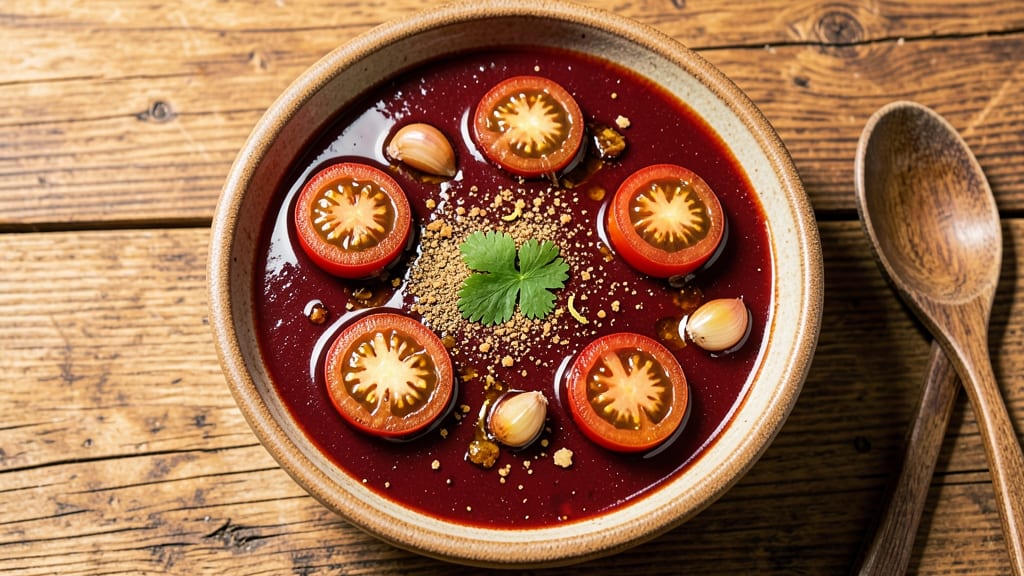
Baca's Red Chile Sauce transforms simple ingredients into a smoky, complex sauce that elevates everything from tacos to grilled meats. The secret lies in roasting the chiles and tomatoes until deeply caramelized, then blending them with garlic, cumin, and vinegar for that signature depth. This isn't just a condiment—it's a flavor multiplier that turns ordinary dishes into memorable meals.
The process starts with charring the chiles and tomatoes over an open flame or in a dry skillet, unlocking their natural sweetness and creating a smoky base. A touch of cumin and garlic infuses warmth, while apple cider vinegar brightens the richness.
The sauce simmers just long enough to meld flavors without losing texture, ensuring every spoonful delivers bold, balanced heat.
What makes this sauce special is its versatility—drizzle it over grilled steak, use it as a marinade for chicken, or serve it as a dip with tortilla chips.
The smoky-sweet profile lingers long after the last bite, making it a pantry staple. Once you master this technique, you'll never buy store-bought again.
Store it in the fridge for up to two weeks or freeze for months, so you always have restaurant-quality flavor at your fingertips. The key to success? Patience—let the flavors develop, and don't rush the roasting.
Trust the process, and you'll create a sauce that tastes like a piece of New Mexico sunshine in every bite.
Ingredients for baca's red chile sauce
Nine ingredients for a sauce that transforms tacos, grilled meats, and more into restaurant-quality bites.
| Ingredient | Amount | Notes |
|---|---|---|
| Ancho Chile Peppers 🌶️ | 4 whole | Stems and seeds removed |
| Roma Tomatoes 🍅 | 6 whole | Large, firm tomatoes |
| Garlic Cloves 🧄 | 4 cloves | Peeled, roughly chopped |
| Ground Cumin 🌿 | 1 tbsp | Freshly toasted preferred |
| Apple Cider Vinegar 🍎 | ¼ cup | Unfiltered for tang |
| Olive Oil 🫒 | ¼ cup | Extra-virgin for richness |
| Salt 🧂 | 1 tsp | Diamond Crystal preferred |
| Black Peppercorns 🌶️ | ½ tsp | Freshly cracked |
| Water 💧 | ½ cup | For blending consistency |
Ancho chiles are the heart of this sauce—look for dried, deep red pods at Latin markets or the international aisle. Penzeys Spices carries them if you can't find them fresh. Roma tomatoes have less water than vine-ripened, so they caramelize better. The garlic? Freshly roasted with the chiles adds another layer of depth. Toast your cumin seeds in a dry pan for 30 seconds before grinding—that nutty aroma is non-negotiable. For vinegar, Bragg's or Texas Pete both work, but any good apple cider vinegar will do. The olive oil should be fruity—none of that bitter stuff.
No ancho chiles? Guajillo or pasilla peppers work in a pinch (soak them first). Short on Roma tomatoes? San Marzano crushed tomatoes are your best bet—they're sweet and meaty. The cumin can be swapped for smoked paprika, but you'll lose that earthy warmth. Apple cider vinegar? White vinegar or even red wine vinegar will work, though the flavor shifts slightly. For a smoother sauce, blend in 1/4 cup water or broth. Want more heat? Add a pinch of cayenne or a diced chipotle pepper with the chiles. The sauce thickens as it cools, so add water 1 tbsp at a time if it's too thick.
This sauce keeps 2 weeks in the fridge in a sealed jar, but the flavor actually improves after the first day. For long-term storage, freeze in ice cube trays—thaw just what you need. The sauce reheats beautifully, but never boil it—just warm through on the stove or microwave. A splash of water or vinegar revives dried-out sauce. Make a double batch—you'll want it on everything.
Why You'll Love This Recipe
- Pantry-Friendly Magic: I swear by this sauce because it lives in my fridge for weeks—no fancy ingredients, just dried ancho peppers, tomatoes, and a pinch of cumin. Honestly, the vinegar’s tang cuts through the heat just right, so you’re never stuck with something too harsh.
- Smoky Garlic Kiss: That moment when the garlic softens into the sauce? Pure satisfaction. The ancho peppers give it depth, but the garlic’s sweetness balances the heat—like a warm hug for your taste buds. (Yes, even on a Tuesday night.)
- Dresses Up Everything: Slather it on grilled chicken, toss it with rice, or drizzle it over eggs—this sauce turns boring meals into flavor moments. My daughter’s picky about spice, but she’ll eat her veggies if I sneak this in. (Trust me.)
- Budget Stretch: A single batch feeds my family for days, and the ingredients cost pennies. Roma tomatoes are cheap, ancho peppers last forever, and cumin? A dollar’s worth goes a long way. Not the prettiest, but the taste makes up for it every time.
Step-by-step instructions for baca's red chile sauce
Here's how to build this rich, smoky sauce with layers of cumin warmth and tomato sweetness.
Toast the Cumin and Prepare the Peppers
Heat a dry skillet over medium heat and add the 1 tablespoon ground cumin. Toast for 30 seconds, stirring constantly until you smell that deep, earthy aroma—this activates the cumin's flavors. Immediately transfer to a small bowl to cool.
While the cumin toasts, stem and seed the 4 whole ancho chile peppers by making a small slit in each and scraping out the seeds with your fingers. This removes the heat while keeping the rich, smoky flavor. Place them on a baking sheet and broil for 2-3 minutes per side until slightly charred—just enough to deepen their flavor without burning. Let cool completely before handling.
Roast the Tomatoes and Garlic
Preheat your oven to 425°F. Cut the 6 whole Roma tomatoes in half lengthwise and place them cut-side down on a baking sheet. Toss the 4 peeled garlic cloves with 1 teaspoon salt and arrange them around the tomatoes. Roast for 20-25 minutes until the tomatoes collapse and the edges turn golden brown.
Watch for the tomatoes to soften and develop a deep caramelization—this is where their natural sweetness transforms into rich, jammy depth. The garlic should be tender when pierced with a fork. Let everything cool for 5 minutes before transferring to a blender.
Blend the Base Ingredients
Transfer the roasted tomatoes, garlic, and toasted cumin to a blender. Add the 0.5 cup water and blend until completely smooth, scraping down the sides as needed. The mixture should be velvety with no visible texture.
With the blender running, slowly drizzle in the 0.25 cup olive oil through the feed tube. This emulsifies the sauce and creates a luxurious, velvety texture. Taste and adjust seasoning with the 0.5 teaspoon cracked black peppercorns—you want a balance of smoky, sweet, and slightly spicy notes.
Finish with Vinegar and Rest
Return the blended mixture to the pot and stir in the 0.25 cup apple cider vinegar. Simmer over low heat for 10-15 minutes, stirring occasionally, until the sauce thickens slightly. It should coat the back of a spoon but still be pourable.
Remove from heat and let the sauce rest for 15 minutes before serving. This resting period allows all the flavors to meld together—you'll notice the smokiness deepens and the cumin's warmth becomes more pronounced. Serve warm over tacos, grilled meats, or with corn chips for the full experience.
Pro Tips For Making Baca'S Red Chile Sauce
- Char the Peppers First: I learned this the hard way—skipping the char on ancho peppers means a sauce that’s just good, not deep. Toast them directly over a gas flame (or under a broiler) until blackened in spots, then peel off the skin while they’re still warm. That smoky bit is where the flavor lives.
- Seed and Strain Smart: Ancho peppers have tough seeds—don’t just eyeball it. Slit them open, scrape out the seeds and veins with a spoon, then give the pulp a quick whirl in a food processor before straining. The strainer will clog less, and you’ll catch more of that rich, earthy pulp that makes the sauce sing.
- Low and Slow for Depth: After blending, simmer the sauce on actual low heat—like, the kind where you can hold your hand an inch above the pot and feel warmth, not a blast. Rushing this step makes the tomatoes taste raw and the cumin bitter. Give it 20-30 minutes, stirring occasionally, and let the flavors meld.
- Vinegar Last, Taste Often: Add the apple cider vinegar after the sauce has simmered, not at the start. It brightens the acidity but dulls if cooked too long. Taste as you go—you’re aiming for a balance where the heat lingers but the tang cuts through. If it’s too sharp, a pinch of cumin or a splash of water fixes it faster than you’d think.
Regional styles of this dish
New Mexico Roots
Baca’s Red Chile Sauce originated in New Mexico, where chile peppers have been cultivated since the 16th century by Pueblo Native Americans. The sauce reflects the state’s Hatch chile tradition but uses ancho chiles for a deeper, slightly sweeter profile.
In New Mexico, this sauce is often called "salsa roja" and is a staple at frijoles y carne (beans and meat) gatherings. 🌶️
The recipe’s balance of smoky chile, cumin, and vinegar mirrors the flavors of green chile stew, but with a richer, more complex texture. Many families in Santa Fe and Albuquerque have their own variations, often adding pasilla or guajillo peppers for extra depth.
The sauce’s versatility—drizzled over enchiladas, mixed into soups, or served as a dip—makes it a cornerstone of New Mexican cuisine.
Texas Twist
In Texas, especially along the Rio Grande Valley, this sauce takes on a slightly tangier edge, often incorporating white vinegar or lime juice instead of apple cider vinegar. Texan versions might also include smoked paprika for an extra layer of warmth, reflecting the state’s BBQ and Tex-Mex influences.
In San Antonio, it’s commonly served with breakfast tacos or as a topping for carnitas. 🍴
One key difference is the use of tomatillos in some Texas recipes, which adds a citrusy brightness that contrasts with the smokiness. The sauce is also frequently paired with queso fresco and pickled red onions for a bold, layered flavor experience.
If you’re in Texas, look for local ancho chiles at markets like H-E-B or Central Market for the most authentic taste.
Southwestern Fusion
In Arizona, this sauce often gets a fusion twist, blending New Mexican traditions with Sonoran Mexican flavors. Chefs in Phoenix and Tucson might add cilantro and lime to the finished sauce, creating a fresher, brighter profile.
It’s a popular topping for Sonoran hot dogs or bison burgers, reflecting the region’s love of bold, smoky flavors. 🌵
Another Arizona adaptation is the use of poblano peppers alongside ancho chiles for a milder, slightly sweeter heat. The sauce is also commonly used in Southwestern-style salsas, where it’s mixed with diced mango or avocado for a sweet-and-smoky contrast.
If you’re experimenting with this fusion, try adding 1 tablespoon of honey to the finished sauce for a caramelized depth.
California Modern
In California, particularly in Los Angeles and San Diego, this sauce has been reimagined with a modern, globally inspired twist. Chefs often infuse it with smoked chipotle peppers or even a touch of miso paste for umami richness.
It’s a go-to condiment for California burritos or grilled seafood, where its smoky-sweet profile pairs beautifully with citrus and herbs. 🌿
Some California versions also incorporate roasted garlic and shallots for extra depth, while others blend in a splash of soy sauce for a subtle Asian-inspired note. The sauce is also commonly used as a marinade for grilled shrimp or chicken, adding a smoky backbone to the dish.
For a California-inspired twist, try adding 1 teaspoon of fish sauce to the blended mixture for a complex, layered flavor.
Nutrition facts
Frequently asked questions
Can I substitute ancho chiles with other dried peppers?
Yes! Guajillo or pasilla peppers work well—just soak them first to soften. For extra heat, use 1-2 chipotle peppers in adobo sauce instead. The key is maintaining a balance between smoky depth and sweetness. If using milder peppers like poblano, add ½ teaspoon cayenne to compensate. Always roast them first for that essential char!
How do I fix a sauce that's too thick or too thin?
For thick sauce, stir in 1 tablespoon water or vinegar at a time until smooth. Too thin? Simmer uncovered for 5-10 minutes to reduce. The sauce will thicken further as it cools—always taste before adjusting. Pro tip: Blend in 1 extra Roma tomato if you want more body without thinning.
What's the best way to store and reheat this sauce?
Store in an airtight jar in the fridge for 2 weeks or freeze in ice cube trays for up to 6 months. To reheat, warm gently on low heat or microwave for 30 seconds. Never boil—just restore to 160°F to preserve texture. Stir in 1 teaspoon vinegar if it separates when reheated.
Can I make this sauce without roasting the peppers?
Roasting is crucial for that signature smoky flavor, but you can simulate it by broiling for 5 minutes or using a gas flame for 2 minutes per side. If you must skip roasting, add ½ teaspoon smoked paprika and 1 teaspoon honey to compensate. The texture will be less jammy, but the flavors will still work!
How can I use this sauce beyond tacos and grilled meats?
Get creative! Use it as a marinade for chicken or pork, stir into beans or rice dishes, or drizzle over roasted vegetables. Mix with mayo for a smoky dip, or reduce it to make a glazed topping for pork chops. The possibilities are endless—just remember the sauce's smoky-sweet balance works with both bold and delicate flavors.