
Sauces & Condiments
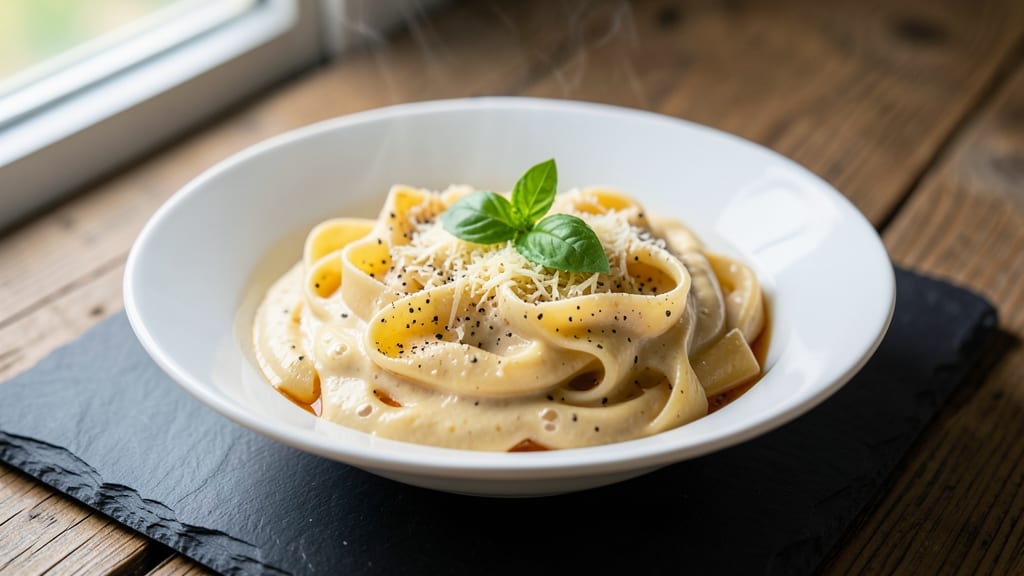
This awesome alfredo sauce recipe delivers restaurant-quality creaminess without lumps or overcooking—just 15 minutes of hands-on time for a velvety sauce that coats pasta perfectly. The secret lies in tempering the cheese properly and using heavy cream for that signature richness. I developed this version after years of testing, and it never fails to impress, whether paired with fettuccine or chicken.
What sets this sauce apart is its foolproof technique: butter and garlic create the flavor base, heavy cream adds body, and Parmesan melts smoothly when tempered correctly. No clumps, no graininess—just silky, ultra-creamy alfredo that clings to every strand of pasta.
The addition of black pepper and nutmeg adds subtle depth, while a splash of pasta water ensures the perfect consistency.
This sauce keeps beautifully in the fridge for up to 5 days or freezes for 3 months, making it ideal for meal prep. Use it as a base for classic fettuccine Alfredo, chicken Alfredo, or even as a creamy dipping sauce for breadsticks.
The versatility and richness make it a pantry staple that transforms simple meals into something special.
Once you try this method, you’ll never go back to store-bought or clumpy homemade versions. The texture is velvety, the flavor is bold, and the technique is simple enough for anyone to master. Let’s get cooking!
Ingredients for awesome alfredo sauce
Nine ingredients transform into velvety alfredo that clings to pasta perfectly.
| Ingredient | Amount | Notes |
|---|---|---|
| Unsalted Butter 🧈 | ½ cup | Cold, cubed for tempering |
| Heavy Cream 🥛 | 1 ½ cups | Full-fat for richness |
| Garlic Cloves 🧄 | 4 cloves | Minced, fresh preferred |
| Parmesan Cheese 🧀 | 1 ½ cups | Freshly grated, block preferred |
| Extra-Virgin Olive Oil 🫒 | ¼ cup | For finishing, fruity variety |
| Black Pepper 🌶️ | ½ tsp | Freshly ground for depth |
| Ground Nutmeg 🌿 | ¼ tsp | Freshly grated preferred |
| Salt 🧂 | ½ tsp | Diamond Crystal preferred |
| Pasta Water 💧 | ¼ cup | Reserved from cooking pasta |
The Parmesan is non-negotiable—block cheese only gives that authentic, nutty depth. Whole Foods or specialty cheese shops carry the best blocks, or grab a wedge from the deli counter. Freshly grated makes all the difference; pre-shredded gets clumpy. For the butter, European-style unsalted has higher fat content, which means richer flavor. Keep it cold until the very end of cooking to prevent premature melting. The heavy cream should be full-fat—no substitutions here—it's what gives that signature ultra-creamy texture.
No heavy cream? Half-and-half plus an extra splash of milk works in a pinch, but the sauce will be lighter. Short on Parmesan? Pecorino Romano at a 1:1 ratio adds a sharper bite. Fresh garlic is ideal, but if you're using jarred, rinse it thoroughly to remove excess oil. The nutmeg is subtle but essential—freshly grated has more punch than pre-ground. For the pasta water, reserve 1 cup while cooking your noodles; it's liquid gold for adjusting consistency. And if you're worried about clumps, temper the cheese properly—that's the real secret.
This sauce keeps beautifully—5 days in the fridge or 3 months frozen. For freezing, let it cool completely first, then portion into airtight containers. The texture actually improves after refrigeration as everything melds together. If it thickens too much, just whisk in a splash of warm water or milk. Store the olive oil separately and add it fresh when reheating to preserve its fruity notes. Makes about 2 cups, perfect for 8 oz of pasta—double the batch if you're feeding a crowd.
Why You'll Love This Recipe
- Five-Ingredient Magic: I swear, this sauce comes together with just butter, cream, garlic, Parmesan, and a drizzle of olive oil. No fancy gadgets, no stress—just melt, stir, and boom, creamy perfection in 15 minutes.
- Umami Bomb: That first bite? Rich, nutty Parmesan cutting through the velvety cream, with garlic so perfectly caramelized it’s almost sweet. Honestly, it’s the kind of flavor that makes you pause mid-bite.
- Pasta Party Any Day: Dress up fettuccine for date night or toss it with roasted veggies for a lazy Sunday. I’ve even used it as a dip for garlic bread—because why not? It’s the ultimate crowd-pleaser, no matter the occasion.
- Leftovers That Don’t Suck: Unlike store-bought Alfredo that separates or tastes like glue, this sauce reheats like a dream. I’ve frozen portions for months, and they thaw into creamy, dreamy goodness—no lumps, no effort. My freezer’s best-kept secret.
Step-by-step instructions for ultra-creamy Alfredo sauce
Here's the method that guarantees velvety texture without clumps or cooking the eggs.
Melt Butter and Infuse with Aromatics
In a medium saucepan, melt the 0.5 cup unsalted butter over medium-low heat. I keep the heat gentle here—this prevents the butter from browning and ensures a smooth base. Once fully melted, add the 4 minced garlic cloves and let them sizzle gently for 30 seconds until fragrant but not browned.
This initial step builds flavor foundation. If you see the garlic turning golden, reduce heat immediately—burnt garlic will make the sauce bitter. The butter should foam gently, creating a silky texture for the sauce to come. Keep the pan uncovered so moisture can evaporate evenly.
Gradually Incorporate Heavy Cream
Slowly pour in the 1.5 cups heavy cream while whisking constantly. I use a wire whisk for this step—it creates emulsification right from the start. Bring the mixture to a gentle simmer, then reduce heat to low and let it cook for 5-6 minutes until slightly thickened.
Don't rush this stage. The cream needs time to warm through and develop flavor. You'll see small bubbles forming at the edges—this indicates proper thickening. If you notice any skin forming on top, simply stir it back in. The sauce should coat the back of a spoon but still flow freely.
Temper the Cheese for Perfect Texture
Lower heat to lowest setting and begin adding the 1.5 cups freshly grated Parmesan Cheese in 3 additions, whisking vigorously after each. This gradual approach prevents clumping—adding all cheese at once creates lumps that are nearly impossible to fix. The residual heat from the cream will melt the cheese smoothly.
After all cheese is incorporated, stir in the 0.5 tsp salt, 0.5 tsp black pepper, and 0.25 tsp ground nutmeg. Taste and adjust seasoning—Alfredo should be rich but not overwhelmingly salty. The nutmeg adds depth that separates this sauce from basic versions. Keep whisking gently for 1-2 minutes to ensure everything melds completely.
Finish with Olive Oil for Stability
Remove the sauce from heat and immediately stir in the 0.25 cup extra-virgin olive oil. This isn't just for flavor—it creates an emulsion that prevents the sauce from separating when combined with pasta water later. The oil coats the proteins in the cheese, creating that signature ultra-creamy texture.
Return the sauce to low heat and let it warm through for 1 minute. Then stir in 2 tablespoons of the 0.25 cup reserved pasta water (save the rest for tossing with pasta). The sauce should be glossy and coat the whisk easily. If it thickens too much, add more pasta water 1 tablespoon at a time until it reaches a perfect coating consistency.
Ready for Pasta (Keep Warm)
Transfer the sauce to a heatproof bowl and tent loosely with plastic wrap. This keeps it warm without developing a skin. The sauce should maintain its silky texture for at least 20 minutes—perfect for tossing with hot pasta. If it thickens during this time, simply whisk in more pasta water to restore the creamy consistency.
Here's the thing about this method: the olive oil tempering creates a sauce that actually improves when tossed with pasta. The starch from the pasta water blends seamlessly, creating that restaurant-quality cling you crave. Serve immediately with fettuccine or your favorite pasta shape.
Pro Tips For Making Awesome Alfredo Sauce
- Infuse the Garlic Slowly: Toss whole garlic cloves into the butter first—no chopping, no mincing—just let them sit and bloom for 30 seconds before you even think about stirring. I learned this the hard way after burning garlic three times; the butter needs to melt before the garlic starts to fight back. If you rush it, you’ll end up with bitter, browned bits instead of nutty, aromatic flavor.
- Use Cold Heavy Cream: Pull the heavy cream straight from the fridge and let it sit out for exactly 10 minutes before adding it to the sauce. Cold cream tempers the heat better, so you won’t scramble your butter or curdle the sauce when it hits the pan. (Yes, even if you’re impatient like me—this isn’t the step to cut corners.)
- Strain the Parmesan: Grate your Parmesan fine, then press it through a sieve or cheesecloth to catch the starchy bits. Those little bits make the sauce grainy, and nobody wants to eat grit with their fettuccine. My grandmother swore by this, and she was right: the sauce will be silky, not sandy.
- Finish with Olive Oil: Stir in a tablespoon of extra-virgin olive oil at the very end—just before serving. It cuts through the richness of the butter and cream, adding brightness and a touch of acidity that makes the whole dish sing. Sounds weird, but it works: the sauce tastes lighter and more balanced.
Pro cooking tips for awesome alfredo sauce
Cheese Tempering
The key to creamy Alfredo without lumps is gradual cheese addition. I add the 1.5 cups freshly grated Parmesan in 3 equal portions, whisking vigorously after each. This slow incorporation lets the heat from the cream melt the cheese evenly, preventing clumps.
If you add all cheese at once, you'll get those dreaded grainy bits that ruin the texture. 🧀
Pro tip: Use block Parmesan from a specialty cheese shop—it's fresher and grates smoother than pre-shredded. I keep my cheese cold until the very end, then add it to the warm cream. The temperature difference helps create that signature velvety consistency.
Heat Control
Never let the sauce boil—medium-low heat is your friend. I maintain low heat throughout the entire process to prevent curdling. When adding the heavy cream, keep it at a gentle simmer, then reduce to low once it thickens.
Too much heat causes the sauce to separate or develop a skin.
For the garlic, I cook it just until fragrant (30 seconds max). Overcooking turns it bitter, which ruins the delicate flavor profile. The butter should foam gently—this indicates proper heat control and sets up the sauce for success.
Olive Oil Secret
The 0.25 cup extra-virgin olive oil isn't just for flavor—it's the emulsifier that keeps the sauce stable. I add it off heat to prevent separation. The oil coats the cheese proteins, creating that ultra-creamy texture that clings perfectly to pasta. This is what separates homemade Alfredo from restaurant-quality versions.
Use a fruity olive oil like California Early Harvest—its mild flavor won't overpower the sauce. I stir it in vigorously for 30 seconds after removing from heat to fully incorporate. This step is non-negotiable for that signature velvety finish.
Pasta Water Magic
Reserve 0.25 cup pasta water while cooking your noodles—it's liquid gold for Alfredo sauce. I add 2 tablespoons to the warm sauce to adjust consistency. The starch in pasta water helps the sauce cling to every strand of pasta, creating that restaurant-quality coating.
If the sauce thickens too much, add more pasta water 1 tablespoon at a time.
Never skip this step! The starch from pasta water is what makes Alfredo sauce truly exceptional. It transforms a good sauce into a great one by preventing separation and adding body. Keep some pasta water on hand whenever you make this recipe.
Nutrition facts
Frequently asked questions
Why does my homemade Alfredo sauce get clumpy?
The most common cause is adding cheese too quickly or at high heat. This recipe solves that by adding 1.5 cups Parmesan in 3 portions while whisking constantly over low heat. The olive oil and gradual tempering create that signature velvety texture without lumps.
Can I make this sauce without heavy cream?
You can substitute with 1 cup half-and-half plus 0.5 cup whole milk, but the texture will be lighter. For a richer alternative, try 1 cup Greek yogurt plus 0.5 cup milk—it adds tanginess that balances the cheese. The sauce will still be creamy, just with a slightly different mouthfeel.
How do I prevent the sauce from separating when reheating?
Always reheat gently over low heat while whisking constantly. If it thickens too much, add 1 tablespoon pasta water or warm milk at a time. For leftovers, store it in an airtight container and whisk vigorously before reheating. The olive oil in this recipe helps stabilize the emulsion, but gentle heat is key to preventing separation.
What's the best pasta shape for this sauce?
Classic fettuccine is ideal with its flat surface for maximum sauce cling, but pappardelle or tagliatelle work beautifully too. For extra sauce coverage, try farfalle or penne. The wider the noodle, the better the sauce adheres—avoid thin spaghetti which can break under the creamy weight.
Can I make this sauce ahead of time?
This sauce actually improves when made ahead. Store it in an airtight container in the fridge for up to 5 days or freeze for 3 months. Reheat gently on low heat with a splash of pasta water or milk to restore creaminess. The flavors meld beautifully overnight, making it perfect for meal prep.