
Sauces & Condiments
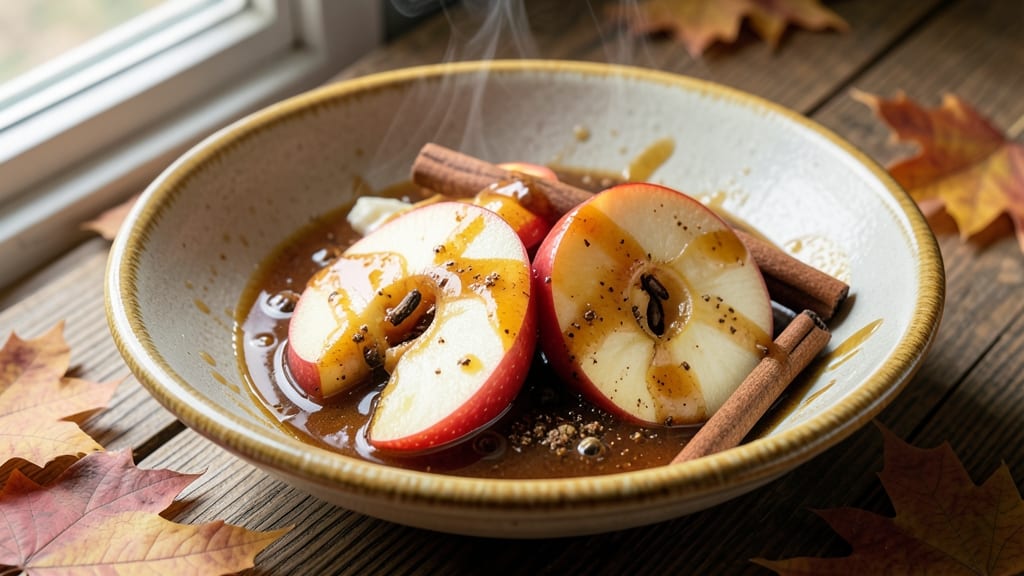
This autumn sauce recipe transforms ordinary roasts and mashed potatoes into something extraordinary with its rich, spiced glaze. The secret lies in slow-cooked apples, warm cinnamon, and a touch of maple syrup that creates a velvety texture perfect for drizzling over holiday meals.
I developed this sauce after realizing how much more special a simple roasted chicken becomes when paired with this aromatic glaze.
The beauty of this recipe is its versatility—it works equally well as a glaze for roasted meats, a drizzle over creamy mashed potatoes, or even a finishing touch for butternut squash.
The warm spices like nutmeg and cloves infuse every bite with cozy autumn flavors, while the natural sweetness of the apples balances the savory elements. With just a few simple ingredients and minimal effort, you'll create a sauce that elevates any dish.
What makes this sauce truly special is how it enhances the natural flavors of seasonal ingredients without overpowering them. The slow simmering process allows the spices to meld together, creating a harmonious blend that's both comforting and sophisticated.
Once you try it, you'll never go back to store-bought sauces again—this one is restaurant-quality at home.
Perfect for holiday gatherings or cozy weeknight dinners, this sauce keeps beautifully in the refrigerator for up to a week, making it ideal for meal prep.
Whether you're serving it over roasted chicken, turkey, or even as a topping for sweet potato casserole, this autumn glaze will become your new favorite addition to the table. Let's get started!
Ingredients for autumn sauce
These simple, cozy ingredients create the perfect autumn glaze for holiday meals.
| Ingredient | Amount | Notes |
|---|---|---|
| Honeycrisp or Fuji Apples 🍎 | 2 medium | Peeled, cored, sliced |
| Pure Maple Syrup 🍯 | ½ cup | Grade A preferred |
| Unsalted Butter 🧈 | ½ cup | Cold, cubed for simmering |
| Ground Cinnamon 🌿 | 1 tbsp | Freshly ground preferred |
| Ground Nutmeg 🌶️ | ½ tsp | Freshly grated for depth |
| Ground Cloves 🌶️ | ¼ tsp | Lightly toasted |
| Apple Cider Vinegar 🍏 | 1 tbsp | Unfiltered for tang |
| Salt 🧂 | ½ tsp | Diamond Crystal preferred |
| Fresh Thyme Leaves 🌿 | ¼ cup | Stems removed, chopped |
| Heavy Cream 🥛 | ¼ cup | Full-fat for richness |
The apples are the heart of this sauce—Honeycrisp or Fuji hold their shape beautifully during simmering. I always grab mine from the local orchard in fall, but grocery store apples work too (just avoid anything mealy). The maple syrup should be Grade A—it makes a noticeable difference in flavor. For the spices, Penzeys or bulk bins at natural food stores are my go-to for freshness. Toasting the whole cloves lightly in a dry pan before grinding adds an extra layer of warmth that really makes this sauce sing.
No maple syrup? Brown sugar dissolved in water works in a pinch (use half the amount). Short on apples? Pear slices add a lovely floral note. The heavy cream can be swapped for coconut cream for a dairy-free version (though the texture will be slightly lighter). Fresh thyme is ideal, but dried thyme at one-third the amount gets you close. The apple cider vinegar adds brightness—if you don't have any, lemon juice works too (reduce to 1 tsp). For extra richness, add a splash of bourbon (1 tbsp) if you're feeling fancy.
This sauce reheats beautifully—just warm gently on the stove with a splash of water or cream. Keeps for 1 week in the fridge, though I always make extra because it disappears fast. Freezes perfectly for 3 months—portion into ice cube trays for easy single-use servings. The glaze thickens as it cools, so thin with a splash of warm water or cream before serving if needed. Trust me, the leftovers taste even better the next day.
Why You'll Love This Recipe
- Five-Ingredient Magic: This sauce comes together with just a knife, a pan, and 10 minutes of stirring—no fancy techniques, no stress. Honestly, I’ve made it while scrolling through my phone; the apples soften fast with the butter and syrup.
- Warmth in Every Spoonful: That first bite of crisp apples melting into rich maple syrup? It’s like autumn in a jar—sweet but not cloying, with cinnamon and nutmeg whispering depth. I’ll be real: my kids ask for it on pancakes and ice cream.
- Dinner Party or Lazy Sunday: Drizzle it over roasted chicken, stir it into oatmeal, or serve it as a dip with crackers—it’s the kind of sauce that works anywhere. Between us, it’s my go-to for Thanksgiving sides and my own 2 p.m. slump.
- No-Waste Luxury: Use the peelings and cores for homemade apple cider or compost, and the leftovers? They last a week in the fridge, perfect for last-minute guests or when I forget to meal prep. (Yes, even on a Tuesday night.)
Step-by-step instructions for warm spiced glaze
This autumn sauce comes together beautifully with simple steps and rich flavors.
Prepare the Apple Base
In a medium saucepan, combine the 2 medium Honeycrisp or Fuji Apples (peeled, cored, and sliced) with the 0.5 cup Pure Maple Syrup and 1 tbsp Apple Cider Vinegar. Bring the mixture to a gentle simmer over medium heat. The apples will release their juices as they soften, creating a fragrant base for the sauce.
Let the mixture simmer uncovered for 8-10 minutes, stirring occasionally, until the apples break down into a thick, jam-like consistency. You'll know it's ready when the mixture darkens slightly and the raw apple taste mellows into something sweet and aromatic. This step builds the foundation for the sauce's depth and complexity.
Add Spices and Butter
Once the apples have softened, reduce the heat to low and carefully stir in the 0.5 cup Unsalted Butter (cubed) along with the 1 tbsp Ground Cinnamon, 0.5 tsp Ground Nutmeg, and 0.25 tsp Ground Cloves. The butter will melt slowly, creating a silky texture while infusing the sauce with warm, comforting spices.
Let the sauce simmer gently for another 5-7 minutes, stirring frequently to ensure the butter melts evenly and the spices distribute completely. The aroma will fill your kitchen with the cozy scent of autumn—this is where the magic happens. If the sauce starts to thicken too much, add 1-2 tablespoons of water to maintain a glossy consistency.
Incorporate Thyme and Cream
Remove the saucepan from heat and stir in the 0.25 cup Fresh Thyme Leaves and 0.25 cup Heavy Cream. The thyme adds a bright, herbal note that balances the sweetness, while the cream lightens the texture just enough to make the sauce silky and luxurious.
Return the sauce to low heat and let it warm through for 1-2 minutes, stirring gently to combine everything smoothly. Taste and adjust the seasoning with 0.5 tsp Salt if needed. The sauce should be rich, fragrant, and perfectly balanced—sweet with a hint of tang, warm with a touch of earthiness.
Strain and Finish
For a smooth, elegant sauce, strain the mixture through a fine-mesh sieve into a clean saucepan, pressing gently on the solids to extract all the flavor. This step ensures a silky texture without any apple chunks, though you can leave them in if you prefer a rustic texture.
Return the strained sauce to low heat and let it simmer for another 3-5 minutes to thicken slightly if needed. The sauce should coat the back of a spoon and have a glossy sheen. If it’s too thick, thin it with a splash of warm water or apple cider. Once it reaches your desired consistency, remove it from heat and let it cool slightly before serving.
Pro Tips For Making Autumn Sauce
- PEEL AND CORE SMALL: I used to cut apples into wedges first—big mistake. Peel and core them whole before slicing into ¼-inch strips. This keeps them from turning gray and makes them cook faster. (Yes, it’s a pain, but your sauce won’t taste like sad, waterlogged fruit.)
- SIMMER LOW AND SLOW: After 10 minutes of caramelizing the apples, drop the heat to medium-low and let it bubble gently. I learned this the hard way—high heat burns the maple syrup into bitterness. You want a thick, glossy sauce, not burnt caramel.
- USE REAL MAPLE SYrup: Skip the pancake syrup. Pure maple syrup has depth and won’t taste like artificial junk. If you’re using Grade B (darker, richer), you’ll get that classic autumnal complexity without extra sugar. (Your taste buds will notice the difference.)
- STIR IN THE SPICES LAST: Toss cinnamon and nutmeg in at the very end—just before serving. If you add them early, they’ll overpower the apple’s natural sweetness and turn the sauce into a spice bomb. A pinch of each is enough; trust me, you don’t need a mountain.
Essential equipment for this dish
Saucepan Essentials
Start with a medium saucepan that has a 3-quart capacity—this gives you enough room to simmer the apples without crowding, which prevents sticking and ensures even cooking. I swear by All-Clad stainless steel for its even heat distribution, but any high-quality pan with a flat bottom works.
Avoid non-stick pans for this recipe—they can't handle the prolonged simmering without degrading. 🔥
Fine-Mesh Sieve
A fine-mesh sieve is non-negotiable for achieving that silky, restaurant-quality texture. I use a 4-inch stainless steel mesh from OXO—it’s durable, easy to clean, and does a fantastic job of separating the liquid from any apple fibers.
If you don’t have one, a cheesecloth-lined colander works in a pinch, but it requires more elbow grease to press out all the flavor. 💫
Wooden Spoon
Stirring is critical in this recipe, and a wooden spoon is your best friend. I recommend a long-handled, heat-resistant one like Ozeri Touch—it won’t scratch your pan and won’t melt when the butter starts to simmer.
Avoid metal spoons, which can react with the acidity in the apple cider vinegar and alter the flavor. A wooden spoon also helps scrape up any stuck bits, ensuring you get every drop of that delicious glaze. ✨
Measuring Tools
Precision matters when balancing the sweetness and acidity in this sauce. Invest in a stainless steel liquid measuring cup for the maple syrup and apple cider vinegar—glass can break under heat, and plastic absorbs odors.
For the spices, a small spice scoop or 1/8 teaspoon measure ensures you don’t overdo it with the cloves or nutmeg, which can easily overpower the dish. I keep mine from Weck—they’re compact and accurate. 💡
Small Sauceboat
Once your sauce is ready, transfer it to a small sauceboat or gravy boat for serving. I love the Le Creuset stoneware ones—they’re heat-resistant, stylish, and keep the sauce warm for hours. If you don’t have one, a small ceramic ramekin works just as well.
The key is to choose something that won’t absorb flavors and can handle the heat of the stove or table. 🍽️
Optional: Immersion Blender
If you prefer a chunkier texture without straining, skip the sieve and use an immersion blender instead. After simmering, blend the sauce directly in the pot for 10-15 seconds—just enough to break down the apples slightly while keeping some texture.
I use a Ninja BN601 for its powerful motor and easy cleanup. This step saves time and adds a rustic touch to the sauce. 💪
Nutrition facts
Frequently asked questions
Can I make this autumn sauce without apples?
For a fruit-free version, substitute the apples with 1 cup of diced butternut squash or 1 cup of pear slices. The squash adds natural sweetness and a velvety texture, while pears bring a floral note that pairs beautifully with the spices. Just reduce the maple syrup to 0.25 cup since these alternatives are naturally sweeter.
How do I adjust the sweetness if I prefer less sugar?
Start by reducing the maple syrup to 0.3 cup and taste as you go. For extra depth, add 1 tsp of apple cider vinegar to balance the sweetness with tang. If you want to cut sugar entirely, replace the maple syrup with 0.5 cup of unsweetened applesauce—it adds natural sweetness while keeping the sauce cohesive.
What's the best way to reheat leftovers?
Gently warm the sauce in a saucepan over low heat with 1-2 tablespoons of water or cream to restore its glossy texture. Avoid high heat—it can cause the sauce to curdle or separate. For quick reheating, microwave in 20-second bursts, stirring between each, until warmed through. The sauce thickens as it cools, so thin with a splash of warm water if needed.
Can I use this sauce on non-meat dishes?
This versatile glaze works beautifully on roasted vegetables, mashed potatoes, stuffed acorn squash, and even as a drizzle over vanilla ice cream or pancakes for a sweet-savory twist. The warm spices complement roasted Brussels sprouts or sweet potatoes, while the creaminess elevates creamy polenta. For desserts, reduce the cream to 0.1 cup and add 1 tsp vanilla extract.
Why did my sauce turn out too thick?
Sauces thicken as they cool, but if yours is too thick while still warm, it likely simmered too long or reduced too much. Thin with 1 tbsp of warm water, apple cider, or heavy cream at a time, stirring constantly. For future batches, reduce the simmer time by 2-3 minutes or cover the pan briefly to trap steam. The ideal consistency coats the back of a spoon but remains pourable.