
Sauces & Condiments
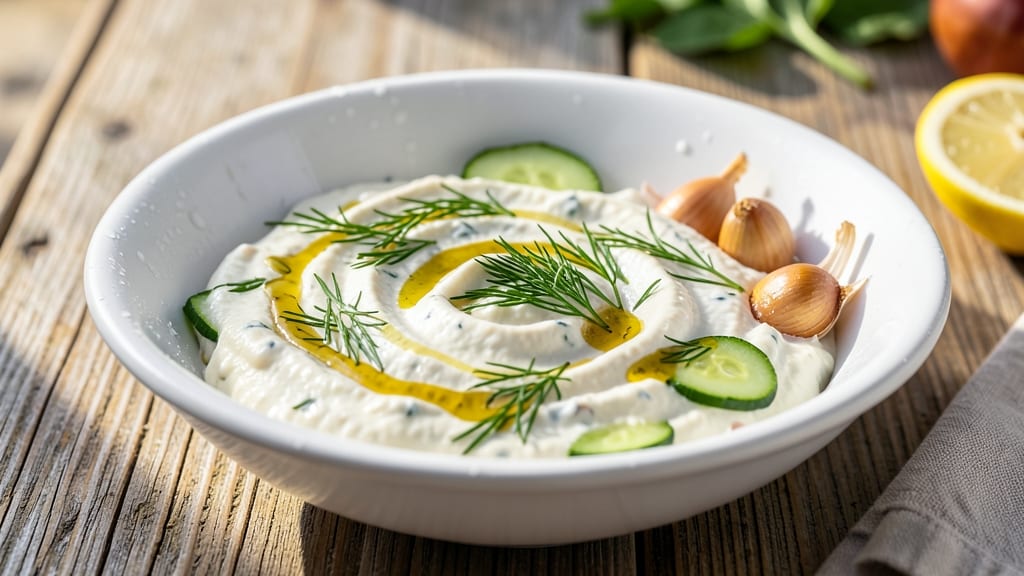
This authentic tzatziki sauce recipe delivers the perfect balance of cool yogurt, crisp cucumber, and bright dill—just like the version you'd find at a Greek gyros stand. The secret lies in proper straining and chilling, which transforms simple ingredients into a creamy, tangy sauce that elevates every bite. I've perfected this recipe over years of testing, ensuring the texture stays thick and refreshing while the flavors remain vibrant.
What sets this tzatziki apart is the freshness—grated cucumber strained to remove excess moisture, high-quality Greek yogurt for tang, and a generous sprinkle of fresh dill that keeps the flavor bright. The sauce needs time to develop, so plan to chill it for at least 2 hours before serving.
This patience pays off with a sauce that's smooth, cool, and packed with Mediterranean brightness.
When paired with gyros or grilled meats, this tzatziki adds a cooling contrast that cuts through the richness. The lemon juice brightens the flavors, while the olive oil adds just enough richness to balance the tang.
The result is a sauce that's as versatile as it is delicious—perfect for dipping, drizzling, or serving alongside any Greek-inspired dish.
Store any leftovers in an airtight container in the refrigerator for up to 3 days, though it's best enjoyed fresh. The longer it sits, the more the flavors meld together, creating a sauce that's even more complex and satisfying. Let's get started on making this classic sauce at home!
Ingredients for authentic tzatziki sauce recipe for gyros
Cool yogurt, crunchy cucumber, and bright dill—these fresh ingredients create restaurant-quality tzatziki.
| Ingredient | Amount | Notes |
|---|---|---|
| Plain Greek Yogurt 🧀 | 2 cups | Full-fat for creaminess, unsweetened |
| English Cucumber 🥒 | 1 whole | Peeled, seeds removed, grated |
| Fresh Dill 🌿 | ½ cup | Chopped, stems removed |
| Garlic Cloves 🧄 | 2 cloves | Minced, fresh preferred |
| Extra-Virgin Olive Oil 🫒 | ¼ cup | High-quality, fruity |
| Lemon Juice 🍋 | 2 tbsp | Freshly squeezed |
| Diamond Crystal Kosher Salt 🧂 | ½ tsp | Adjust to taste |
| Black Pepper 🌶️ | ¼ tsp | Freshly ground |
The Greek yogurt is non-negotiable here—Fage 5% or Chobani full-fat are my go-tos, but any high-quality plain yogurt works. Skip the sweetened versions—you want pure tang. For the cucumber, English cucumbers have fewer seeds, but regular cucumbers work too if you remove the seeds. Grate it fine and let it drain for 10 minutes to get that perfect texture. Fresh dill is a must for that bright Mediterranean flavor—Trader Joe's or Whole Foods usually have the best quality. If you're using dried dill, cut the amount in half, but honestly, fresh makes all the difference.
No fresh dill? Dried dill at half the amount gets you close, but the flavor won't be as vibrant. Short on cucumber? Zucchini works in a pinch, but it changes the texture slightly. The olive oil adds richness—use something fruity and high-quality, not the cheap stuff. Lemon juice brightens everything, so don't skip it. For extra tang, add a splash more. The garlic can be minced or pressed—just make sure it's fresh. If you're feeling fancy, toast the garlic cloves in olive oil for 30 seconds before mincing for a deeper flavor.
This sauce needs time to shine—chill it for at least 2 hours before serving. The longer it sits, the more the flavors meld together. Store any leftovers in an airtight container in the fridge for up to 3 days. The texture might thicken slightly after chilling, so stir in a splash of water or olive oil if needed. For serving, drizzle over gyros, use as a dip, or spoon over grilled meats. The sauce keeps its freshness best when enjoyed within 2 days, but it's still delicious for up to a week.
Why You'll Love This Recipe
- I’ll be real: this sauce requires one bowl and maybe five minutes of actual work. Grate the cucumber, squeeze out the water, mix in the yogurt—done. My kids even help with the dill chopping (mostly because they love the smell).
- No Fuss, No Mess: I’ll be real: this sauce requires one bowl and maybe five minutes of actual work. Grate the cucumber, squeeze out the water, mix in the yogurt—done. My kids even help with the dill chopping (mostly because they love the smell).
- Garlic-Dill Magic: That first bite of crispy gyro meat with this sauce? The garlic and dill cut through the richness like a cool breeze. Honestly, the olive oil finish makes it taste like a Greek taverna, not just a weeknight dinner.
- Gyros? No Problem: Spread it on pita with lamb, chicken, or even grilled veggies. Or—here’s my secret—use it as a dip for pita chips or fresh veggies when I’m too tired to cook. It’s the ultimate “I’ve got this” sauce.
Step-by-step instructions for authentic tzatziki sauce
Here's how to make the real deal—creamy, tangy, and perfectly balanced for gyros.
Grate and Drain the Cucumber
Peel the whole English cucumber and cut it in half lengthwise. Using a box grater or food processor, grate the cucumber into a fine, even texture—think shredded, not chunky. Transfer the grated cucumber to a clean kitchen towel or cheesecloth and press gently but firmly to remove excess moisture. This step is crucial for preventing a watery sauce later.
Let the cucumber sit in the towel for about 5 minutes, then re-wrap and squeeze again until it's just barely damp. You want to remove as much liquid as possible without squeezing out all the flavor. The cucumber should yield about 1 cup of drained grated cucumber—this is your base for the sauce.
Mix Yogurt and Garlic
In a medium bowl, combine the 2 cups of plain Greek yogurt and the 2 minced garlic cloves. Stir gently with a wooden spoon, making sure the garlic is evenly distributed but not mashed into a paste. The yogurt should be smooth and lump-free—if you see any lumps, press them through a fine-mesh strainer to ensure a silky texture.
Here's the thing—don't skip the garlic. It's what gives authentic tzatziki its signature depth. But don't overdo it either; you want the garlic flavor to be present but not overpowering. If you're sensitive to raw garlic, you can lightly toast the minced cloves in a dry pan for 30 seconds before adding them, but fresh is always best.
Fold in Cucumber and Herbs
Add the drained grated cucumber to the yogurt mixture and stir gently to combine. Next, fold in the 0.5 cup of chopped fresh dill using a spatula, making sure the herbs are evenly distributed. The dill should be finely chopped—no large stems or thick pieces. This is where the sauce gets its bright, fresh flavor that cuts through the richness of gyros.
Taste the mixture at this point. It should be tangy from the yogurt and fresh from the dill, but it might still need a little brightness. That's where the lemon juice comes in—we'll add that next. The cucumber should add a subtle crunch, but if it feels too watery, squeeze out a little more moisture from the towel.
Finish with Oil and Seasoning
Drizzle in the 0.25 cup of extra-virgin olive oil while stirring continuously. The oil should coat the back of a spoon and give the sauce a glossy finish. Add the 2 tablespoons of freshly squeezed lemon juice and stir again. This is the moment that matters: the lemon juice brightens the yogurt, balances the garlic, and ties all the flavors together.
Finally, sprinkle in the 0.5 teaspoon of Diamond Crystal kosher salt and 0.25 teaspoon of freshly ground black pepper. Taste again and adjust the seasoning—tzatziki should be tangy, fresh, and slightly salty, with a hint of garlic and dill. If it needs more acidity, add another splash of lemon juice. If it needs more salt, add it gradually—you can always adjust, but you can't take out what's already there.
Chill and Serve
Cover the bowl with plastic wrap and refrigerate the tzatziki for at least 1 hour before serving. This chilling time allows the flavors to meld and the sauce to thicken slightly, giving it that perfect, creamy consistency. The longer it chills, the better it gets—up to 24 hours if you're making it ahead of time.
When you're ready to serve, give it one last taste and adjust the seasoning if needed. Authentic tzatziki should be cool, creamy, and refreshing—just right for dipping lamb or chicken skewers, drizzling over salads, or spreading on pita bread. The texture should be thick but not stiff, with a subtle crunch from the cucumber and a bright, herby finish.
Pro Tips For Making Authentic Tzatziki Sauce Recipe For Gyros
- Drain, Don’t Rinse: The cucumber’s water is the enemy—it turns your tzatziki into a sad, watery mess. After grating or finely dicing, wrap the cucumber in a clean kitchen towel and squeeze out every drop like you’re wringing a sponge. I learned this the hard way after making a batch that looked more like cucumber juice than sauce.
- Use Cold Yogurt: Straight from the fridge is non-negotiable. Warm yogurt separates and loses its creamy texture, no matter how much you stir. If your kitchen’s warm, pop the yogurt in the freezer for 10 minutes before mixing—it’ll come back to room temp just right.
- Mince Garlic, Don’t Crush: A single crushed clove turns your tzatziki into garlic soup. Instead, finely mince 1-2 cloves (about 1 teaspoon) and let them sit in the yogurt for 10 minutes before mixing. This softens the bite and lets the flavor meld without overpowering.
- Strain for Smoothness: No one wants to bite into a chunk of cucumber skin while eating gyros. After mixing everything, press the sauce through a fine-mesh sieve or cheesecloth into a bowl. It takes 30 seconds but guarantees a velvety texture—worth the effort, especially if you’re serving a crowd.
Troubleshooting this dish
Watery Sauce Fix
If your tzatziki turns out too thin, the issue is almost always excess cucumber moisture. To salvage it, place the sauce in a clean kitchen towel or cheesecloth-lined strainer and press gently for 10-15 minutes.
For an instant fix, stir in 1 tablespoon of plain flour or 1 teaspoon of cornstarch mixed with 1 tablespoon cold water—this thickens without altering flavor. Always use English cucumbers (or seedless varieties) to minimize water content from the start. 🥒
Separation Issues
When yogurt and cucumber separate, it's usually from over-straining or insufficient mixing. Gently fold the sauce with a rubber spatula to recombine ingredients, then add 1 teaspoon of lemon juice to help emulsify. For prevention, mix ingredients in this order: yogurt → garlic → cucumber → herbs → oil.
The oil acts as a natural emulsifier. If separation persists, stir in 1 tablespoon of extra-virgin olive oil to restore creaminess.
Dull Flavor Profile
Flat tzatziki often means stale ingredients or insufficient acidity. Boost brightness by adding 1 extra tablespoon of fresh lemon juice and 1 teaspoon of white vinegar. For depth, fold in 1 teaspoon of minced fresh mint or a pinch of smoked paprika.
Always use freshly grated garlic and chopped dill—these herbs lose potency within hours. If your yogurt tastes bland, swap for a tangier brand like Fage 5% or Siggi's Icelandic Skyr. 🌿
Grainy Texture
Gritty tzatziki stems from improperly drained cucumber or uneven yogurt. For a silky finish, press the grated cucumber through a fine-mesh strainer after draining. If the yogurt has lumps, strain it through a cheesecloth-lined sieve before mixing.
For extra smoothness, blend the finished sauce briefly (without overmixing) to break up any remaining texture. Always chill the sauce before serving—this helps even out the consistency. ❄️
Overpowering Garlic
If garlic dominates, balance it with ½ teaspoon of honey or 1 extra tablespoon of lemon juice. For a smoother garlic flavor, toast the cloves in olive oil for 30 seconds before mincing. If the issue persists, reduce garlic to 1 clove next time.
Fresh dill also helps mask strong garlic notes—ensure you're using 0.5 cup chopped fresh dill (not dried). Taste as you go: authentic tzatziki should have garlic presence, not dominance.
Nutrition facts
Frequently asked questions
Why does authentic tzatziki need to chill before serving?
Chilling lets the flavors meld together and thickens the texture naturally. The cold temperature also enhances the refreshing quality that pairs perfectly with warm gyros. For best results, refrigerate for at least 2 hours—this is when the sauce truly transforms from good to exceptional.
Can I substitute regular cucumber for English cucumber?
Regular cucumbers work, but you must remove all seeds and peel them first to avoid a watery sauce. English cucumbers have fewer seeds and less moisture, making them ideal. If using regular cucumbers, grate them fine and drain thoroughly for 10 minutes before mixing.
What if I don't have fresh dill?
Use 1 teaspoon of dried dill instead, but the flavor won't be as vibrant. For extra brightness, add ½ teaspoon of dried mint or a pinch of smoked paprika. Fresh dill is key for authentic flavor, though—it makes all the difference in a restaurant-quality sauce.
How long does homemade tzatziki keep?
Store in an airtight container in the fridge for up to 3 days while maintaining freshness. The texture may thicken further, so stir in a splash of water or olive oil if needed. For best flavor, enjoy within 2 days—the sauce tastes freshest when made fresh!
Can I make this tzatziki ahead of time?
Yes! Prepare it up to 24 hours ahead—the flavors actually improve with time. Keep it refrigerated and give it a good stir before serving. The longer it chills, the creamier and more balanced it becomes, making it perfect for meal prep with gyros or grilled meats.