
Sauces & Condiments
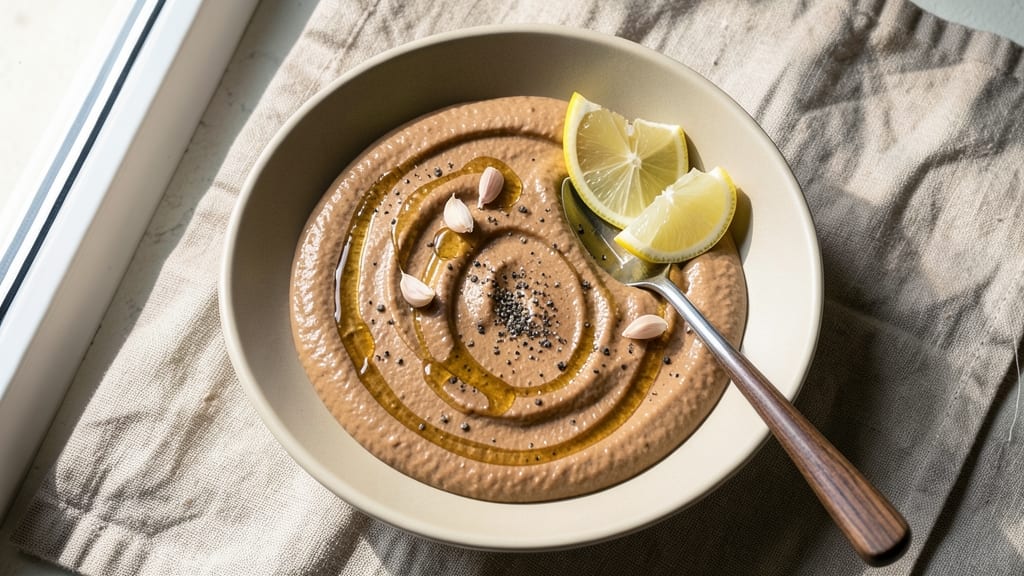
This authentic tahini sauce transforms simple ingredients into a velvety, nutty condiment that bridges Middle Eastern and Mediterranean flavors. The key lies in balancing tahini’s rich depth with bright lemon and aromatic garlic, creating a sauce that’s both versatile and unforgettable.
I’ve perfected this recipe over years of testing—no shortcuts, just traditional technique that delivers restaurant-quality results at home.
The foundation is simple: tahini, lemon juice, and water create the base, while garlic and olive oil add layers of complexity. Unlike store-bought versions, this sauce develops a smooth, creamy texture without graininess, thanks to proper emulsification.
A pinch of salt and optional maple syrup or cumin adjust the flavor to your taste, ensuring it works as a dip, dressing, or marinade.
What sets this apart is its authentic Middle Eastern soul—tangy, nutty, and subtly aromatic. The sauce keeps well in the fridge for up to a week, making it perfect for meal prep.
Whether drizzled over grilled vegetables, used as a dip for pita, or mixed into salads, it elevates every dish with its rich, balanced flavor. Ready to master this essential condiment?
This recipe isn’t just about tahini—it’s about tradition, texture, and taste that transforms ordinary meals into something extraordinary. The process is straightforward, but the result is anything but basic. Let’s get started on creating your own batch of this beloved sauce.
Ingredients for authentic tahini sauce
Nine essential ingredients create this velvety, restaurant-quality tahini sauce with authentic Middle Eastern flavor.
| Ingredient | Amount | Notes |
|---|---|---|
| Tahini 🥜 | ½ cup | High-quality, sesame paste preferred |
| Extra-Virgin Olive Oil 🫒 | ½ cup | Light, fruity variety for balance |
| Fresh Lemon Juice 🍋 | ¼ cup | Strained for smooth texture |
| Garlic Cloves 🧄 | 3 cloves | Peeled, minced for aromatic depth |
| Filtered Water 💧 | ¼ cup | Gradually added for emulsification |
| Pure Maple Syrup 🍯 | 1 tbsp | Optional, for subtle sweetness |
| Ground Cumin 🌿 | ½ tsp | Toasted for enhanced aroma |
| Sea Salt 🧂 | ½ tsp | Diamond Crystal preferred |
| White Vinegar 🍶 | 1 tsp | Balances richness, optional |
The tahini is the heart of this sauce, so choose a high-quality, freshly ground sesame paste—the difference is noticeable. Middle Eastern markets or specialty stores like Whole Foods carry excellent options, but even the bulk bins at your local grocery store work if labeled '100% tahini.' Avoid 'tahini-style' blends that contain fillers. For the olive oil, Spanish or Italian varieties with bright, fruity notes complement the tahini's richness without overpowering it. The garlic should be fresh—roasted garlic adds a sweeter depth, but raw minced garlic delivers that classic sharpness. If you're using roasted garlic, toast it first in olive oil until golden for maximum flavor.
No tahini on hand? Substitute with a mix of peanut butter and sesame oil (equal parts), though the flavor will differ slightly. Short on lemon juice? Lime juice works in a pinch, but it leans more tart. The maple syrup can be swapped for date syrup or agave nectar—just reduce to 1 tsp if you prefer less sweetness. For those avoiding cumin, smoked paprika at half the amount adds warmth. The white vinegar is optional but helps balance the sauce's richness; if you skip it, add an extra pinch of salt. For a grain-free version, ensure your tahini contains no added starches—a quick check of the label prevents surprises.
This sauce thickens as it sits, so store it in an airtight jar with a thin layer of olive oil on top to preserve freshness. It keeps for up to 1 week in the fridge, though the texture may separate slightly—simply whisk or blend before use. For longer storage, freeze in 1-tbsp portions for easy thawing. The sauce thickens when chilled, so add 1 tsp water per tablespoon if it becomes too stiff. Always bring it to room temperature before using to restore its silky consistency. A little goes a long way—start with 1 tbsp per serving and adjust to taste.
Why You'll Love This Recipe
- Five-Ingredient Magic: I swear by this combo—tahini’s rich nuttiness, bright lemon, and that garlic punch. No fancy techniques, just blending what’s already in your pantry. The olive oil ties it all together, and honestly? It’s the kind of sauce that makes you want to eat it straight from the jar.
- Dip or Dress: This stuff works everywhere. Drizzle it over roasted veggies, toss it with grilled chicken, or serve it as a dip with warm pita. I’ve even used it to jazz up a simple salad when I’m too tired to cook. Between us, it’s my go-to for lazy nights and fancy dinner guests.
- No Waste, All Flavor: The leftovers? They last a week in the fridge, and the taste only gets better. I double the batch on Sundays because it’s cheaper than buying store-bought and way more flavorful. Plus, the water-thinned consistency means it’s smooth every time—no lumps, no fuss.
- Garlic Lovers’ Dream: One minced clove or two? I go for three—just until it’s fragrant, not overpowering. That raw garlic heat cuts through the tahini’s creaminess, and the lemon keeps it from being too heavy. It’s the kind of balance that makes you reach for seconds without even thinking.
Step-by-step instructions for authentic tahini sauce
Follow this method to create a perfectly balanced tahini sauce with authentic Middle Eastern depth.
Whisk Tahini and Olive Oil Until Smooth
In a medium bowl, combine the 0.5 cup tahini and 0.5 cup extra-virgin olive oil. Use a whisk to blend vigorously for 2-3 minutes until the mixture becomes completely smooth and homogeneous. This step is critical—tahini can be thick and grainy, so thorough whisking ensures a silky texture.
I like to work in a bowl that's slightly larger than needed to prevent splashing. If the mixture starts to thicken, add 1 tablespoon of filtered water gradually while whisking until it returns to a pourable consistency. The goal is a velvety base that will emulsify beautifully with the other ingredients.
Incorporate Garlic, Cumin, and Salt
Add the 3 minced garlic cloves, 0.5 teaspoon ground cumin, and 0.5 teaspoon sea salt to the tahini mixture. Whisk continuously for 1 minute until the garlic is fully dispersed and the spices are evenly distributed. The cumin will release its warm, earthy aroma, while the garlic adds a sharp, aromatic depth that's essential for authenticity.
This is where the sauce begins to develop its complex flavor profile. The garlic should be completely incorporated—no visible flecks remain. If you're using toasted cumin, you'll notice an even more pronounced aroma. Taste the mixture now; it should be rich, nutty, and slightly savory with a hint of garlic's sharpness.
Gradually Add Lemon Juice and Water
Slowly drizzle in the 0.25 cup fresh lemon juice while whisking constantly. The mixture will thicken initially, but keep whisking for 2-3 minutes until it begins to lighten and emulsify. Next, add the 0.25 cup filtered water 1 tablespoon at a time, whisking vigorously after each addition. This gradual approach prevents the sauce from breaking and ensures a smooth, stable emulsion.
You'll know you're on the right track when the sauce transforms from a thick paste to a glossy, creamy consistency. The lemon juice brightens the tahini's richness while adding a tangy contrast. If the sauce appears too thick after all the water is incorporated, add an additional 1 teaspoon of water and whisk until smooth.
Finish with Vinegar and Maple Syrup
Stir in the 1 teaspoon white vinegar and 1 tablespoon pure maple syrup. The vinegar balances the richness of the tahini and olive oil, while the maple syrup adds a subtle sweetness that rounds out the flavors. Taste and adjust the seasoning—you may want to add a pinch more salt or a splash more lemon juice to achieve the perfect balance of tangy, sweet, and savory notes.
At this stage, the sauce should be smooth, glossy, and perfectly emulsified. If you notice any separation, simply whisk vigorously for another 30-60 seconds to restore its creamy texture. The final product should be rich, nutty, and complex with a velvety mouthfeel that coats the back of your throat.
Rest and Serve
Transfer the tahini sauce to a clean jar or bowl and let it rest at room temperature for 10-15 minutes. This resting period allows the flavors to meld and the emulsion to stabilize further. Before serving, give it one final whisk to ensure uniformity.
This authentic tahini sauce is incredibly versatile—drizzle it over grilled meats, use it as a dip for fresh vegetables, or incorporate it into salads and grain bowls. The balance of rich, nutty, tangy, and slightly sweet flavors makes it a perfect companion to a wide variety of dishes. Store any leftovers in an airtight container in the refrigerator for up to 1 week, whisking before each use to restore its smooth texture.
Pro Tips For Making Authentic Tahini Sauce
- STIR SLOWLY FIRST: Tahini lumpy? Start with a whisk or fork and gently add water—drop by drop—until it loosens. I learned this the hard way when I dumped in a cup too fast and ended up with a greasy mess instead of a smooth sauce. Once it’s loose, you can thin it properly.
- USE COLD WATER: Skip the warm water unless you want a sauce that separates later. Cold water (straight from the fridge) blends better with tahini’s natural oils, giving you that silky texture right away. Plus, it keeps the garlic from cooking into bitterness before it even hits the pan.
- MINCE GARLIC FINE: No food processor? Crush those cloves with the flat side of your knife first, then chop into a paste. Whole cloves or even rough minces burn easily and add a harsh flavor. I was skeptical until I tried it—I now keep pre-minced garlic in the freezer for tahini sauce days.
- SALT THE GARLIC: Toss the minced garlic in a pinch of salt before adding it to the tahini mixture. This softens the edges of the flavor and prevents that sharp, raw bite that ruins the balance. (Yes, even if your recipe doesn’t call for it.)
Wine and beer pairings for these flavors
White Wine Pairings
For a perfect match, reach for a crisp Sauvignon Blanc from New Zealand or Loire Valley—its bright acidity and citrus notes mirror the tahini sauce’s tangy brightness. I love Cloudy Bay Sauvignon Blanc for its zesty lime and grapefruit flavors that complement the sauce’s nutty depth.
The wine’s herbal undertones also echo the cumin in the sauce, creating a harmonious balance. 🍷
Light Beer Options
A refreshing Turkish-style raki or Greek ouzo works beautifully with tahini sauce, especially when serving it as a dip. The anise-flavored liqueurs cut through the richness while enhancing the garlic’s aromatic qualities.
For a beer pairing, try a crisp German Pilsner like Warsteiner—its clean, effervescent profile prevents the sauce from feeling heavy. The slight bitterness in the beer also balances the sauce’s sweetness.
Red Wine for Bold Dishes
When using tahini sauce as a marinade for grilled lamb or beef, opt for a medium-bodied Lebanese red wine like Château Musar. Its dark fruit and subtle spice notes harmonize with the cumin and garlic, while the wine’s acidity cleanses the palate between bites.
Avoid heavy, tannic reds—they’ll clash with the sauce’s delicate creaminess. A Pinot Noir from Oregon also works well, offering red fruit and earthy undertones that complement the dish.
Non-Alcoholic Pairings
For a refreshing non-alcoholic match, try sparkling pomegranate juice—its effervescence and tartness mirror the sauce’s brightness. I also love cucumber-infused water with a splash of lime, which enhances the tahini’s nutty profile without overpowering it.
For a more substantial pairing, serve the sauce with hummus and fresh vegetables, creating a Mediterranean-inspired platter that’s both satisfying and balanced.
Regional Pairing Traditions
In Turkey and Lebanon, tahini sauce is traditionally paired with ayran (a yogurt-based drink) or rakı (anise-flavored liquor), reflecting the region’s love for bold, aromatic flavors. For a modern twist, try pairing it with sparkling rosé—its berry notes and acidity create a perfect contrast.
The key is balancing the sauce’s richness with something light and refreshing, whether alcoholic or not. 🌿
Nutrition facts
Frequently asked questions
Why does my tahini sauce turn grainy?
Graininess happens when tahini isn't properly emulsified with oil. Always whisk the tahini and olive oil together for 2-3 minutes until completely smooth before adding other ingredients. If it thickens too much, add 1 tablespoon water at a time while whisking. For extra insurance, blend briefly with an immersion blender if you notice any texture issues.
Can I make tahini sauce without tahini?
Yes! For a similar texture, blend ½ cup peanut butter with 1 tablespoon sesame oil until smooth, then follow the recipe using the same measurements. The flavor will differ slightly (more peanut-forward), but the creamy base works well. For a closer match, try almond butter instead—it pairs better with Middle Eastern spices.
How do I fix separated tahini sauce?
Separation is normal when refrigerated. Simply whisk or blend the sauce vigorously for 30-60 seconds to restore its creamy texture. If it's stubborn, add 1 teaspoon water and blend again. For prevention, always store with a thin layer of olive oil on top to preserve the emulsion. The sauce should return to its velvety consistency immediately after blending.
What's the best way to use tahini sauce in cooking?
This versatile sauce works as a dip for veggies/pita, a dressing for salads, or a marinade for grilled meats. For extra richness, drizzle over roasted vegetables or use as a base for vegan Caesar dressing. The key is balance—start with 1 tablespoon per serving and adjust to taste. It pairs especially well with Mediterranean dishes like falafel or grilled halloumi.
Can I make tahini sauce ahead of time?
This sauce actually tastes better after resting. Make it 1-2 days ahead and store in an airtight jar in the fridge. The flavors meld beautifully, and it keeps for up to 1 week. Before using, whisk or blend briefly to restore consistency. For longer storage, freeze in 1-tbsp portions—thaw overnight in the fridge and whisk to smooth.