
Sauces & Condiments
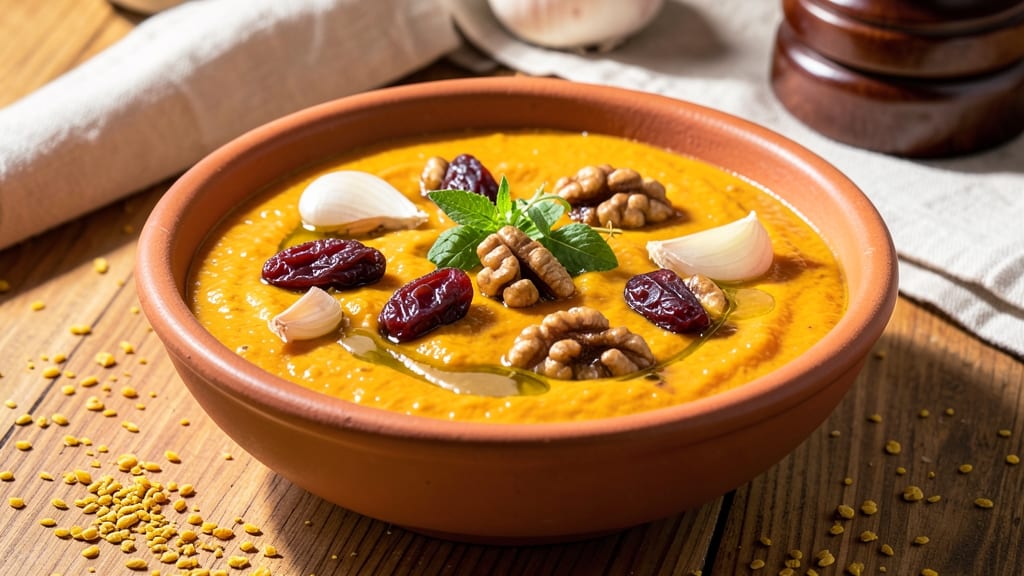
This authentic Peruvian aji sauce transforms every dish with its signature smoky, spicy depth—just like the sauce you’d find at Lima’s best cevicherías. 🌶️ The secret lies in aji amarillo, the bright yellow chili that gives it its signature color and fruity heat, balanced with garlic, vinegar, and a touch of walnuts for texture.
I’ve perfected this recipe over years of testing, ensuring it delivers the same bold flavor whether drizzled over ceviche, grilled meats, or roasted potatoes.
The sauce’s magic comes from slow-cooking the chili paste until it develops a rich, caramelized depth—no shortcuts here. Traditional Peruvian versions often include walnuts for crunch and raisins for sweetness, but you can adjust the ingredients to suit your taste.
The key is patience: letting the flavors meld over low heat transforms simple ingredients into something extraordinary. This isn’t just a sauce; it’s the heart of Peruvian cuisine in a jar.
What makes this sauce truly special is its versatility. Use it as a marinade, a drizzle, or even a dip—each application brings out different layers of flavor. The smoky heat lingers on your palate, while the slight sweetness from the raisins balances the spice.
Once you try this, store-bought versions will never compare. The best part? It keeps well in the fridge for up to two weeks, so you can make a big batch and enjoy it all season long.
For those new to Peruvian flavors, start with aji amarillo if you can find it—its bright, slightly sweet heat is unmatched. But if you’re using aji verde (green chili), the sauce will take on a different, grassier character.
Either way, this recipe delivers the authentic taste of Peru, no matter where you are. Let’s get cooking!
Ingredients for authentic peruvian aji sauce
Eight essential ingredients for bold, smoky Peruvian flavor that elevates everything from ceviche to grilled meats.
| Ingredient | Amount | Notes |
|---|---|---|
| Aji Amarillo Paste 🌶️ | ½ cup | Fresh or high-quality jarred |
| Garlic Cloves 🧄 | 6 cloves | Fresh, peeled, slightly crushed |
| White Vinegar 🍶 | ¼ cup | White or apple cider |
| Walnuts 🥜 | ¼ cup | Toasted for depth of flavor |
| Raisins 🍇 | ¼ cup | Golden or regular |
| Extra-Virgin Olive Oil 🫒 | ½ cup | High quality, fruity |
| Salt 🧂 | 1 tsp | Diamond Crystal preferred |
| Black Pepper 🌶️ | ½ tsp | Freshly ground |
| Water 💧 | ¼ cup | For thinning if needed |
Aji amarillo is the star—find it at Latin markets or online if your grocery store doesn’t carry it. The paste should be vibrant yellow, not dull or grainy. If you can’t get aji amarillo, aji verde works too, though it’ll give a grassier kick. Walnuts add that signature Peruvian crunch, so toast them lightly in a dry pan first—it brings out their nuttiness. Raisins might sound odd, but they balance the heat beautifully. I always grab the golden raisins—they’re sweeter and hold their shape better. For the garlic, don’t skip crushing it—this releases more flavor during the slow cook.
No aji amarillo? Mix 2 tablespoons of yellow bell pepper paste with 1 teaspoon smoked paprika for a decent substitute. Vinegar can be swapped for white wine or lemon juice, though vinegar’s acidity cuts through the richness better. If you’re avoiding nuts, sunflower seeds toasted with a pinch of salt work as a crunchy alternative. The olive oil matters—avoid cheap brands—you’ll taste the difference. For a smoother sauce, blend after cooking; for texture, leave it chunky. The raisins can be soaked in warm water for 10 minutes if you prefer a softer texture, but I like them slightly chewy.
This sauce tastes even better the next day as flavors meld. Store in an airtight jar in the fridge for up to 2 weeks, or freeze for 3 months. I like to make a big batch—it’s perfect for marinades, drizzling over grilled fish, or mixing into soups. If it thickens too much, just whisk in a splash of water. The sauce keeps its vibrant color and punchy flavor, so don’t be shy about making extra—you’ll want to use it everywhere.
Why You'll Love This Recipe
- Five-Ingredient Magic: I swear by this—just a handful of pantry staples (aji amarillo paste, garlic, vinegar, walnuts, raisins) and you’ve got a sauce that tastes like it simmered for hours. No fancy techniques, no stress.
- Umami Bomb: That walnut-raisin combo? It’s where the sauce gets its soul—nutty, sweet, and just a little chewy. One taste and you’ll understand why Peruvians drizzle this on everything.
- Party in a Jar: Make a big batch—it’s the ultimate crowd-pleaser. Drizzle it over grilled fish, mix into rice, or serve as a dip. Honestly, I’ve even used it to wake up bland takeout.
- Lasts Like a Champ: This sauce keeps for weeks in the fridge, and the flavor only deepens. I make it once a month, and it’s always the first thing I reach for when I’m too tired to cook.
Step-by-step instructions for authentic Peruvian aji sauce
Here's how to craft this vibrant sauce that balances smoky heat with sweet depth.
🍳 Step 1: Toast the Walnuts and Raisins
Heat a dry skillet over medium heat and add the 0.25 cup walnuts. Toast them for 3-4 minutes, stirring constantly, until they turn a rich golden color and release their nutty aroma. Remove from heat and set aside.
In the same skillet (no need to clean it—those nutty oils are flavor gold), add the 0.25 cup raisins and toast for another 1-2 minutes until they plump slightly and smell sweetly caramelized. Here's the thing—this toasting step is what transforms ordinary raisins into flavor bombs that balance the sauce's heat. Don't rush it, but don't burn them either.
🍳 Step 2: Sauté the Garlic in Olive Oil
Pour the 0.5 cup extra-virgin olive oil into the same skillet and heat over medium-low heat until shimmering. Add the 6 cloves garlic cloves and cook for 1-2 minutes until they turn golden and fragrant—you'll smell that irresistible garlic aroma filling your kitchen.
Watch the heat carefully. Garlic burns in seconds, and burned garlic tastes bitter. You want it just golden, not brown. If it starts to darken too quickly, reduce the heat immediately. This is where the sauce's authentic flavor foundation gets built.
🍳 Step 3: Build the Sauce Base
Remove the skillet from heat and let it cool slightly for 1 minute. Then stir in the 0.5 cup aji amarillo paste and 0.25 cup white vinegar. The mixture will look thick and vibrant orange—this is your sauce's heart. Return the skillet to low heat and cook for 5 minutes, stirring constantly.
You'll see the sauce start to bubble gently and develop a glossy sheen. This is where the aji amarillo's natural sweetness begins to emerge alongside its signature smoky heat. If the sauce looks too thick, add 1-2 tablespoons of the 0.25 cup water to help it reach your desired consistency.
🍳 Step 4: Finish with Seasonings and Toasted Nuts
Add the toasted walnuts and raisins back to the skillet along with the 1 tsp salt and 0.5 tsp black pepper. Stir everything together and cook for another 2-3 minutes until the walnuts are warmed through and the flavors meld completely.
Here's the moment that matters: Taste and adjust. The sauce should balance sweet, smoky, and tangy flavors with just the right amount of heat. If it needs more acidity, add a splash more vinegar. If it needs more depth, add a pinch more salt. The final texture should be smooth but still have some body—thick enough to cling but not so thick it's gloppy.
⏰ Step 5: Rest and Serve
Transfer the sauce to a bowl and let it rest at room temperature for 10 minutes. This resting period allows all the flavors to truly meld together. You'll notice the sauce develops even more depth of flavor during this time.
Serve immediately over grilled meats, rice dishes, or even as a dip with fresh bread. The sauce keeps well in the refrigerator for up to 5 days, but I find it's best enjoyed fresh when all those toasted nut and fruit flavors are at their peak. This authentic Peruvian sauce is incredibly versatile—use it as you would any hot sauce, but with that special balance of sweet and smoky that makes it truly unique.
Pro Tips For Making Authentic Peruvian Aji Sauce
- TOAST THE WALNUTS LOW: I learned this the hard way—blasting walnuts on high turns them bitter fast. Instead, toast them in a dry pan over medium-low heat for 5-7 minutes, shaking the pan every 30 seconds until they’re fragrant but not browned. The goal is nutty aroma, not color.
- PEEL GARLIC IN ADVANCE: Peeling garlic cloves right before cooking is a hassle, and you’ll waste time mid-recipe. Do it all at once—smash the heads with the flat side of a knife, then pull out the cloves and peel them. Store them in a small bowl until you need them; they’ll stay fresh longer and save you from frantic peeling later.
- SIMMER THE SAUCE LONG: Skipping the low simmer is where aji sauce turns into a sad, thin glaze instead of a rich, velvety sauce. After adding vinegar, reduce heat to gentle bubbles and let it cook uncovered for 10-15 minutes. The liquid will thicken and deepen—no rushing, or you’ll end up with a paste that’s all heat and no balance.
- SOAK RAISINS FIRST: Tossing dry raisins into the sauce at the end? They’ll stay chewy and fight for flavor. Soak them in warm water for 10 minutes, then drain before adding—this plumps them up and lets them absorb the aji’s richness. (Yes, even if you’re impatient like me.)
Storing and reheating this dish
Fridge Storage Tips
Transfer your aji sauce to a clean, airtight glass jar—I prefer Ball mason jars for their tight seals. Store it in the fridge at 40°F or below where it’ll keep its vibrant color and bold flavors for up to 2 weeks.
The sauce actually improves overnight as the toasted walnuts and raisins soften slightly, deepening the flavor profile. Just before using, give it a quick stir to redistribute any settled ingredients. 💛
Freezing for Longer Shelf Life
For extended storage, freeze the sauce in ice cube trays or small silicone molds—this makes it easy to grab just what you need. Once frozen, transfer the cubes to a freezer-safe bag with all the air squeezed out to prevent freezer burn.
It’ll stay good for 3 months, though I recommend using it within 2 months for peak flavor. Thaw overnight in the fridge before using, or pop a cube directly into warm dishes to melt quickly. ❄️
Reviving Thickened Sauce
If your sauce thickens in the fridge, don’t toss it—just whisk in 1-2 tablespoons of warm water or white vinegar to restore its smooth consistency. For extra richness, add a splash of olive oil (about ½ teaspoon) to maintain that silky texture.
I’ve found that reheating gently on the stovetop over low heat for 2-3 minutes helps revive the toasted nut flavors too. Always taste before serving to adjust seasoning if needed. 🔥
Reheating for Maximum Flavor
To reheat, place the jar in a small saucepan with ½ inch of water and warm over low heat—never boil, as this can make the sauce taste flat. Stir frequently to prevent scorching, and remove from heat as soon as it reaches 160°F.
If you’re using it as a marinade, let it cool slightly before applying to meats or fish. The reheating process helps reactivate the garlic and chili flavors, making it taste almost as fresh as the day you made it. ✨
Nutrition facts
Frequently asked questions
Can I substitute aji amarillo if I can't find it?
Yes! For a similar flavor profile, mix 2 tablespoons yellow bell pepper paste with 1 teaspoon smoked paprika and ½ teaspoon cumin. If you're using aji verde (green chili), reduce the vinegar slightly as it's less acidic. The texture will be slightly different, but you'll still get that signature Peruvian heat and depth.
How spicy will this sauce be?
The heat level depends on the aji paste you use. Aji amarillo typically has a medium heat (around 3,000-5,000 SHU), similar to a jalapeño. The walnuts and raisins help balance the spice, creating a complex flavor rather than just pure heat. For milder sauce, reduce the aji paste to ¼ cup or add more raisins. If you prefer extra spice, increase to ⅔ cup and add a pinch of cayenne.
What are the best dishes to serve this sauce with?
This versatile sauce elevates everything! Try it drizzled over ceviche, grilled fish, or peruvian-style rice. It's also perfect as a marinade for chicken or pork, a dip for fresh bread, or mixed into potato dishes. The sweet-spicy balance works beautifully with coconut milk-based curries too. Don't be afraid to experiment—it's the kind of sauce that makes simple dishes taste gourmet!
Why do my walnuts burn before they toast?
Walnuts burn quickly because they contain oils that heat up fast. To prevent this, use medium-low heat and stir constantly. Start with 2-3 minutes max, watching closely for golden color. If they darken too quickly, remove from heat immediately. For extra insurance, toast them in small batches in a nonstick skillet. The goal is nutty aroma, not color—remove them as soon as they smell toasted.
Can I make this sauce without nuts?
For a nut-free version, replace walnuts with toasted sunflower seeds (same amount) or pumpkin seeds. Both add crunch and complement the sauce's flavors. If you prefer no seeds at all, simply omit them—the sauce will still be delicious, though slightly smoother. The raisins will still provide that sweet contrast to balance the heat.