
Sauces & Condiments
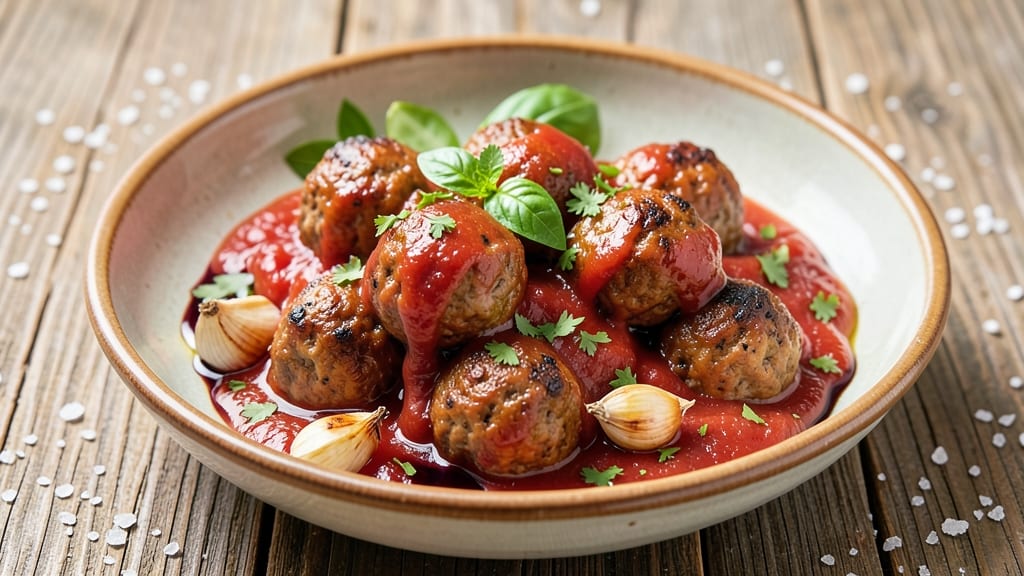
This authentic meatball sauce recipe delivers the deep, savory richness that makes Italian-American comfort food unforgettable. The secret lies in a slow-simmered tomato base infused with garlic, fresh herbs, and a touch of grated parmesan that develops layers of umami over time—no shortcuts, just traditional technique.
What sets this sauce apart is the balance: bright acidity from tomatoes, earthy depth from herbs, and a subtle cheesy note that disappears into the sauce while adding complexity.
The foundation begins with high-quality canned tomatoes (or fresh if you prefer), simmered until their natural sweetness caramelizes and their acidity mellows into a velvety texture.
A splash of red wine and a bay leaf elevate the sauce beyond basic marinara, while a sprinkle of grated parmesan—added mid-cook—infuses the sauce with nutty, salty depth without overpowering it. The result?
A sauce that clings to meatballs like a second skin, with just enough body to hold its shape when spooned over pasta or bread.
What you’ll end up with is a sauce that tastes like it’s been simmering all day—even if you only give it an hour. The aroma alone will transform your kitchen into an Italian trattoria, and the flavor?
That’s where the magic happens: rich enough to stand alone, but versatile enough to pair with meatballs, pasta, or even as a pizza topping. The key is patience; letting the sauce reduce slowly allows the flavors to meld into something truly special.
This isn’t just a sauce—it’s the heart of the meal. Whether you’re serving it with homemade meatballs or using it as a base for lasagna, the umami-rich tomato foundation ensures every bite is packed with authentic Italian flavor. Ready to make it? Let’s get to the stove.
Ingredients for authentic meatball sauce
Twelve ingredients for a sauce that tastes like it's been simmering all day.
| Ingredient | Amount | Notes |
|---|---|---|
| San Marzano Crushed Tomatoes 🍅 | 2 cans | 28 oz can each, no salt added |
| Extra-Virgin Olive Oil 🫒 | ½ cup | High quality, fruity variety |
| Garlic Cloves 🧄 | 6 cloves | Freshly minced, not pre-minced |
| Red Wine 🍷 | ½ cup | Bold dry red like Cabernet |
| Fresh Basil Leaves 🌿 | ½ cup | Packed, stems removed |
| Fresh Parsley Leaves 🌿 | ¼ cup | Flat-leaf preferred |
| Parmesan Cheese 🧀 | ¼ cup | Freshly grated from block |
| Bay Leaves 🌿 | 2 whole | Fresh if possible |
| Dried Oregano 🍃 | 1 tsp | Italian or Mediterranean blend |
| Salt 🧂 | 1 ½ tsp | Diamond Crystal preferred |
| Black Peppercorns 🌶️ | ½ tsp | Freshly cracked |
| Red Pepper Flakes 🌶️ | ½ tsp | Adjust for heat preference |
The tomatoes are non-negotiable here—San Marzano is the gold standard, but any high-quality canned tomatoes will do. Trader Joe's and Whole Foods carry good options, but check the label for 'no salt added' to control seasoning. Fresh basil and parsley are ideal, but dried oregano works in a pinch (use half the amount). The Parmesan? Grate it yourself—pre-grated gets clumpy and lacks flavor. For the red wine, any bold dry red works—Cabernet, Merlot, or whatever's open in your fridge. Don't skimp on the olive oil either; California extra-virgin adds the best fruity depth.
No San Marzano? Crush whole Roma tomatoes instead—just peel, seed, and crush them by hand. Fresh herbs wilt fast, so if you're not using them all, freeze extras in ice cube trays with olive oil. The wine can be swapped for beef broth plus a splash of balsamic if you're avoiding alcohol. For extra richness, add 1 tbsp tomato paste to the pot mid-cook. The bay leaves? Remove them before serving—they're for flavor, not eating. And if you're sensitive to heat, cut the red pepper flakes to a quarter teaspoon or skip them entirely.
This sauce tastes even better the next day—make extra if you can. Store it in the fridge for up to 5 days or freeze for 3 months. I like to portion it into glass jars so it's ready to reheat for quick meals. To freeze, cool completely first, then seal tightly. When reheating, add a splash of water or broth to loosen it up—it thickens as it cools. The Parmesan adds that secret umami boost, but don't worry if you forget it; the sauce will still be delicious.
Why You'll Love This Recipe
- Here’s what sold me: that splash of red wine cuts through the acidity of the tomatoes and adds a layer of complexity most store-bought sauces can’t touch. The garlic sizzles in the olive oil until it’s just golden—not raw, not burnt—giving it that real Italian restaurant aroma. (Yes, even on a Tuesday night.)
- One-Pot Magic: I swear by this sauce—just toss everything into one pot, stir, and let it simmer while you handle the meatballs. No fancy techniques, no last-minute shopping runs for obscure herbs. The San Marzano tomatoes do all the heavy lifting, and you’re left with a rich, velvety base that tastes like it simmered for hours (even if it didn’t).
- Wine-Infused Depth: Here’s what sold me: that splash of red wine cuts through the acidity of the tomatoes and adds a layer of complexity most store-bought sauces can’t touch. The garlic sizzles in the olive oil until it’s just golden—not raw, not burnt—giving it that real Italian restaurant aroma. (Yes, even on a Tuesday night.)
- Leftovers That Shine: This sauce actually improves the next day. I’ll be real: my first batch was a little thin, so I let it reduce overnight, and by dinner the second time? Thicker, more concentrated, and somehow even better. Freeze half for lazy Mondays—just reheat and serve with store-bought meatballs if you’re in a pinch.
Step-by-step instructions for authentic meatball sauce
Here's how to build a rich, umami-packed sauce that captures Italian tradition.
🍳 Step 1: Bloom the Aromatics in Olive Oil
Heat the 0.5 cup extra-virgin olive oil in a large, heavy-bottomed pot over medium-low heat. Add the 6 freshly minced garlic cloves and the 2 whole bay leaves. Let them cook gently for 3-4 minutes until the garlic turns golden and fragrant—this prevents burning while building deep flavor. The oil should shimmer but not smoke, so adjust the heat if needed.
Here's the thing—don't rush this step. The garlic should sizzle softly, releasing its sweet aroma without turning bitter. If you smell burning, you've gone too far. This is where the sauce's authentic character begins.
🍷 Step 2: Deglaze with Red Wine
Pour in the 0.5 cup red wine and stir immediately to scrape up any browned bits from the bottom of the pot. Let the wine simmer for 3-4 minutes until it reduces by about half and the alcohol smell dissipates completely. You'll see the sauce thicken slightly and develop a glossy sheen.
This deglazing step captures all those flavorful fond particles that would otherwise stick to your pan. The wine's acidity also cuts through the richness of the olive oil, creating balance. If you taste it now, you'll notice the wine's depth—this is the foundation of your sauce's complexity.
🍅 Step 3: Build the Tomato Base
Add the 2 cans San Marzano crushed tomatoes, 1.5 teaspoons salt, 0.5 teaspoon freshly cracked black peppercorns, and 0.5 teaspoon red pepper flakes. Stir well to combine, then bring the mixture to a gentle simmer over medium heat. Let it cook uncovered for 20-25 minutes, stirring occasionally, until the sauce thickens slightly and the raw tomato taste disappears.
This is where the magic happens—the tomatoes break down and concentrate, developing a deep, sweet flavor. You'll see the sauce reduce and coat the back of a spoon. The San Marzano tomatoes are key here; their natural sweetness and low acidity create the perfect balance. Don't skip the salt—it enhances all the flavors in the sauce.
🌿 Step 4: Add Herbs and Parmesan
Remove the 2 bay leaves and stir in the 0.5 cup fresh basil leaves, 0.25 cup fresh parsley leaves, and 0.25 cup freshly grated Parmesan cheese. Add the 1 teaspoon dried oregano and simmer for another 5-7 minutes. The sauce should be thick enough to coat the back of a spoon but still be smooth and glossy.
The Parmesan is the secret weapon here—it adds a subtle umami depth that you won't taste directly but will notice in the overall richness of the sauce. The fresh herbs brighten everything up, cutting through the sauce's richness. Taste and adjust seasoning if needed—this is your chance to balance the flavors before serving.
⏰ Step 5: Rest and Serve
Remove the sauce from heat and let it rest for 10-15 minutes. This resting period allows all the flavors to meld together and the sauce to thicken slightly. The sauce should be smooth, glossy, and perfectly balanced—sweet from the tomatoes, rich from the Parmesan, and bright from the herbs.
This sauce is now ready to serve over your favorite pasta or with meatballs. The resting time is crucial—it lets the sauce develop its full character. If you're making it ahead, let it cool completely, then store it in the refrigerator for up to 3 days or freeze for up to 3 months. The flavors will only deepen over time.
Pro Tips For Making Authentic Meatball Sauce
- Sweat Garlic Slowly: I learned this the hard way—burning garlic ruins the sauce. Use a low, steady heat with a splash of olive oil, then add the minced cloves. Let them cook for 3-4 minutes until just golden, not brown. That subtle aroma is what makes the sauce sing.
- Deglaze with Wine: After browning meatballs, don’t skip the red wine splash. Let it simmer for 2-3 minutes until it’s almost gone—this pulls up all the browned bits (fond) that add depth. Skip this, and you’re missing half the flavor.
- Crush Tomatoes by Hand: San Marzano cans are great, but crushing them with your fingers removes excess water. Dump the tomatoes into a bowl, break them up roughly, then press out the liquid through a strainer. The sauce thickens faster and tastes brighter.
- Add Basil Late: Tossing in fresh basil too early turns it bitter. Wait until the very end—right after the sauce simmers for 15 minutes. A handful of torn leaves at the last second keeps it vibrant and fragrant. (Yes, even if you’re impatient like me.)
Pro cooking tips for this dish
Tomato Selection Matters
Never compromise on tomatoes for this sauce. San Marzano is my go-to because its thick flesh and low acidity create a silky texture with natural sweetness. If you can't find them, Whole Foods' Italian-style crushed tomatoes are a solid backup.
The key is avoiding tomatoes with added salt or preservatives—they'll throw off your sauce's balance. I've ruined sauces before by using cheap canned tomatoes, so trust me when I say this is where flavor starts. 🍅
Low-and-Slow Simmering
This sauce needs time to develop its deep flavor profile. After adding the tomatoes, maintain a gentle simmer at 180-190°F—never a rolling boil. I use a stainless steel pot because it distributes heat evenly and prevents scorching.
If your sauce starts sticking, add 1-2 tablespoons of water or broth and scrape the bottom with a wooden spoon. The goal is to reduce the sauce by about 30% while letting the flavors meld. 🌡️
Parmesan Timing Trick
The secret to that hidden umami depth? Add the grated Parmesan during the final 5-7 minutes of cooking, not at the beginning. This allows the cheese to melt into the sauce rather than clump or separate.
For extra richness, I sometimes add 1 tablespoon of tomato paste along with the Parmesan—it thickens the sauce and adds another layer of savory flavor. Just be sure to stir constantly to prevent burning. 🧀
Herb Freshness Check
Fresh herbs make all the difference in this sauce. If your basil or parsley looks wilted, give it a quick rinse and pat dry before using. For maximum flavor, I pulse the herbs briefly in a food processor before adding them to the sauce—this releases their essential oils.
A pro trick: If you're prepping ahead, store fresh herbs in the fridge wrapped in a damp paper towel inside a plastic bag. This keeps them vibrant for up to 5 days. 🌿
Deglaze Like a Pro
When you deglaze with the red wine, don't just pour it in—use a spoon to scrape up those flavorful browned bits from the bottom of the pot. These "fond" particles contain caramelized sugars that add depth to your sauce.
Let the wine reduce by about half before adding the tomatoes. I like to use a bold Cabernet Sauvignon because its tannins stand up to the acidity of the tomatoes. 🍷
Resting Period
Never skip the 10-15 minute resting time after cooking. This allows the sauce to thicken slightly and for all the flavors to fully integrate.
During this time, I like to taste the sauce and adjust seasoning if needed—sometimes it needs a pinch more salt or a splash of red wine to balance the flavors. The resting period also lets the sauce cool slightly, making it easier to portion and store.
Patience here makes all the difference. ⏰
Nutrition facts
Frequently asked questions
Can I substitute wine in this meatball sauce?
Yes! For a non-alcoholic version, use 0.5 cup beef broth plus 1 tablespoon balsamic vinegar. If you prefer a different wine, choose a bold dry red like Merlot—it adds depth without overpowering. The key is letting it reduce by half to concentrate the flavor.
Why does my sauce taste too acidic?
This usually happens if you used high-acid tomatoes or didn't simmer long enough. Balance it by adding 1 teaspoon sugar or 1 tablespoon tomato paste and simmering for another 5-10 minutes. A splash of red wine can also help mellow the acidity. The sauce should taste bright but not sharp.
How do I make this sauce thicker?
Simmer uncovered for 10-15 extra minutes to reduce it naturally. For instant thickening, mix 1 tablespoon cornstarch with 2 tablespoons cold water, stir into the sauce, and simmer for 2-3 minutes until it reaches your desired consistency. Avoid over-thickening—it should still coat the back of a spoon smoothly.
Can I make this sauce in a slow cooker? Follow the same steps but transfer everything to your slow cooker after the wine deglazing step. Cook on low for 4-5 hours or high for 2-3 hours, stirring occasionally. The slow cooker's gentle heat enhances the flavors even more. Just
What's the best way to store leftover sauce?
Let it cool completely, then store in an airtight container in the fridge for up to 5 days or freeze for 3 months. For reheating, warm gently on the stove with a splash of water or broth—it thickens as it cools. The flavors actually improve overnight!