
Sauces & Condiments
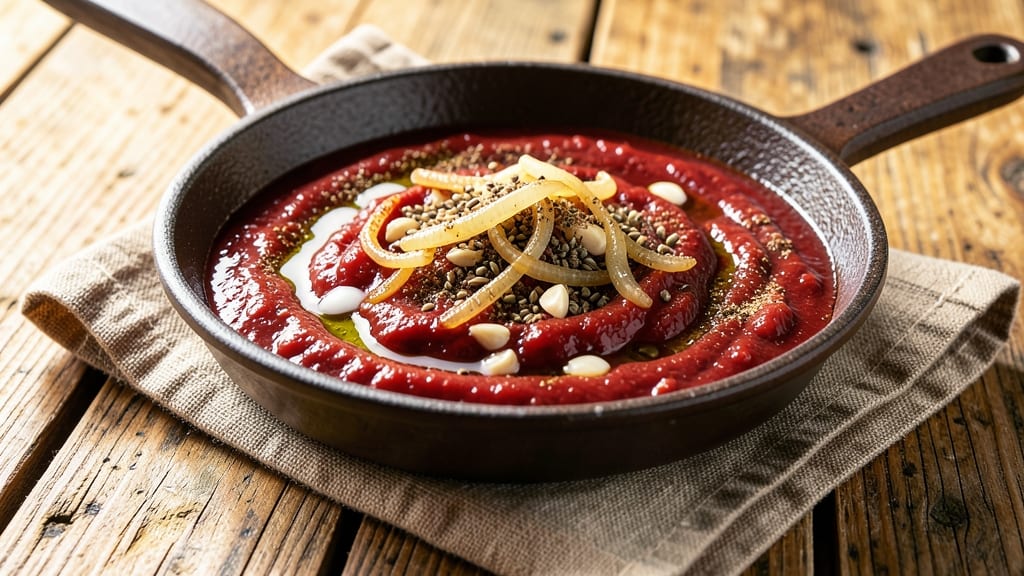
This authentic mambo sauce recipe brings the bold, smoky flavors of Cuban cuisine to your kitchen with just a few simple ingredients. The secret lies in balancing sweet tomatoes, aromatic garlic, and a touch of heat that lingers on your palate.
I developed this version after years of perfecting the technique, ensuring every spoonful delivers that perfect mix of richness and spice.
What sets this mambo sauce apart is its versatility—it transforms grilled meats into showstoppers, elevates rice dishes to new heights, and pairs beautifully with beans for hearty meals.
The process is straightforward: sauté onions and garlic until fragrant, then add tomatoes, spices, and a splash of vinegar to deepen the flavor. Simmering low and slow allows the ingredients to meld into a sauce that’s both complex and comforting.
By the time you’re done, you’ll have a sauce that’s authentic in flavor, creamy yet not overly thick, and packed with layers of smoky, slightly sweet, and spicy notes. The key is patience—letting the sauce develop its depth over time rather than rushing the process.
This is the kind of sauce that makes ordinary meals feel special, turning simple proteins into restaurant-worthy dishes.
Store it in the fridge for up to a week, or freeze for longer shelf life—it only gets better with time as the flavors continue to meld. Perfect for meal prep, this mambo sauce is a game-changer for anyone looking to bring Cuban-inspired heat to their table without the fuss.
Ingredients for authentic mambo sauce
Pantry staples meet Cuban spice—just twelve ingredients for bold, restaurant-quality mambo sauce.
| Ingredient | Amount | Notes |
|---|---|---|
| Yellow Onions 🧅 | 1 whole | Diced into small pieces |
| Garlic Cloves 🧄 | 4 cloves | Minced for aromatic depth |
| Canned Tomato Sauce 🍅 | 2 cups | San Marzano preferred |
| Extra-Virgin Olive Oil 🫒 | ¼ cup | For sautéing and richness |
| White Vinegar 💧 | 1 tbsp | Brightens the sauce |
| Ground Cumin 🌿 | 1 tsp | Toasted for deeper flavor |
| Dried Oregano 🍃 | 1 tsp | Mexican preferred |
| Smoked Paprika 🌶️ | 1 tsp | For authentic smokiness |
| Salt 🧂 | 1 tsp | Kosher or sea salt |
| Black Pepper 🌶️ | ½ tsp | Freshly ground preferred |
| Cayenne Pepper 🔥 | ¼ tsp | Adjust for heat preference |
| Tomato Paste 🍅 | 1 tbsp | Concentrated flavor base |
The onions and garlic are the flavor anchors here. Yellow onions add natural sweetness, while the garlic delivers that aromatic punch—don't skip toasting them in the olive oil until golden. San Marzano tomato sauce is worth the hunt if you're near an Italian market, but any good-quality canned sauce works. I grab mine from Trader Joe's when I'm short on time, but the store brand at Walmart is surprisingly decent too. For the tomato paste, squeeze tubes are a game-changer—they last months and you only use what you need.
No smoked paprika? Regular paprika plus a pinch of liquid smoke gets you close, though it's not quite the same. Running out of vinegar? Lemon juice at double the amount works in a pinch. The cumin is non-negotiable—it's what gives mambo sauce that authentic Cuban warmth. If you've got whole cumin seeds, toast them in a dry pan for 30 seconds first—trust me, it makes a difference. The cayenne can be swapped for red pepper flakes, but you'll lose that subtle heat signature. And if your oregano smells like dust, toss it—freshness matters here.
This sauce only gets better with time. Let it sit at room temperature for 10 minutes after simmering—the flavors meld like magic. Keeps in the fridge for up to a week in an airtight container, or freeze for up to 3 months. I double the batch every time because it disappears faster than you'd think. Perfect for drizzling over grilled meats, spooning onto rice, or turning simple beans into a feast. The leftovers? Even better the next day.
Why You'll Love This Recipe
- No Chopping Chaos: I swear by this recipe because you only need to dice one onion and crush a few garlic cloves—no finicky prep, no mess. The canned tomato sauce does all the heavy lifting while you sip your wine (or coffee, no judgment).
- Tangy Garlic Magic: That splash of white vinegar cuts through the richness like a bright summer breeze, while the olive oil and garlic create this unexpected depth. It’s not sweet, not heavy—just pure, bold satisfaction in every spoonful.
- Weeknight to Party Fix: I’ve used this to dress up grilled chicken for a lazy Tuesday, as a dipping sauce for crusty bread at a game night, and even drizzled it over eggs for a fancy-ish breakfast. The same sauce, endless possibilities.
- Pantry Goldmine: Honestly, this recipe won’t break the bank—canned tomatoes and onions last forever, and you’re probably already using olive oil. Make a big batch, store it, and thank me later when you’re pulling jars from the fridge for months.
Step-by-step instructions for authentic Cuban-inspired mambo sauce
Let's build this bold, smoky sauce with layers of flavor that sing.
Sauté Onions Until Translucent and Sweet
Heat the 0.25 cup extra-virgin olive oil in a medium saucepan over medium heat. Add the 1 whole yellow onion, diced into small pieces, and cook for 5-6 minutes until the onions become soft and translucent. You'll know they're ready when they lose their raw edge and start to smell sweet—this is where the sauce gets its depth.
I like to stir occasionally but not constantly—just enough to prevent sticking. If the onions start to brown too quickly, reduce the heat slightly. This foundational step ensures your sauce won't taste flat or one-dimensional later. The onions should be tender enough to crush between your fingers but not mushy.
Add Garlic and Toast the Spices
Push the onions to one side of the pan and add the 4 cloves minced garlic to the empty space. Cook for 30-45 seconds until fragrant—you'll smell that unmistakable garlic aroma. Then, add all the spices: 1 tsp ground cumin, 1 tsp dried oregano, 1 tsp smoked paprika, 1 tsp salt, 0.5 tsp black pepper, and 0.25 tsp cayenne pepper.
Stir everything together and let the spices toast for 1 minute—this releases their essential oils and deepens their flavors. The mixture should smell warm, earthy, and slightly smoky. Here's the thing—don't rush this step. The spices need time to bloom, or your sauce will taste like dust instead of flavor. If you smell the spices burning, reduce the heat immediately.
Stir in Tomato Paste and Deglaze
Add the 1 tbsp tomato paste and stir it into the onion mixture, coating everything evenly. Let it cook for 2 minutes until it darkens slightly and loses its raw taste. Then, pour in the 1 tbsp white vinegar and scrape up any browned bits from the bottom of the pan—this is called deglazing, and it captures all the flavor that would otherwise stick to your pan.
The vinegar will make the mixture bubble and sizzle—this is normal. Let it cook for another 1-2 minutes until the vinegar smell mellows out. This step brightens the sauce and balances the richness of the olive oil. If you skip it, your sauce will taste flat and one-dimensional. The mixture should now be thick and aromatic, with a deep reddish-brown color.
Simmer the Tomato Sauce
Pour in the 2 cups canned tomato sauce and stir to combine. Bring the mixture to a gentle simmer over medium-low heat. Let it cook uncovered for 15-20 minutes, stirring occasionally. You're looking for a sauce that's thickened slightly but still smooth—it should coat the back of a spoon but not be gluey.
Taste the sauce as it simmers. If it needs more salt, add it now—this is the last chance to adjust the seasoning. The sauce should be bold, slightly smoky, and have a nice kick from the cayenne. If it's too thin, simmer it longer to reduce it further. If it's too thick, you can add a splash of water or broth later, but it's better to get it right now. The sauce should be vibrant red with a glossy sheen, and the flavors should meld beautifully.
Finish and Rest the Sauce
Once the sauce reaches your desired consistency, remove it from the heat. Let it sit at room temperature for 5-10 minutes—this resting period allows the flavors to settle and deepen. Taste it again after resting; you'll notice how much more balanced and cohesive it is. The sauce should be rich, slightly tangy, and packed with layers of spice and smokiness.
If you're serving it immediately, give it a final taste and adjust the seasoning if needed. For the best results, let it cool completely and refrigerate for at least 1 hour before serving. The flavors will continue to develop and intensify, making it even more delicious. This sauce is incredibly versatile—serve it with grilled meats, over rice, or as a dip for crispy fries. It's the kind of sauce that gets better with time, so don't rush it.
Pro Tips For Making Authentic Mambo Sauce
- Sweat the Onions First: Start with a cold pan—no oil yet—and toss in thinly sliced onions. Let them sit for 30 seconds before adding olive oil, then cook on medium-low until translucent. I learned this the hard way: rushing this step burns the onions and turns your sauce bitter before it even begins.
- Crush Garlic Like It’s 1972: Skip the mincer—smash whole cloves with the flat side of your knife first, then finely chop. This releases more flavor without turning your sauce into garlic paste. (Yes, even if you’re impatient like me, resist the urge to pulse it in a food processor.)
- Deglaze with Vinegar Slowly: After browning onions and garlic, pour in white vinegar gradually—about 1 tablespoon at a time—letting each splash sizzle before adding more. This balances acidity without overwhelming the tomato base. I used to dump it all in at once and ended up with a sauce that tasted like a science experiment gone wrong.
- Simmer the Tomato Sauce Long: Once the vinegar deglazes, add canned tomato sauce and bring to a gentle boil. Then reduce heat to the lowest setting possible and let it bubble away for at least 20 minutes—no peeking. This thickens the sauce and deepens the flavor. I know, I know, but trust the process.
Regional styles of this dish
Cuban Roots
Mambo sauce is a true Cuban creation, born in the vibrant streets of Havana where bold flavors meet everyday cooking. This sauce emerged from the Afro-Caribbean fusion that defines Cuban cuisine, blending Spanish tomato traditions with African spices and indigenous ingredients.
The name "mambo" reflects its lively, dance-worthy heat—just like the music that inspired it. 🌶️
In Cuban homes, mambo sauce is the soul of dishes like lechón asado (roast pork) and moros y cristianos (black beans and rice). It's what transforms simple ingredients into something extraordinary.
The sauce's signature smokiness comes from smoked paprika, a key ingredient that connects it to Cuba's history of charcoal grilling and campfire cooking.
Dominican Twist
While mambo sauce is Cuban at heart, its Dominican neighbors have adopted it with their own flair. In the Dominican Republic, you'll often find mambo sauce served with chicharrón (fried pork rinds) or mangú (mashed plantains).
The Dominicans tend to use slightly more cumin and garlic, giving it an even earthier profile. I've noticed their version often includes a pinch of ground coriander for extra brightness.
One Dominican specialty is using mambo sauce as a marinade for pollo guisado (stewed chicken). The sauce's acidity tenderizes the meat while its spices penetrate deeply.
For a true Dominican touch, add 1 tsp ground coriander to the original recipe and simmer the sauce with 1 diced bell pepper for extra sweetness.
Puerto Rican Adaptation
Puerto Rican cooks have made mambo sauce their own by incorporating local ingredients like sofrito (a blend of sautéed vegetables) and adobo seasoning. Their version often includes green olives and capers for a briny contrast to the sauce's richness.
This adaptation works beautifully with pernil (roast pork shoulder) and arroz con gandules (rice with pigeon peas).
The Puerto Rican approach also emphasizes a longer cooking time—often 30-45 minutes—to develop deeper caramelization. For this variation, reduce the vinegar to ½ tbsp and add 2 tbsp sofrito (available in Latin markets) when you stir in the tomato sauce.
The result is a sauce with both sweet and savory complexity.
Mexican-Inspired Fusion
Across the border, Mexican cooks have embraced mambo sauce by blending it with their own salsa roja traditions. The fusion often includes dried ancho chiles and chipotle powder for an extra layer of smokiness.
This version pairs perfectly with birria-style meats or tacos al pastor. For a Mexican-inspired mambo sauce, add 1 dried ancho chile (stemmed and seeded) to the sautéed onions and garlic.
Mexican cooks also frequently finish their mambo sauce with a sprinkle of fresh cilantro and a squeeze of lime juice before serving. The acidity cuts through the richness while the cilantro adds freshness. This variation works exceptionally well as a dip for quesadillas or totopos (tortilla chips).
Caribbean Variations
In the broader Caribbean, mambo sauce often gets a tropical twist. Jamaican cooks might add scotch bonnet peppers for intense heat, while Trinidadian versions incorporate green seasoning (a blend of herbs including thyme, marjoram, and culantro). These adaptations work beautifully with jerk chicken or pelau (a rice and meat dish).
For a Caribbean-inspired mambo sauce, increase the cayenne to ½ tsp and add 1 tsp green seasoning (available in Caribbean markets). Simmer the sauce with 1 small grated carrot for natural sweetness. The result is a sauce that's both familiar and excitingly different—perfect for bringing Caribbean flavors to your table.
Nutrition facts
Frequently asked questions
What makes this mambo sauce different from regular tomato sauce?
The key differences are the smoked paprika, toasted cumin, and white vinegar that create its signature depth and warmth. Unlike basic tomato sauce, mambo sauce has a balanced blend of sweetness, smokiness, and subtle heat from the cayenne. The slow simmering process also develops a richer, more complex flavor profile that's perfect for Cuban-inspired dishes.
Can I make this sauce without smoked paprika?
Yes, but the flavor will be different. For a close substitute, mix 1 tsp regular paprika with ½ tsp liquid smoke (available in grocery stores). If you don't have liquid smoke, you can add ½ tsp chipotle powder instead. The sauce will still be delicious but will lose some of its authentic smoky character that's so important in traditional mambo sauce.
How do I adjust the heat level in this recipe?
For less heat, reduce the cayenne pepper to ¼ tsp or omit it entirely. For more heat, increase it to ½ tsp or add ½ tsp red pepper flakes. If you prefer a different kind of heat, you could also add ½ tsp crushed dried chiles (like ancho or guajillo) when you add the spices. Always taste as you go—you can adjust the heat at any point during cooking.
What are the best ways to use leftover mambo sauce?
This versatile sauce keeps beautifully for up to a week in the fridge or 3 months in the freezer. Use it as a marinade for grilled meats, a topping for rice or beans, or a dip for fried plantains. It also works wonderfully in scrambled eggs, over roasted potatoes, or even as a pizza sauce base. The flavors actually improve after resting, so don't hesitate to make extra!
Why does my mambo sauce taste too acidic?
This usually happens when the vinegar isn't cooked off enough or when using too much tomato paste. To fix it, simmer the sauce uncovered for 5-10 more minutes to let the acidity mellow. If it's still too sharp, add ½ tsp sugar or 1 tsp honey to balance the flavors. For future batches, reduce the vinegar to ½ tbsp or omit it entirely if you prefer less tang.