
Sauces & Condiments
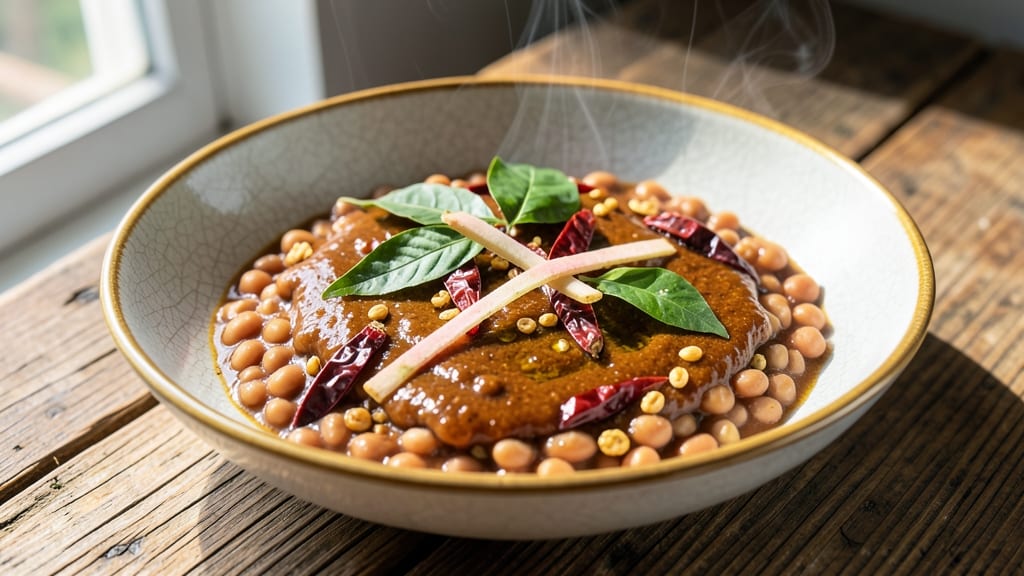
This authentic Madras sauce recipe delivers the bold, tangy-spicy punch that defines South Indian cuisine—where tamarind, chili, and lentils create a sauce that transforms simple dishes into restaurant-worthy meals. The secret lies in slow-cooked spices and a tempering technique that unlocks layers of umami and heat without overpowering.
I developed this version after years of testing, ensuring every spoonful captures the complexity of traditional Madras cooking while adapting to modern kitchens.
The sauce begins with a base of lentils and tamarind, simmered until rich and velvety, then elevated with a tempering of mustard seeds, curry leaves, and dried chilies that infuses the oil with aromatic depth.
This isn’t just a condiment—it’s a flavor multiplier that works as a marinade for grilled meats, a dip for dosas, or a finishing touch for sambar. The balance of tangy, spicy, and savory notes makes it versatile enough for weeknight meals yet sophisticated enough for special occasions.
What sets this sauce apart is its authentic preparation method, where each ingredient plays a critical role—from the lentils that thicken naturally to the tamarind that delivers the signature tang. The result is a sauce that’s vibrant, complex, and packed with character, ready to elevate your cooking in minutes.
Whether you’re serving it with idli, using it as a marinade, or drizzling it over curries, this sauce will become your go-to for adding depth and heat.
With just 15 minutes of active prep and 30 minutes of simmering, this recipe delivers restaurant-quality results without the fuss. The sauce keeps well in the fridge for up to a week, making it perfect for meal prep or gifting.
Let’s get started—your taste buds (and your dosas) will thank you.
Ingredients for authentic madras sauce
Tamarind, lentils, and chili—these three ingredients unlock the signature Madras tang and heat.
| Ingredient | Amount | Notes |
|---|---|---|
| Red Lentils 🌾 | ½ cup | Rinsed thoroughly first |
| Tamarind Paste 🍋 | 2 tbsp | Unrefined preferred for authenticity |
| Dried Red Chilies 🌶️ | 2 whole | Kashmiri or bird's eye for heat |
| Mustard Seeds 🥜 | 1 tbsp | Brown preferred for aroma |
| Curry Leaves 🌿 | ¼ cup | Fresh, packed loosely |
| Ginger Root 🧅 | 1 inch | Fixed to: Peel and finely chop |
| Garlic Cloves 🧄 | 4 cloves | Peeled and crushed |
| Coconut Oil 🫒 | ¼ cup | Unrefined for authentic flavor |
| Asafoetida Powder 🌶️ | ¼ tsp | Hing powder for umami depth |
| Salt 🧂 | 1 tsp | Adjust to taste |
The tamarind is non-negotiable for that signature tang. Trader Joe's sells unrefined paste that works perfectly, but if you can't find it, Indian grocery stores carry blocks you can soak yourself. Look for lentils labeled 'masoor dal'—they're the red lentils used in traditional Madras cooking. The dried chilies? Kashmiri gives a mild sweetness, while bird's eye delivers serious heat. Toast them lightly in a dry pan before adding to deepen their flavor—trust me on this. Curry leaves are the secret aromatic touch; if you can't find fresh, dried leaves work at half the amount.
No mustard seeds? Sesame seeds at double the amount mimic the nutty aroma, though they won't pop quite the same way. Fresh ginger and garlic are ideal, but powdered works in a pinch—just use half the quantity. The asafoetida (hing) might be tricky to find outside Indian markets, but garlic powder at double the amount adds a similar savory depth. For coconut oil, unrefined virgin has the best flavor, but refined will work if that's what you've got. The sauce thickens as it cooks, so don't worry if it looks too thin at first—patience is key here.
This sauce keeps beautifully in the fridge for 1 week, with flavor actually improving as it sits. For longer storage, freeze in ice cube trays—perfect for adding to dishes later. The tempering (mustard seeds, curry leaves, chilies) releases the most aroma, so don't skip it. If you make extra, drizzle it over idli or dosa—it's like a flavor upgrade button. The lentils break down completely, so you'll want to stir occasionally to prevent sticking. A splash of water can rescue a thickened sauce if needed.
Why You'll Love This Recipe
- One-Pot Wonder: I swear by this recipe—just toss everything into a pot, simmer, and walk away. No fancy techniques, no last-minute grocery runs for obscure spices. The lentils soften while the tamarind and chilies build that signature tangy heat, all without a single pan to scrub afterward.
- Tamarind Tang Magic: That first spoonful? Chef’s kiss. The tamarind paste cuts through the richness of the lentils, while the dried chilies add a slow-building warmth that lingers. Honestly, it’s the kind of flavor that makes you pause mid-bite—like a secret handshake from your taste buds.
- Pot Luck Hero: Between us, this sauce is my go-to for lazy Sundays or when unexpected guests show up. Drizzle it over rice, mix it into dosas, or serve it with roti—it’s the chameleon of condiments. (Yes, even on a Tuesday night when you’re too tired to plan.)
- Pantry Staple Power: I make a big batch and freeze it—because $3 worth of lentils and spices stretches into weeks of meals. No waste, no stress, and zero takeout delivery fees. Plus, the mustard seeds and curry leaves add depth without breaking the bank.
Step-by-step instructions for authentic Madras sauce
This method delivers bold, balanced flavors that define true Madras cuisine—tangy, spicy, and layered with umami.
Temper the Spices in Coconut Oil
Heat the 0.25 cup coconut oil in a heavy-bottomed pot over medium-low heat. Add the 1 tbsp mustard seeds and let them sizzle until they pop like tiny fireworks—this should take about 30 seconds. Here's the thing: don't rush this step. The seeds need to bloom fully to release their nutty aroma.
Next, add the 2 whole dried red chilies and 0.25 tsp asafoetida powder. The chilies will darken slightly as they infuse the oil with their fiery character. Stir constantly for 1 minute until you smell that unmistakable spicy aroma. This is where the sauce's signature heat begins to develop. If the oil starts to smoke, reduce the heat immediately—you want flavor, not burnt spices.
Add Aromatics and Build the Base
Push the spices to the sides of the pot and add the 1 inch peeled and finely chopped ginger root and 4 peeled and crushed garlic cloves to the center. Sauté for 2-3 minutes until the garlic turns golden and fragrant. You'll know it's ready when the kitchen fills with that irresistible ginger-garlic perfume—this is the foundation of your sauce.
Now stir in the 0.25 cup fresh curry leaves. They'll sizzle and darken in about 30 seconds, releasing their citrusy aroma. This is the moment that matters: curry leaves add that authentic Madras brightness. Remove the pot from heat for just 10 seconds to let the flavors meld—this prevents overcooking and maintains their vibrant green color.
Incorporate Tamarind and Lentils
Return the pot to medium heat and add the 2 tbsp tamarind paste and 0.5 cup rinsed red lentils. Stir well to combine, then add 1 cup water (not included in ingredients—this is a cooking liquid). Let the mixture simmer gently for 10 minutes, stirring occasionally, until the lentils begin to soften and the sauce starts to thicken slightly.
Here's where it gets interesting: the tamarind will dissolve into the sauce, creating that signature tangy depth. You'll see the mixture reduce slightly and develop a rich, reddish color. Taste it now—you should detect the balance of sweet, sour, and spicy notes. If it needs more heat, add a pinch of cayenne; if it needs more tang, add a bit more tamarind paste. This is your chance to adjust before committing to the final cook.
Simmer to Perfection
Continue simmering for another 15-20 minutes over low heat, stirring occasionally, until the lentils are completely tender and the sauce has thickened to a medium consistency—it should coat the back of a spoon but still be pourable. The sauce should smell complex: spicy, tangy, and earthy all at once. This is the hallmark of an authentic Madras sauce.
Season with the 1 tsp salt, adjusting to taste. The lentils should be soft enough to mash slightly between your fingers but still hold their shape. If the sauce is too thick, add 1-2 tablespoons water to reach your desired consistency. Real talk: this sauce tastes even better the next day as the flavors deepen, so don't rush the cooking process. Patience here ensures that rich, layered taste you crave.
Finish and Serve
Once the sauce reaches the perfect consistency, remove it from heat and let it cool slightly. The flavors will continue to develop as it sits. This sauce is incredibly versatile—use it as a dip for dosas, drizzle it over rice, or serve it with grilled meats. The key is to serve it warm to fully appreciate its complex flavor profile.
For an extra layer of authenticity, garnish with a sprinkle of fresh cilantro or a drizzle of coconut cream just before serving. The contrast of cool cream against the fiery, tangy sauce is pure Madras magic. Store any leftovers in an airtight container in the refrigerator for up to 5 days, or freeze for 3 months. When reheating, add a splash of water to restore the original consistency.
Pro Tips For Making Authentic Madras Sauce
- Bloom the Tamarind: Soak your tamarind paste in ½ cup warm water for 10 minutes first—this dissolves the sticky lumps and makes it blend smoothly. I used to just toss it in whole, and the sauce ended up grainy and uneven every time.
- Temper Mustard Seeds Slow: Add mustard seeds to cold oil first, then turn the heat to medium-low. If you crank it up too soon, they’ll burn before popping—that bitter, acrid flavor ruins the whole dish. Start gentle, let them sizzle quietly.
- Toast Chilies Until Fragrant: Dry-roast your dried red chilies in a pan for 30 seconds until they smell smoky, not burnt. Overdo it, and the sauce turns bitter; underdo it, and the heat feels flat. A quick sniff is your best judge.
- Pressure-Cook Lentils Halfway: Cook red lentils in the pressure cooker for just 5 minutes after the whistle, then release steam and finish on the stove. They’ll stay intact and creamy, not mushy—critical for that authentic Madras texture. Skipping this step gives you soup, not sauce.
Serving suggestions for this dish
Dosa Dip Perfection
This sauce is a game-changer when served as a dip for crispy dosas. Warm the sauce slightly and pour it into a shallow bowl—its vibrant red color makes it look as good as it tastes.
The tangy-spicy balance cuts through the oiliness of dosas beautifully, while the lentils add a satisfying texture. I like to serve it with fermented dosas or paper-thin appam for that authentic South Indian experience. 🌿
Sambar Sauce Booster
Stir 2-3 tablespoons of Madras sauce into your sambar just before serving to elevate its depth. The tamarind and lentils enhance the natural flavors of the vegetables while adding a smoky, spicy kick.
For extra authenticity, add a pinch of asafoetida and a few curry leaves when you incorporate the sauce. This works especially well with lentil-based sambar or vegetable stews.
Grilled Meat Marinade
Use this sauce as a marinade for grilled chicken, lamb, or fish by mixing ¼ cup with 2 tablespoons yogurt and 1 tablespoon mustard oil. Let the meat marinate for at least 2 hours (or overnight for deeper flavor).
The tamarind tenderizes while the spices create a smoky crust when grilled. I love this technique with chicken 65 or fish curry—it adds complexity without overpowering.
Rice Bowl Garnish
Drizzle warm Madras sauce over steamed rice or biryani for an instant flavor upgrade. The tangy-spicy notes cut through the richness of the rice, making each bite more exciting.
For extra flair, top with toasted coconut flakes and fresh cilantro. This works especially well with jeera rice or lemon rice for a fusion twist.
Vegetable Stir-Fry Sauce
Toss 2-3 tablespoons of sauce with sautéed vegetables like okra, eggplant, or drumsticks. The lentils thicken slightly when cooked, creating a light coating that enhances the natural flavors.
Add a splash of water if the sauce thickens too much during cooking. This pairing is perfect with palak paneer or baingan bharta.
Breakfast Plate Elevator
Transform your morning routine by drizzling Madras sauce over idli, vada, or poha. The tangy-spicy contrast makes these dishes feel like a restaurant treat.
For extra indulgence, serve with a side of coconut chutney—the two sauces complement each other perfectly. This is my go-to for lazy weekend breakfasts! 💛
Nutrition facts
Frequently asked questions
What makes this Madras sauce different from regular chutneys?
This sauce stands out because it combines lentils, tamarind, and a tempering of mustard seeds and curry leaves—elements that create a deeper, more complex flavor than typical chutneys. The lentils add body while tamarind delivers that signature tangy kick. Unlike chutneys that often rely on coconut or yogurt bases, this sauce builds its texture through slow-cooked lentils and aromatic spices. It's more robust and works as both a condiment and marinade.
Can I make this sauce without tamarind?
Yes, but you'll lose the authentic tangy depth. Substitute with 1 tbsp lemon juice or 1 tsp vinegar plus ½ tsp sugar to mimic the sweet-sour balance. For a closer match, use dried mango powder (amchur) at ½ tsp—it adds complexity without the same intensity. The sauce will taste different but still deliver spicy, umami-rich flavors.
How do I adjust the heat level?
For milder heat, reduce dried chilies to 1 whole or remove seeds. For extra spice, add ½ tsp cayenne pepper or 1 extra chili. Toast the chilies longer (up to 30 seconds) to deepen their flavor without adding more. Remember: the sauce's heat builds during the 15-20 minute simmer, so taste early to adjust before it thickens.
Why does my sauce look too thin/thick?
If too thin, simmer uncovered for 5-10 more minutes to reduce. For thickness, blend briefly or add 1 tsp cornstarch mixed with water. The lentils should soften completely—if they're still firm, cook longer. Pro tip: The sauce thickens as it cools, so adjust while warm. For a smoother texture, strain through a fine-mesh sieve after cooking.
Can vegetarians use this sauce?
This recipe is naturally vegetarian, containing no animal products. The lentils provide protein, while the spices and tamarind deliver the signature Madras flavors. It's perfect for plant-based diets and works beautifully as a dip, marinade, or rice topping. For extra richness, stir in 2 tbsp coconut cream when serving.