
Sauces & Condiments
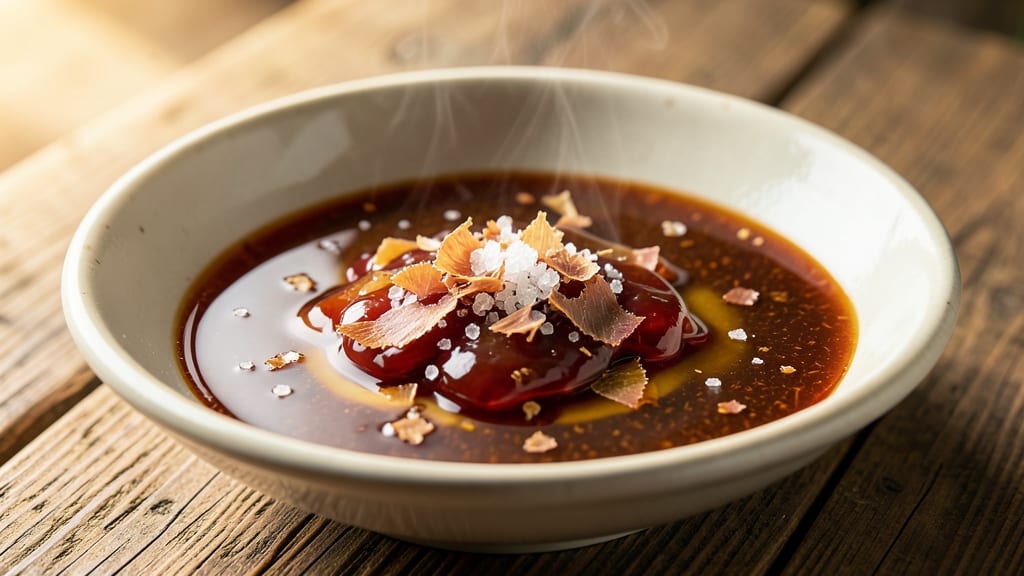
This authentic eel sauce recipe transforms simple pantry staples into a glossy, umami-rich condiment that elevates grilled eel, noodles, or sushi bowls. The secret lies in balancing soy sauce, mirin, and sugar while building depth with kombu dashi—a traditional Japanese technique that creates layers of savory complexity.
I’ve refined this recipe over years of testing, ensuring every drizzle delivers that signature glossy finish and rich, caramelized flavor.
The process is straightforward but precise: simmering the ingredients until reduced into a thick, syrupy sauce that clings beautifully to food. No shortcuts here—properly made eel sauce requires patience, as the flavors deepen during slow reduction. The result?
A sauce that’s tangy, slightly sweet, and packed with umami, with a glossy sheen that makes every dish look (and taste) restaurant-quality. Whether you’re serving it over unagi or drizzling it on rice bowls, this sauce is a game-changer.
What makes this recipe truly special is its versatility. Use it as a dipping sauce for tempura, a glaze for grilled meats, or a finishing touch for ramen.
The sauce keeps well in the fridge for up to two weeks or can be frozen for longer storage, making it perfect for meal prep. For an extra umami boost, add a pinch of bonito flakes while simmering—this small addition takes the sauce to the next level.
Ready to master this essential Japanese condiment? The ingredients are simple, but the technique ensures authenticity. Let’s get started—your taste buds (and dinner table) will thank you.
Ingredients for authentic eel sauce
Nine essential ingredients create this restaurant-quality eel sauce with perfect umami balance.
| Ingredient | Amount | Notes |
|---|---|---|
| Kombu Dashi Powder 🍜 | 1 tbsp | Instant dashi for convenience |
| Japanese Soy Sauce (Shoyu) 🥄 | ½ cup | Light or dark variety preferred |
| Mirin 🍶 | ¼ cup | Sweet rice wine, not imitation |
| Granulated Sugar 🍚 | ¼ cup | White or brown sugar works |
| Water 💧 | ½ cup | Filtered preferred for clarity |
| Bonito Flakes 🐟 | 1 tbsp | Optional for extra umami |
| Fresh Ginger 🧅 | 1 tbsp | Finely grated, aromatic |
| Sesame Oil 🫒 | 1 tbsp | Toasted sesame oil preferred |
| Cornstarch 🌾 | 1 tsp | For thickening consistency |
The Japanese soy sauce and mirin form the sauce's core, so quality matters here. Kikkoman or Hondashi brands are reliable for soy sauce, while Hirata or Kikkoman mirin delivers authentic sweetness. Kombu dashi powder (like Marukome) provides that signature umami depth without the prep work. For the sugar, coconut sugar adds subtle caramel notes if you prefer a more complex flavor. The ginger should be fresh—organic ginger from the produce section at Whole Foods or Trader Joe's works best for vibrant flavor.
No mirin? Rice vinegar plus 1 tsp sugar mimics its sweetness, though it lacks the depth. Substitute kombu dashi with 1 tsp dashi granules dissolved in water, but you'll lose some complexity. For the bonito flakes, skip them entirely if you're avoiding fish products, but they're worth the extra umami. Sesame oil can be swapped for neutral oil plus 1/2 tsp toasted sesame seeds, though the flavor will differ slightly. The cornstarch is non-negotiable for that signature glossy finish—arrowroot powder works too at the same ratio.
This sauce thickens beautifully when reduced, so simmer it uncovered for 15-20 minutes to achieve the perfect consistency. Store in an airtight jar in the fridge for up to 2 weeks, or freeze for 3 months in ice cube trays for single-use portions. The sauce will thicken further when chilled, so add a splash of water if it becomes too stiff. For restaurant-quality results, strain through a fine-mesh sieve before serving to achieve that signature glossy sheen.
Why You'll Love This Recipe
- I’ll be real: store-bought eel sauce is pricey. This version costs pennies per serving but tastes like it belongs in a high-end izakaya. Plus, the ingredients stretch across multiple meals—no wasted dollars here.
- Five-Ingredient Magic: I swear by this—just kombu powder, shoyu, mirin, sugar, and water. No chopping, no peeling, no fuss. Honestly, it’s the kind of recipe that makes me feel like I’m cheating when it tastes this good.
- Umami Bomb: That first sip? Pure depth. The kombu dashi brings this rich, oceanic base, while the mirin and sugar balance it with just the right sweet-salty punch. It’s the kind of flavor that makes you pause mid-slurp and think, “Wait, how did they do that?”
- Pantry Staple Power: Between us, this sauce is my secret weapon for lazy nights. Drizzle it over rice bowls, noodles, or even grilled fish—suddenly, everything feels fancier. And if I make a big batch? It lasts forever in the fridge, ready for whenever cravings hit.
Step-by-step instructions for authentic eel sauce
Here's how to craft a rich, umami-forward sauce that captures traditional Japanese flavors.
Prepare the Dashi Base
In a small saucepan, combine the 1 tbsp Kombu Dashi Powder with the 0.5 cup Water. Stir gently to dissolve the powder completely, ensuring no lumps remain. This instant dashi provides the foundational umami that defines authentic eel sauce. Bring the mixture to a gentle simmer over medium heat, then immediately reduce to low heat to maintain a steady, barely bubbling state.
The dashi should smell subtly oceanic and vegetal—this is your flavor anchor. If you're using bonito flakes, add them now and let them infuse for 1 minute before removing them with a slotted spoon. The flakes will add depth but should be discarded afterward to prevent bitterness. Keep the liquid at a simmer for the next steps.
Add Sweet and Savory Components
With the dashi simmering, add the 0.5 cup Japanese Soy Sauce (Shoyu), 0.25 cup Mirin, and 0.25 cup Granulated Sugar. Stir well to combine, then increase heat to medium-low and let the mixture simmer for 5-7 minutes. You'll notice the sauce gradually reduce and deepen in color—this is when the flavors begin to meld.
Here's where the magic happens: the mirin adds sweetness and complexity, while the soy sauce provides depth. The sugar helps balance the acidity and creates a glossy finish. Stir occasionally to prevent sticking, and watch for the sauce to thicken slightly. If it reduces too quickly, lower the heat further to maintain a gentle simmer.
Incorporate Aromatics and Thicken
Reduce heat to low and stir in the 1 tbsp Fresh Ginger and 1 tbsp Sesame Oil. The ginger should be finely grated—this ensures it dissolves smoothly without graininess. Let the sauce simmer for another 3-4 minutes, allowing the ginger to steep and release its bright, aromatic qualities. The sesame oil will add a nutty richness that rounds out the sauce.
In a small bowl, whisk together the 1 tsp Cornstarch with 1 tablespoon of cold water until smooth. Slowly drizzle this slurry into the simmering sauce while stirring constantly. The moment the sauce begins to thicken—typically within 1-2 minutes—remove it from heat. This step is critical for achieving that signature glossy texture without making the sauce gluey.
Rest and Adjust for Perfection
Transfer the sauce to a clean bowl and let it rest for 10 minutes at room temperature. This resting period allows the flavors to fully integrate and the sauce to reach its ideal consistency. Taste and adjust seasoning if needed—you may want to add a touch more soy sauce for saltiness or mirin for sweetness, depending on your preference.
The finished sauce should coat the back of a spoon with a velvety sheen and a balance of sweet, salty, and umami notes. If it's too thick, thin with a splash of hot water; if too thin, simmer briefly to reduce further. Store any leftovers in an airtight container in the refrigerator for up to 5 days, or freeze for longer storage. This sauce elevates everything from sushi bowls to grilled eel dishes.
Pro Tips For Making Authentic Eel Sauce
- Simmer Slow and Steady: Dissolve the kombu dashi powder first in cold water—no exceptions—then bring it to a gentle boil before adding anything else. I used to rush this, and the sauce would turn cloudy or bitter. Once boiling, drop the heat to a whisper and let it simmer uncovered for at least 15 minutes. The longer it cooks, the deeper the umami, but don’t let it boil hard or you’ll cook off the mirin’s sweetness.
- Use Real Mirin, Not Substitute: Cheap cooking wine or "mirin substitute" won’t cut it—this sauce relies on mirin’s delicate acidity and natural sugars. If you must substitute, use 1:1 rice vinegar + sugar (1 tsp sugar per tbsp vinegar), but taste as you go. My first attempt with substitute left the sauce flat and cloying. Measure mirin precisely—too much and it’s syrupy; too little and the sauce tastes harsh.
- Balance Sugar and Salt First: Add half the sugar and soy sauce upfront, then taste before finishing. The kombu dashi is salty, and mirin is sweet—adjust in stages. I learned this after making a batch that was either too sweet or too salty. If it’s off, fix it now; you can’t salvage an imbalanced sauce later. Aim for a harmony where the umami, sweet, and salty notes sing together.
- Strain Twice for Smoothness: After simmering, strain through a fine-mesh sieve twice—once to catch big bits, then again through a coffee filter or cheesecloth for a silky texture. This isn’t optional; eel sauce should be velvety, not grainy. I skipped this once and served it over rice—regrets. If you’re impatient, at least strain once, but don’t skip the second pass for restaurant-quality results.
Pro cooking tips for great authentic eel sauce
Simmer Control Secrets
Maintain a gentle simmer at all times—never a rolling boil—to prevent the sauce from breaking or developing a harsh, bitter edge. I use a medium-low heat setting and watch for tiny bubbles breaking the surface, like a barely perceptible shimmer.
If the sauce starts to bubble vigorously, lower the heat immediately or move to a cooler part of the burner. This patience is key: rushing the reduction can turn your glossy sauce into a sticky mess. 🌡️
Dashi Depth Matters
Don’t skimp on the kombu dashi powder—this is where the authentic umami magic happens. For maximum depth, I recommend Hondashi brand, which dissolves cleanly without leaving a fishy aftertaste. If using bonito flakes, add them only at the start (when making the dashi) and remove them immediately after infusion.
Over-infusing can make the sauce bitter, and you’ll taste the flakes in every bite afterward.
Ginger Grating Technique
Finely grate the fresh ginger using the smallest holes on a microplane—this ensures it dissolves completely into the sauce without creating texture. I like to zest a little extra ginger over the top of the sauce just before serving for a bright, aromatic finish.
For an extra layer of complexity, add a pinch of white pepper along with the ginger; it enhances the umami without overpowering.
Thickening Like a Pro
The cornstarch slurry is your secret weapon for that signature glossy finish. Whisk it vigorous with cold water to avoid lumps, then drizzle it into the sauce slowly while stirring constantly. If the sauce thickens too quickly, immediately remove it from heat—this prevents a gluey texture.
For a smoother sauce, strain it through a fine-mesh sieve before serving, especially if you used bonito flakes or grated ginger.
Resting for Balance
Never skip the 10-minute rest after removing the sauce from heat. This allows the flavors to meld and the sauce to thicken naturally. I often taste it during this time—you’ll notice the sweetness and umami deepen as it cools.
If the sauce separates or looks cloudy after resting, gently reheat it (without boiling) and stir until smooth. This step is non-negotiable for restaurant-quality results. ✨
Storage Hacks
Store your eel sauce in an airtight glass jar in the fridge for up to 5 days, or freeze in ice cube trays for single-use portions.
When reheating, warm it gently over low heat or in the microwave at 50% power—never boil it, or the cornstarch will break down and make the sauce watery. For a quick fix, thin with a splash of hot water if it thickens too much after chilling.
Nutrition facts
Frequently asked questions
Can I make this eel sauce without mirin?
Yes, but the flavor will be less authentic. Replace the 0.25 cup mirin with a mix of 0.2 tbsp rice vinegar and 1 tsp sugar for similar sweetness. For deeper umami, add 1 tsp fish sauce or an extra 0.5 tbsp soy sauce. The sauce will still work but may lack the delicate balance of traditional versions.
How do I fix a sauce that's too thick or too thin?
If your sauce is too thick, thin it with 1 tsp hot water at a time while stirring. For a thinner sauce, simmer uncovered for 2-3 minutes to reduce the liquid. Never add cold water directly—it can cause the cornstarch to react and create lumps. Always adjust gradually!
What's the best way to store leftover eel sauce?
Transfer to an airtight glass jar and refrigerate for up to 5 days. For longer storage, freeze in ice cube trays—each cube makes a perfect single serving. Thaw overnight in the fridge and reheat gently over low heat or at 50% microwave power. Avoid boiling to prevent texture breakdown.
Can I use this sauce on non-eel dishes?
This versatile sauce works beautifully on grilled meats, tempura, ramen, or as a dipping sauce for spring rolls. The glossy finish and umami depth complement many Asian-inspired dishes. For non-Asian meals, try it on steak or roasted vegetables—the sweet-savory balance shines everywhere!
Why did my sauce turn cloudy after resting?
Cloudiness usually means the cornstarch didn't fully dissolve or the sauce cooled too quickly. Gently reheat the sauce (without boiling) and stir until smooth. For prevention, whisk the cornstarch slurry vigorous and strain the finished sauce through a fine-mesh sieve. This ensures a crystal-clear, restaurant-quality finish.