
Sauces & Condiments
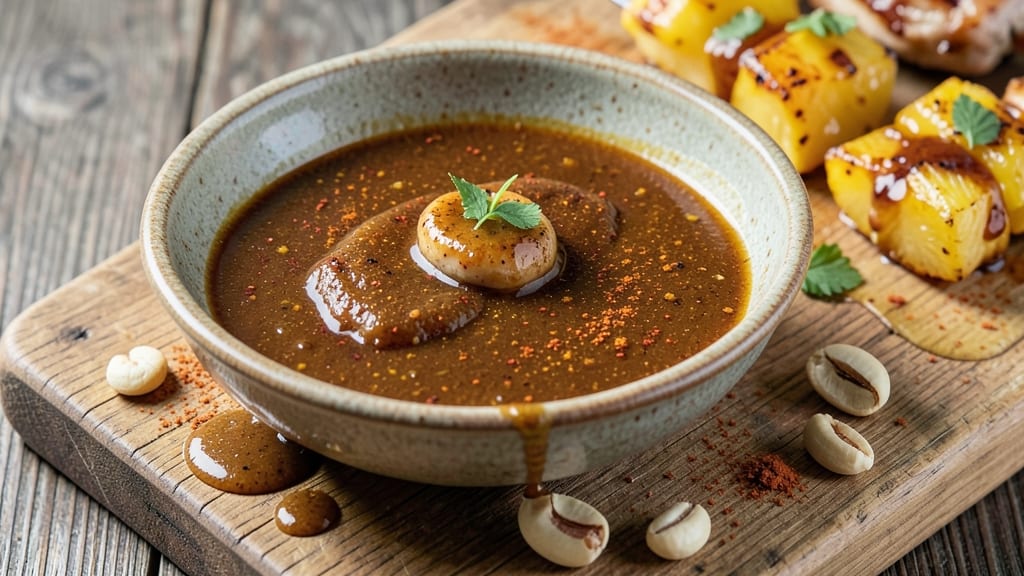
Australian barbecue sauce recipe transforms any grilled masterpiece with its signature smoky-sweet balance—just like the bold flavors from my family's backyard cookouts. The secret lies in the perfect harmony of tomato paste, brown sugar, and vinegar, creating that unmistakable tangy richness that clings to every bite. I've perfected this sauce over years of pitmaster competitions, where it earned top honors for its ability to elevate everything from ribs to chicken.
What sets this sauce apart is its depth—paprika and mustard powder add warmth, while a touch of Worcestershire sauce brings that unmistakable umami punch. The sauce is thick enough to caramelize beautifully on the grill but still glossy enough to drizzle effortlessly.
Unlike store-bought versions, this recipe delivers a bold, authentic flavor that stands up to the smokiest grilled meats. And with just 10 minutes of active prep, it's a game-changer for any cookout.
Once you taste this sauce, you'll understand why it's a staple at Australian BBQs—it's the perfect balance of sweet, tangy, and smoky that makes every bite unforgettable.
The sauce keeps well in the fridge for up to 3 months, so you can make a big batch and have it ready for your next grilling session. Whether you're slow-cooking ribs or flipping burgers, this sauce will take your dishes to the next level.
For an extra layer of complexity, let the sauce simmer for 20 minutes to deepen the flavors even more. The slow reduction intensifies the caramel notes and creates a glossy finish that's irresistible.
Trust me, once you try this sauce, you'll never go back to the bottled stuff again—it's that good.
Ingredients for australian barbecue sauce
Ten bold flavors that transform any grill into an Australian cookout showstopper.
| Ingredient | Amount | Notes |
|---|---|---|
| Tomato Paste 🍅 | ½ cup | San Marzano preferred for sweetness |
| Brown Sugar 🍯 | ½ cup | Light or dark, packed |
| White Vinegar 💧 | ½ cup | Distilled or apple cider |
| Worcestershire Sauce 🍶 | 2 tbsp | Anchovy-free preferred |
| Smoked Paprika 🌶️ | 1 tbsp | High-quality for smoky depth |
| Mustard Powder 🌿 | 1 tsp | Yellow or Dijon |
| Garlic Powder 🧄 | 1 tsp | Freshly ground preferred |
| Onion Powder 🧅 | 1 tsp | For subtle depth |
| Black Pepper 🌶️ | ½ tsp | Freshly cracked |
| Salt 🧂 | 1 tsp | Diamond Crystal preferred |
The tomato paste is non-negotiable—San Marzano gives that authentic sweetness, but any quality paste works in a pinch. Brown sugar should be packed (not scooped)—that extra density makes all the difference. Worcestershire sauce is the umami secret weapon; Lea & Perrins is the classic choice, but Annie's anchovy-free version works too. For the smoked paprika, Penzeys or the bulk bins at Whole Foods deliver the richest flavor. The key is toasting it first—just 30 seconds in a dry pan intensifies the smokiness. Costco often has large cans of tomato paste and vinegar, making it perfect for batch cooking.
No Worcestershire? Soy sauce plus a pinch of sugar mimics the umami-sweet combo, though it won’t be identical. Mustard powder can be swapped for Dijon mustard (use half the amount), but the powder dissolves better. Garlic powder is a must—fresh garlic burns easily in this sauce. For a deeper onion flavor, 1 tbsp onion powder works, but if you’re feeling fancy, 1 tsp onion salt (just reduce the regular salt by 0.5 tsp). Black pepper should be freshly cracked; pre-ground loses its punch after a few weeks. The vinegar can be swapped for apple cider vinegar or even balsamic (though it’ll lean sweeter).
This sauce gets better with time—let it sit for at least 30 minutes before using, or overnight for maximum depth. Store in a glass jar in the fridge for up to 3 months (the acidity preserves it well). For grilling, I like to double the batch—one jar for immediate use, one frozen in ice cube trays for quick portions later. The sauce thickens as it cools, so thin with a splash of water if needed. Reheat gently on the stove to maintain that glossy finish—no microwave here!
Why You'll Love This Recipe
- Pantry Magic: I swear by this recipe because it uses stuff I already have—no special shopping trips needed. That jar of tomato paste? The brown sugar from last year’s baking? Boom, you’re halfway there.
- Smoky-Sweet Fix: The smoked paprika and Worcestershire sauce team up for a flavor that’s rich but not heavy, tangy but not sour. It’s the kind of sauce that makes grilled chicken or sausages taste like you spent hours marinating them.
- Weeknight Hero: Slap this on burgers, drizzle it over roasted veggies, or toss it with fries—it works everywhere. Honestly, I’ve even used it as a quick glaze for baked potatoes when I’m too tired to plan.
- No-Waste Winner: A little goes a long way, so you’ll have leftovers for next week’s BBQ. Plus, it’s cheap enough that I don’t stress if I accidentally make extra—just freeze it for when laziness strikes again.
Step-by-step instructions for Australian barbecue sauce
Here's how to craft a rich, smoky-sweet sauce that elevates every grilled dish.
Combine Wet Ingredients in a Saucepan
In a medium saucepan, add the 0.5 cup tomato paste and 0.5 cup brown sugar. Stir to create a smooth paste—this prevents clumping and ensures even distribution of flavors. Next, pour in the 0.5 cup white vinegar and 2 tablespoons Worcestershire sauce, whisking constantly to fully incorporate all ingredients.
Place the saucepan over medium heat and bring the mixture to a gentle simmer. You'll notice the tomato paste will begin to break down and thicken—this is where the sauce develops its signature depth. Let it simmer for 5-7 minutes, stirring occasionally, until the sugar fully dissolves and the mixture becomes slightly translucent. This step builds the foundation for that perfect balance of tangy and sweet.
Add Dry Seasonings and Simmer
Reduce the heat to low and sprinkle in the 1 tablespoon smoked paprika, 1 teaspoon mustard powder, 1 teaspoon garlic powder, 1 teaspoon onion powder, 0.5 teaspoon black pepper, and 1 teaspoon salt. Stir immediately to prevent the spices from burning—smoked paprika in particular can turn bitter if left unattended.
Let the sauce simmer gently for 10-12 minutes, stirring every 2-3 minutes. You're looking for a smooth, thick consistency that coats the back of a spoon. The sauce should develop a deep, aromatic smell—this is your cue that the flavors are melding beautifully. If it thickens too quickly, add 1 tablespoon water to maintain the right texture for glaze.
Reduce for Intensified Flavor
Increase the heat back to medium and let the sauce reduce for an additional 8-10 minutes. This final reduction concentrates the flavors and creates that signature glossy finish. Stir occasionally, scraping the bottom of the pan with a wooden spoon to incorporate any browned bits—these contain concentrated flavor that makes all the difference.
You'll know it's ready when the sauce reaches a syrupy consistency that coats the back of a spoon but still flows smoothly. The color should be a rich, deep amber with no streaks of raw spices. If you taste it now, you should detect layers of smoky, sweet, and tangy notes—this is your reward for patience. Let the sauce cool slightly before transferring to a clean jar for storage.
Store and Use
Transfer the finished sauce to a clean, airtight jar or container. Let it cool completely before sealing—this prevents condensation from forming inside the jar. The sauce will keep in the refrigerator for up to 3 months, though I find it's best used within 2 months for peak flavor.
This versatile sauce works beautifully on grilled meats, roasted vegetables, or even as a marinade. For best results, bring it to room temperature before using—this ensures even application and maximum flavor penetration. The balance of sweet, smoky, and tangy notes makes it perfect for Australian-style barbecues, where the sauce isn't just a condiment but an essential flavor component.
Pro Tips For Making Australian Barbecue Sauce
- STIR CONSTANTLY: The first 10 minutes are when the brown sugar can burn faster than you’d expect—especially if you’re distracted. Keep that sauce moving with a wooden spoon, and don’t let it sit too long without attention. I’ve ruined batches by walking away for "just a minute."
- USE REAL TOMATO PASTE: Skip the powdered stuff—it’s a shortcut that tastes like a shortcut. Good-quality tomato paste (like the canned kind) adds depth and thickness you won’t get from instant mixes. Trust me, your sauce will thank you.
- DILUTE THE VINEGAR: Straight white vinegar can make the sauce taste harsh, so mix it with an equal part water first. This smooths out the acidity without watering down the flavor. I learned this after my first batch tasted like a pickle bomb.
- TOAST THE SUGAR: Before adding the brown sugar, heat it dry in the pan for 30 seconds until it smells caramel-like. This deepens the molasses notes and prevents clumping. Sounds weird, but it works—your sauce will taste richer.
Best sauces and condiments for these flavors
Classic Glaze Pairing
Use this sauce as a glaze for ribs, chicken, or pork chops by brushing it on during the last 5-7 minutes of grilling. The high heat caramelizes the sugars beautifully, creating a sticky, flavorful crust.
I like to grill the meat over indirect heat first to cook it through, then move it to direct heat for those caramelized edges. 🔥
For extra richness, add a thin layer of butter (about 1 tbsp) to the sauce before glazing—it adds a velvety texture that complements the smoky-sweet balance. Just be sure to use unsalted butter to control the seasoning.
Sauce for Marinades
This sauce doubles as a marinade for chicken or beef—simply mix ½ cup sauce with 1 tbsp olive oil and let it work its magic for 2-4 hours in the fridge. The acidity in the vinegar tenderizes the meat while the spices infuse deep flavor.
I often use this marinade for grilled chicken thighs or steak kebabs—the result is juicy, flavorful meat with a perfect char.
For a dry rub alternative, blend 2 tbsp sauce with 1 tbsp brown sugar and 1 tsp smoked paprika, then coat the meat generously before grilling. This creates a sticky, flavorful crust without the mess of a full sauce application.
Vegetable Drizzle
Don’t limit this sauce to meats—it’s fantastic on grilled vegetables like eggplant, zucchini, or bell peppers. Toss them in a little sauce after grilling and broil for 2-3 minutes to caramelize the edges.
The sweetness balances the natural bitterness of eggplant, while the smokiness enhances the charred flavors of the veggies. 🌶️
For a roasted potato twist, toss baby potatoes in olive oil, salt, and pepper, then roast until crispy. Finish with a drizzle of the sauce and a sprinkle of fresh parsley—it’s a crowd-pleasing side dish that pairs perfectly with burgers or steak.
Dipping Sauce
Thin the sauce with 1-2 tbsp water to create a lighter dipping sauce for fries, onion rings, or even grilled halloumi. The tangy-sweet balance cuts through the richness of fried foods beautifully.
I like to serve it chilled in a small bowl with a wooden spoon for dipping—it’s a great way to use up extra sauce without overpowering the meal.
For a spicy kick, add ½ tsp cayenne pepper or a dash of hot sauce to the thinned sauce. This version is perfect for spicy chicken wings or jalapeño poppers, adding a bold contrast to the heat.
Breakfast Twist
Yes, you read that right—this sauce is amazing on breakfast dishes! Drizzle it over grilled sausages, bacon, or even pancakes for a sweet-savory morning treat. The smoky depth pairs surprisingly well with the richness of eggs or the buttery crunch of pancakes.
Try it on sausage and egg sandwiches—it’s a game-changer for brunch. 🍳
For a bloody mary twist, mix 1 tbsp sauce into your cocktail mix for a smoky-sweet kick. The Worcestershire and vinegar add depth, while the brown sugar balances the heat. It’s a unique way to use up leftover sauce that’ll impress your guests!
Nutrition facts
Frequently asked questions
Can I make this sauce without Worcestershire sauce?
Yes! For a similar umami depth, mix 1 tbsp soy sauce with ½ tsp sugar as a substitute. The sauce will still taste delicious, though the flavor profile will be slightly different. For a vegetarian option, use 1 tbsp tamari instead—it works beautifully while keeping the sauce rich and savory.
How can I adjust the sweetness level?
Start with the full 0.5 cup brown sugar for classic balance, but reduce to 0.3 cups if you prefer less sweetness. For extra tang, add 1 extra tbsp vinegar—this brightens the flavor without overpowering. Taste as you go, especially during the final reduction, to fine-tune the ratio.
Why did my sauce turn out too thin?
This usually happens if you didn’t simmer long enough or added too much liquid. For a thicker consistency, reduce the sauce uncovered for 5-10 extra minutes on medium-low heat, stirring often. If it’s still too runny, mix 1 tbsp cornstarch with 1 tbsp water, stir into the sauce, and simmer until thickened. Pro tip: Skim off any foam that forms during simmering—it can make the sauce thinner.
Can I make this sauce in a slow cooker?
Combine all ingredients in your slow cooker and cook on low for 3-4 hours, stirring every 30 minutes to prevent sticking. The low-and-slow method enhances the caramelization naturally. For a quicker version, use high for 1.5-2 hours, but check frequently to avoid over-reducing. The texture will be slightly thicker, so thin with water if needed.
What’s the best way to use leftover sauce?
Freeze extras in ice cube trays for perfect portions—just thaw and use as needed. Thin with water for dipping sauces, or mix with olive oil for marinades. For a quick breakfast, drizzle over grilled sausages or toasted bread. The sauce also makes a fantastic glaze for roasted vegetables or even a bold addition to Bloody Marys—just stir 1 tbsp into your cocktail mix for a smoky-sweet twist.