
Sauces & Condiments
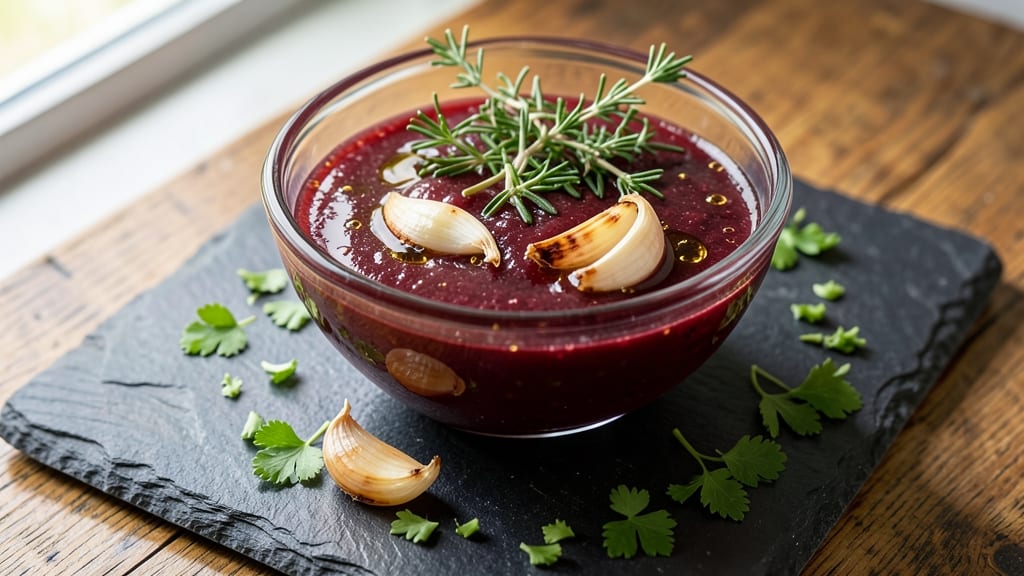
This au jus dipping sauce recipe transforms simple pan drippings into a velvety, umami-rich sauce that elevates every bite. The secret lies in reducing beef stock, wine, and aromatics into a concentrated, savory elixir that clings to roasted meats, fries, or sandwiches with restaurant-quality depth.
What starts as ordinary drippings becomes a complex, balanced sauce through careful simmering and straining—no fancy techniques required, just patience and attention to flavor.
The foundation of this sauce is a rich beef stock base, enhanced with red wine for acidity and depth, then brightened with vinegar and fresh herbs. The sauce develops its signature umami-packed richness through slow reduction, where flavors meld into a harmonious balance of savory, tangy, and slightly sweet notes.
Unlike store-bought versions, this recipe delivers a bold, authentic taste that’s impossible to replicate with bottled sauces.
By the time you’re done, you’ll have a smooth, glossy sauce that’s perfect for dipping, drizzling, or basting. It’s versatile enough for game day fries, hearty sandwiches, or as a finishing touch for roasted meats.
The best part? It comes together in under 30 minutes with just a few pantry staples, making it a foolproof addition to any meal.
Once you taste the difference, you’ll never settle for bottled again. The key is balancing the flavors—salt to enhance, sugar to round, and herbs to brighten—so every spoonful delivers that perfect harmony of pan-roasted richness. Let’s get started.
Ingredients for au jus dipping sauce
Nine ingredients transform humble pan drippings into restaurant-worthy au jus magic.
| Ingredient | Amount | Notes |
|---|---|---|
| Beef Stock 🥩 | 2 cups | High-quality, homemade preferred |
| Red Wine 🍷 | ½ cup | Bold dry red like Cabernet |
| Red Wine Vinegar 🍋 | 1 tbsp | For bright acidity |
| Fresh Thyme Leaves 🌿 | ¼ cup | Or 1 tsp dried thyme |
| Fresh Parsley Leaves 🌿 | ¼ cup | Chopped for freshness |
| Garlic Cloves 🧄 | 3 cloves | Minced for depth |
| Shallots 🧅 | 2 whole | Minced, or sub 3 tbsp onion |
| Pan Drippings 🥩 | ½ cup | From roasted meat |
| Granulated Sugar 🍚 | 1 tsp | Balances acidity |
| Kosher Salt 🧂 | 1 tsp | Diamond Crystal preferred |
| Black Peppercorns 🌶️ | ½ tsp | Freshly cracked |
The beef stock is non-negotiable—homemade or high-quality store-bought like Kitchen Basics or Pacific Foods makes all the difference. I grab mine from Whole Foods or make a big batch when roasting a whole chicken. For the red wine, any bold dry red works—Cabernet, Merlot, whatever's open. The vinegar needs to be red wine vinegar, not balsamic or apple cider. Trader Joe's sells a great one in a squeeze bottle that lasts forever. Fresh herbs? Farmers markets have the best, but grocery store bunches work too—just give them a quick rinse and dry thoroughly before chopping.
No red wine? Substitute extra beef stock with 1 tsp balsamic vinegar for depth. Fresh herbs missing? Dried thyme and parsley at half the amount will work in a pinch. Shallots? Onion or leek in the same quantity adds sweetness. The sugar is crucial—it rounds out the acidity, so don't skip it. For extra umami, add 1 tsp soy sauce or Worcestershire (check for anchovies if vegetarian). The pan drippings are the secret—save them after roasting meat and strain out any large bits before using. If you're short, add a splash more beef stock.
This sauce keeps beautifully—5 days refrigerated or 3 months frozen. For freezing, portion into ice cube trays and pop out for single servings. Reheat gently on the stove, stirring constantly to prevent scorching. The flavor actually improves after sitting overnight as everything melds. I always make extra—it disappears fast during game day or holiday meals. Store in a clean jar with a tight lid to keep flavors fresh.
Why You'll Love This Recipe
- Here’s the best part: you’re probably already using these ingredients. Beef stock? You’ve got it. Red wine? That half-bottle collecting dust? Perfect. The vinegar and herbs are cheap, too, so you’re not breaking the bank for something that tastes like a restaurant’s secret weapon. Plus, it keeps for a week—no waste, just flavor.
- No Simmering Struggle: I swear by this recipe because it’s actually hands-off—just toss everything into a pot, let it bubble for 10 minutes, then strain. That’s it. No constant stirring, no burnt bits, no stress. The red wine vinegar does the work of brightening the flavors while you’re busy doing whatever else life throws at you.
- Umami Bomb: Between the rich beef stock and the deep, tangy red wine, this sauce is ridiculously flavorful without being overpowering. The thyme and parsley add a fresh finish that makes it taste like you spent hours in the kitchen—when really, you just simmered and strained.
- Game for Any Occasion: I keep this in my fridge for everything: fries on a lazy Sunday, grilled steak nights, even as a quick marinade for chicken. It’s the kind of sauce that makes ordinary meals feel special, whether it’s a weeknight dinner or a fancy gathering. (Yes, even with store-bought chicken tenders.)
Step-by-step instructions for crafting umami-rich au jus
This sauce transforms simple pan drippings into a luxurious, restaurant-quality companion.
Build the Flavor Base with Shallots and Garlic
Heat a medium saucepan over medium heat and add the 0.5 cup pan drippings. Let them warm for 1 minute until the fat begins to shimmer slightly. Add the 2 whole shallots that you've minced into small pieces—about ¼-inch dice. Cook them for 5-6 minutes until they soften and their edges turn translucent.
This is where the magic starts. Shallots should caramelize just enough to add sweetness without burning. Stir occasionally to prevent sticking, but don't rush—patience here prevents bitterness. When they're fragrant and golden, add the 3 cloves garlic cloves that you've minced into a fine paste. Cook for another 30 seconds until the garlic becomes aromatic but never browns—burnt garlic tastes bitter and ruins everything.
Deglaze with Wine and Vinegar for Depth
Immediately pour in the 0.5 cup red wine and scrape up any browned bits from the bottom of the pan with a wooden spoon. These bits are called fond, and they're packed with concentrated flavor. Let the mixture simmer for 3-4 minutes until the wine reduces by about half and its alcohol aroma disappears.
Next, add the 1 tablespoon red wine vinegar and 1 teaspoon granulated sugar. The vinegar brightens the sauce while the sugar balances its acidity. Bring the mixture to a gentle simmer and cook for 2 minutes until the liquid reduces slightly and the flavors meld together. You'll notice the sauce becoming glossy and slightly syrupy—this is exactly what you want.
Infuse with Herbs and Seasonings
Stir in the 0.25 cup fresh thyme leaves and 0.25 cup fresh parsley leaves that you've chopped into small pieces. These herbs add freshness and complexity to the rich umami base. Add the 2 cups beef stock, 1 teaspoon kosher salt, and 0.5 teaspoon black peppercorns that you've freshly cracked. Bring the mixture to a gentle simmer over medium-low heat.
Let it simmer uncovered for 10-12 minutes until the sauce reduces by about one-third and thickens slightly. You're looking for a consistency that coats the back of a spoon but isn't gluey. The sauce should smell like a symphony of roasted meat, wine, and fresh herbs. Taste it and adjust the seasoning if needed—add more salt if it's bland, or a splash of vinegar if it's too rich.
Strain and Finish for Silky Perfection
Remove the pan from heat and let it sit for 2 minutes to allow any floating herbs to settle. Then, strain the sauce through a fine-mesh sieve into a clean bowl or sauceboat. This step ensures a silky texture without any herb bits. If you prefer a slightly textured sauce, you can skip straining, but the herbs will make it slightly coarser.
Return the strained sauce to the pan and simmer gently for another 3-4 minutes to evaporate any excess liquid and intensify the flavors. The sauce should now coat a spoon thickly but still be pourable. If it's too thick, whisk in 1-2 tablespoons of water to reach your desired consistency. Serve warm alongside your roasted meats for dipping or drizzling.
Pro Tips For Making Au Jus Dipping Sauce
- Simmer Low and Slow: Red wine and vinegar burn faster than you think—keep the heat at a gentle simmer (just bubbles, not rolling) or you’ll end up with a bitter, vinegary mess instead of a rich, balanced sauce. I learned this the hard way after ruining three batches with impatient boiling.
- Strain Twice for Smoothness: After simmering, strain the sauce through a fine-mesh sieve first, then a cheesecloth-lined strainer for that silky texture. The cheesecloth catches tiny herb bits that make the sauce taste like you slopped it together. (Yes, even if you’re in a hurry.)
- Use Vinegar Sparingly: Red wine vinegar brightens the sauce, but too much turns it into a tangy punch instead of a savory dip. Start with just 1 tablespoon—you can always add more, but you can’t undo the sharpness if you overdo it.
- Finish with Fresh Herbs: Toss in thyme and parsley after the sauce is off the heat—this keeps their bright flavors from wilting into oblivion. A quick chop and a sprinkle at the end makes all the difference, even if it feels like an afterthought.
Wine and beer pairings for au jus dipping sauce
Red Wine Pairings
This rich, umami-packed au jus pairs beautifully with bold red wines that mirror its depth. I always reach for a Cabernet Sauvignon—its dark fruit notes and tannins complement the sauce's savory complexity.
A Malbec from Argentina adds a touch of smokiness that enhances the roasted meat flavors. For something lighter, try a Pinot Noir from Oregon, which balances the sauce's richness with bright acidity. 🍷
Avoid heavy, oaky whites or overly tannic reds like Barolo—they'll clash with the sauce's delicate balance. Instead, focus on wines with medium body and fruit-forward profiles.
If you're serving this with charcuterie, a Syrah from the Northern Rhône works wonders, as its peppery notes harmonize perfectly with the thyme and garlic in the sauce.
Beer Complements
For beer lovers, a Belgian Dubbel like Westmalle's 8° offers a malty sweetness that contrasts nicely with the sauce's acidity. The caramel and spice notes in the beer enhance the umami without overpowering it.
I also love pairing this sauce with a dark ale like Guinness—its roasted barley flavors create a delightful contrast with the wine-infused sauce. 🍺
If you prefer lagers, opt for a German Dunkel or Münchner Dunkel. These beers have just enough roasted malt to complement the sauce's depth while keeping the pairing light. Avoid hoppy IPAs or overly bitter beers—they'll compete with the sauce's delicate flavors rather than enhance them.
Unexpected Pairings
Don't overlook sparkling wines like Prosecco or Cava—they cut through the sauce's richness and refresh your palate between bites. A dry Riesling from Germany also works surprisingly well, as its crisp acidity balances the umami perfectly.
For non-alcoholic options, try ginger beer or sparkling water with a splash of cranberry juice—the effervescence cleanses the palate beautifully. ✨
For a fun twist, pair this sauce with smoked gouda or aged cheddar on a charcuterie board. The cheese's sharpness contrasts with the sauce's sweetness, creating a flavor explosion. If you're serving it with fries, a Belgian witbier adds a citrusy brightness that elevates the whole dish.
Nutrition facts
Frequently asked questions
Can I make au jus without red wine?
Swap the 0.5 cup red wine for an equal amount of beef stock and add 1 teaspoon balsamic vinegar for depth. The sauce will still develop rich, savory notes—just slightly less complex. For extra umami, add 1 teaspoon soy sauce or Worcestershire sauce (check for anchovies if vegetarian).
How do I prevent the sauce from getting too thick?
If your au jus thickens too much, whisk in 1-2 tablespoons of warm water or beef stock to reach a pourable consistency. For prevention, simmer at medium-low heat and reduce only until it coats the back of a spoon. Over-reducing creates a gluey texture—better to err on the thinner side and adjust later.
Can I use chicken or turkey drippings instead of beef?
Yes, but the flavor profile will shift toward poultry. Use chicken or turkey stock instead of beef stock, and add 1 teaspoon poultry seasoning or a bay leaf for depth. The sauce will still work well for dipping fried chicken or turkey sandwiches, just with a lighter, herby taste.
Why does my au jus taste bitter?
Bitterness usually comes from overcooked garlic or herbs. Remove the pan from heat immediately if garlic browns, and strain the sauce to remove any bitter herb particles. To fix it, add 1 teaspoon sugar or a splash of vinegar to balance the flavors. Always taste as you go—adjusting early prevents strong bitterness.
What’s the best way to store leftover au jus?
Store in an airtight container in the fridge for up to 5 days. For longer storage, freeze in ice cube trays, then transfer to a bag for 3 months. Thaw in the fridge overnight and reheat gently on low heat, stirring constantly to prevent scorching. The flavor actually improves after resting!