
Sauces & Condiments
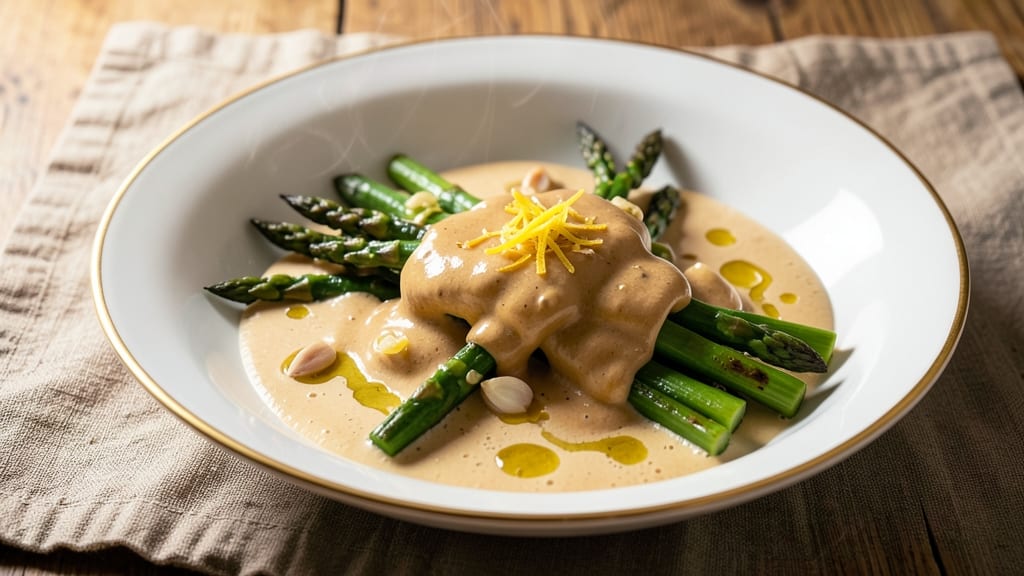
This asparagus alfredo sauce recipe transforms classic creamy Alfredo into a vibrant, herbaceous masterpiece with a secret ingredient—fresh asparagus. The result is a luxurious sauce that's rich, velvety, and packed with subtle green flavor that pairs beautifully with pasta or grilled proteins.
I developed this version after realizing how much brighter and more complex homemade Alfredo could be with just one unexpected addition.
The secret lies in blending tender asparagus into the sauce while it simmers, creating a smooth, creamy base without overpowering the dish. You'll use simple pantry staples like butter, cream, and garlic, but the asparagus elevates everything to restaurant-quality levels.
The sauce is thick enough to coat fettuccine perfectly while remaining light enough to complement vegetables or seafood.
What makes this sauce truly special is how it balances richness with freshness—the asparagus adds a delicate earthiness that cuts through the creaminess, while garlic and herbs provide aromatic depth. The texture is silky-smooth, with just enough body to cling to noodles or roasted chicken without feeling heavy.
It's the kind of sauce that makes even weeknight dinners feel like a special occasion.
This recipe works equally well over fettuccine, grilled chicken, or as a dipping sauce for crusty bread. The best part? It comes together in just 20 minutes with minimal effort, yet tastes like you spent hours perfecting it. Let's create this elevated Alfredo that's sure to become a weeknight favorite.
Ingredients for asparagus alfredo sauce
Simple ingredients that transform into a restaurant-worthy sauce with hidden green magic.
| Ingredient | Amount | Notes |
|---|---|---|
| Unsalted Butter 🧈 | ½ cup | Cold, cubed for even melting |
| Heavy Cream 🥛 | 1 ½ cups | Full-fat for maximum creaminess |
| Fresh Asparagus 🌱 | 1 lb | Tender stalks, trimmed and cut |
| Garlic Cloves 🧄 | 4 cloves | Fresh, peeled and minced |
| Shallots 🧅 | 2 whole | Minced, for subtle sweetness |
| Fresh Lemon Juice 🍋 | 1 tbsp | Brightens the sauce finish |
| Fresh Parsley 🌿 | ¼ cup | Chopped, for vibrant color |
| Fresh Chives 🌿 | 2 tbsp | Finely chopped, for delicate flavor |
| Diamond Crystal Kosher Salt 🧂 | ½ tsp | Adjust to taste, not pre-salted |
| Freshly Ground Black Pepper 🌶️ | ¼ tsp | Cracked peppercorns preferred |
The asparagus is the game-changer here—look for bright green stalks with tight tips at the grocery store. Whole Foods or your local farmers market have the freshest picks, but even the regular supermarket variety works if they're firm. Trim the woody ends first, then cut the stalks into 1-inch pieces. The secret is blending them until completely smooth while the sauce simmers, creating that velvety texture without any visible greens. Don't skip the lemon juice—it balances the richness and keeps the sauce from tasting too heavy.
No fresh asparagus? Frozen peas or spinach can work in a pinch, but the flavor won't be as delicate. Short on chives? Extra parsley at double the amount gives a similar pop of color. The butter matters—European-style unsalted has more flavor than American brands. For a lighter version, swap half the heavy cream for whole milk, but trust me on the full-fat version for that signature Alfredo richness. If you're making this ahead, the sauce thickens as it cools—just whisk in a splash of warm milk to loosen it up before reheating.
This sauce keeps beautifully in the fridge for 5-6 days—just store it in an airtight container with a thin layer of plastic wrap pressed directly on the surface to prevent a skin from forming. For longer storage, freeze portions in ice cube trays and transfer to a bag once frozen. Perfect for quick weeknight dinners or holiday entertaining. The sauce reheats beautifully—just warm gently on the stove with a splash of milk or cream to restore its silky texture. I always make extra to drizzle over grilled fish or roasted vegetables.
Why You'll Love This Recipe
- Two-Ingredient Base: I swear by this sauce because it’s basically butter and cream with asparagus—no fancy technique needed. The shallots and garlic caramelize in the butter while I chop the asparagus, and boom, you’ve got a rich, velvety sauce that’s foolproof.
- Umami Magic: That crisp-tender asparagus blended into the sauce? It adds this unexpected depth—earthy, slightly sweet, with a punch of garlic. It’s creamy but never heavy, like a hug in a bowl.
- Weeknight & Date Night: Throw it over pasta for a weeknight win, or drizzle it on grilled chicken for a fancy-ish dinner. Honestly, I’ve even used it as a dip for crusty bread when I’m too tired to cook anything else.
- Leftovers That Don’t Suck: Unlike most Alfredo, this sauce actually tastes better the next day—it thickens up just right. I make a double batch on Sundays, freeze half, and reheat it with a splash of cream. Zero waste, all flavor.
Step-by-step instructions for asparagus Alfredo sauce
This creamy garlic herb sauce transforms simple asparagus into a luxurious, velvety sauce with hidden greens.
Blanch and Prep the Asparagus
Fill a medium saucepan with 2 inches of water and bring to a rolling boil. Add the 1 pound fresh asparagus and cook for 3-4 minutes until bright green and just tender—it should still have a slight bite. Immediately drain and transfer to an ice bath to stop cooking. This preserves the vibrant color and crisp texture we want in the sauce.
While the asparagus cools, trim off the tough ends and cut the stalks into ½-inch pieces. Reserve the tips separately for garnish if desired. The blanching process softens the asparagus enough to blend smoothly into the sauce while maintaining its fresh flavor. Don't skip this step—raw asparagus will make your sauce watery and unappetizing.
Sauté Aromatics Until Fragrant
In a large skillet, melt the 0.5 cup unsalted butter over medium heat until foaming subsides. Add the 2 whole shallots and 4 cloves garlic cloves (minced), cooking for 4-5 minutes until the shallots soften and become translucent. You'll smell an intoxicating aroma—this is when the magic begins.
I like to press the shallots and garlic into the butter with a wooden spoon to help release their flavors. Watch the heat carefully—garlic burns quickly and turns bitter. Once the aromatics are golden and fragrant, remove the skillet from heat and set it aside. This step builds the flavor foundation for your sauce, so don't rush it.
Create the Creamy Alfredo Base
Return the skillet to medium-low heat and gradually whisk in the 1.5 cups heavy cream, adding it slowly to prevent curdling. Stir constantly for 5 minutes until the cream begins to thicken slightly. The sauce should coat the back of a spoon but still flow smoothly.
Add the blanched asparagus pieces and simmer for another 3 minutes, stirring occasionally. The asparagus will release its natural sweetness and blend into the sauce, creating that signature green hue. Taste and adjust seasoning with 0.5 teaspoon diamond crystal kosher salt and 0.25 teaspoon freshly ground black pepper—this is where you can really taste the difference between good and extraordinary.
Finish with Herbs and Lemon Brightness
Remove the skillet from heat and stir in the 0.25 cup fresh parsley and 2 tablespoons fresh chives, finely chopped. Add the 1 tablespoon fresh lemon juice and give it one final stir. The lemon juice brightens the rich creaminess while cutting through any potential heaviness.
For the best texture, strain the sauce through a fine-mesh sieve to remove any asparagus fibers if you prefer a completely smooth sauce. If you want to keep some texture, simply press the sauce through a food mill. The sauce should be velvety, with just enough body to cling beautifully to pasta or roasted vegetables. This is the moment where all the flavors come together—creamy, herby, and subtly sweet from the asparagus.
Serve Immediately for Peak Freshness
Keep the sauce warm over low heat while you prepare your pasta or protein. The sauce should be served immediately to maintain its silky texture and vibrant color. If you need to reheat, do so gently over low heat, stirring constantly to prevent separation.
This sauce works beautifully over fettuccine, tossed with grilled chicken, or drizzled over roasted vegetables. Garnish with additional chives and a sprinkle of parsley for a pop of color and freshness. The contrast between the creamy sauce and the bright green garnishes makes this dish visually stunning and utterly delicious. Enjoy it while warm for the best experience!
Pro Tips For Making Asparagus Alfredo Sauce
- CHAR THE ASPARAGUS FIRST: Toss trimmed asparagus in a dry pan over high heat for 2-3 minutes before adding butter—just until the tips blister and the stalks soften slightly. This jumpstarts the flavor and prevents a watery sauce later. (Yes, even if you're impatient like me, resist the urge to skip this.)
- SWEAT SHALLOTS LOW AND SLOW: Shallots need 5-6 minutes of gentle heat to caramelize without burning—cover the pan for the last 2 minutes to trap steam. Burnt shallots taste bitter, and no amount of cream can fix that. (I learned this the hard way with a charred batch that ruined an otherwise perfect sauce.)
- WHISK CREAM AND BUTTER TOGETHER: Instead of melting butter first, add cold heavy cream to the pan and whisk vigorously over medium-low heat. This creates a silkier sauce faster and prevents curdling. (Does it look weird? Yes. Does it work? Every single time.)
- SALT THE CREAM: Add a pinch of salt to the heavy cream before it hits the pan—it balances the richness and cuts through the asparagus’s earthiness. Unsalted butter alone won’t give you enough flavor here, so don’t skimp. (Your future self will thank you.)
Troubleshooting perfect results
Sauce Too Thin?
If your sauce isn't thick enough, you likely added the cream too quickly or didn't simmer long enough. I've found that reducing the sauce by 3-4 minutes on medium-low heat after adding cream works wonders.
For an instant fix, whisk in 1 tablespoon cornstarch mixed with 2 tablespoons cold water and simmer for 1-2 minutes until thickened. Remember, the sauce should coat the back of a spoon but still flow smoothly. 🌡️
Grainy Texture Issues
Uneven blending often happens when asparagus isn't cooked enough before blending. Always blanch asparagus until tender but still slightly crisp—this ensures smooth incorporation. For extra-smooth results, strain through a fine-mesh sieve after simmering.
If you prefer some texture, use a food mill instead. The key is consistency—don't rush the blending process.
Sauce Separating?
Sauce separation usually means the heat was too high when adding cream. To fix it, whisk in 1 tablespoon cold butter and 1 tablespoon cold cream while stirring vigorously over low heat.
For prevention, always add cream gradually while whisking constantly. If the sauce still separates, gently reheat it while whisking in 1 teaspoon lemon juice—this helps re-emulsify the sauce naturally. 💡
Asparagus Flavor Too Strong
Overpowering asparagus flavor happens when using too much or not blanching properly. Stick to 1 pound fresh asparagus per recipe and blanch it just until tender-crisp. For milder flavor, reduce asparagus to ½ pound and add ½ cup frozen peas instead.
The lemon juice in the recipe also helps balance any strong asparagus notes—don't skip this step!
Sauce Too Heavy?
If your sauce feels too rich, the cream content might be too high. For a lighter version, reduce heavy cream to 1 cup and add ½ cup whole milk. The lemon juice and fresh herbs will help balance the richness.
Another trick is to add 1 tablespoon Greek yogurt at the end—it adds tanginess without heaviness while maintaining creaminess. 💛
Preventing Curdling
Curdling occurs when cream is added too quickly or over high heat. Always add cream gradually while whisking vigorously. For extra insurance, temper the cream first by whisking in 1 tablespoon warm sauce before adding the rest. If curdling happens, immediately remove from heat and whisk in 1 tablespoon cold butter to restore smoothness. Patience is key—don't rush the process!
Nutrition facts
Frequently asked questions
Can I make this asparagus Alfredo sauce without fresh asparagus?
For a similar effect, use ½ cup frozen peas or ½ cup pureed spinach (thawed and drained well). The key is to blanch or cook the vegetable first to remove excess moisture, then blend it into the sauce. The texture will be slightly different but still delicious.
How do I prevent the sauce from getting lumpy when adding cream?
Always add the cream gradually while whisking constantly over medium-low heat. Temper the cream first by whisking in 1 tablespoon warm sauce before adding the rest. This gradual process prevents curdling and ensures a silky texture. For extra insurance, strain the sauce through a fine-mesh sieve afterward.
What's the best way to store leftover asparagus Alfredo sauce?
Store in an airtight container with plastic wrap pressed directly on the surface to prevent a skin from forming. It keeps well in the fridge for 5-6 days. For longer storage, freeze portions in ice cube trays and transfer to a freezer bag. Reheat gently over low heat, whisking in a splash of milk or cream to restore texture.
Can I use this sauce for dishes other than pasta?
This versatile sauce works beautifully over grilled chicken, roasted salmon, or even as a dipping sauce for crusty bread. It also pairs well with steamed vegetables like broccoli or green beans. The creamy texture and subtle asparagus flavor make it perfect for any protein or vegetable dish.
Why does my sauce taste bland after reheating?
Reheating can mute flavors, especially if the sauce sits too long. Always reheat gently over low heat while whisking constantly. Boost flavor by adding a splash of lemon juice or a pinch of salt when reheating. Fresh herbs like parsley or chives can also revive the taste. The sauce should be served warm for best results.