
Sauces & Condiments
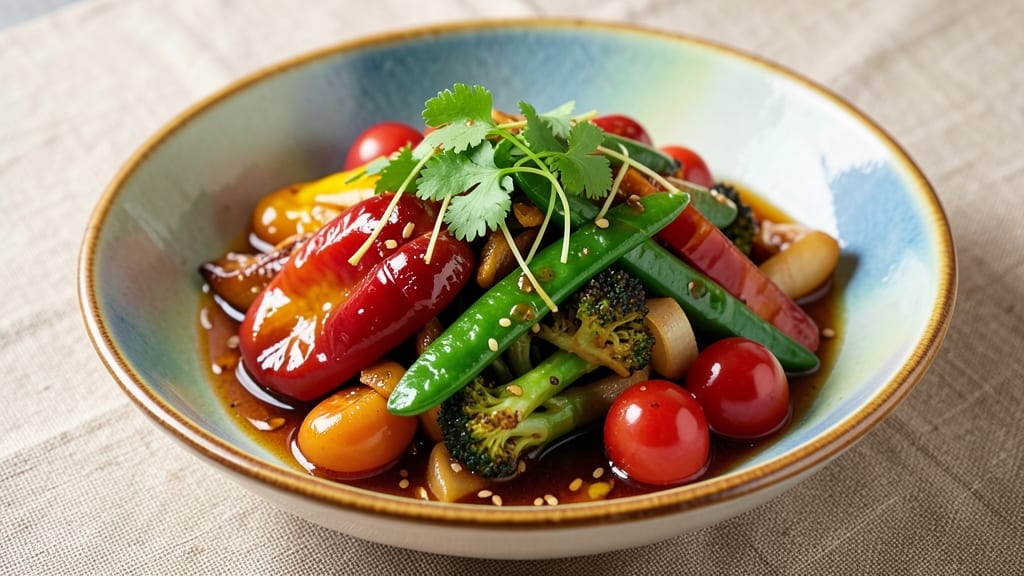
This Asian vegetable stir-fry sauce recipe transforms simple veggies into a restaurant-worthy dish with just a few pantry staples and 10 minutes of prep.
The secret lies in balancing sweet, spicy, and tangy notes through a simple blend of soy sauce, sesame oil, and a touch of garlic-ginger paste—no complicated techniques required.
I developed this sauce after years of testing stir-fry recipes, always searching for that perfect umami-packed flavor without overpowering the natural taste of vegetables.
The beauty of this sauce is its versatility—it works equally well with fresh or frozen stir-fry vegetables, and you can easily adjust the heat level to suit your preference.
A splash of rice vinegar adds brightness, while a drizzle of sesame oil at the end elevates the dish with nutty depth. The sauce keeps well in the fridge for up to a week, making it perfect for meal prep or batch cooking.
What sets this recipe apart is its ability to enhance rather than dominate. The sauce clings beautifully to crisp-tender vegetables, creating a glossy finish that's both visually appealing and packed with flavor.
Whether you're serving it over steamed rice, noodles, or as a dipping sauce, this recipe delivers restaurant-quality results with minimal effort.
For added richness, consider stirring in a spoonful of miso paste or fermented bean paste before serving—this optional step deepens the umami flavor without altering the sauce's vegetarian-friendly nature.
Store any leftovers in an airtight container in the refrigerator for up to a week, or freeze for up to three months. Let's get started!
Ingredients for asian vegetable stir fry sauce
Pantry staples that pack restaurant-worthy flavor in minutes—no fancy ingredients needed.
| Ingredient | Amount | Notes |
|---|---|---|
| Low-Sodium Soy Sauce 🥢 | ½ cup | Kikkoman preferred for depth |
| Rice Vinegar 🍶 | ¼ cup | White or seasoned variety |
| Sesame Oil 🫒 | 1 ½ tbsp | Toasted for nutty aroma |
| Garlic-Ginger Paste 🧄 | 2 tbsp | Freshly made or jarred |
| Honey 🍯 | 1 ½ tbsp | Substitute maple syrup for vegan |
| Sriracha Sauce 🌶️ | 1 ½ tbsp | Adjust for spice preference |
| Vegetable Oil 🫒 | 1 ½ tbsp | Light neutral oil preferred |
| Sesame Seeds 🌾 | 1 tsp | Toasted for garnish |
| White Pepper 🌶️ | ¼ tsp | Freshly ground for subtle heat |
| Miso Paste 🍶 | 1 tbsp | White or red miso optional |
The soy sauce is your umami base—Kikkoman has that perfect balance of salt and depth, but any low-sodium brand works. Grab the white rice vinegar from the Asian aisle (it's brighter than apple cider vinegar) and the toasted sesame oil—the nutty aroma is everything. I always keep a jar of garlic-ginger paste in the fridge because it saves so much time, but fresh is better if you're feeling ambitious. The miso paste? Trader Joe's has the best-priced white miso—just a spoonful adds insane umami without overpowering.
No sesame oil? Avocado oil at half the amount works in a pinch, but you'll miss that toasty depth. Sriracha too spicy? Swap in gochujang for heat or skip it entirely. The honey can be swapped for agave or maple syrup—just adjust to taste. If you're making this ahead, store the sauce without the sesame seeds (add them fresh when serving). The miso paste is optional but worth it—it transforms the sauce from good to 'wow' in one step.
This sauce keeps for 1 week in the fridge—I always double the batch so I have leftovers. Pour into a clean jar and seal tightly. For freezing, use ice cube trays—perfect portions for later. The flavor actually improves after a day or two as everything melds. Add a splash of water if it thickens too much when reheating. Garnish with toasted sesame seeds right before serving—that crunch makes all the difference.
Why You'll Love This Recipe
- Five-Ingredient Magic: I swear by this combo—just soy, vinegar, sesame oil, garlic-ginger paste, and honey. That’s it. No fancy pantry raids or last-minute grocery runs. The garlic-ginger paste alone cuts prep time in half, and the honey balances the tang without needing a scale.
- Umami Bomb: The low-sodium soy sauce gives it that deep, savory punch, while the sesame oil adds a nutty warmth that lingers. Honestly, the first time I tasted this, I thought, “Why haven’t I been doing this all along?” It’s the kind of flavor that makes you pause mid-bite.
- Weeknight & Meal Prep: This sauce works for stir-fries, noodles, or even as a marinade—no rules. I’ve used it on Tuesday nights for a quick veggie scramble and on Sundays for a big batch of prepped rice bowls. Between us, it’s my secret weapon for making vegetables disappear.
- Budget-Friendly Staple: Sesame oil and honey last forever, and a little soy sauce goes a long way. I make double batches because it’s cheap enough to keep on hand, and leftovers taste just as good reheated. Not the prettiest, but the taste makes up for it—every time.
Step-by-step instructions for Asian vegetable stir fry sauce
Here's how to blend sweet, spicy, and tangy flavors into a perfect stir-fry sauce every time.
Warm the Vegetable Oil and Garlic-Ginger Paste
Heat the 1.5 tablespoons vegetable oil in a small saucepan over medium heat. Once the oil shimmers, add the 2 tablespoons garlic-ginger paste and stir continuously for 1-2 minutes until fragrant. You'll know it's ready when the aroma fills your kitchen—this is where the sauce gets its deep, aromatic foundation.
Don't let the paste brown or burn; keep the heat at medium and stir constantly. If you notice the paste starting to darken too quickly, reduce the heat slightly. This step builds the flavor base that ties all the other ingredients together.
Combine Wet Ingredients for Balanced Flavor
Reduce the heat to low and carefully whisk in the 0.5 cup low-sodium soy sauce, 0.25 cup rice vinegar, and 1.5 tablespoons honey. Stir gently to combine, letting the mixture simmer for 2-3 minutes until slightly thickened. You're looking for a glossy consistency that coats the back of a spoon.
Here's the thing—adding the vinegar and honey at this stage balances the soy sauce's saltiness with bright acidity and natural sweetness. If you taste it now, you'll notice a clean, well-rounded flavor without any single ingredient overpowering. This is the moment that matters: the sauce should taste harmonious, not flat or one-dimensional.
Incorporate Umami and Spice
Next, stir in the 1 tablespoon miso paste and 1.5 tablespoons sriracha sauce. The miso adds deep umami richness while the sriracha brings that signature kick. Simmer the mixture for another 1-2 minutes, stirring constantly, until everything is fully integrated and the sauce has thickened slightly.
If you're using white miso, the sauce will have a smoother, milder flavor. Red miso adds more complexity and color. Taste as you go—this is where you can adjust the spice level by adding a pinch more sriracha if needed. The sauce should now have layers of flavor: sweet, tangy, spicy, and savory all working together.
Finish with Sesame Oil and Pepper
Remove the sauce from heat and let it cool slightly. Then, stir in the 1.5 tablespoons sesame oil and 0.25 teaspoon white pepper. The sesame oil adds a nutty aroma and richness, while the white pepper provides a subtle, warm spice without changing the sauce's color. Stir well to distribute evenly.
This is the final touch that elevates the sauce from good to exceptional. The sesame oil should be the last thing you add—its delicate flavor is easily overwhelmed by heat. Let the sauce sit for 5 minutes to allow all the flavors to meld completely before using it on your stir-fry.
Garnish and Serve
Just before serving, sprinkle the 1 teaspoon sesame seeds on top of the sauce. Toast them lightly in a dry pan for 30 seconds until fragrant, then sprinkle over the sauce. This adds a beautiful crunch and visual appeal that makes your stir-fry look restaurant-quality.
Use the sauce immediately for best results—it's designed to complement fresh, crisp vegetables and tender proteins. If you need to store it, keep it in an airtight container in the refrigerator for up to 5 days, though I promise you'll use it all up before then!
Pro Tips For Making Asian Vegetable Stir Fry Sauce
- Bloom the Garlic-Ginger: Heat that paste in a dry pan for 30 seconds before adding to the sauce—just until it fragrant but not browned. I learned this the hard way after my stir-fry sauce tasted raw and medicinal instead of warm and inviting.
- Salt the Soy Sauce: Mix your low-sodium soy sauce with ¼ teaspoon of salt (yes, even if it says "low-sodium") and let it sit for 5 minutes. The flavors meld better, and you’ll taste the depth you’re missing when you skip this step.
- Add Sesame Oil Last: Stir in the sesame oil right after turning off the heat—it burns fast and turns bitter if you leave it in too long. A splash at the end keeps that nutty aroma bright and fresh.
- Deglaze with Vinegar Early: Toss in the rice vinegar and a splash of water before the honey to help break down any stuck-on bits. This keeps your sauce smooth instead of clumpy, and the acidity balances the sweetness better.
Essential equipment for perfect results
Small Saucepan
I use a 3-quart stainless steel saucepan for this recipe—it’s the perfect size for stirring and simmering without splattering. The flat bottom ensures even heat distribution, so your sauce cooks consistently.
If you don’t have one, a non-stick skillet with sloped sides works too, but watch the heat closely to avoid scorching. 🔥
Whisk for Smoothness
A balloon whisk is my go-to for blending the wet ingredients smoothly. The flexible wires cut through the sauce, preventing clumps and ensuring a silky texture.
If you don’t have one, a fork or chopsticks will work in a pinch—just stir vigorously for 30 seconds between additions to keep things even.
Fine-Mesh Strainer
For a ultra-smooth sauce, strain it through a fine-mesh sieve or cheesecloth after simmering. This removes any miso paste grit or sesame seeds that might have fallen in during cooking. I keep a stainless steel mesh strainer in my kitchen—it’s durable and easy to clean.
Skip this step if you prefer texture, but your stir-fry will look restaurant-perfect with a flawless finish. ✨
Measuring Spoons
Precision matters with small quantities like sesame oil and white pepper. Use a set of stainless steel measuring spoons for accuracy—these ingredients make a huge difference in flavor.
I recommend OXO Good Grips for their ergonomic design and clear markings. A digital scale is even better for sesame seeds and miso paste if you’re feeling fancy.
Air-Tight Container
Store leftovers in a glass jar or airtight container with a tight-sealing lid. I prefer mason jars for their durability and stackability, but any container that seals tightly will work.
Label it with the date—this sauce keeps for 1 week in the fridge or 3 months in the freezer. Pro tip: Leave ½ inch headspace to prevent spills when freezing.
Nutrition facts
Frequently asked questions
Can I make this sauce without sesame oil?
Yes, but you'll miss that nutty depth. Use 1 tablespoon avocado oil or neutral oil instead, but reduce to 1 teaspoon since it lacks sesame's intensity. For extra flavor, add ½ teaspoon toasted sesame seeds to the sauce directly (strain later if you prefer smooth texture).
How do I adjust the heat level for sensitive palates?
Start by reducing the sriracha to 1 teaspoon or swap it for ½ teaspoon gochujang (fermented chili paste) for a milder, deeper heat. For no-spice, omit it entirely and add ½ teaspoon more honey to balance the soy sauce's saltiness. Taste as you go!
Can I use this sauce for proteins like tofu or chicken?
This sauce works perfectly with tofu, chicken, or shrimp. For tofu, marinate it for 15 minutes before stir-frying. For chicken, add 1 tablespoon cornstarch to the sauce to help it cling better. The umami balance enhances proteins beautifully—just reduce soy sauce slightly (¼ cup) if using salty ingredients.
Why did my sauce separate when I refrigerated it?
This happens when oils (like sesame) separate from water-based ingredients. Stir vigorously before using, or gently reheat over low heat while whisking. To prevent it, chill the sauce in an ice bath for 10 minutes before refrigerating. The sesame oil will thicken—just stir it back in when ready to use.
What's the best way to use leftover sauce?
Drizzle it over steamed rice bowls or noodles, use as a dip for spring rolls, or toss with quick-pickled veggies for a refreshing salad. For extra richness, stir in 1 teaspoon peanut butter** before serving—it adds creaminess that pairs perfectly with the sauce's tangy-sweet profile.