
Sauces & Condiments
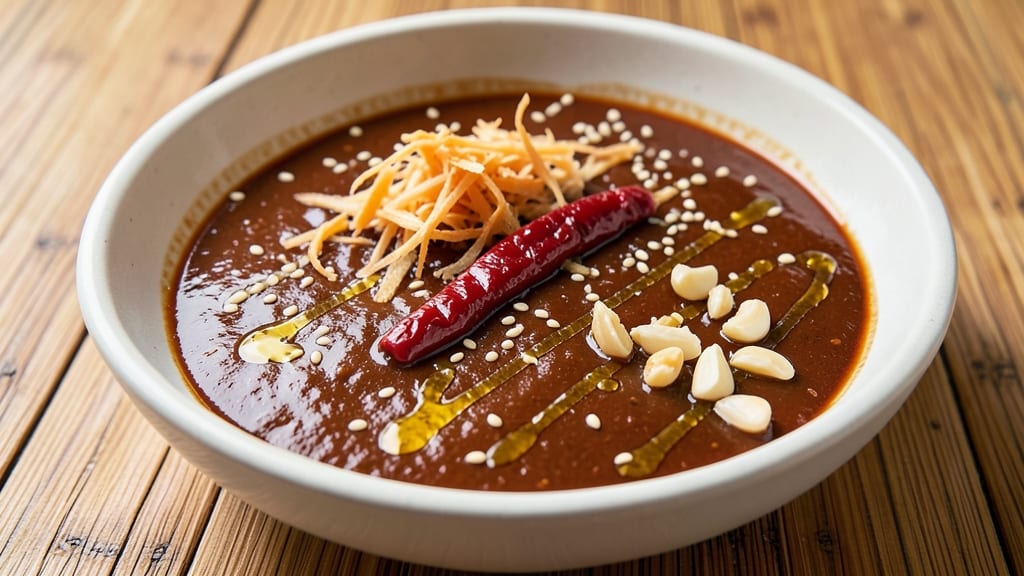
This Asian style BBQ sauce recipe transforms simple pantry staples into a complex, fermented glaze with layers of sweet-spicy depth. The secret lies in balancing soy sauce, honey, and vinegar with aromatic spices, creating a sauce that enhances everything from grilled meats to stir-fried vegetables.
Professional chefs rely on this technique to elevate dishes with restaurant-quality flavor in just 30 minutes.
The sauce begins with a simmer of soy sauce and vinegar, allowing the flavors to meld and develop depth through natural fermentation. Honey adds sweetness while garlic and ginger contribute aromatic warmth. A touch of chili paste ensures that signature Asian heat without overpowering the other flavors.
This versatile sauce works as a marinade, glaze, or dipping sauce, making it indispensable for any home cook.
What you'll end up with is a glossy, sticky sauce with a perfect balance of sweet, tangy, and spicy notes. The sauce thickens as it cools, creating an ideal consistency for brushing onto grilled meats or drizzling over stir-fried dishes.
Its rich umami flavor makes it a game-changer for weeknight dinners, transforming simple ingredients into something extraordinary.
Store any leftovers in an airtight container in the refrigerator for up to two weeks, where the flavors continue to develop and intensify. This sauce freezes beautifully, making it perfect for meal prep or gifting.
Whether you're grilling, stir-frying, or simply looking to add depth to your dishes, this Asian style BBQ sauce delivers professional results with minimal effort.
Ingredients for asian style bbq sauce
Nine essential ingredients transform into a restaurant-quality fermented glaze with balanced sweet-spicy depth.
| Ingredient | Amount | Notes |
|---|---|---|
| Soy Sauce 🥫 | ½ cup | High-quality light soy preferred |
| Rice Vinegar 🍶 | ½ cup | White or seasoned variety |
| Honey 🍯 | ¼ cup | Wildflower preferred for depth |
| Garlic Cloves 🧄 | 4 cloves | Minced for aromatic infusion |
| Fresh Ginger 🌿 | ¼ cup | Finely grated, peel removed |
| Red Chili Paste 🌶️ | 2 tbsp | Thai or Indonesian preferred |
| Sesame Oil 🫒 | 1 tbsp | Toasted for nutty aroma |
| Brown Sugar 🍚 | 2 tbsp | Packed for precise measurement |
| Ground Black Pepper 🌶️ | ½ tsp | Freshly cracked for intensity |
| Cornstarch 🌾 | 1 tsp | For thickening consistency |
The soy sauce and rice vinegar form the umami-tangy foundation. Kikkoman soy sauce delivers consistent quality, while Mushroom Brand rice vinegar adds subtle complexity. Honey selection matters—wildflower offers floral depth compared to clover. Fresh ginger and garlic should be vibrant, not woody or discolored. For chili paste, Thai Maesri or Indonesian sambal oelek provide authentic heat without overpowering. Toast sesame seeds lightly in a dry pan before grinding for enhanced aroma.
No rice vinegar? Apple cider vinegar works in a pinch, though flavor differs slightly. Substitute honey with maple syrup or agave nectar for vegan adaptations. Fresh ginger unavailable? Powdered ginger at half the amount maintains warmth. For chili paste shortages, red pepper flakes with extra sesame oil mimics the texture. Brown sugar can be swapped for white sugar plus 1 tsp molasses to preserve moisture content. The cornstarch is non-negotiable for proper thickening—arrowroot powder works identically.
This sauce develops deeper flavor when refrigerated. Store in an airtight container with a thin layer of olive oil on top to preserve freshness for up to two weeks. For long-term storage, freeze in ice cube trays for six months—perfect for meal prep. The sauce thickens as it cools, so adjust consistency with warm water if needed. Always stir before using to redistribute settled ingredients.
Why You'll Love This Recipe
- Five-Ingredient Magic: I swear by this—just soy sauce, vinegar, honey, garlic, and ginger. That’s it. No fancy pantry runs, no last-minute store trips. The sauce comes together while you’re waiting for the stove to heat up. Honestly, I’ve made it blindfolded (okay, maybe not, but still).
- Sweet-Savory Balance: The honey and vinegar play off each other like a perfect duet, while the ginger adds that warm kick. It’s not too sweet, not too tangy—just that right depth. Slather it on grilled chicken or toss it with noodles, and you’ll get why it’s my secret weapon for restaurant-quality flavor at home.
- Weeknight to Party Hero: Need sauce for takeout-style wings? Done. Hosting a potluck? Done. Even a lazy Tuesday calls for this—it’s the kind of sauce that makes everything feel special without trying too hard. Between us, I’ve used it on everything from meatballs to tofu, and no one’s ever asked what’s in it.
- Make-Ahead Money-Saver: This stuff keeps for weeks in the fridge, and a little goes a long way. I double the batch every time because it’s cheaper than buying bottles of store-bought sauce, and I never regret it. Plus, it’s the kind of pantry staple that turns a $5 chicken thigh into a meal that feels like a splurge.
Step-by-step instructions for Asian style BBQ sauce
Here's the method for crafting a balanced, fermented-forward sauce with layers of umami, heat, and sweetness.
Bloom the Aromatics in Sesame Oil
Heat a small saucepan over medium-low heat and add the 1 tablespoon sesame oil. Once the oil is shimmering but not smoking, add the 4 cloves minced garlic cloves and 0.25 cup finely grated fresh ginger. Cook for 2-3 minutes until the garlic turns golden and the ginger loses its raw bite—this prevents harsh flavors in the finished sauce.
The sesame oil carries the nutty depth while the aromatics develop their full potential. Stir frequently to prevent burning, as garlic has a narrow window between fragrant and bitter. Remove from heat immediately once the garlic begins to color, as it will continue cooking when combined with other ingredients.
Combine Wet Ingredients and Simmer
Return the pan to medium heat and add the 0.5 cup soy sauce, 0.5 cup rice vinegar, 0.25 cup honey, 2 tablespoons brown sugar, and 0.5 teaspoon ground black pepper. Stir to incorporate, then bring the mixture to a gentle simmer. Let it cook uncovered for 8-10 minutes, stirring occasionally, until the liquid reduces by about one-third and the sauce thickens slightly.
This reduction concentrates the flavors and balances the acidity of the vinegar with natural sweetness. You'll notice the sauce darkens and develops a glossy sheen—this indicates proper reduction. If the sauce starts to stick, add 1 tablespoon water to maintain even cooking.
Incorporate Chili Paste and Thicken
Reduce heat to low and stir in the 2 tablespoons red chili paste until fully dissolved. The paste will darken the sauce and introduce smoky, spicy depth. In a small bowl, whisk the 1 teaspoon cornstarch with 1 tablespoon cold water to create a slurry. Slowly pour this into the simmering sauce while stirring constantly.
Continue cooking for 2-3 minutes until the sauce reaches a smooth, velvety consistency that coats the back of a spoon. The cornstarch acts as a natural thickener without altering the sauce's complex flavor profile. Taste and adjust seasoning—add a pinch more salt if needed, or a touch of honey for extra sweetness.
Cool and Rest for Optimal Flavor
Remove the sauce from heat and let it cool to room temperature. This resting period allows the flavors to meld and the sauce to thicken further as it cools. Transfer to a clean jar and refrigerate for at least 1 hour before using—this step enhances the sauce's depth and ensures a silky texture when applied.
The cooled sauce should have a glossy finish and a balanced interplay of sweet, spicy, and umami notes. It's now ready to glaze grilled meats, drizzle over noodles, or use as a marinade. For best results, store in an airtight container in the refrigerator for up to 2 weeks, or freeze for extended use.
Pro Tips For Making Asian Style Bbq Sauce
- MINCE GINGER FINE: I learned this the hard way—chopping ginger into big chunks just makes it sit like a rock in your sauce. Use a microplane or the finest grater you own, then squeeze out the excess liquid with a spoon. Trust me, your sauce will actually blend smoothly instead of turning into a chunky mess.
- SIMMER LOW AND SLOW: This isn’t a race. After adding all your ingredients, keep the heat at a gentle simmer—just enough to see tiny bubbles breaking the surface. I used to crank it up, and the sauce would either burn or taste raw. Low heat lets the flavors meld without turning the honey into caramelized bits too fast.
- STRAIN THE GARLIC: Yes, even if you’re tempted to just chop it. After mincing, press the garlic through a fine-mesh strainer to remove any bits. Raw garlic pieces turn to mush in the sauce and leave a weird texture. Smooth sauce = happy eating.
- SWEETEN WITH HONEY LAST: Add the honey when the sauce is nearly done, not at the start. If you dump it in early, it’ll cook down too fast and make the sauce cloyingly thick. Wait until the garlic and ginger have had time to mellow out—then stir in the honey for that perfect balance of sticky and tangy.
Essential equipment for asian style bbq sauce
Small Saucepan
Start with a small saucepan—specifically, a 3-quart stainless steel pan—for precise temperature control and even heat distribution. I swear by All-Clad stainless steel for its responsiveness and durability.
A smaller pan prevents splattering when the sauce reduces, keeping your kitchen cleaner. Avoid nonstick pans—they can impart off-flavors to your sauce. 🔥
Fine-Mesh Strainer
If you prefer a smoother sauce, a fine-mesh strainer (like the OXO Good Grips) is essential for removing any lingering ginger fibers or garlic bits. I strain mine through a cheesecloth-lined sieve for an ultra-smooth texture, especially when using this sauce as a glaze.
For extra convenience, a collapsible silicone strainer works great and saves space in your drawer.
Measuring Spoons
Precision matters when balancing sweet, spicy, and umami flavors. Use stainless steel measuring spoons (I love OXO's set) for accurate measurements of your sesame oil, ground black pepper, and cornstarch slurry.
A digital scale (like the Escali Primo) is ideal for ingredients like honey and brown sugar, where volume measurements can vary. Even a slight miscalculation can throw off the sauce's harmony.
Wooden Spoon
A heat-resistant wooden spoon (I recommend Oxo's silicone-coated version) is perfect for stirring without scratching your pan. Wood also helps prevent scorching during the reduction phase.
Avoid metal spoons—they can react with acidic ingredients like rice vinegar. Keep your spoon handy while simmering to prevent sticking and ensure even cooking.
Glass Storage Jar
For storing your finished sauce, a glass jar with an airtight lid (like Ball Mason jars) is ideal—it preserves freshness and allows you to see the sauce's glossy consistency. Glass also resists odors and doesn't leach chemicals like some plastics.
Label your jar with the date to track freshness. For freezing, use silicone ice cube trays to portion out single-use servings.
Immersion Blender (Optional)
If you prefer a completely smooth sauce without straining, an immersion blender (like the Ninja Foodi) works wonders. Simply blend the cooled sauce directly in the jar for 10-15 seconds until silky.
This tool is especially helpful if you're using chunkier ingredients like grated ginger or garlic. It also saves cleanup by eliminating the need for extra bowls or strainers. ✨
Nutrition facts
Frequently asked questions
Can I make this Asian BBQ sauce without honey?
Yes! For a vegan version, substitute honey with maple syrup or agave nectar (use the same amount). If you prefer a less sweet profile, try date syrup or coconut sugar—they add depth while keeping the sauce balanced. The key is maintaining the sauce's sweet-tangy contrast, so adjust other flavors (like vinegar or chili) if needed.
How spicy will this sauce be?
The sauce has a moderate heat level from the 2 tablespoons chili paste, but you can easily adjust it. For milder flavor, reduce to 1 tablespoon or swap for 1 teaspoon red pepper flakes + 1/2 teaspoon sesame oil. For extra kick, add 1/2 teaspoon gochujang or sriracha after cooling. Always taste before using!
What meats work best with this sauce?
This sauce excels on grilled or roasted proteins like chicken, pork, or tofu. For best results, marinate meats for 30-60 minutes before cooking, or brush generously during the last 5-10 minutes of grilling. It also pairs perfectly with stir-fried vegetables, rice bowls, or as a dipping sauce for spring rolls. The fermented depth shines when caramelized!
Why does my sauce taste too vinegary?
If the vinegar overpowers, balance it by adding 1-2 teaspoons more honey or brown sugar, or a pinch of salt to enhance umami. Simmer the sauce for an extra 2-3 minutes to reduce acidity further. For a smoother flavor, strain out any large ginger fibers that might intensify the tang. Always taste as you go!
Can I make this sauce in a slow cooker?
Yes! Combine all ingredients in a small slow cooker on low heat for 2-3 hours, stirring occasionally. The low-and-slow method enhances fermentation flavors naturally. For faster results, use high heat for 1 hour. Just watch the sauce closely—it may reduce more than expected. The cornstarch slurry should be added in the last 15 minutes to avoid over-thickening.