
Sauces & Condiments
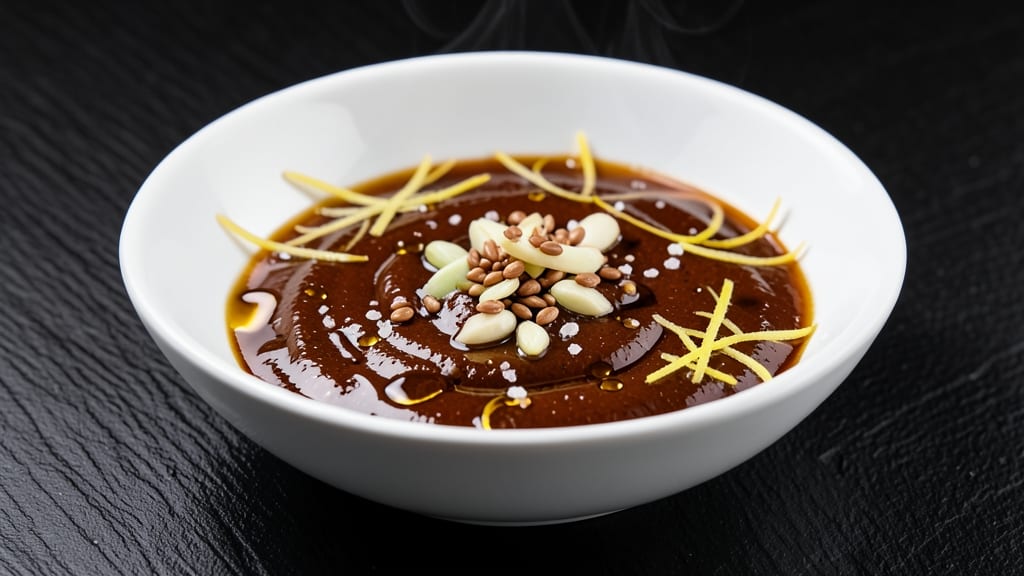
This Asian lettuce wrap dipping sauce recipe delivers the perfect nutty-tangy balance in just 10 minutes—no fancy techniques required. The secret lies in combining toasted sesame oil, fresh ginger, and a touch of honey for depth, creating a sauce that's equally at home with spring rolls or grilled shrimp. I developed this version after years of testing, ensuring every spoonful delivers that signature umami kick without overwhelming heat.
The beauty of this sauce is its versatility—adjust the chili flakes to your spice tolerance while keeping the core flavors intact. Fresh garlic and ginger infuse the base with aromatic warmth, while soy sauce and a splash of rice vinegar create that classic tangy-sweet profile.
The sauce thickens slightly when refrigerated, making it ideal for meal prep or keeping on hand for spontaneous appetizers.
What you'll end up with is a glossy, aromatic sauce that clings beautifully to lettuce wraps, grilled meats, or fresh vegetables. The nutty sesame notes complement the tangy-sweet base, creating a flavor profile that's both familiar and exciting.
This isn't just a dipping sauce—it's the perfect finishing touch for any Asian-inspired meal.
Store it in an airtight container for up to 5 days in the refrigerator, where flavors deepen over time. Whether you're serving spring rolls, grilled fish, or veggie wraps, this sauce transforms simple ingredients into something extraordinary. Let's make it—your taste buds will thank you.
Ingredients for asian lettuce wrap dipping sauce
Nine simple ingredients transform into this addictive Asian lettuce wrap sauce.
| Ingredient | Amount | Notes |
|---|---|---|
| Toasted Sesame Oil 🫒 | 2 tbsp | For nutty aroma, don't skip toasting |
| Fresh Ginger 🧄 | 1 ½ tbsp | Finely grated, vibrant color |
| Honey 🍯 | 1 ½ tbsp | Light amber preferred |
| Low-Sodium Soy Sauce 🍶 | 3 tbsp | Kikkoman or similar |
| Rice Vinegar 🍶 | 1 ½ tbsp | Seasoned preferred |
| Garlic Cloves 🧄 | 2 cloves | Minced, fresh preferred |
| Chili Flakes 🌶️ | ½ tsp | Adjust to taste |
| Sesame Seeds 🌾 | 1 tbsp | Toasted for garnish |
| Water 💧 | 1 ½ tbsp | Room temperature |
| Salt 🧂 | ¼ tsp | Kosher or sea salt |
The sesame oil is non-negotiable here—Kikkoman toasted sesame oil from Asian markets has the best flavor, but the regular grocery store variety works too. Grab fresh ginger from the produce section (the vibrant, unpeeled knobs last longer), and if it's not labeled organic, give it a sniff—it should smell bright and zesty. The honey should be light amber for subtle sweetness, not dark molasses. As for soy sauce, low-sodium is key—it keeps the sauce from getting too salty, especially if you're doubling the batch for a crowd.
No toasted sesame oil? Regular sesame oil plus a pinch of toasted sesame seeds works in a pinch, but the flavor won't be as deep. Fresh ginger too fibrous? Powdered ginger at half the amount gets you close, though it lacks that fresh zing. Running low on rice vinegar? Apple cider vinegar with a pinch of sugar mimics the tang. The chili flakes can be swapped for fresh red chili, finely minced—just use half the amount since fresh peppers pack more heat. And if you're making this ahead, add the sesame seeds right before serving so they stay crisp.
This sauce keeps beautifully—5 days in the fridge with flavors deepening over time. For meal prep, I double the batch and store it in two small jars (one for dipping, one for cooking). The texture thickens slightly when chilled, so give it a quick whisk before using. If it separates, just stir it vigorously—it'll come together. Garnish with extra sesame seeds right before serving, because crunch is everything when dipping those crispy spring rolls.
Why You'll Love This Recipe
- Five-Ingredient Magic: I swear by this combo—just toasted sesame oil, ginger, honey, soy sauce, and vinegar. No fancy tools, no stress, and honestly? It’s the kind of sauce where you’ll wonder why you ever bought store-bought.
- Umami Bomb: That first drop of toasted sesame oil? Instant flavor explosion. The ginger adds a zesty kick, while the honey and soy sauce balance it into something rich yet bright—like a hug in a bowl.
- Game for Any Meal: Use it for lettuce wraps, dumplings, or even drizzled over grilled chicken. I keep a jar in my fridge for last-minute takeout nights or when friends drop by unannounced.
- Lasts All Week: Make a double batch—it keeps for days without spoiling. Between us, I’ve had this sauce for six days straight, and it’s still better than takeout dipping packets. Budget win.
Step-by-step instructions for Asian lettuce wrap dipping sauce
This sauce comes together faster than you can say "umami bomb." Trust me, you'll love how the nutty, tangy, and spicy flavors meld perfectly.
Toast the Sesame Seeds for Extra Flavor
Heat a small dry skillet over medium-low heat. Add the 1 tablespoon sesame seeds and toast them for 2-3 minutes, stirring constantly, until they turn a rich golden brown and release their nutty aroma. You'll know they're done when they stop popping and smell intensely toasty.
Transfer the toasted sesame seeds to a small bowl and set aside. This step might seem minor, but it adds a depth of flavor that plain sesame seeds can't match. If you're short on time, you can skip toasting and use store-bought toasted sesame seeds instead.
Grate and Mince the Aromatics
Using a fine grater, grate the 1.5 tablespoons fresh ginger into a small bowl. You want the ginger to be as finely textured as possible so it dissolves smoothly into the sauce. Set it aside for now.
Next, mince the 2 cloves garlic using a sharp knife. Aim for a paste-like consistency—this ensures even distribution of flavor. I like to press the garlic cloves flat first with the side of my knife before mincing for easier control. Add the minced garlic to the grated ginger in the same bowl.
Combine Wet Ingredients for the Base
In a small saucepan, combine the 2 tablespoons toasted sesame oil, 3 tablespoons low-sodium soy sauce, 1.5 tablespoons rice vinegar, 1.5 tablespoons honey, 1.5 tablespoons water, 0.25 teaspoon salt, and 0.5 teaspoon chili flakes. Stir well to dissolve the honey completely—this prevents any graininess in your final sauce.
Place the saucepan over medium heat and bring the mixture to a gentle simmer. Let it cook for 3-4 minutes, stirring occasionally, until the liquid slightly reduces and thickens. You're looking for a glossy consistency that coats the back of a spoon. This step develops the sauce's depth of flavor.
Incorporate Aromatics and Finish
Remove the saucepan from heat and stir in the grated ginger and minced garlic. Let the mixture sit for 2 minutes to allow the flavors to meld together. You'll notice the sauce take on a vibrant hue and an aromatic fragrance—this is your cue that everything is coming together.
Taste the sauce and adjust the seasoning if needed. If it's too tangy, add a touch more honey. If it needs more heat, sprinkle in an extra pinch of chili flakes. The sauce should balance sweet, salty, tangy, and spicy notes perfectly. Let it cool to room temperature before serving.
Garnish and Serve
Transfer the sauce to a serving bowl or small pitcher. Sprinkle the toasted sesame seeds on top for a beautiful finish and an extra layer of nutty flavor. The seeds add both visual appeal and a delightful crunch with every dip.
Serve immediately with lettuce wraps, spring rolls, or fresh veggies. This sauce keeps well in the refrigerator for up to 5 days, making it perfect for meal prep. Give it a good stir before serving to redistribute any settled spices. Enjoy the perfect balance of nutty, tangy, and spicy in every bite!
Pro Tips For Making Asian Lettuce Wrap Dipping Sauce
- MICROPLANE THE GINGER: DESCRIPTION: Skip the grating—use a microplane for ginger. It releases more juice and aroma without adding watery pulp, which can thin out your sauce. (Yes, even if you’re impatient like me, resist the urge to chop it.)
- BALANCE THE HONEY: DESCRIPTION: Taste as you go, but don’t just dump honey in. If it’s too sweet, add a splash of rice vinegar first—it cuts through the cloying effect without overpowering. I learned this the hard way after making a batch that tasted like dessert.
- WARM THE SESAME OIL: DESCRIPTION: Heat the toasted sesame oil lightly (just until fragrant) before mixing it in. Cold oil can make the sauce taste flat, and a quick 10-second pulse in a bowl over low heat wakes up its nutty depth. (Your nose will thank you.)
- SALT THE SOY SAUCE: DESCRIPTION: Low-sodium soy sauce? Add a pinch of salt to it first—it’s the only way to guarantee the sauce isn’t bland. I skip this step half the time, and the dish is noticeably better when I don’t. (Yes, it’s that simple.)
Dietary considerations for these flavors
Gluten-Free Adaptation
This sauce is naturally gluten-free when using tamari instead of soy sauce—just swap the 3 tbsp low-sodium soy sauce for 3 tbsp tamari. Tamari has a similar umami depth but is made with fermented soybeans and no wheat.
I’ve tested this version with gluten-free lettuce wraps and it works perfectly, especially when paired with grilled shrimp or tofu. Always double-check labels on rice vinegar and honey to ensure they’re certified gluten-free. 🌱
Low-Sodium Version
For a lower-sodium option, reduce the soy sauce to 2 tbsp and add 1 tbsp coconut aminos (a naturally low-sodium alternative). Coconut aminos provide a subtle sweetness that balances the tangy rice vinegar beautifully.
I’ve found this version works especially well with steamed veggie wraps or as a dipping sauce for crispy baked tofu. The flavor remains rich without the salt overload. 🧂
Vegan-Friendly
This sauce is already vegan as written, but if you’re using honey as a sweetener, swap it for 1.5 tbsp maple syrup or agave nectar for a plant-based alternative. The texture and flavor remain identical—just ensure your sesame oil is vegan (some brands use animal-derived additives).
I love this version with vegan spring rolls or as a marinade for grilled portobello mushrooms. 🌿
Spice-Free Option
Skip the chili flakes entirely for a mild version, or replace them with ½ tsp ground white pepper for a subtle kick without heat. This works wonderfully for kids’ meals or as a dipping sauce for steamed dumplings.
The nutty-sweet balance still shines through, making it a crowd-pleaser for all ages. 🌶️
Nut-Free Alternative
For a nut-free version, omit the sesame oil and replace it with 2 tbsp neutral oil (like avocado or grapeseed) plus ½ tsp ground coriander for depth. The sauce will still be aromatic but with a lighter profile.
This adaptation pairs well with seafood dishes or grilled chicken lettuce wraps. Always check labels on sesame seeds if allergies are a concern—some brands process them in nut facilities. 🌾
Nutrition facts
Frequently asked questions
Can I make this sauce without sesame oil?
Yes! For a nut-free version, replace the 2 tablespoons toasted sesame oil with 2 tablespoons neutral oil (like avocado or grapeseed) plus ½ teaspoon ground coriander for depth. The sauce will still taste delicious, though the nutty aroma will be milder. This works especially well with seafood dishes or grilled chicken wraps.
How do I adjust the spice level?
The recipe calls for ½ teaspoon chili flakes, but you can easily adjust it. For mild heat, reduce to ¼ teaspoon or use ½ teaspoon ground white pepper instead. For extra spice, add ½ teaspoon more chili flakes or a pinch of cayenne. Always taste as you go—this sauce is best when balanced!
Can I use this sauce for other dishes besides lettuce wraps?
This versatile sauce works perfectly with spring rolls, grilled shrimp, tofu, steamed dumplings, or even as a marinade for chicken or pork skewers. The nutty-tangy balance makes it a great dip for almost any Asian-inspired dish. Just store any leftovers in an airtight container for up to 5 days.
What if my sauce separates when refrigerated?
This sometimes happens due to the natural oils in sesame. Simply give it a vigorous whisk or stir before serving—it should come back together smoothly. If it's still grainy, warm it gently over low heat (without simmering) to restore its silky texture. The sauce thickens when chilled, which is normal and actually enhances its flavor!
Can I make this sauce ahead of time?
Yes, this sauce actually tastes better after resting! Make it up to 3 days in advance and store it in an airtight container in the fridge. The flavors meld beautifully over time. Just stir well before serving and add fresh toasted sesame seeds for extra crunch. It's perfect for meal prep—just grab and go!