
Sauces & Condiments
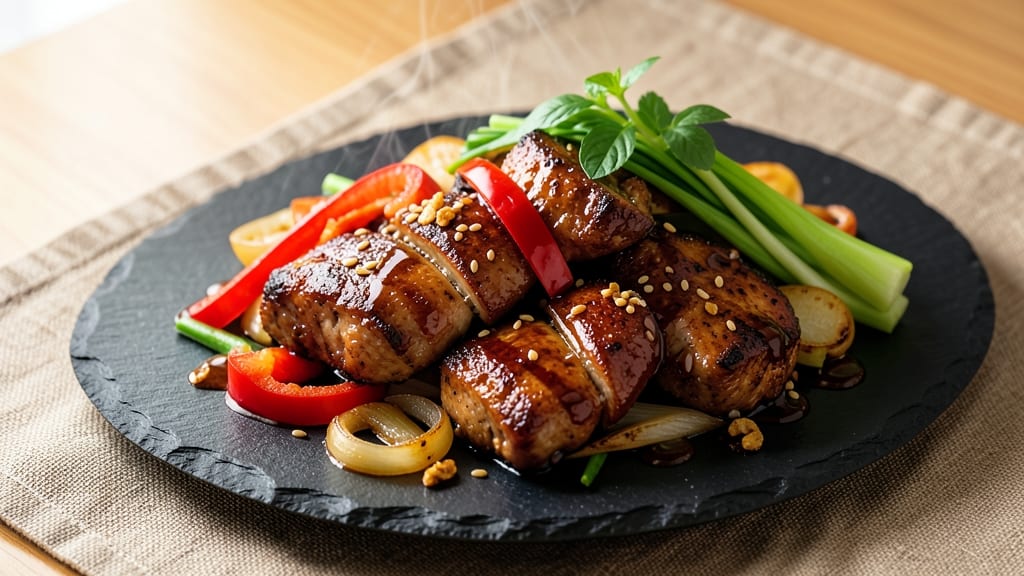
This Asian chicken stir-fry sauce recipe transforms ordinary stir-fries into restaurant-quality meals with just a few simple ingredients. The secret lies in balancing umami-rich soy sauce with bright ginger and aromatic garlic, creating a sauce that's both complex and easy to make.
What sets this apart is the fresh ginger zing—no powdered substitutes here—that adds a vibrant kick to every bite.
Perfect for homemade cooking, this sauce requires only 10 minutes of prep and delivers bold, savory flavor that elevates chicken, vegetables, or tofu.
The combination of soy sauce, oyster sauce, and a touch of sweetness creates depth, while the ginger and garlic add freshness that keeps the sauce from feeling heavy. It's the kind of sauce that makes you want to cook stir-fry every week.
Once made, this sauce keeps well in the fridge for up to 5 days or can be frozen for 3 months, making it ideal for meal prep. Use 2–3 tablespoons per stir-fry, adjusting to taste, and watch as your dishes transform from ordinary to extraordinary.
The best part? You can customize it with optional chili or sesame oil for extra heat or nutty depth.
Whether you're cooking for a crowd or meal prepping for the week, this sauce is your secret weapon. Its versatility means it works with any stir-fry, and the fresh ginger ensures it never tastes stale. Let's get started on creating this flavor-packed essential for your kitchen.
Ingredients for asian chicken stir fry sauce
Nine ingredients, ten minutes—this sauce packs restaurant-quality umami punch into every stir-fry.
| Ingredient | Amount | Notes |
|---|---|---|
| Soy Sauce 🥢 | ½ cup | Light or dark variety preferred |
| Oyster Sauce 🦪 | ¼ cup | High-quality, umami-rich preferred |
| Fresh Ginger 🌿 | ¼ cup | Finely grated, vibrant color |
| Garlic Cloves 🧄 | 6 cloves | Minced, fresh aroma essential |
| Honey 🍯 | 2 tbsp | Pure, unprocessed honey |
| Rice Vinegar 🍶 | 2 tbsp | Seasoned or white vinegar |
| Sesame Oil 🥜 | 1 tbsp | Toasted, for nutty depth |
| Chili Garlic Sauce 🌶️ | 1 tbsp | Optional, for heat adjustment |
| Cornstarch 🌾 | 1 tsp | For thickening consistency |
| Water 💧 | ¼ cup | Room temperature preferred |
The ginger and garlic are non-negotiable for that bright, aromatic kick. Fresh ginger from the produce section (not the powdered kind) makes all the difference—look for firm, moist roots with no wrinkles. Garlic should be plump and firm, not sprouting. For soy sauce, Kikkoman or Lee Kum Kee are reliable, but any light or dark variety works. Oyster sauce? Homemade or high-quality store-bought (like Lee Kum Kee) adds that savory depth—avoid the watery brands. Sesame oil is a game-changer; toasted sesame oil from Trader Joe's or Costco has the best flavor punch.
No fresh ginger? Powdered ginger at half the amount works in a pinch, but you'll miss that vibrant zing. Short on oyster sauce? Soy sauce plus a splash of fish sauce (if not vegetarian) gets you close. The cornstarch is your thickening secret weapon—don't skip it. The sauce should coat the back of a spoon but still be pourable. For extra heat, chili garlic sauce is your best bet, but a dash of red pepper flakes works too. Customize with sesame seeds or lime juice for extra depth if you're feeling fancy.
This sauce is a meal prep MVP—keeps 5 days in the fridge in an airtight jar. For longer storage, freeze in ice cube trays and transfer to a bag. Thaw overnight in the fridge, stirring to recombine. Double the batch and freeze half; you'll thank me later. The flavor actually improves after sitting for a few hours, so make it fresh before cooking. Use 2–3 tablespoons per stir-fry, adjusting to taste—it's that good.
Why You'll Love This Recipe
- Five-Ingredient Magic: I swear by this—just soy sauce, oyster sauce, ginger, garlic, and honey. That’s it. No confusing spice blends or hard-to-find pastes. Honestly, I keep a jar of this in my fridge because it’s the closest thing to takeout flavor without the takeout hassle.
- Umami Bomb: The oyster sauce and soy sauce combo? Chef’s kiss. That deep, salty-sweet richness wraps around chicken like a warm hug. And the honey? Just a touch balances the funk—no bitterness, just pure, addictive flavor.
- Weeknight Superstar: This sauce turns a sad bag of frozen veggies into a restaurant-worthy stir-fry in 15 minutes. Throw it on rice, noodles, or even eggs—it’s my go-to when I’m too tired to plan. (Yes, even on a Tuesday night.)
- Leftovers That Don’t Suck: Make a double batch—it keeps for weeks in the fridge. Toss it with leftover roasted chicken, noodles, or even a quick fried rice. Between us, this is how I feed my family for half the month without breaking the bank.
Step-by-step instructions for Asian chicken stir fry sauce
Here's how to craft a perfectly balanced sauce with layers of umami, brightness, and aromatic depth.
Prepare the Aromatic Base
In a small saucepan, combine the 0.25 cup fresh ginger and 6 cloves garlic cloves with the 0.25 cup water. Bring to a gentle simmer over medium heat and cook for 3-4 minutes until the ginger softens and releases its essential oils. You'll notice the kitchen filling with that fresh, citrusy aroma—this is where the sauce gets its signature zing.
Keep the heat at medium-low to prevent the garlic from burning. The mixture should bubble gently but not vigorously. Once the ginger is tender and the garlic has mellowed (no longer sharp or raw-tasting), remove from heat. This aromatic base forms the flavor foundation of your sauce, so don't rush this step.
Build the Umami Foundation
Return the pan to medium heat and add the 0.5 cup soy sauce and 0.25 cup oyster sauce. Stir constantly for 2-3 minutes until the mixture begins to thicken slightly and the flavors meld together. The soy sauce will darken slightly as it warms, deepening its color and intensifying its savory notes.
Here's where the magic happens: the oyster sauce contributes its rich, briny umami that elevates the dish from good to restaurant-quality. You'll see tiny bubbles forming on the surface—this indicates the sauce is starting to reduce. If it becomes too thick too quickly, add 1 tablespoon of the reserved water from earlier to maintain proper consistency.
Sweeten and Brighten the Sauce
Reduce the heat to low and stir in the 2 tablespoons honey and 2 tablespoons rice vinegar. The honey will dissolve quickly, creating a glossy sheen on the sauce. Cook for another 2 minutes while stirring continuously. The vinegar adds a bright acidity that cuts through the richness of the soy and oyster sauces, balancing the flavors perfectly.
Taste the sauce at this stage—it should be complex with sweet, salty, umami, and acidic notes all present. If you find it needs more brightness, add a touch more rice vinegar. For extra depth, this is also when I add the 1 tablespoon chili garlic sauce (if using) for a subtle heat that lingers. The sauce should coat the back of a spoon with a velvety texture.
Thicken and Finish with Sesame Oil
In a small bowl, whisk together the 1 teaspoon cornstarch with 1 tablespoon water until completely dissolved. This slurry is your thickening agent. Return the sauce to medium heat and slowly pour in the cornstarch mixture while stirring vigorously with a wooden spoon or silicone spatula.
Continue cooking for 1-2 minutes until the sauce reaches your desired consistency—it should coat the back of a spoon but still be pourable. The moment it thickens, immediately remove from heat and stir in the 1 tablespoon sesame oil. This adds a nutty aroma and rich depth that elevates the sauce from good to extraordinary.
Rest and Adjust Before Using
Let the sauce sit at room temperature for 5-10 minutes—this resting period allows all the flavors to fully meld together. Give it one final taste and adjust the seasoning if needed: a splash more soy sauce for saltiness, a touch of honey for sweetness, or a bit of rice vinegar for acidity.
The sauce should be glossy with a smooth, velvety texture that clings beautifully to chicken or vegetables. When ready to use, gently reheat over low heat for 30 seconds to restore its warmth. This sauce keeps well in the refrigerator for up to 5 days, making it perfect for meal prep. Use it to coat your stir-fry ingredients or drizzle it over finished dishes for maximum flavor impact.
Pro Tips For Making Asian Chicken Stir Fry Sauce
- COMBINE SAUCES LAST: I used to add oyster sauce early, thinking it would blend better—wrong. Toss the soy sauce in first, then stir in oyster sauce and honey right before serving. That way, the sauce stays glossy and vibrant, not dull and overcooked. The heat breaks down the honey too fast if you linger.
- GRATE GINGER FINE: Skip the slicing or chopping—grate that ginger like you’re making kimchi. A microplane or the smallest holes on a box grater give you a paste-like texture that dissolves instantly. No lingering chunks, no extra straining. (Yes, even if you’re impatient like me.)
- SALT THE GARLIC: Toss those minced garlic cloves in a pinch of salt before cooking. It softens them faster and prevents burning—especially important when stir-frying at high heat. Less risk of bitter, charred garlic ruining your sauce.
- USE DARK SOY SAUCE: Swap half the light soy for dark soy sauce if you want depth without effort. It adds caramelized richness and a deeper color—no extra pan time needed. Just stir it in with the honey at the end. (Your stir-fry will look like it came from a restaurant.)
Wine and beer pairings for these flavors
Light Asian Beers
For this bright, ginger-forward sauce, I reach for crisp Japanese lagers like Sapporo or Asahi—their clean, refreshing profiles mirror the sauce's freshness. The subtle malt sweetness complements the honey notes without overpowering, while the effervescence cuts through the sauce's richness.
Serve chilled at 45°F to enhance the ginger's zing. 🍺
Dry Riesling
A German or Alsatian dry Riesling (like Dr. Loosen Blue Slate) is my go-to white wine pairing. Its crisp acidity and citrus undertones echo the rice vinegar in the sauce, while the mineral notes balance the umami depth.
Serve slightly cooler than room temperature (50-55°F) to let the wine's brightness shine alongside the ginger's punch.
Sake Pairings
For an authentic touch, serve with dry junmai sake (like Dassai 23)—its clean, slightly nutty profile harmonizes perfectly with the sesame oil and soy sauce base. Chill to 40°F for a refreshing contrast to the sauce's warmth.
A sake cocktail (mix with soda water and a splash of yuzu) also works beautifully as a palate cleanser between bites.
Fruity Lambic Beer
If you prefer beer, a Belgian lambic (like 3 Fonteinen Oud Bruin) adds a wild, slightly tart complexity that complements the sauce's depth. The fruity notes (peach, plum) play off the honey, while the earthy undertones match the ginger's spice.
Serve at 50°F to let its character shine without overwhelming the dish.
Non-Alcoholic Options
For a mocktail, mix sparkling yuzu soda (like San Pellegrino Aranciata) with a splash of rice vinegar and a dash of sesame oil—it captures the sauce's brightness and umami perfectly. Serve over ice with a ginger slice for an authentic, refreshing pairing. 💫
Nutrition facts
Frequently asked questions
Can I make this sauce without oyster sauce? Yes, you can substitute with 2 tablespoons extra soy sauce plus 1 teaspoon fish sauce (if not vegetarian) for umami depth. For a vegetarian option, use 1 tablespoon mushroom sauce or 1 teaspoon soy sauce reduction
To make soy sauce reduction: Simmer 2 tablespoons soy sauce with 1 teaspoon honey until slightly thickened (about 5 minutes
How long does this sauce keep in the fridge? The sauce stays fresh for up to 5 days when stored in an airtight container in the refrigerator. For longer storage, freeze in ice cube trays and transfer to a freezer bag. Thaw overnight in the fridge and stir before using.
Pro tip: The flavor actually improves after 24 hours of refrigeration as the ingredients meld together. Make a double batch and freeze half for future stir-fries!
Can I use this sauce for other proteins besides chicken? This versatile sauce works beautifully with beef, shrimp, tofu, or even mushrooms. For seafood, reduce the soy sauce slightly (1 tablespoon less) to prevent overpowering the delicate flavors.
For tofu, add 1 teaspoon sesame seeds to the sauce for extra texture. The ginger and garlic base makes it perfect for any stir-fry protein that needs that signature Asian flavor profile.
Why does my sauce look too thin or too thick? If your sauce is too thin, add ½ teaspoon cornstarch mixed with 1 teaspoon water and simmer for 1-2 minutes. For a thicker sauce, reduce the heat and let it simmer uncovered for 3-5 minutes, stirring occasionally.
The ideal consistency should coat the back of a spoon but still be pourable. If you accidentally make it too thick, thin it with 1 teaspoon water or rice vinegar while stirring over low heat.
What's the best way to reheat leftover sauce? Gently reheat in a small saucepan over low heat for 30-60 seconds while stirring constantly. Avoid high heat as it can break down the delicate flavors. For microwave reheating, use 10-second intervals on low power, stirring between each interval.
Never reheat to a boil, as this can make the sauce lose its glossy texture and fresh aroma. The sauce should be warm but not hot to the touch when ready to use.