
Sauces & Condiments
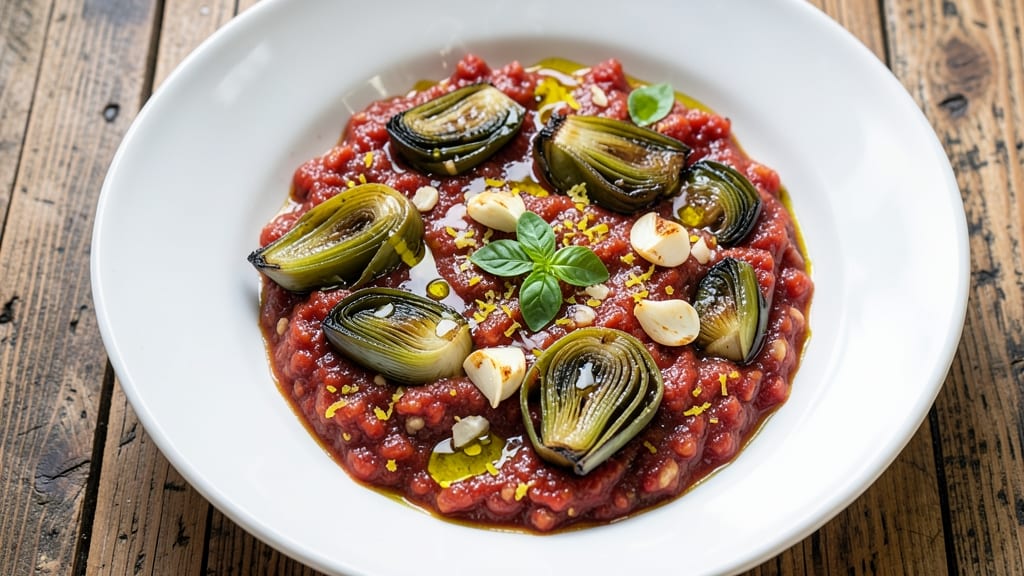
This artichoke pizza sauce recipe transforms classic marinara into something brighter, herby, and packed with Mediterranean flair. The secret lies in blending tender artichoke hearts with garlic, lemon zest, and fresh herbs—creating a sauce that elevates every pizza, from Margherita to veggie-loaded creations.
What sets this apart is the tangy depth from simmered artichokes, which adds a sophisticated twist without overpowering the cheese.
The process is straightforward: sauté garlic in olive oil until fragrant, then simmer artichoke hearts with crushed tomatoes, white wine, and herbs until thickened. A quick blend smooths out the texture while preserving that artichoke brightness.
This sauce isn’t just for pizza—it’s perfect for pasta, dipping, or even as a base for risotto.
What you’ll end up with is a rich, velvety sauce that’s tangy-sweet with herbal notes, balancing richness with acidity. The artichokes add a subtle earthiness that pairs beautifully with mozzarella, while the lemon zest keeps it fresh.
Best of all, it keeps well in the fridge for up to a week, making it a versatile pantry staple.
For a vegan version, simply swap the olive oil for a neutral oil and ensure your cheese is plant-based. The sauce’s adaptability makes it a game-changer for any pizza night—let’s get started!
Ingredients for artichoke pizza sauce
Nine ingredients transform ordinary pizza sauce into Mediterranean brilliance with artichoke depth and herbal brightness.
| Ingredient | Amount | Notes |
|---|---|---|
| Canned Artichoke Hearts 🍃 | 14 oz | Drained, quartered artichoke hearts |
| Crushed Tomatoes 🍅 | 1 cup | San Marzano preferred for sweetness |
| Extra-Virgin Olive Oil 🫒 | ¼ cup | High-quality, fruity variety |
| Garlic Cloves 🧄 | 4 cloves | Freshly minced for maximum aroma |
| Dry White Wine 🍷 | ¼ cup | Sauvignon Blanc or Pinot Grigio |
| Lemon Zest 🍋 | 1 tbsp | From organic lemon, finely grated |
| Fresh Basil Leaves 🌿 | ½ cup | Packed, stems removed |
| Fresh Parsley Leaves 🌿 | ¼ cup | Chopped, flat-leaf preferred |
| Diamond Crystal Kosher Salt 🧂 | ¾ tsp | Adjust to taste |
| Black Peppercorns 🌶️ | ½ tsp | Freshly cracked for texture |
The artichoke hearts are the star—look for jarred, high-quality hearts from brands like Muir Glen or California Artichoke Growers. Fresh artichokes are ideal but require extensive prep, so jarred is the practical choice. The white wine should be dry and crisp; Sauvignon Blanc adds a bright acidity that cuts through the richness. For the tomatoes, San Marzano is non-negotiable—their natural sweetness and low acidity create a velvety base. If you can't find it, Whole Foods' organic crushed tomatoes are a solid second option. The herbs should be vibrant; farmers' market basil has more punch than grocery store containers, but use what you have—just ensure they're fresh.
No white wine? Substitute with extra lemon juice or apple cider vinegar—both add acidity without altering flavor dramatically. Fresh herbs unavailable? Dried basil and parsley at one-third the amount work in a pinch, though texture will differ. The artichoke hearts can be swapped for sun-dried tomatoes (oil-packed), though they'll add a different depth. For a smoother texture, blend the sauce longer; for chunkier, leave it as-is. Trader Joe's carries pre-quartered artichoke hearts in a tube—convenient and mess-free. The olive oil must be extra-virgin; California Avocado Ranch or Colavita are reliable choices for that fruity, peppery note.
This sauce keeps beautifully—up to 1 week refrigerated in an airtight container, with the oil forming a protective seal. For longer storage, freeze in 1-cup portions for up to 3 months. Reheat gently to preserve texture; a splash of water or wine helps restore thickness. The sauce thickens as it cools, so adjust consistency with a quick pulse in the blender if needed. Portion into small jars for pizza nights, pasta dinners, or bruschetta toppings—versatility is its greatest strength.
Why You'll Love This Recipe
- Pantry Powerhouse: I swear by this sauce because it’s 90% ingredients I already have. Open a can, chop garlic, splash in wine—no fancy shopping required. The artichokes add that briny, meaty depth without needing to buy anything special.
- Wine-Infused Magic: That splash of dry white wine? It’s the secret weapon. It brightens the tomatoes, cuts through the richness of the artichokes, and leaves you with a sauce that’s actually complex—not just sweet or tangy, but balanced. (Yes, even if you’re not a wine drinker.)
- Weeknight to Weekend: Slather it on pizza for a fancy-feeling weeknight dinner, or toss it with pasta for a last-minute date night. It’s the same sauce, different vibes—no stress, just flavor. My kids ask for it more than marinara, and that’s saying something.
- Leftovers That Don’t Suck: This sauce actually improves the next day. The flavors meld, the wine mellows, and it’s perfect for quick breakfasts (yes, on toast) or reheated over grilled cheese. Honestly, I make a double batch just so I don’t have to cook again.
Step-by-step instructions for artichoke pizza sauce
Transform simple ingredients into a vibrant, herby sauce that elevates any pizza to restaurant quality.
Sauté Garlic Until Fragrant
Heat the 0.25 cup extra-virgin olive oil in a medium saucepan over medium-low heat. Add the 4 cloves freshly minced garlic cloves and cook for 1-2 minutes until the edges turn golden and you can smell their aroma filling the kitchen. This step builds the sauce's aromatic foundation—don't let the garlic brown or it will turn bitter.
I like to use a wooden spoon here so I can scrape up any browned bits from the bottom of the pan later. These bits, called fond, pack concentrated flavor that will dissolve into the sauce. Keep the heat gentle to prevent burning while still allowing the garlic to release its full essence.
Simmer Tomatoes and Artichokes
Add the 1 cup crushed tomatoes and 14 oz drained, quartered artichoke hearts to the pan. Stir well to combine, then increase heat to medium-high and bring to a gentle boil. Once boiling, reduce heat to medium-low and let it simmer uncovered for 8-10 minutes until the mixture thickens slightly and the artichokes begin to soften.
You'll notice the sauce reducing and developing a deeper color as it cooks. This is when the natural sweetness of the tomatoes and the earthy flavor of the artichokes start to meld together. Stir occasionally to prevent sticking—this sauce should coat the back of a spoon by the end of this step.
Deglaze with Wine and Add Zest
Pour in the 0.25 cup dry white wine and scrape up any browned bits from the bottom of the pan with a wooden spoon. This deglazing step captures all the flavor you've built so far. Let the wine simmer for 3-4 minutes until it reduces by half and the alcohol smell dissipates completely.
Now stir in the 1 tbsp lemon zest and the 0.75 tsp diamond crystal kosher salt. The lemon zest adds a bright, citrusy note that cuts through the richness of the tomatoes and artichokes. This is where the sauce starts to come together—you should notice the flavors becoming more complex and balanced. Taste the mixture and adjust the salt if needed.
Finish with Herbs and Pepper
Remove the pan from heat and stir in the 0.5 cup fresh basil leaves and 0.25 cup fresh parsley leaves. The herbs should wilt slightly as they incorporate into the warm sauce. Add the 0.5 tsp freshly cracked black peppercorns and give it one final stir.
Let the sauce sit off heat for 5 minutes to allow the flavors to meld completely. The herbs will release their oils and infuse the sauce with their fresh, aromatic qualities. This resting period is crucial—it allows the sauce to develop its full depth of flavor without continuing to cook down.
Adjust Consistency and Use Immediately
Taste the sauce one final time. If it's too thick for your preference, thin it with 1-2 tablespoons of water or pasta water, stirring until smooth. For a pizza sauce, you want it to be thick enough to cling to the cheese but still spreadable—it should coat the back of a spoon but not be gluey.
Use the sauce immediately on your pizza or store it in an airtight container in the refrigerator for up to 3 days. The flavors will continue to develop as it rests, making it even more delicious when you're ready to use it. This sauce works beautifully with mozzarella, ricotta, and fresh basil for a Margherita-style pizza with an artichoke twist.
Pro Tips For Making Artichoke Pizza Sauce
- CHOP GARLIC SMALL: Whole cloves burn faster than you’d think—mincing them into tiny pieces lets them infuse without turning bitter. I used to add them whole and ended up with a sauce that tasted like charred cardboard. Save yourself the trouble.
- DEGLAZE WITH WINE: After sautéing garlic, pour in that white wine immediately while the pan’s still hot—it’ll dissolve the browned bits and deepen the flavor. Let it reduce by half before adding tomatoes, or you’ll dilute the sauce into soup.
- DRAIN ARTICHOKE WELL: Rinse canned artichoke hearts and pat them very dry with a paper towel—moisture in the sauce turns it watery. I skip this step sometimes, and the sauce ends up thin enough to spread with a spoon.
- SIMMER LOW AND SLOW: Let the sauce bubble gently for at least 15 minutes after adding tomatoes—this lets the flavors meld instead of turning sharp or metallic. High heat makes it taste like a rushed afterthought.
Storing and reheating this recipe
Refrigerator Storage
Transfer your artichoke pizza sauce to an airtight glass container—I love using Pyrex with snap-on lids—and let it cool completely before refrigerating. This sauce keeps beautifully for up to 1 week when stored at 40°F or below, with the olive oil forming a natural protective seal.
The flavors actually deepen overnight as the herbs infuse further, so it tastes even better the next day. 🌿
Freezer Preservation
For longer storage, portion the sauce into 1-cup freezer-safe containers or quart-sized freezer bags, leaving ½ inch headspace for expansion. Seal tightly to prevent freezer burn, and it’ll maintain quality for up to 3 months.
When ready to use, thaw overnight in the fridge or reheat directly from frozen using the stovetop method below. 🧊
Stovetop Reheating
This is my preferred method because it preserves the sauce’s velvety texture. Pour the chilled sauce into a saucepan and heat over medium-low heat, stirring occasionally. Add 1-2 tablespoons of water or white wine if it thickens too much, and simmer for 3-5 minutes until warmed through.
Avoid boiling, or the herbs may lose their freshness. 🔥
Microwave Method
For quick reheating, transfer the sauce to a microwave-safe bowl and heat on 50% power in 1-minute intervals, stirring between each interval. This gentle approach prevents overheating, which can make the sauce watery.
If it separates, stir vigorously to re-emulsify before serving. A splash of lemon juice can help restore brightness if needed. ✨
Reviving Thickened Sauce
If your refrigerated sauce thickens beyond your liking, thin it with 1 tablespoon of water or pasta water at a time while stirring. For a smoother texture, pulse briefly in a blender—just 2-3 seconds—to break up any herb clumps without over-processing.
The sauce should be spoonable but still spreadable for pizza. 💫
Freezer-to-Pizza Transition
When using frozen sauce directly on pizza, spread it thinly and bake at 475°F for 1-2 minutes longer than usual to ensure even cooking. The sauce will release moisture, so preheat your oven well and avoid overcrowding the pan.
This method works especially well for Margherita-style pizzas where you want the artichoke flavor to shine. 🍕
Nutrition facts
Frequently asked questions
Can I use fresh artichokes instead of jarred hearts?
Fresh artichokes work but require extensive prep—trim the leaves, remove the choke, and slice into quarters. For this recipe, jarred hearts save time while delivering consistent flavor. If using fresh, simmer them for 10-12 minutes until tender before blending.
How do I adjust this sauce for vegan pizza?
This sauce is already vegan-friendly! Just ensure your cheese is plant-based and use olive oil (vegan). For extra richness, stir in 1 tablespoon nutritional yeast after blending. The artichokes add natural umami that pairs perfectly with vegan mozzarella.
What if I don't have white wine?
Substitute with 2 tablespoons lemon juice or apple cider vinegar to maintain acidity. For depth, add ½ teaspoon balsamic vinegar. The wine's purpose is to deglaze and add brightness—these alternatives work in a pinch without altering the flavor dramatically.
Can I make this sauce in a slow cooker?
Yes! Sauté garlic first, then add all ingredients to the slow cooker on low for 3 hours or high for 1.5 hours. Stir occasionally to prevent sticking. The slow cooker enhances the artichokes' tenderness while keeping the herbs vibrant. Perfect for meal prep!
Why does my sauce look too thick?
Sauces thicken as they cool—thin with 1 tablespoon water or pasta water at a time while stirring. For pizza, you want it spreadable but not runny. If it's still too thick after reheating, blend briefly to break up herb clumps. The artichokes release starch as they cook, which naturally thickens the sauce.