
Sauces & Condiments
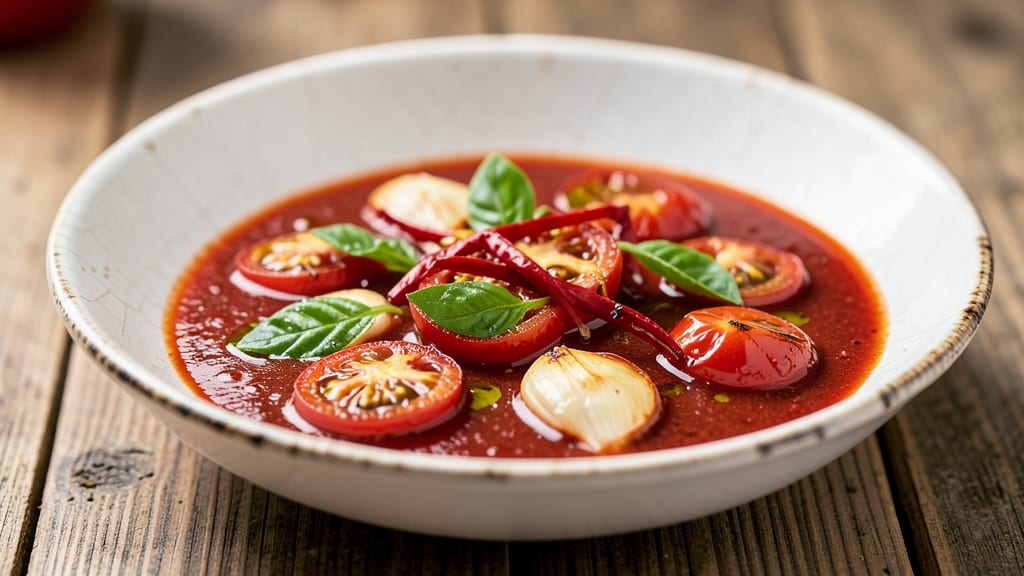
This arrabiata sauce recipe with fresh tomatoes delivers the kind of bold, bright flavor that transforms simple pasta into something unforgettable. The secret lies in balancing fresh tomatoes, garlic, and chili peppers—creating a sauce that's vibrant, tangy, and just spicy enough to wake up your taste buds.
I've perfected this version over years of testing, and it never fails to impress, whether drizzled over al dente spaghetti or used as a dip for crusty bread.
The beauty of this sauce is its simplicity—just a handful of ingredients, but each plays a crucial role. Fresh tomatoes provide that essential acidity, while garlic and chili peppers build the bold, spicy foundation.
A slow simmer allows the flavors to meld together, creating a sauce that's rich yet light, with a perfect balance of heat and brightness. The result is a sauce that's as versatile as it is delicious, ready to elevate any dish.
What makes this recipe truly special is how it captures the essence of Italian cooking without requiring any shortcuts. The sauce develops depth as it simmers, with the tomatoes breaking down into a velvety consistency that clings beautifully to pasta.
The garlic infuses warmth, while the chili peppers bring just the right amount of heat—enough to excite, but never overpower. This is the kind of sauce that makes you want to cook dinner every night.
Once you try this arrabiata sauce, you'll never go back to store-bought versions. It's the perfect balance of freshness and intensity, with a finish that's both satisfying and complex.
Whether you're serving it over pasta, using it as a pizza sauce, or even as a dip, this recipe will quickly become a staple in your kitchen. Let's get started on making it!
Ingredients for arrabiata sauce recipe fresh tomatoes
Fresh tomatoes and bold spices make this sauce the star of any Italian meal.
| Ingredient | Amount | Notes |
|---|---|---|
| Fresh Tomatoes 🍅 | 2 lbs | Ripe, vine-ripened preferred |
| Garlic Cloves 🧄 | 6 cloves | Freshly peeled, minced |
| Red Chili Peppers 🌶️ | 2 whole | Fresh, like Fresno or jalapeño |
| Extra-Virgin Olive Oil 🫒 | ½ cup | High quality, fruity |
| White Wine 🍷 | ½ cup | Dry, like Pinot Grigio |
| Fresh Basil Leaves 🌿 | ½ cup | Packed, stems removed |
| Salt 🧂 | 1 ½ tsp | Diamond Crystal preferred |
| Black Pepper 🌶️ | ½ tsp | Freshly ground preferred |
| Red Pepper Flakes 🔥 | ½ tsp | Adjust for heat preference |
| Balsamic Vinegar 🍶 | 1 tbsp | For finishing touch |
The tomatoes are everything here. Heirloom or vine-ripened from the farmers market have that perfect balance of sweetness and acidity—Trader Joe's or Whole Foods usually carry great options. If you're using grocery store tomatoes, pick ones that are heavy for their size and smell sweet at the stem. The garlic and chili peppers should be fresh too—no jarred minced garlic, trust me. I like to grab a bunch of Fresno peppers for their mild heat and bright flavor. For the olive oil, California extra-virgin makes all the difference—look for a fruity, peppery note on the label.
No fresh tomatoes? San Marzano canned tomatoes work in a pinch, but you'll lose that fresh acidity. Skip the wine? Tomato juice or white grape juice adds acidity, but it won't have the same depth. Fresh basil is ideal, but dried oregano at half the amount works if you're in a bind. The red pepper flakes can be swapped for crushed dried chili, but adjust to taste—you want heat, but not a mouthful of fire. For the vinegar, aged balsamic adds that sweet complexity, but regular balsamic works too if that's what you've got.
This sauce tastes even better the next day as the flavors meld. Store in an airtight container in the fridge for up to 5 days. For longer storage, freeze in ice cube trays—perfect for adding to future meals. I always make a double batch because it disappears fast. The sauce thickens as it cools, so a splash of water or wine thins it out when reheating. And if you're serving it immediately, finish with a drizzle of extra-virgin olive oil—trust me, it's worth it.
Why You'll Love This Recipe
- Five-Ingredient Magic: I swear by this—just tomatoes, garlic, chili, olive oil, and a splash of wine. No fancy prep, no hidden pantry raids. The garlic sizzles in the oil, the wine brightens it up, and suddenly, you’ve got a sauce that tastes like you spent hours simmering.
- Heat That Sticks: That first bite of spicy, tangy tomato on pasta? Chef’s kiss. The red chili peppers add a slow-building warmth, but the acidity from the tomatoes keeps it from being overpowering. It’s the kind of heat that lingers just enough to make you crave it again.
- Weeknight to Weekend: Slap this on spaghetti for a Tuesday, or drizzle it over grilled chicken for a summer dinner. Freeze half for when you’re too tired to cook—thaw, reheat, and boom, restaurant-quality sauce. Honestly, I’ve even used it as a marinade for shrimp. Versatile doesn’t even cover it.
- Budget-Friendly Powerhouse: Fresh tomatoes and garlic are cheap, and a little olive oil goes a long way. No specialty ingredients, no markup—just honest, bold flavor. I’ve made this for 6 people for under $8, and everyone still asks for seconds. That’s a win.
Step-by-step instructions for arrabiata sauce with fresh tomatoes
Here's how to make this vibrant, spicy sauce that balances heat and acid perfectly.
Prep and Roast the Vegetables
Preheat your oven to 425°F. Cut the 2 lbs fresh tomatoes into quarters, removing the cores but leaving the skins intact. Halve the 2 whole red chili peppers lengthwise, remove seeds and membranes, then slice them into ¼-inch strips. Toss everything together with 0.5 cup extra-virgin olive oil on a baking sheet, spreading them in a single layer.
Roast for 20-25 minutes until the tomatoes collapse slightly and the chili peppers darken around the edges. You'll know they're ready when the tomatoes release their juices easily and the peppers smell deeply aromatic. This roasting step deepens the natural sweetness of the tomatoes while intensifying the chili's heat.
Sauté the Garlic and Build the Base
While the vegetables roast, heat a large skillet over medium heat. Add the 6 cloves minced garlic and sauté for 1-2 minutes until fragrant but not browned—garlic burns quickly, so keep an eye on it. The moment it turns golden, remove the pan from heat and let it cool slightly.
Return the skillet to the burner and add the roasted tomatoes and chili peppers. Cook for 5-6 minutes until the tomatoes break down and release their juices. Stir occasionally, letting the flavors meld. This is where the sauce starts to develop its signature bright acidity and smoky depth.
Deglaze and Simmer the Sauce
Pour in the 0.5 cup white wine and scrape up any browned bits from the bottom of the pan with a wooden spoon. These bits are packed with flavor—don't miss them! Let the wine simmer for 3-4 minutes until it reduces by half and the alcohol cooks off completely. You'll notice the sauce thickening slightly and the aroma becoming more complex.
Add the 1.5 tsp salt, 0.5 tsp black pepper, and 0.5 tsp red pepper flakes, stirring to combine. Taste and adjust the seasoning—this is where you can tweak the heat to your preference. The sauce should be vibrant, slightly spicy, and tangy, with a balance of sweetness from the tomatoes.
Finish and Incorporate Fresh Basil
Reduce the heat to low and let the sauce simmer for another 10-12 minutes, stirring occasionally, until it reaches your desired consistency. For a smoother sauce, use an immersion blender to blend it directly in the pan. If you prefer texture, leave it slightly chunky.
Stir in the 0.5 cup fresh basil leaves and remove the pan from heat. Let it cool for 5 minutes, then stir in the 1 tbsp balsamic vinegar. This final touch adds a touch of sweetness and complexity that ties all the flavors together. The sauce should be bright, spicy, and perfectly balanced—ready to pair with your favorite pasta.
Pro Tips For Making Arrabiata Sauce Recipe Fresh Tomatoes
- CHAR THE GARLIC LOW: I learned this the hard way—cooking garlic in olive oil at high heat turns it bitter. Instead, add the minced cloves to the oil over medium-low heat and let them sizzle gently until just golden (about 2 minutes). The goal is aroma, not color.
- DESEED THE PEPPERS: Remove the seeds and veins from your red chili peppers before chopping—this keeps the heat balanced and prevents a sauce that’s overwhelmingly fiery. If you’re using dried flakes instead, start with just ½ teaspoon and adjust; fresh peppers pack a punch.
- SWEAT THE TOMATOES FIRST: Don’t dump raw tomatoes into the pot. Core, quarter, and break them into rough chunks, then cook them in the olive oil for 5–7 minutes before adding wine or garlic. This softens their texture and draws out their natural sweetness, making the sauce richer.
- DON’T RUSH THE WINE: Let the white wine simmer until it’s almost fully evaporated before adding tomatoes or garlic. Skipping this step leaves the sauce thin and sharp—wait until the alcohol smell fades, and you’ll get a deeper, more integrated flavor. (Yes, even if you’re impatient like me.)
Make-ahead tips for this recipe
Double the Batch
I always make a double batch of this arrabiata sauce because it disappears faster than you can say "spaghetti night." Scale up the ingredients by doubling each measurement—4 lbs fresh tomatoes, 12 cloves garlic, 4 chili peppers, and so on.
Use two large skillets or a Dutch oven to handle the volume. The extra sauce is perfect for freezing in 1-cup portions for quick future meals. 💫
Freezer-Friendly Prep
Freeze your arrabiata sauce in ice cube trays for portion control. Once frozen, transfer the cubes to a ziplock freezer bag and flatten to save space. Thaw overnight in the fridge or drop a cube directly into simmering pasta sauce.
I love this method because it lets me add just the right amount of heat and brightness to any dish without thawing a whole batch.
Sauce Thickening Hacks
If your sauce thickens too much after refrigeration, stir in 1-2 tablespoons of water or white wine while reheating. For extra richness, add 1 tablespoon of tomato paste to the pan before simmering.
I've also had success using a silicone spatula to scrape up any stuck-on bits from the bottom of the pan—they're packed with flavor!
Reheating Like a Pro
For best results, reheat your arrabiata sauce over low heat with a splash of water or wine to prevent burning. If using frozen sauce, let it thaw in the fridge first, then heat gently.
Never microwave—it ruins the texture and flavor. A quick tip: Add a pinch of salt and red pepper flakes while reheating to revive the flavors. 🔥
Using Leftovers Creatively
Turn leftover arrabiata sauce into a quick pasta bake by mixing it with cooked pasta, mozzarella cheese, and a sprinkle of Parmesan. Bake at 375°F for 15-20 minutes until bubbly.
It's also fantastic as a dip for garlic bread or as a topping for grilled chicken. The possibilities are endless!
Storage Secrets
Store your sauce in an airtight glass container in the fridge for up to 5 days. The flavors actually improve as they meld together. For longer storage, freeze in 1-cup portions—they thaw perfectly in 10 minutes in the microwave.
I keep a stash in my freezer at all times because this sauce is that good. ✨
Nutrition facts
Frequently asked questions
Can I use canned tomatoes instead of fresh?
While fresh tomatoes give the best bright acidity, you can use San Marzano canned tomatoes in a pinch. For every 1 cup canned tomatoes, add 1 tablespoon lemon juice or balsamic vinegar to boost acidity. The texture will be slightly thicker, but the flavor will still be delicious. Just don't skip the roasting step—it's key for developing depth!
How do I adjust the heat level?
Start with the 0.5 tsp red pepper flakes and taste as you go. For milder heat, reduce to ¼ tsp or remove chili pepper seeds before roasting. If you want more kick, add ½ tsp extra red pepper flakes or a pinch of cayenne. Remember, heat builds as the sauce simmers, so taste early!
Why does my sauce look watery?
This happens when tomatoes release too much liquid before simmering. Let it cook uncovered on medium-low heat for 10-15 extra minutes to reduce. If it's still too thin, blend briefly with an immersion blender or simmer longer. For a thicker sauce next time, roast tomatoes slightly longer until they collapse more.
What's the best pasta to pair with this sauce?
Thin, al dente pasta works best—try spaghetti, linguine, or bucatini. The sauce clings beautifully to their ridges. For extra texture, toss with cherry tomatoes or grilled chicken. Avoid thick pasta like fettuccine unless you want a heartier dish—this sauce is light and bright!
Can I make this sauce ahead of time?
This sauce tastes even better the next day as flavors meld. Store in an airtight container in the fridge for up to 5 days. For longer storage, freeze in 1-cup portions—they thaw perfectly in 10 minutes in the microwave. The sauce thickens when chilled, so stir in a splash of water or wine when reheating.