
Sauces & Condiments
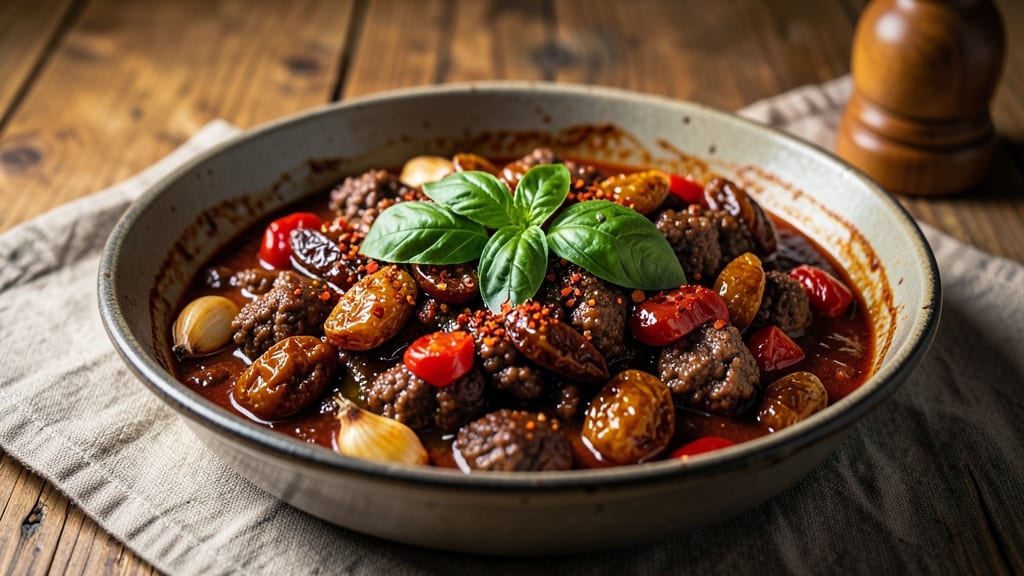
This arrabiata meat sauce recipe delivers the bold, fiery flavors of Italian trattorias in every simmering spoonful. The secret lies in slow-browning ground beef until deeply caramelized, then deglazing with white wine to unlock layers of umami before blending it with sun-dried tomatoes, garlic, and chili flakes.
What sets this version apart is the balance—enough heat to wake up your taste buds without overwhelming the rich tomato base.
The sauce builds complexity through a two-step cooking process: first reducing the meat with aromatics, then simmering with crushed tomatoes until thick and velvety. Fresh basil added at the end brightens the dish, while a splash of balsamic vinegar at the finish ties everything together.
This isn't just a sauce—it's a flavor experience that transforms simple pasta into a restaurant-worthy meal.
What makes this recipe truly perfect is its versatility. Toss it with spaghetti for a classic arrabiata, spread it over crusty bread for dipping, or use it as a marinade for grilled meats.
The sauce keeps well in the fridge for up to five days, making it ideal for meal prep. For those who prefer less heat, simply reduce the chili flakes—but trust me, the authentic version delivers the right kind of kick.
Ready to elevate your weeknight dinners? This sauce comes together in under an hour with just a handful of pantry staples. The key is patience—letting the flavors meld slowly creates that signature depth that separates homemade from store-bought. Let's get cooking.
Ingredients for arrabiata meat sauce
Bold flavors start with these 13 pantry staples and a few fresh additions.
| Ingredient | Amount | Notes |
|---|---|---|
| Ground Beef 🥩 | 1 lb | 80/20 fat ratio preferred |
| White Wine 🍷 | ½ cup | Dry variety like Pinot Grigio |
| Crushed Tomatoes 🍅 | 2 cups | San Marzano if possible |
| Sun-Dried Tomatoes 🍅 | ¼ cup | Oil-packed, chopped |
| Garlic Cloves 🧄 | 4 cloves | Minced for depth |
| Chili Flakes 🌶️ | 1 tbsp | Adjust for heat preference |
| Fresh Basil Leaves 🌿 | ¼ cup | Chopped at the end |
| Balsamic Vinegar 🍶 | 1 tbsp | For finishing touch |
| Olive Oil 🫒 | 2 tbsp | Extra-virgin for richness |
| Yellow Onion 🧅 | 1 whole | Finely diced |
| Salt 🧂 | 1 ½ tsp | Kosher or sea salt |
| Black Pepper 🌶️ | ½ tsp | Freshly ground |
| Canned Tomato Paste 🍅 | 1 tbsp | For thickening |
The ground beef is non-negotiable—80/20 fat ratio gives you that deep, caramelized flavor when browned. Trader Joe's or Costco usually have the best prices, and it's worth grabbing a bigger bag if you're making this often. Sun-dried tomatoes? Oil-packed from the Italian section is the way to go—those in the jar with vinegar add too much acid. Look for San Marzano crushed tomatoes if you can find them; they're sweeter and less watery. The garlic should be fresh—no powdered or jarred stuff here. And that white wine? Any dry white works, but Pinot Grigio is my go-to because it's affordable and won't overpower the dish.
No white wine? Substitute beef broth with a splash of lemon juice—it's the same acidity without the alcohol. Fresh basil not in season? Dried oregano at half the amount keeps the Italian vibe. Short on sun-dried tomatoes? Regular canned tomatoes with extra garlic get you close. The chili flakes can be swapped for crushed red pepper flakes if that's what you've got. For the olive oil, any extra-virgin works, but avoid the cheap stuff—it tastes like soap. The tomato paste? Trader Joe's squeeze tubes are perfect for this recipe—no waste, and they keep forever. And if you're worried about the balsamic vinegar being too sweet, reduce it to 1 teaspoon—it's just for that finishing touch.
This sauce tastes even better the next day once everything melds together—plan ahead. Keeps for 5 days in the fridge, or 3 months frozen in airtight containers. I like to portion it into 1-cup servings for easy reheating. The basil wilts fast, so add it right before serving. If you're prepping for a crowd, double the batch—it's worth it. And if you have leftovers, toss them with pasta or use them as a marinade for grilled chicken. The possibilities are endless.
Why You'll Love This Recipe
- One-Pan Magic: I swear by this—just brown the beef, deglaze with wine, toss in tomatoes and garlic, and walk away. No chopping, no fussing, no extra pots. The sun-dried tomatoes melt right into the sauce while you’re still stirring the first batch.
- Garlic-Wine Punch: That splash of white wine cuts through the richness of the beef while the garlic cloves sizzle into something deep. Honestly, it’s the kind of sauce where the first bite makes you pause mid-chew. The crushed tomatoes add just enough tang to balance the sweetness of the sun-dried ones.
- Leftover Hero: This sauce begs to be made in bulk. Freeze half for lazy nights, or reheat it with a sprinkle of cheese for next-day pasta. My kids even ask for it on sandwiches—yes, really. (Between us, I’ve had it cold in salads too.)
- Budget Flex: Ground beef is affordable, and you’re using pantry staples like wine and tomatoes. No fancy ingredients, no wasted leftovers—just reliable, flavor-packed meals that don’t break the bank. Plus, the sun-dried tomatoes stretch the sauce further, making every jar count.
Step-by-step instructions for arrabiata meat sauce
This sauce delivers bold, spicy flavor with just a few key techniques—let's make it right.
Sear the Ground Beef to Build Flavor
Heat the 2 tablespoons olive oil in a large, heavy-bottomed pot over medium-high heat. Add the 1 pound ground beef and break it up with a wooden spoon, letting it brown in small batches. Don't rush this—you want deep, caramelized bits that form the sauce's foundation.
Once the beef is mostly browned (about 5-7 minutes), drain all but 1 tablespoon of the rendered fat from the pot. This remaining fat helps create a rich, glossy sauce. Season immediately with 1.5 teaspoons salt and 0.5 teaspoon black pepper, letting the spices bloom while you move to the next step.
Sauté Onion and Garlic for Depth
Add the finely diced yellow onion to the pot and cook for 3-4 minutes until softened but not browned. Stir occasionally to prevent sticking. Then add the 4 minced garlic cloves and 1 tablespoon chili flakes, cooking for another 30 seconds until fragrant.
Here's the thing—don't let the garlic burn. It should smell amazing but not bitter. If it starts to darken too quickly, lower the heat slightly. This aromatic base is what makes the sauce sing.
Deglaze with Wine and Add Tomatoes
Pour in the 0.5 cup white wine and scrape up any browned bits from the bottom of the pot with a wooden spoon. This deglazing step captures all that meaty flavor. Let the wine simmer for 2-3 minutes until mostly evaporated.
Next, stir in the 1 tablespoon canned tomato paste and let it cook for 1 minute to develop its rich, concentrated flavor. Then add the 2 cups crushed tomatoes and 0.25 cup sun-dried tomatoes. Stir well and bring the mixture to a gentle simmer.
Simmer Until Thick and Flavorful
Reduce the heat to low and let the sauce simmer uncovered for 25-30 minutes, stirring occasionally. You're looking for a thick, glossy consistency—it should coat the back of a spoon but still be saucy enough to cling to pasta.
Taste and adjust the seasoning if needed. If it's too acidic, add a pinch more salt. If it needs more heat, stir in an extra ½ teaspoon chili flakes. The sauce should be vibrant red with visible chunks of tomatoes and sun-dried tomatoes.
Finish with Basil and Balsamic
Remove the pot from heat and stir in the 0.25 cup chopped fresh basil leaves and 1 tablespoon balsamic vinegar. Let the sauce sit for 5 minutes to allow the flavors to meld together. The basil adds freshness that balances the spicy, tangy notes.
This sauce is best served immediately, but if you need to hold it, keep it warm on low heat. The flavors will continue to develop and deepen. Serve over your favorite pasta with grated Parmesan cheese for the ultimate Italian meal.
Pro Tips For Making Arrabiata Meat Sauce
- CRISP THE GARLIC FIRST: Toss whole garlic cloves in the dry pan for 30 seconds before adding oil—this prevents burning and builds deeper flavor. I used to sauté them right away, and they’d turn bitter faster than you can say "arrabiata disaster."
- DEGLAZE WITH WINE IMMEDIATELY: As soon as the beef browns, pour in that white wine without scraping first—let it bubble for 2 minutes to cook off the alcohol. Scraping later just stirs up burnt bits, and you’ll taste the difference in the finished sauce.
- SOAK SUN-DRIED TOMATOES: Tear them dry, then soak in warm water for 10 minutes before adding to the sauce. They’ll soften properly and release their oil, so you’re not chewing on leathery chunks. (Yes, even if you’re impatient like me.)
- SIMMER LOW AND LONG: After adding crushed tomatoes, reduce heat to actual low—just above a bare simmer—and walk away for 45 minutes. Rushing this step turns your sauce into a watery mess. The longer it cooks, the richer the acidity balances out.
Serving suggestions for this arrabiata meat sauce
Classic Pasta Pairings
This sauce was born for spaghetti or linguine—the long strands let the sauce cling beautifully. Cook 8 ounces pasta al dente (1 minute less than package instructions), then toss with ½ cup sauce per serving.
For extra drama, finish with grated Pecorino Romano and a crack of black pepper. 🍝
Crusty Bread Magic
Skip the pasta and serve this sauce as a dipping sauce with warm ciabatta or focaccia. Toast the bread lightly, cut into thick slices, and let everyone dip away. I love adding a sprinkle of flaky sea salt on the bread before serving—it balances the sauce's acidity perfectly.
Protein Upgrades
Transform this into a one-pan meal by serving it over polenta or creamy risotto. For heartier portions, top with grilled chicken breast or sausage links (like Italian sweet or spicy). The sauce's heat cuts through rich proteins beautifully.
Breakfast Twist
Yes, really! Use this sauce as a pizza sauce for breakfast pizza on English muffins or baguette slices. Top with a fried egg and crumbled feta for a spicy, savory morning. The chili flakes add a kick that wakes up your taste buds instantly. 🍳
Leftovers Reinvented
Save your leftovers by turning them into stuffed peppers or lasagna. Mix with ricotta cheese and mozzarella for stuffed shells, or layer between lasagna noodles and bake until bubbly. The sauce's depth makes it perfect for baked dishes where flavors meld over time.
Garnish Game
Elevate every serving with fresh basil leaves or cilantro for brightness. A drizzle of extra-virgin olive oil and red pepper flakes adds texture and heat. For a smoky touch, sprinkle with crumbled pancetta or crispy bacon bits right before serving.
Nutrition facts
Frequently asked questions
What's the best meat for this arrabiata sauce?
Ground beef with an 80/20 fat ratio works perfectly for that rich, caramelized flavor, but you can also use ground pork or Italian sausage for a different twist. For leaner options, try finely chopped chicken thighs—they stay juicy while browning. Avoid ground turkey unless you add extra olive oil to prevent dryness.
Can I make this sauce without wine?
Replace the ½ cup white wine with ½ cup beef broth plus 1 teaspoon lemon juice to mimic the acidity. The key is maintaining that bright, tangy balance that cuts through the richness. If you're avoiding alcohol completely, a splash of apple cider vinegar also works in a pinch.
Why does my arrabiata sauce taste too acidic?
This usually happens when the tomatoes aren't fully reduced or the wine/acid wasn't cooked off enough. To fix it, simmer the sauce uncovered for 5-10 extra minutes to evaporate excess liquid. If still too sharp, stir in ½ teaspoon sugar or 1 tablespoon tomato paste—both help round out the flavors.
How do I adjust the heat level?
The recipe starts with 1 tablespoon chili flakes, but you can easily tone it down by reducing to ½ teaspoon—or swap for ½ teaspoon smoked paprika for warmth without spice. For extra heat, add ½ teaspoon crushed red pepper—but taste as you go! The sun-dried tomatoes also contribute subtle heat, so consider omitting them if you're sensitive to spice.
Can I make this sauce in a slow cooker?
Yes! Brown the meat in a skillet first, then transfer everything to the slow cooker. Cook on low for 4-5 hours or high for 2-3 hours, stirring occasionally. The slow cooker's gentle heat helps develop deeper flavors, but you may need to reduce the final sauce on the stovetop to thicken it properly. Add fresh basil and balsamic at the very end.