
Sauces & Condiments
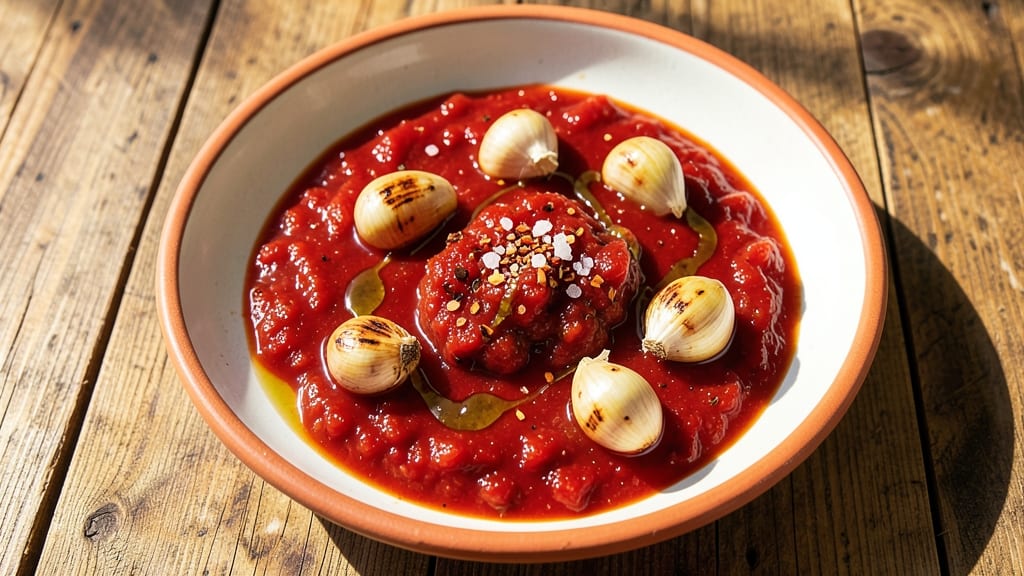
This arrabbiata sauce recipe with fresh tomatoes delivers the fiery, garlicky punch of Rome’s classic trattorias in just 20 minutes—no canned tomatoes or shortcuts here.
The secret lies in balancing fresh, ripe tomatoes with bold garlic and chili flakes, creating a sauce that’s vibrant, tangy, and packed with bold, bright heat.
I’ve perfected this version to avoid bitterness while keeping the sauce naturally rich and velvety, perfect for drizzling over pasta or pairing with grilled proteins.
What sets this sauce apart is the simplicity of ingredients—just fresh tomatoes, garlic, chili flakes, olive oil, and a splash of vinegar—yet the depth of flavor rivals restaurant-quality versions.
The key is simmering the tomatoes until they break down into a smooth, jammy consistency, then blending with garlic and chili for that signature spicy-sweet kick. No peeling, no seeds, just raw, unfiltered flavor that transforms any dish.
The result is a sauce that’s versatile yet unforgettable—bright enough to stand alone but rich enough to elevate grilled meats, roasted vegetables, or a simple plate of pasta.
The heat from the chili flakes mellows slightly as it cooks, leaving behind a warm, lingering spice that’s addictive in small doses. Store it in the fridge for up to 5 days or freeze for longer, though it’s best enjoyed fresh when the tomatoes are at their peak.
For extra depth, finish with a drizzle of olive oil and fresh basil, but the real magic happens when you let the sauce’s natural flavors shine.
This is the kind of arrabbiata that makes you reach for the bread to soak up every last drop—bold, bright, and impossible to resist. Let’s get cooking.
Ingredients for arrabbiata sauce recipe fresh tomatoes
Fresh tomatoes, garlic, and chili flakes—just eight ingredients for Rome’s boldest sauce.
| Ingredient | Amount | Notes |
|---|---|---|
| Fresh Roma Tomatoes 🍅 | 2 lbs | Ripe, firm, and preferably vine-ripened |
| Garlic Cloves 🧄 | 6 whole | Fresh, peeled, and smashed for bold flavor |
| Extra-Virgin Olive Oil 🫒 | ½ cup | High-quality, fruity, and peppery |
| Red Chili Flakes 🌶️ | 1 tbsp | Crushed for even heat distribution |
| White Wine Vinegar 🍶 | 1 tbsp | Brightens and balances the sauce |
| Kosher Salt 🧂 | 1 tsp | Diamond Crystal preferred |
| Fresh Basil Leaves 🌿 | ¼ cup | Packed, stems removed for garnish |
| Red Pepper Flakes 🌶️ | ½ tsp | Optional for extra heat |
The tomatoes are non-negotiable here. Roma tomatoes are ideal—they’re meaty, flavorful, and hold up better to simmering than slicing varieties. Hit up your local farmers market for the ripest ones you can find, or grab a vine-ripened batch from Whole Foods if you need convenience. Avoid those sad, mealy grocery store tomatoes—they’ll turn your sauce into a watery mess. If you can’t find Roma, heirloom or beefsteak tomatoes work in a pinch, but they need more time to break down. And no, canned tomatoes won’t cut it—they lack the vibrant acidity and natural sweetness that fresh tomatoes bring to this sauce.
No fresh garlic? Garlic powder at half the amount will work, but trust me, nothing beats the real thing. The chili flakes can be swapped for crushed dried red pepper, but adjust the heat to taste—some brands are much hotter than others. Running low on vinegar? Lemon juice works too, though it adds a slightly different brightness. The olive oil is where you can splurge—a high-quality extra-virgin with fruity notes will elevate the sauce dramatically. And if you’re feeling fancy, finish with a drizzle of aged balsamic vinegar for an extra layer of depth.
This sauce tastes even better the next day as the flavors meld, but it’s best enjoyed fresh when the tomatoes are at their peak. Store it in an airtight container in the fridge for up to 5 days, or freeze for 3 months in ice cube trays for single-serving portions. The basil wilts fast, so add it fresh at the end if you’re garnishing. For extra richness, save some of the cooking oil and drizzle it over the top before serving—it’ll make your sauce look like a restaurant-quality masterpiece.
Why You'll Love This Recipe
- Five-Ingredient Magic: I swear by this—just tomatoes, garlic, olive oil, chili flakes, and vinegar. That’s it. No fancy prep, no hidden pantry items. Honestly, I’ve made it when I forgot everything else in my kitchen, and it still came out ridiculously good.
- Garlic-Chili Kiss: The moment those raw garlic cloves hit the oil? Pure alchemy. Then the tomatoes break down into a glossy, tangy sauce with just the right heat from the chili flakes—bright, bold, and never overpowering. (Yes, even on a Tuesday night.)
- Weeknight to Dinner Party: This sauce is my secret weapon for pasta, bruschetta, or drizzled over grilled fish. I’ve used it to impress friends who think I’m a chef, and it’s just as happy in a quick weeknight bowl as it is on a fancy table.
- Keeps Like a Champ: Make a big batch—it stores for days in the fridge, and the flavor actually deepens over time. Between us, I’ve reheated this sauce three times and it’s still the star of the meal. Budget-friendly? Absolutely. Waste-free? Even better.
Step-by-step instructions for arrabbiata sauce with fresh tomatoes
Here's how to make this fiery, aromatic sauce that balances sweet tomatoes and bold garlic.
Prepare the Tomatoes and Garlic
Begin by halving the 2 lbs fresh Roma tomatoes lengthwise and squeezing them firmly over a bowl to remove seeds and excess liquid. Discard the seeds but keep the pulp and juices—this concentrated base will form the heart of your sauce. Meanwhile, peel the 6 whole garlic cloves and smash them with the flat side of a knife to release their oils without mincing them into tiny pieces.
Real talk: Using fresh tomatoes means you're working with their natural acidity and sweetness. The squeezing step removes excess water that would dilute your sauce later. If you're worried about waste, save the tomato juice for another dish—it's packed with flavor.
Sauté the Garlic in Olive Oil
Heat the 0.5 cup extra-virgin olive oil in a large, heavy-bottomed saucepan over medium-low heat. Add the smashed garlic and cook for 3-4 minutes until the garlic is golden and fragrant but not browned. Here's the thing—garlic burns quickly, so keep an eye on it. If it starts to darken, immediately reduce the heat to low or remove the pan from heat for a moment.
This slow cooking step develops the garlic's natural sweetness and prevents bitterness. The oil should shimmer but not smoke—if it does, you're cooking too hot. Once the garlic is golden, remove it from the pan with a slotted spoon and set it aside temporarily.
Build the Sauce Base
Return the saucepan to medium heat and add the tomato pulp, 1 tbsp red chili flakes, and 1 tbsp white wine vinegar. Stir well and bring to a gentle simmer. Let it cook uncovered for 10 minutes while you stir occasionally. You're looking for the sauce to reduce slightly and develop depth of flavor.
The vinegar brightens the tomatoes and balances their natural sweetness, while the chili flakes infuse heat throughout. Don't rush this step—letting the sauce simmer uncovered allows excess moisture to evaporate, concentrating the flavors. If the sauce starts to stick, add a splash of water to deglaze, but try to avoid diluting it too much.
Season and Finish
Add the cooked garlic back to the sauce along with the 1 tsp kosher salt and 0.5 tsp red pepper flakes. Stir everything together and let it simmer for another 5-7 minutes until the sauce thickens slightly and coats the back of a spoon. Taste and adjust the seasoning—you might need a bit more salt or vinegar to balance the flavors.
This is where the magic happens: the garlic re-infuses the sauce with its aromatic oils, and the red pepper flakes add a subtle, lingering heat. The sauce should be vibrant red with a glossy sheen, not watery. If it's too thick, add a splash of water or tomato juice to reach your preferred consistency.
Incorporate Fresh Basil
Remove the sauce from heat and stir in the 0.25 cup fresh basil leaves. Let it steep for 2-3 minutes to infuse the basil's bright, fresh flavor. Then, use a slotted spoon to remove and discard the basil stems, leaving only the tender leaves in the sauce. Give it one final taste and adjust the seasoning if needed.
The basil adds a fresh, herbal note that cuts through the richness of the garlic and olive oil. Don't skip this step—it's what transforms this from a simple tomato sauce into authentic arrabbiata. Serve immediately over your favorite pasta or use it as a vibrant topping for bruschetta.
Pro Tips For Making Arrabbiata Sauce Recipe Fresh Tomatoes
- Peel Tomatoes First: Roma tomatoes have tough skins that won’t break down no matter how long you simmer them. Cut them in half, scoop out seeds, then blanch for 30 seconds in boiling water before peeling—this keeps the sauce silky smooth without the skin’s bitterness. (Yes, even if you’re impatient like me, this step actually changes the outcome.)
- Toast Garlic Low: After cooking the chili flakes in olive oil, drop in the garlic and reduce heat to medium-low the second it hits the pan. Burnt garlic tastes like regret, and arrabbiata needs that nutty aroma, not acrid smoke. Watch it like a hawk—it’s done when it’s golden, not black.
- Deglaze with Vinegar: Once the tomatoes hit the pan, let them caramelize for 5 minutes before adding wine vinegar. The acid cuts through the sweetness and brightens the sauce, but add it gradually—a splash at a time—so the sauce doesn’t curdle. (Your future self will thank you.)
- Simmer Not Boil: Arrabbiata needs time to develop depth, not a violent boil that turns it into tomato soup. Keep the heat at a gentle simmer (tiny bubbles, occasional stir) for 20-25 minutes. Skim off any foam that rises—it’s the sign of overcooking, and you don’t want that.
Wine and beer pairings for arrabbiata sauce recipe fresh tomatoes
Italian Whites
For arrabbiata sauce, I always reach for a crisp, acidic Italian white like Vermentino from Sardinia or Greco di Tufo from Campania. These wines cut through the sauce’s bold garlic and chili heat while complementing its bright tomato acidity.
A glass of Pinot Grigio from Alto Adige also works beautifully—its citrus notes mirror the sauce’s fresh tomato base. 🍷
Red Wine Pairings
If you prefer red, go for a light-bodied option like Chianti Classico or Sangiovese. The wine’s earthy undertones and moderate tannins balance the sauce’s spice without overpowering it.
Avoid heavy Cabernet Sauvignon or Syrah—they’ll clash with the sauce’s vibrant acidity. A Lambrusco (slightly fizzy) adds fun contrast for a casual meal.
Beer Matchups
A crisp Italian lager like Peroni or Birra del Borgo is my go-to beer pairing. The light maltiness cleanses your palate between bites of arrabbiata-pasted pasta. For craft beer lovers, try a Belgian-style witbier—its coriander and citrus notes echo the sauce’s chili and vinegar brightness.
Avoid heavy stouts or IPAs, which would drown out the sauce’s delicate flavors.
Non-Alcoholic Options
For a refreshing non-alcoholic match, try a sparkling blood orange soda like San Pellegrino Aranciata Rossa. The bubbles and citrus notes mirror the sauce’s acidity and heat. A hibiscus iced tea with a squeeze of lime also works—its tartness complements the arrabbiata’s bold flavors. 💧
Pro Tips for Pairing
Serve wine or beer slightly chilled (45-50°F) to enhance their crispness against the sauce’s heat. For pasta dishes, I like to pair arrabbiata with a light white wine and a crisp beer side by side—it’s the ultimate tasting experience.
If you’re grilling, a red wine like Chianti holds up better to the smoky flavors of charred meats.
Nutrition facts
Frequently asked questions about arrabbiata sauce
Can I substitute canned tomatoes for fresh in this recipe?
Fresh tomatoes are ideal for their vibrant acidity and natural sweetness, but you can use canned tomatoes in a pinch. For best results, use whole peeled San Marzano tomatoes (not crushed or diced) and reduce the vinegar to 0.5 tbsp since canned tomatoes are already acidic. Simmer for 15-20 minutes to concentrate the flavors. The texture will be slightly less jammy but still delicious.
How do I adjust the heat level in the sauce?
Start with the 1 tbsp red chili flakes and 0.5 tsp red pepper flakes as written, then taste before serving. For milder heat, reduce the chili flakes to 0.5 tbsp and omit the red pepper flakes. For extra spice, add 0.5 tsp cayenne pepper or a pinch of crushed dried chili peppers. Always taste as you go—arrabbiata should have a warm, lingering heat, not overwhelming spice.
Can I make this sauce without garlic?
Garlic is the soul of arrabbiata sauce, but if you're avoiding it, you can substitute with 1 tsp garlic powder or 1 tbsp roasted garlic paste. For depth, add 1 tsp onion powder and a pinch of asafoetida (hing) for a savory umami boost. The sauce will still be flavorful but will lack the signature bold, aromatic punch that makes arrabbiata special. Fresh garlic is non-negotiable for authentic flavor!
How long can I store homemade arrabbiata sauce?
Store the sauce in an airtight container in the fridge for up to 5 days, where it actually improves as the flavors meld. For longer storage, freeze in ice cube trays or small jars for up to 3 months. Thaw overnight in the fridge—never microwave, as it can make the sauce watery. The basil will wilt over time, so add fresh leaves when reheating for the brightest flavor.
What’s the best pasta to serve with this sauce?
Arrabbiata’s bright, garlicky heat pairs best with durum wheat pasta like spaghetti, linguine, or bucatini. The firm texture holds up to the sauce’s bold flavors without becoming mushy. For extra drama, toss with chicken or shrimp or drizzle over grilled vegetables. Avoid soft pastas like fettuccine—they’ll turn to mush under the sauce’s weight.