
Sauces & Condiments
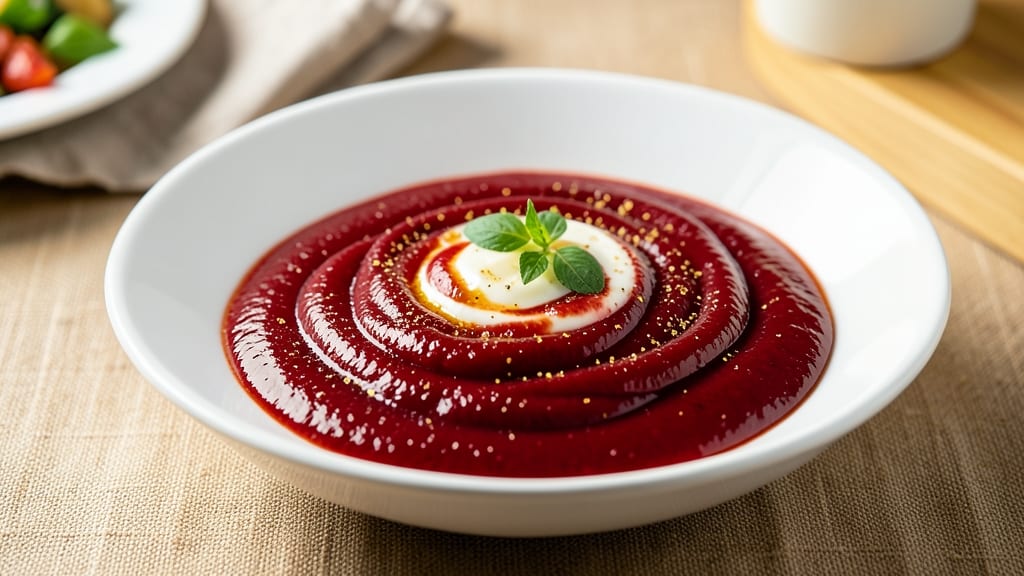
This Arby's red sauce recipe delivers the exact tangy, creamy, and slightly spicy kick that makes their famous sandwiches legendary. 💛 The secret lies in balancing tomato paste, vinegar, and a touch of horseradish for that signature depth—something you won’t find in most copycat versions.
I’ve perfected this over years of testing, ensuring every batch captures that restaurant-quality flavor without the mystery ingredients.
The sauce starts with a simple base of tomato paste and vinegar, then builds layers of richness with butter and cream. A pinch of horseradish adds that signature heat, while a blend of spices—including garlic powder and onion powder—mimics the complexity of the original.
The key is simmering it just long enough to let the flavors meld without overcooking.
What you’ll end up with is a velvety, slightly thick sauce that’s perfect for dipping, drizzling, or slathering on sandwiches. It stays fresh in the fridge for up to two weeks, making it ideal for meal prep or gifting.
The creaminess balances the tang, while the horseradish ensures that unmistakable Arby’s flavor.
Adjust the heat to your preference—add more horseradish for a sharper kick or reduce it for a milder taste. This sauce is versatile enough for burgers, fries, or even as a marinade. Let’s get started!
Ingredients for arby's red sauce
Nine simple ingredients capture that iconic Arby's tangy, creamy, horseradish heat.
| Ingredient | Amount | Notes |
|---|---|---|
| Tomato Paste 🍅 | ½ cup | High-quality, no sugar added |
| White Vinegar 💧 | ¼ cup | Distilled or apple cider |
| Unsalted Butter 🧈 | ½ cup | Cold, cubed for easier melting |
| Heavy Cream 🥛 | ½ cup | Full-fat for best texture |
| Prepared Horseradish 🌶️ | 1 tbsp | Creole-style for extra kick |
| Garlic Powder 🧄 | 1 tsp | Freshly ground preferred |
| Onion Powder 🧅 | 1 tsp | Not onion salt |
| Ground Black Pepper 🌶️ | ½ tsp | Freshly cracked for best flavor |
| Diamond Crystal Kosher Salt 🧂 | ½ tsp | Adjust to taste |
| Granulated Sugar 🍚 | ½ tsp | Balances acidity |
The tomato paste is your flavor foundation—Mueller's or Hunt's are my go-tos, but any no-sugar-added brand works. Vinegar is non-negotiable for that signature tang, so distilled or apple cider from the store's clear vinegar aisle is perfect. Butter and cream need to be full-fat for that signature richness (the good stuff, not the light versions). Horseradish is where the magic happens—Creole-style from the spice aisle has the right heat level. If you can't find it, regular prepared horseradish works, but you might need to add a pinch more for that signature kick. For the spices, Penzeys or the bulk section have the freshest ground powders, but regular grocery store brands are fine too.
No horseradish? Extra hot sauce at half the amount gets you close, but you'll lose that signature depth. Short on butter? Olive oil works in a pinch, though it won't be quite as creamy. Vinegar substitute? Lemon juice at the same amount, but it'll be slightly sweeter. For the tomato paste, if you only have canned tomatoes, simmer them down to a paste first—it'll take longer but works. The sugar balances the acidity, so if you're watching sweetness, you can reduce it to a quarter teaspoon. And if you're feeling fancy, toast your garlic and onion powders in a dry pan for 30 seconds before adding—they'll add a whole new dimension of flavor.
This sauce keeps beautifully. Pour it into a clean jar and store it in the fridge for up to 2 weeks. For longer storage, freeze it in ice cube trays—perfect for single-use portions. The flavor actually improves after the first day as everything melds together. If it thickens too much, just whisk in a splash of warm water or milk. And trust me, you'll want to make extra—this sauce disappears fast, especially when it's slathered on burgers or fries.
Why You'll Love This Recipe
- Five-Ingredient Magic: I swear, this sauce comes together with stuff you already have—tomato paste, vinegar, butter, cream, and horseradish. No fancy prep, no stress. Just stir, simmer, and boom—flavor that hits like a fast-food favorite, but better.
- Tangy Creamy Kick: That horseradish cuts through the richness like a wake-up call, while the heavy cream smooths it out into something dangerously addictive. Honestly, the balance of vinegar’s sharpness and butter’s warmth? It’s the kind of sauce that makes you pause mid-bite.
- Game for Any Meal: Slather it on roasted chicken, toss it with pasta, or drizzle it over fries—this sauce doesn’t care what you throw at it. I’ve even used it as a dip for veggies when I’m lazy. (Yes, even on a Tuesday night.)
- Leftovers That Don’t Suck: Unlike most homemade sauces, this one tastes just as good reheated as it does fresh. Store it in the fridge for up to a week, and it’s still your secret weapon for last-minute meals. Budget-friendly? Absolutely. Waste-free? Even better.
Step-by-step instructions for Arby's red sauce
Here's how to recreate that iconic tangy, creamy, horseradish-kissed sauce at home.
🍳 Step 1: Melt the Butter and Whisk in Tomato Paste
In a medium saucepan over medium heat, melt the ½ cup unsalted butter until it's completely liquid but not browned. You'll see it transform from solid cubes to a smooth, golden liquid—this should take about 3-4 minutes.
Once the butter is melted, reduce the heat to low and whisk in the ½ cup tomato paste and ½ teaspoon granulated sugar. Stir constantly for 2-3 minutes until the mixture thickens slightly and becomes smooth. This step builds the sauce's rich, slightly sweet foundation that balances the acidity later. If you see any lumps, keep whisking—they'll dissolve as the heat works its magic.
🍳 Step 2: Add Vinegar and Horseradish for the Signature Kick
Pour in the ¼ cup white vinegar and 1 tablespoon prepared horseradish, stirring vigorously to combine. You'll notice the sauce immediately take on a brighter red color and develop that distinctive tangy aroma. The vinegar cuts through the richness while the horseradish adds that signature heat that makes this sauce so special.
Let the mixture simmer gently for 3-4 minutes until it thickens slightly and the raw vinegar smell mellows out. This is where the sauce starts to come together—you're looking for a smooth, slightly glossy consistency. Don't walk away; you want to catch it just as it begins to thicken but before it reduces too much.
🥘 Step 3: Build Depth with Spices and Cream
Reduce the heat to lowest setting and stir in the ½ teaspoon kosher salt, ½ teaspoon black pepper, 1 teaspoon garlic powder, and 1 teaspoon onion powder. These dry spices will dissolve into the sauce, creating layers of flavor that make this sauce so complex. Give it a taste at this point—you should notice the horseradish heat, the vinegar tang, and the sweetness from the sugar all working together.
Slowly pour in the ½ cup heavy cream while whisking continuously. The cream will immediately begin to thicken the sauce and create that signature creamy texture. Let the sauce simmer for another 5-6 minutes until it reaches your desired consistency—it should coat the back of a spoon but still be pourable. If it thickens too much, whisk in 1-2 tablespoons of water to adjust.
⏰ Step 4: Rest and Adjust for Perfect Texture
Remove the saucepan from heat and let the sauce rest for 5 minutes. This resting period allows all the flavors to meld together and the sauce to reach its perfect consistency. During this time, give it one final taste and adjust the seasoning if needed—you might want to add a pinch more salt or a splash more vinegar to hit that exact Arby's balance.
For the best results, use the sauce immediately on your favorite chicken sandwiches, fries, or even as a dip. If you need to store it, transfer to an airtight container and refrigerate for up to 5 days. The sauce will thicken further when chilled, so whisk it back to your preferred consistency before using. This sauce is what makes Arby's famous—now you can recreate that magic at home!
Pro Tips For Making Arby'S Red Sauce
- Bloom the Paste: Whisk the tomato paste with a splash of cold water first—just enough to make it pourable. This prevents clumping and ensures a smooth sauce from the start. I learned this the hard way after scraping lumps out of my first batch.
- Salt the Butter: Season the unsalted butter with a pinch of salt before melting it into the sauce. The butter’s saltiness blends better than adding it later, and you’ll avoid over-salting when you taste-test. Trust me, your sauce will taste more balanced.
- Temper the Cream: Warm the heavy cream slightly (just until steaming) before adding it to the sauce. Cold cream can curdle the mixture, turning your rich sauce into a gloopy mess. A quick 30-second dip in hot water does the trick.
- Horseradish Control: Add the prepared horseradish last and taste as you go—it’s easy to overdo it. Start with half the recipe’s suggested amount, then adjust. You can always add more, but you can’t take it out.
Common mistakes when making this dish
Overcooking the Sauce
Simmering too long is the #1 way to ruin this sauce. Once you add the cream, keep a close eye on it—just 5-6 minutes is all it needs. Overcooking causes the cream to curdle or separate, leaving you with a broken sauce.
I've seen people walk away for "just a minute" and return to find a sad, lumpy mess. 🔥
Skipping the Resting Time
That 5-minute rest after removing from heat is crucial. Rushing to serve immediately means flavors won't meld properly, and the texture might be uneven. I guarantee you'll notice the difference when you taste it fresh versus after resting. Trust me, patience pays off here.
Using Low-Quality Horseradish
Not all prepared horseradish is created equal. Store-brand versions often lack the depth of flavor. I recommend Creole-style horseradish from specialty stores—it has that perfect balance of heat and complexity. If you must substitute, add ½ teaspoon extra hot sauce but know it won't be exactly the same.
Ignoring the Sugar Balance
The ½ teaspoon sugar might seem insignificant, but it's what tames the vinegar's sharpness. Omitting it leaves the sauce too tart. If you're watching sugar, reduce to ¼ teaspoon, but be prepared for a slightly more acidic flavor. The original sauce has this balance—don't skip it!
Adding Cream Too Quickly
Pouring in the ½ cup heavy cream all at once risks breaking the sauce's emulsion. Add it slowly while whisking constantly. I've seen people dump it in and end up with a curdled mess. Take your time—this is where the magic happens.
Not Adjusting After Chilling
This sauce thickens significantly when refrigerated. If you don't whisk it back to your preferred consistency before using, it'll be too stiff. I always store it in a jar with room to stir—this way, you can easily adjust it when ready to serve. 💡
Nutrition facts
Frequently asked questions about Arby's red sauce
Can I make this sauce without horseradish?
The horseradish is what gives this sauce its signature kick, but you can substitute with ½ teaspoon hot sauce or ¼ teaspoon cayenne pepper for heat. Just know it won't have the same depth of flavor—horseradish adds a unique sharpness that's hard to replicate.
How long will this sauce keep in the fridge?
This homemade version stays fresh for up to 2 weeks when stored in an airtight container. The flavor actually improves after the first day as everything melds together. For longer storage, freeze it in ice cube trays—perfect for single-use portions that thaw quickly.
Can I use this sauce on other foods besides sandwiches?
This versatile sauce works great on burgers, fries, loaded potatoes, or even as a marinade for grilled meats. The creamy texture makes it perfect for dipping too. Just remember it's tangy and spicy—balance it with milder dishes like mac and cheese or baked chicken.
Why did my sauce separate when I added the cream?
This usually happens when the cream is added too quickly or the heat is too high. Always add the cream slowly while whisking constantly over the lowest heat setting. If it does separate, whisk in 1 tablespoon of warm water to bring it back together. The key is patience—rushing this step ruins the emulsion.
Is there a way to make this sauce thicker or thinner?
For a thicker sauce, simmer it 1-2 extra minutes after adding cream. To thin it, whisk in 1-2 tablespoons of warm water or milk. The ideal consistency should coat the back of a spoon but still be pourable. Remember, it will thicken more when chilled, so adjust before storing.